
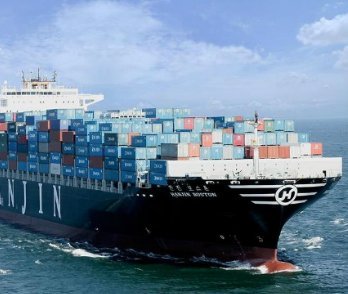
A growing number of our customers are based in South Sudan, making it an important destination within our China–East and Central Africa logistics network. TJ China Logistics maintains long-term contract rates with leading international carriers such as COSCO, OOCL, APL, EMC, Maersk (MSK), and HMM, and works closely with regional port and trucking partners. These strong partnerships enable us to offer competitive freight solutions for shipments from China to South Sudan’s key border crossings and inland logistics hubs.
With TJ China Logistics as your logistics partner, shipping goods from China to South Sudan becomes more manageable and transparent. Once you entrust your cargo to us, our experienced team manages the whole process—from factory pickup and export documentation to ocean arrival at regional ports, customs clearance, and final delivery to your address in South Sudan, subject to local security and access conditions. Our goal is to be your most dependable freight forwarder from China to South Sudan. Request a feasibility-checked quote today.
TJ China Logistics provides sea freight and multimodal solutions from China to South Sudan by using major East African ports as gateways, then forwarding cargo inland by road. Through long-term cooperation with carriers such as COSCO, OOCL, APL, EMC, Maersk (MSK), and HMM, we secure attractive contract rates and stable container capacity on key China–Africa trade lanes. Depending on current infrastructure and security conditions, we can support compliant cargo such as construction materials, industrial machinery, household goods, project and NGO supplies, agricultural inputs, foodstuffs, vehicles and spare parts, and other general consumer products, with routings tailored to active border points and inland hubs in South Sudan.
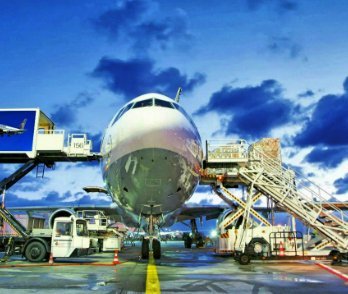
For urgent, high-value, or time-sensitive cargo, our air freight service offers fast and secure transportation from China to South Sudan via nearby regional airports. TJ China Logistics designs optimized flight routings to international hubs serving South Sudan and arranges onward trucking to destinations inside the country, ensuring that routes, handlers, and cargo types comply with all aviation, sanctions, and security requirements. From pickup at your supplier’s facility and export customs clearance in China to import formalities and last-mile delivery in South Sudan, we manage the full air logistics chain for lawful, non-restricted shipments—such as medical and humanitarian supplies, critical spare parts, telecom and IT equipment, precision instruments, premium electronics, samples, and other mission-critical cargo.

Door-to-door shipping from China to South Sudan requires careful planning due to security, infrastructure, and regulatory constraints. TJ China Logistics offers integrated door-to-door solutions—covering factory pickup in China, export documentation, main-leg ocean or multimodal transport, regional import and transit procedures, and final delivery within South Sudan—only where local conditions and regulations permit. We perform detailed route and partner risk assessments, verify consignees and end-users, and coordinate with experienced agents on the ground to keep cargo secure and supply chains moving. This approach helps ensure that each door-to-door movement into South Sudan is both operationally feasible and fully compliant.

TJ China Logistics provides full-container-load (FCL) shipping from China to South Sudan through selected corridors that remain operational and compliant. Our team arranges container booking and equipment allocation, supervises loading at the origin facility, manages export customs formalities, and organizes the ocean leg to key East African ports, followed by inland trucking to your nominated depot or site in South Sudan, subject to access and security checks. FCL shipping is well-suited for high-volume, non-restricted cargo such as construction materials, industrial and project machinery, infrastructure and energy equipment, household relocations, vehicles and heavy equipment, agricultural products, and other loads that benefit from dedicated containers, stronger cargo protection, and more predictable transit times.
Less-than-container-load (LCL) shipping from China to South Sudan is more constrained than for many other markets, as consolidators and carriers must closely manage security and sanctions risk. Where consolidation services are available and compliant, TJ China Logistics groups multiple shipments at major Chinese hubs, routes shared containers via regional Indian Ocean or East African ports, and coordinates customs clearance and inland delivery in South Sudan for your consignee. LCL is particularly useful for small and medium-sized enterprises shipping mixed-SKU consignments, aftermarket spare parts, e-commerce parcels, samples, and seasonal goods, but every LCL request is reviewed individually for safety, viability, and regulatory compliance before acceptance.
TJ China Logistics will provide most fuel efficient pickup service China
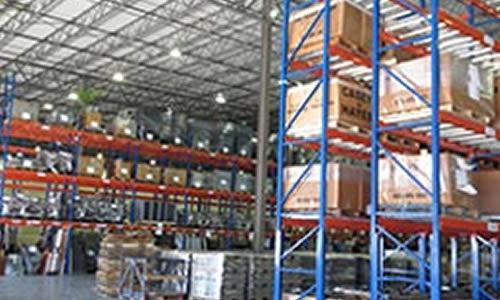
We provide free warehousing services for any of your goods.
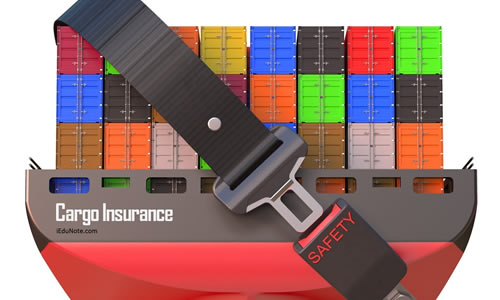
The cargo insurance protects your goods all the way to any Any FBA Warehouse

We handle all paperwork and other details for you.
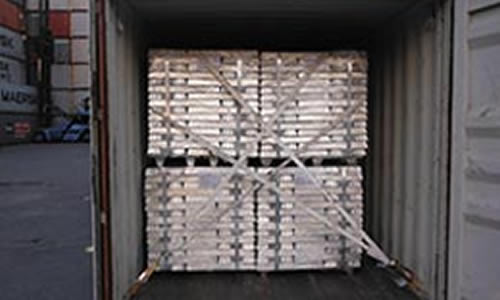
Ensure safe packaging and loading of goods in your suppliers' factory.
Air freight from China to South Sudan generally takes 7–15 days, including transport and potential customs processing. Actual transit times may vary depending on the airline, chosen route, and weather conditions
Sea freight from China to South Sudan typically takes 2–4 months, covering the entire journey, including transport, transshipment, and customs procedures. Actual transit time depends on the departure and arrival ports as well as the complexity of the shipping route.
South Sudan primarily relies on ports in neighboring Sudan, such as Port Sudan, since South Sudan does not have a coastline. These ports handle the majority of international shipping for South Sudan.
Yes, you can track shipments from China to South Sudan using tracking systems provided by the shipping company or courier service. Most logistics companies offer online tracking for both air and sea freight.
Required documents typically include a commercial invoice, packing list, bill of lading (for sea freight) or air waybill (for air freight), and a certificate of origin. Additional documents may be needed depending on the type of goods and local regulations.
Shipping costs vary significantly based on the mode of transport, weight, and volume of goods. Air freight is generally more expensive than sea freight. Additional costs may include handling fees, insurance, and customs duties.
For perishable items, air freight is typically the best option due to its faster transit time. Ensuring proper packaging and temperature control is crucial to maintain the quality of perishable goods during transit.
To minimize delays, ensure all documentation is accurate and complete, use reliable shipping companies, and consider potential delays at customs or in transit. Choosing a faster shipping method, like air freight, can also reduce the risk of delays.
South Sudan enforces import regulations that differ depending on the type of product. Requirements may include certifications, inspections, and adherence to local standards. To ensure compliance, it is advisable to consult a local import/export expert who can provide detailed guidance on the latest rules and restrictions.
Customer Support is reliable and courteous, providing timely replies and clear guidance. Staff demonstrate good product knowledge and handle issues with professionalism. Most requests are resolved effectively, with helpful follow-up. Expanding live support coverage would make the experience even better.
Code Quality is organized and readable, following consistent standards and logical structure. Components are modular enough for maintenance and scaling. Error handling is generally solid, and documentation is adequate. Increasing automated tests would further improve robustness.

Design Quality is polished and consistent, offering a clean visual style and intuitive layout. Interface elements are well aligned and easy to understand. The user journey feels smooth and organized. Small visual refinements could further enhance the premium feel.