Amazon FBA shipping from China, with FNSKU labelling, carton and pallet checks, export and import handling, and delivery into the fulfilment centre on your shipment plan — by sea, air, rail or express.
Amazon FBA shipping moves your goods from a supplier in China into an Amazon fulfilment centre. We collect from the factory and prepare the cartons the way Amazon asks. Labels, box sizes and paperwork are checked before dispatch. We then handle export, import and the delivery slot at the centre. You pick the main leg: sea, air, rail or express. One thing to settle early — Amazon does not act as importer of record for your stock.
Sellers usually plan around the sailing or the flight. In practice the prep, the clearance and the FBA check-in decide when the listing goes live. Here is the whole run, stage by stage.
Ranges are typical, not promises. They move with the lane and the season. Peak weeks add a backlog at both ends. Amazon publishes its own receiving guidance, and check-in time is set by Amazon rather than by a forwarder. Have a launch date or a stock-out date? Tell us early and we will work backwards from it.
Both routes are used every week. What decides it is your volume and how fast the SKU sells. Storage cost at Amazon is the third factor.
Factory → Prep in China → Main leg → Import clearance → Fulfilment centre
Weaker fit if your plan splits the cartons across several centres. Also weaker if sending everything at once would breach your restock limits.
Factory → Warehouse → Main leg → Storage → Batch releases to FBA
Adds a handling step and a storage line. Worth it on volume, or on stock held back on purpose.
Not sure which? Send the carton count, the weight and how fast the SKU turns. We will price both and show the difference. You decide.
No mode is better than the others. You are trading freight cost against the launch date, and against how long your cash sits in transit.
| Sea freight | Rail to Europe | Air freight | Express | |
|---|---|---|---|---|
| Typical door-to-FC transit | About 20–45 days | About 12–20 days | About 5–9 days | About 3–6 days |
| Freight cost per kg | Lowest | Between sea and air | Higher | Highest |
| Usual volume | Pallets to full containers | Pallets and part loads | A few cartons to pallets | Samples to a few cartons |
| Common use | Bulk restock, planned launches | EU restock when sea is tight | Fast restock, high-value SKUs | Samples, urgent stock-outs |
| Book by | 4–8 weeks ahead | 3–5 weeks ahead | 1–2 weeks ahead | A few days ahead |
Transit figures match the ranges on each mode’s own page. They are measured door to fulfilment centre. Handling and clearance at both ends are included. Booking lead times tighten in peak season. For the detail, see sea freight, rail freight, air freight and express shipping.
Most FBA problems are prep problems, not freight problems. This is the list we work through in China, before the cartons leave.
Prep rules change. Amazon changes carton limits, prep options and prep-service availability from time to time. The rules also differ by marketplace. Treat the figures here as a working guide. Check your Seller Central account before you commit to a packing spec.
Give these to the supplier while the packing is still open. Fixing a box size on paper costs nothing. Re-packing at destination is the expensive version.
| Programme | Carton size limit | Carton weight limit | Notes |
|---|---|---|---|
| FBA · US | Longest side up to 36 in, other sides up to 25 in | 50 lb for standard-size items | Boxes above 50 lb need a team-lift marking. Single oversize items are treated separately. |
| FBA · EU & UK | Up to 63.5 cm on any side | 23 kg | A heavy-carton label is required above 15 kg. Oversize single items are the exception. |
| Amazon Warehousing & Distribution | Up to 25 × 25 × 25 in | 50 lb | A bulk-storage programme, not the same as sending direct to a fulfilment centre. |
| Pallets (LTL / FTL) | 40 × 48 in, four-way entry | Up to 1,500 lb | Usually up to 72 in tall including the pallet. Clear stretch wrap, with pallet labels on the sides. |
Figures follow Amazon’s published inbound requirements at the time of writing. They are grouped here for planning. Limits differ by marketplace, by programme and by item type. Amazon also revises them: the US longest-side limit was raised from 25 in during 2025. Your Seller Central help pages are the version that counts.
Labels, box sizes and pallet builds are checked before the goods leave. That is where a re-pack costs hours instead of weeks.
This is the part that catches new FBA sellers. Amazon states it will not act as importer of record or consignee for seller inventory. Shipments sent that way tend to be refused. So the import side is settled before the goods move.
Which route fits depends on your tax position, not your cargo. Tell us where you are registered. We will set out both options in writing. See customs brokerage for how the clearance itself is handled.
All of it happens while the goods are still in China. Labour is cheaper there, and a problem is still fixable.
Cargo from several factories is collected, checked and shipped as one consignment.
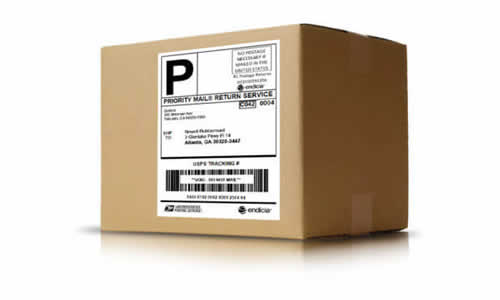
Unit barcodes and box labels printed and applied from your Seller Central files.
Over-limit or weak cartons re-packed to a box size that clears the inbound rules.
Counts, workmanship and packaging checked against your spec before dispatch.
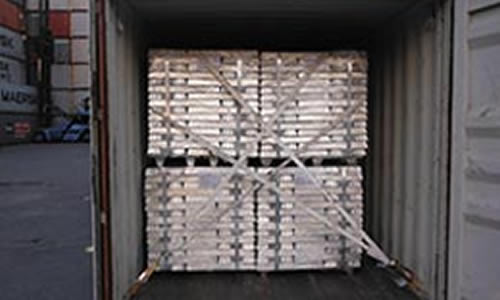
Squared stacks, clear film, and pallet labels placed where a yard can scan them.
Stock held in China or at destination and released as your restock limits allow.
Photos at loading, so what left the warehouse is on record if a claim follows.
Cover arranged for the goods’ real value, since carrier liability is limited by weight.
Declarations at both ends, with the documents kept consistent with the cartons.
These are the destinations we move FBA cargo to most often. Others can be quoted on request.
| Marketplace | Main legs usually used | Worth knowing |
|---|---|---|
| United States | Sea (FCL / LCL), air, express | Carton limits differ from Europe. An importer number is needed on the entry. |
| United Kingdom | Sea, air, express | UK entries are separate from EU entries, with their own VAT treatment. |
| Germany | Sea, rail, air, express | Often the entry point for wider EU stock. Rail is a useful middle option. |
| Rest of the EU | Sea, rail, air | One import can serve several EU marketplaces, depending on your VAT setup. |
| India | Sea, air | Documentation requirements are strict; allow more time for clearance. |
| Australia | Sea, air | Biosecurity checks on packaging and timber are common. Fumigation may apply. |
This reflects the lanes we run regularly, not a fixed list. Send the marketplace and the centre code from your shipment plan. We will confirm what we can do on that lane.
None of these are unusual. All of them are cheaper to catch in China than to argue about at the gate.
The old retail barcode is left visible next to the FNSKU. A scanner can read the wrong one. The unit may then be recorded as something else.
A box that suits the factory rarely suits the inbound rules. Over-limit cartons can attract extra handling or be refused outright.
Amazon will not act as importer of record. Entries filed that way tend to stall at the border. Some end in a return or abandonment.
Fulfilment centres receive freight by appointment. A truck arriving without one is usually turned away. Re-delivery costs days.
The plan says twenty boxes and nineteen arrive. Or the SKU mix differs. Reconciliation takes time, and units can end up unaccounted for.
Lithium batteries, magnets, liquids, aerosols and powders have their own transport rules. Undeclared, they can be pulled from the shipment.
Send us the packing spec early. Box dimensions, gross weights and what is inside each SKU. Most of the list above is caught on that one document.
We prepare or check each one. All of them have to match the cartons that actually shipped.
Parties, terms and declared value — the basis on which duty is worked out.
Cartons, weights and dimensions, matching the shipment plan box for box.
The carrier’s transport document for the main leg you booked.
Exported from Seller Central by you, printed and applied by us.
Ties the cargo to your plan and to the delivery appointment at the centre.
Needed where a trade agreement or a preferential rate is being claimed.
Test reports, declarations or certificates, depending on the product and market.
Issued where cover is arranged, showing the insured value and the terms.
FBA freight is ordinary freight with an extra rulebook at the end. What differs is who deals with that rulebook. With us, the prep, the paperwork and the appointment are part of the job.
We will also say when FBA is not the right destination for a consignment. Sometimes the stock should sit in a warehouse first. Sometimes a slower leg serves you better.
Yes, and it is the most common route. We collect from the factory, then prep and label in China. Export, import and the delivery to the named centre are handled too. Does your plan split the cartons across several centres? We will say whether one shipment or several works out better.
Add up the stages, not just the main leg. Pickup and prep in China usually take two to five days. The main leg runs about 3–6 days by express, 5–9 by air, 12–20 by rail to Europe, or 20–45 by sea. Import and delivery then take roughly three to seven days. Amazon’s own receiving and check-in comes after that. Its duration is set by Amazon, not by us.
Yes. You export the label file from Seller Central. We print and apply it in China. Any existing barcode is covered, so only one scans. Carton labels from your plan go on at the same time, then get checked against the box count.
Not Amazon. Amazon states it will not act as importer of record or consignee for seller inventory. So either you or a local entity imports. Or we deliver duty paid, and the import sits inside our arrangement. This is settled before booking, because it decides how the entry is filed.
They differ by marketplace. In the US, standard-size cartons run up to 36 in on the longest side and 25 in on the others. The weight limit is 50 lb per box, before extra handling labels apply. In the EU and UK it is 63.5 cm on any side and 23 kg, with a heavy label above 15 kg. Amazon revises these figures, so check the current ones in Seller Central.
Yes. Goods can be held in China or at destination. They go into FBA as your restock limits allow. It adds a handling step and a storage line. That tends to pay off on volume, on seasonal stock, or on multi-supplier orders.
Sea for planned bulk restock. Air when the launch date is close. Rail as a middle option into Europe. Express for samples or a stock-out. We quote the options side by side rather than steer you to one. The cost difference per unit is usually what decides it.
Often, yes, but they need declaring up front. Batteries, magnets, liquids, aerosols and powders have their own transport rules. Those rules differ between air, express and sea. Tell us what is inside the product. We will confirm what can move on which mode.
The pickup address in China, plus the marketplace and centre from your shipment plan. Then the cargo description, gross weight, carton dimensions and box count. Tell us whether the goods are palletised, and what your target date is. Last, whether you want to import yourself or have it delivered duty paid. With those we can usually come back within a working day.
Send the shipment plan and the packing details. We will check the cartons against the inbound rules. Then we quote the modes side by side and set out the import options. All of it before anything is booked.