Door-to-door shipping from China with supplier pickup, export handling, your choice of sea, air, rail or express for the main leg, import clearance and final delivery — all under one booking with one point of contact.
Door-to-door shipping means TJ China Logistics collects the cargo at your supplier’s factory or warehouse in China and delivers it to the address you name. Export handling, the main transport leg, import clearance and final delivery sit under one booking, with one point of contact. You pick the main leg — sea, air, rail or express — to suit the cargo. Duty and import tax are set by the destination country; whether they sit with us or with you depends on the delivery term, which we confirm in writing before you book.
Door-to-door removes coordination work; it does not replace a mode. It tends to fit if you buy from several suppliers, have no in-house logistics team, or would rather not chase a trucker, a broker and a carrier separately.
Every international shipment has the same physical steps. Door-to-door does not delete them — it moves the coordination, the chasing, and the paperwork onto one team.
Carriers and customs still make their own calls on schedules, capacity and inspection. What we take on is the coordination, the documents, and keeping you posted when something moves.
This is the sequence your cargo follows, and who owns each step. Two stops cause most of the surprises — the main leg choice and the import arrangement — so both are opened up here.
We contact the supplier directly and confirm the goods are finished and packed. Collection is then booked against readiness rather than the original PO date. Cartons are counted, weighed and measured on receipt, so the figures behind your quote match what the carrier bills against.
If you are buying from more than one factory, the shipments are consolidated before dispatch instead of moving as separate bookings.
Arranged by TJ China LogisticsThe export declaration is filed on your behalf and the shipping documents are prepared: commercial invoice, packing list, and the transport document for your mode.
This is also where problems get flagged while they are still cheap to fix — a description that may not survive clearance, a missing HS code, batteries that need a declaration, packing that looks light for the journey. If a detail is unclear, we ask you before it reaches the authorities.
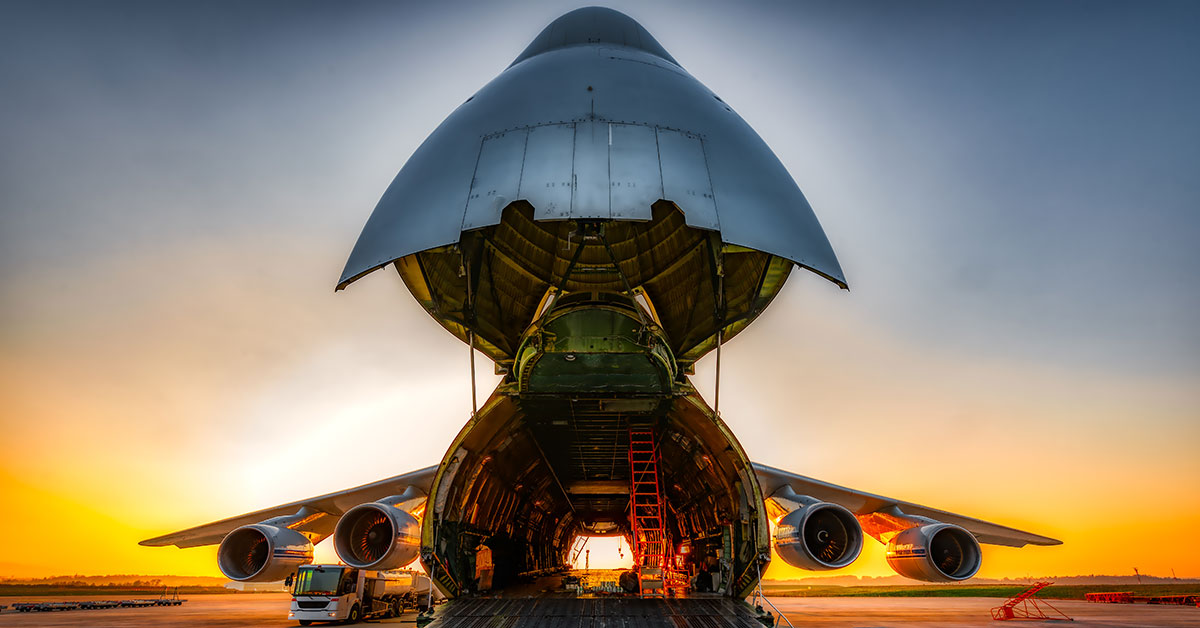
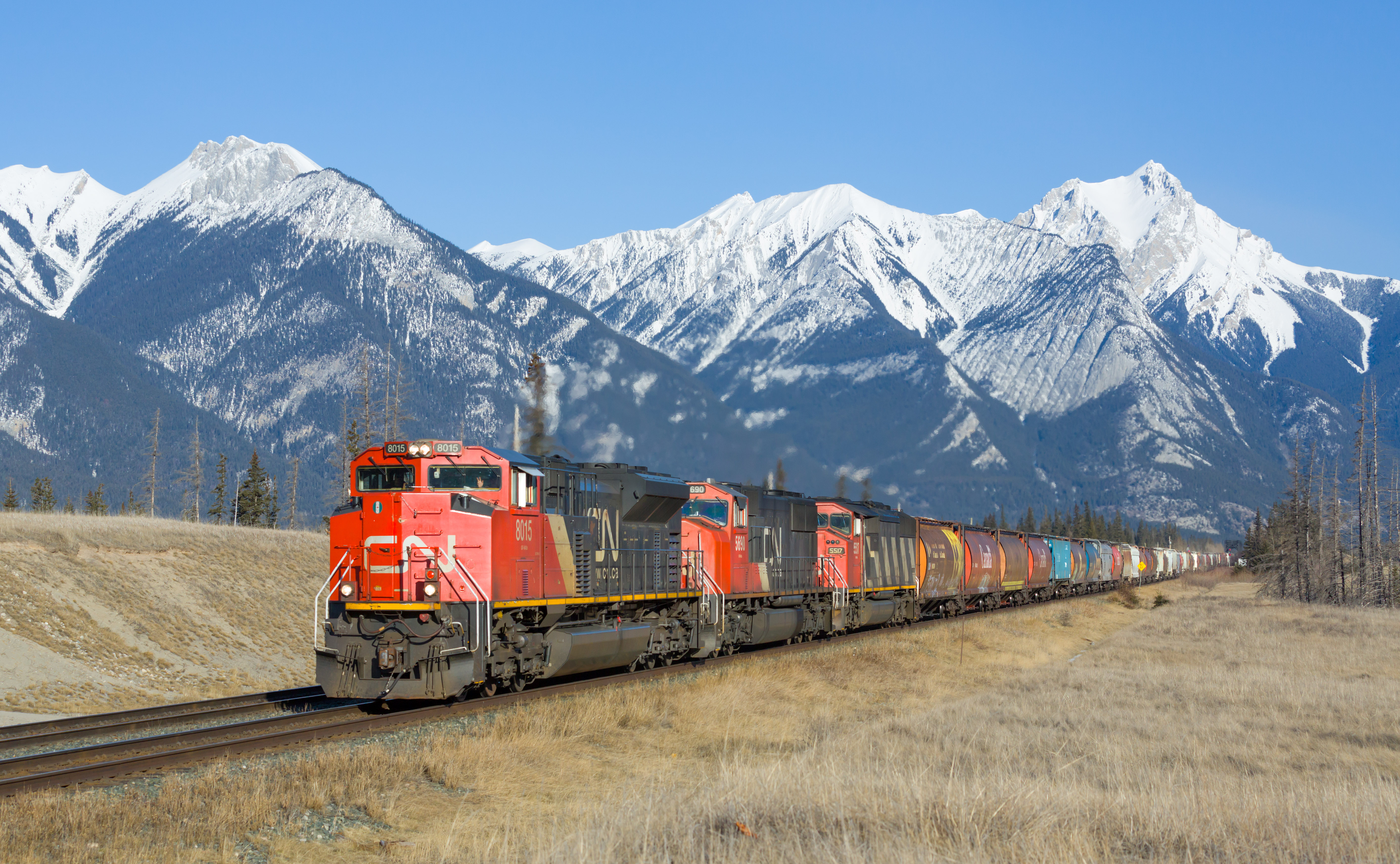
Arranged by TJ China LogisticsDoor-to-door is not tied to one mode. The main leg is whichever option suits your cargo, deadline and budget. On a repeat lane, many buyers switch between modes season to season.
A side-by-side comparison, including what each mode does to your landed cost, is in the mode table below.
Clearance is arranged at destination and the paperwork is lined up in advance, so the shipment is less likely to sit waiting on a document while storage charges run. This is also where the delivery term you picked at booking decides who pays duty and import tax.
Duty and import tax are included in the price we quote and settled by us.
We deliver to your address; duty and import tax are paid by you as importer.
Which term is available depends on your destination country, your commodity, and whether a local importer of record exists. We confirm the workable options for your lane before you book — more in DDP vs DAP below.
Once released, the cargo moves to the delivery address — a warehouse, an office, a fulfilment centre or a home address. Tell us up front if the site has no loading dock, restricted access hours or a booking system, and whether a tail-lift or pallet truck is needed. Those details change the vehicle and the price, and cost less to arrange at booking than on the day.
Arranged by TJ China LogisticsDelivery is confirmed back to you with the proof of delivery, and the shipment documents stay on file for your records and your accountant. If something went off plan along the way, you heard it when it happened rather than at the end.
All four run door to door. The ranges below are typical for shipments out of China and are meant for orientation. Your actual transit depends on the lane, the season and clearance at both ends.
| Factor | Sea | Air | Rail | Express |
|---|---|---|---|---|
| Typical door-to-door transit | About 20–45 days, by lane | About 5–9 days | About 12–20 days | About 3–6 days |
| Relative cost | Lowest per unit | High per kg | Between sea and air | Highest per kg |
| Best cargo size | Large volume, heavy | Small to medium, dense or urgent | Medium volume | Parcels and samples |
| Billed on | Volume (CBM) or container | Chargeable weight | Volume or container | Chargeable weight |
| Geography | Worldwide | Worldwide | China ↔ Europe and Central Asia | Worldwide |
| Common use | Bulk replenishment | Deadlines, high value, fragile | Europe lanes needing a middle option | Samples, documents, urgent small parts |
| Read more | Sea freight | Air freight | Rail freight | Express shipping |
Mixing modes is common. Many importers move bulk replenishment by sea and urgent top-ups by air on the same lane, under the same door-to-door arrangement. Tell us the deadline for each shipment rather than fixing one mode for the year.
Both terms deliver the goods to your address. The difference is who is responsible for import duty and tax, which affects your cash flow and what you can reclaim. Neither is better in every case; the right one depends on your business.
| Point | DDP — Delivered Duty Paid | DAP — Delivered at Place |
|---|---|---|
| Duty and import tax | Included in our quote, paid by us | Paid by you as the importer |
| What you pay on arrival | Nothing further | Duty and tax as assessed |
| Import VAT recovery | Generally not recoverable by you | Recoverable where your business is eligible |
| Importer of record | Handled through our arrangement | You, or your nominated entity |
| Cost visibility | One bundled figure | Freight and tax shown separately |
| Typically suits | Sellers with no local import setup, smaller consignments | VAT-registered importers and regular commercial volume |
Two things to be clear about. First, most destinations require an importer of record. Under DAP that is normally you, so confirm the entity before booking. Second, duty rates and import taxes are set by the destination country and assessed on your declared value and classification — not by us or by any forwarder. Any figure quoted in advance is an estimate until customs assesses the entry. If a DDP offer appears to skip duty altogether, ask how the goods are being declared.
A door-to-door shipment crosses two customs jurisdictions, each with its own paperwork. Handling both from one desk keeps the export declaration in China and the import entry at destination describing the same goods, the same value and the same classification. Mismatches between the two are a common cause of holds.
If you only need the clearance work and are arranging transport yourself, that is available on its own as customs brokerage.
From the factory gate in China to the door you name — one contact, one thread and one invoice for the whole chain.
Most general merchandise out of China can move door to door. Some categories need extra declarations or a specific service, and a few cannot travel on every mode. Tell us the product early and we will say which routes are open to it.
Consumer goods, hardware, textiles, homeware, and packaging — the everyday bulk of China exports.
Including battery-powered items, where the batteries are declared and packed to the applicable rules.
Volume-heavy cargo where sea or rail on the main leg keeps the landed cost sensible.
Stock heading to your own warehouse, a third-party fulfilment centre, or a marketplace facility.
Including out-of-gauge and heavy pieces, quoted with the right equipment for both ends.
Cosmetics, food contact goods, chemicals and similar — feasible on some lanes, subject to permits and testing.
Ask before you buy, not after. Whether an item can ship, on which mode, and what it needs at import is easier to resolve before the order is placed. Send the product description and the HS code if you have it.
We prepare and file what sits on our side; a few items have to come from you or your supplier. Your exact set depends on the product and the destination.
Parties, terms, and declared value — the basis on which duty is calculated.
Cartons, weights, and dimensions, matching what is physically shipped.
The carrier’s transport document for the main leg you chose.
The code that drives duty rate and import rules; we help confirm it.
Where a trade agreement or import rule at destination requires it.
For batteries, liquids, and other regulated goods, where applicable.
Under DAP, the importer of record and any local tax registration number.
Where cover is arranged — see cargo insurance.
Collection is arranged across China’s main manufacturing regions. Delivery reaches over 100 countries, with the practical detail confirmed lane by lane.
Shenzhen, Guangzhou, Dongguan, Foshan, and the wider Pearl River Delta.
Shanghai, Ningbo, Yiwu, Suzhou, Hangzhou, and surrounding industrial clusters.
Xiamen, Fuzhou, Qingdao, and the northern coastal manufacturing base.
Collections arranged from inland provinces and routed to the nearest suitable gateway.
North America, Europe and the UK, Australia and New Zealand, and the Middle East.
Over 100 destination countries. Send the address and we will confirm what is workable.
One person stays with your shipment, so you are not re-explaining it to a new inbox each week.
We coordinate collection in Chinese, with the factory, so readiness and packing questions do not land on you.
Freight, origin charges, clearance and delivery are listed separately, so you can see what you are paying for.
Rolled sailings, inspections and delays reach you as we learn about them, with the options set out.
We quote all four main legs, so there is no reason to push one. If air adds cost without helping your deadline, we will say so.
Over 20 years arranging freight out of China, with the origin relationships that support collection.
None of these are exotic. They are six common causes of delay and surprise charges, and most can be settled at booking.
A residential address, a site with no dock, or a facility with booking windows needs a different vehicle. Late notice means a redelivery charge.
Changing the duty term mid-shipment is messy and sometimes impossible once the entry is filed.
Collection booked against an optimistic date wastes a truck slot and can miss the sailing or flight.
Under-declaration invites inspection, penalties and a shipment held at the border.
Volume and chargeable weight decide the bill. Guessed carton sizes get re-measured and re-rated in transit.
Space tightens before Chinese New Year and in the pre-Christmas run. Plan those shipments weeks ahead, not days.
Each of these is available on its own if you only need one piece. Bundled into a door-to-door arrangement, they stop being separate conversations.
Collection at your supplier’s address in China, export handling and declaration, the main transport leg on the mode you choose, import clearance at destination, and delivery to the address you name — under one booking with one contact. Duty and import tax are either included or invoiced to you, depending on whether you pick DDP or DAP.
It depends on the main leg. Typical ranges out of China are about 3–6 days by express, 5–9 days by air, 12–20 days by rail to Europe, and 20–45 days by sea. Those figures include handling and clearance at both ends, not just the sailing or flight, and they move with the season and the lane.
The line item is higher, because it covers work that port-to-port leaves to you: trucking, export handling, clearance and delivery. Whether the total is higher depends on what those pieces would cost you separately, including your own time. If you already have a broker and a trucker on contract, port-to-port is often cheaper.
Broadly, DDP suits buyers with no import setup at destination who want one all-in figure; DAP suits VAT-registered businesses that can reclaim import VAT or want the duty and tax shown separately. See the comparison above.
Under DAP it is you, or an entity you nominate at destination. Under DDP it is handled through our arrangement. Most countries require an importer of record with a local tax registration, so this is best settled before booking.
Yes. Cargo from multiple factories can be collected, checked and consolidated in China before dispatch, so you pay for one shipment instead of several. Send the supplier list and the readiness dates and we will sequence the collections.
Yes, and it is a common use of door-to-door. FBA has its own labelling, carton and delivery appointment requirements, handled as part of the booking. See Amazon FBA shipping.
Not automatically. Carrier liability is limited by weight and rarely reflects what the goods are worth. Cover is available separately; the premium depends on the commodity, cover level and route, and is confirmed with the insurer at quote — see cargo insurance.
The pickup address in China, the delivery address, cargo description, gross weight, carton dimensions and piece count, whether the goods are palletised, your target date, and whether you want DDP or DAP. With those we can usually come back within a working day.
Send the two addresses and the cargo details. We will confirm the main leg that fits, set out the duty term options, and itemise the quote before anything is booked.