
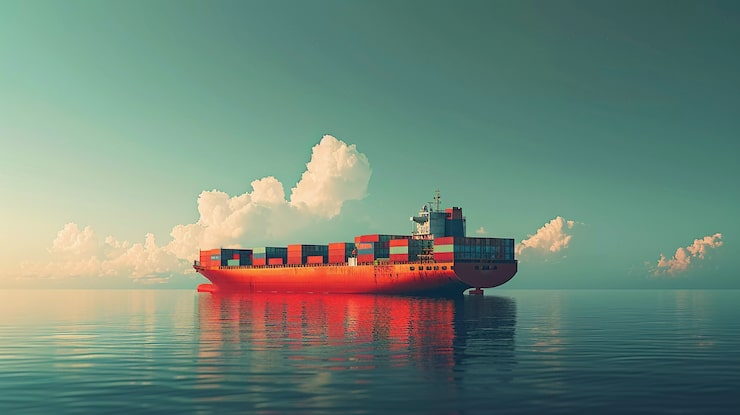
An increasing number of our customers are based in Russia, making it a key destination within our China–Eurasia and cross-border land/sea logistics network. TJ China Logistics maintains long-term contract rates with leading carriers such as COSCO, OOCL, APL, EMC, Maersk (MSK), and HMM, and cooperates closely with major rail and trucking operators across the China–Russia corridor. These strong partnerships—always operated in accordance with applicable sanctions and trade regulations—enable us to offer competitive freight solutions for shipments from China to Russia’s main ports, rail terminals, and inland logistics hubs.
With TJ China Logistics as your logistics partner, compliant and documented shipping from China to Russia becomes more manageable and transparent. Once you entrust your cargo to us, our experienced team manages the whole process—from factory pickup and export documentation to cross-border transport, customs clearance, and final delivery to your address in Russia where legally permitted. Our goal is to be your most dependable and compliant freight forwarder from China to Russia. Submit a compliance‑reviewed quote request today.
TJ China Logistics offers sea and multimodal freight solutions from China to Russia, using Pacific, Baltic, and Black Sea ports as gateways, combined with rail and truck connections inland. Services are planned and executed strictly in line with current international sanctions and carrier policies. Through long-term cooperation with ocean carriers like COSCO, OOCL, APL, EMC, Maersk (MSK), and HMM, we can secure contract rates and capacity on selected, compliant China–Russia and China–Eurasia routes. Depending on regulatory eligibility, these services can support cargo such as construction materials, industrial machinery, household goods, automotive parts, timber and paper products, and other non‑restricted items, with tailored routings to Russian ports and inland hubs.
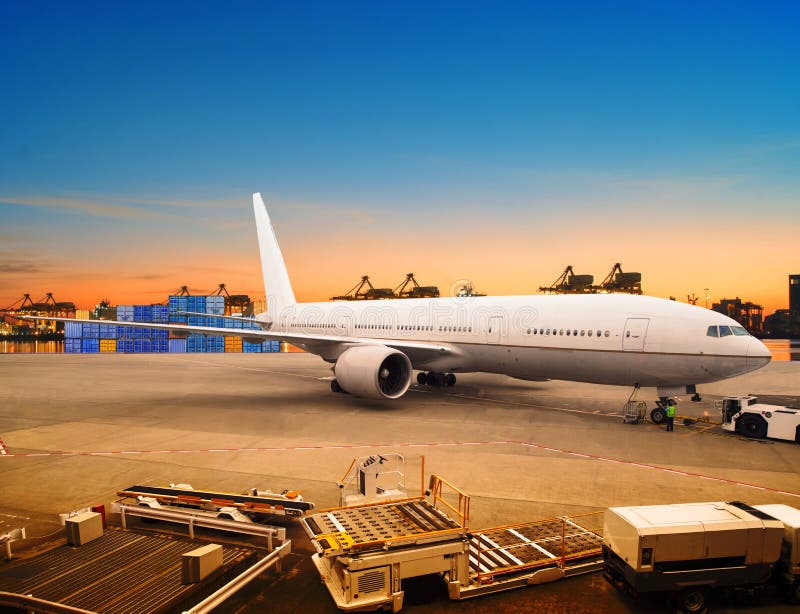
Air freight between China and Russia is subject to heightened regulatory and sanctions oversight. While some commercial air routes and capacity options exist, both airlines and logistics providers apply strict screening of shippers, consignees, and cargo types. Where fully compliant and permitted, TJ China Logistics can design optimized air freight routings to major Russian airports and regional hubs, focusing on lawful and non‑restricted goods. Our team manages each step—from pickup and export customs clearance in China through to import formalities and final‑mile delivery in Russia—only after confirming that your shipment, entities, and payment channels meet all relevant sanctions and export control requirements.

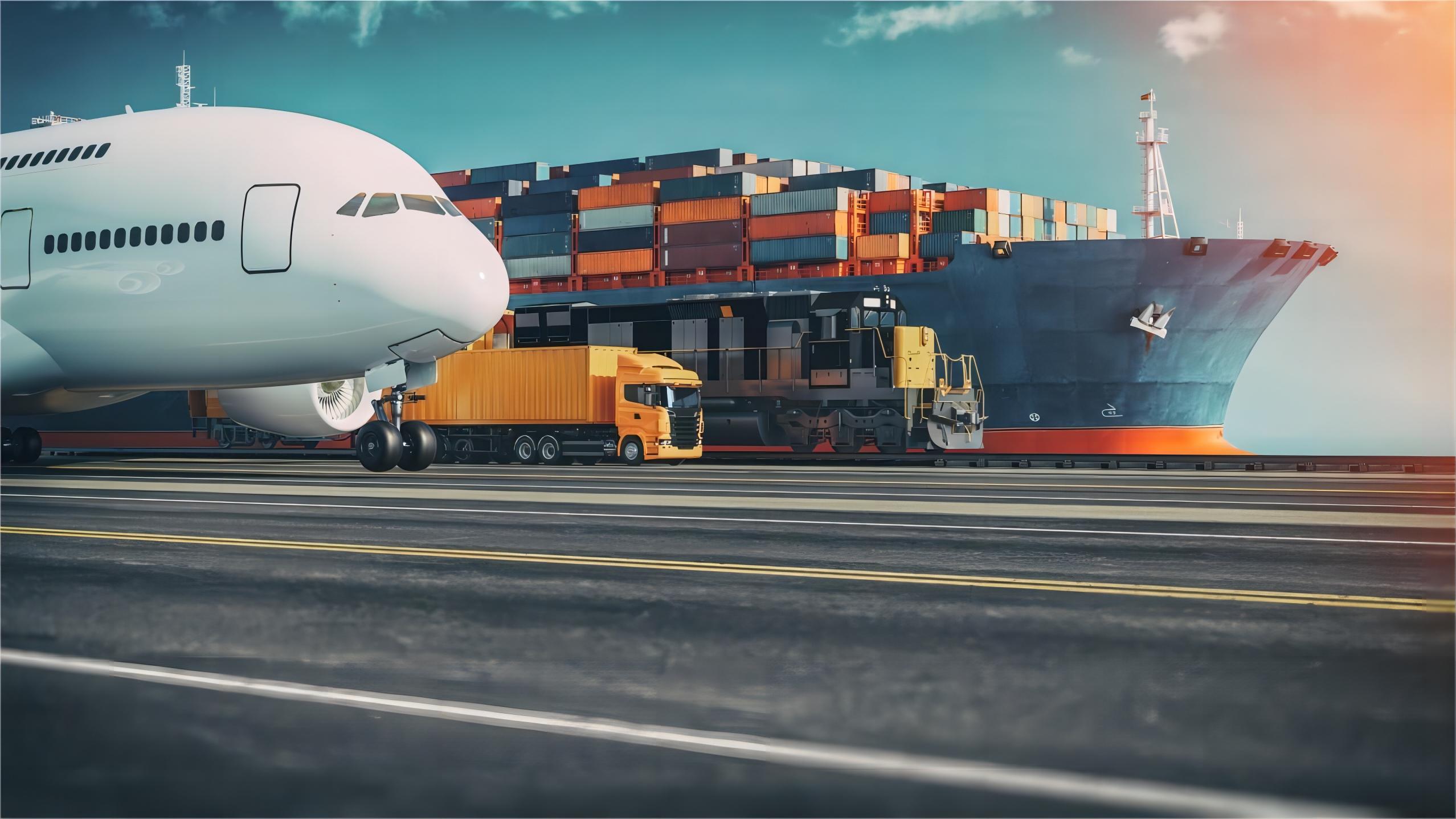
Door‑to‑door shipping from China to Russia requires careful planning to align with international sanctions, banking restrictions, and carrier policies. TJ China Logistics provides an integrated service—covering factory pickup in China, export documentation, main‑leg transport by sea, rail, road, or air (as allowed), Russian customs clearance, and delivery to the final address—only for cargoes and parties that pass compliance checks. We perform enhanced due diligence on consignees, end‑users, and commodities, and we work with trusted local partners to ensure that every step of the door‑to‑door chain is both operationally efficient and fully compliant with current regulations.

Full‑container‑load (FCL) shipping from China to Russia can be arranged via approved sea, rail, or land‑bridge routes, subject to sanctions screening and carrier acceptance. TJ China Logistics handles container booking, allocation, loading supervision at the origin facility, export customs procedures, and the main leg to your nominated Russian terminal or depot, followed by local delivery where allowed. FCL is well‑suited for high‑volume, non‑restricted cargo such as eligible construction materials, industrial machinery and components, project equipment, household goods, timber products, and bulk commodities that require secure, dedicated, and predictable transportation. Each FCL movement is assessed case‑by‑case to confirm regulatory compliance before booking.
Less‑than‑container‑load (LCL) shipping from China to Russia is more limited than for other destinations, as consolidators and carriers must fully comply with sanctions and export control laws. Where LCL services are available and legally permitted, TJ China Logistics consolidates multiple consignments at major Chinese hubs, arranges the main leg via compliant sea or rail services to designated Russian gateways, and coordinates customs clearance and inland delivery to your consignee. LCL is mainly suitable for small and medium‑sized enterprises moving non‑restricted, low‑risk goods such as general consumer products, spare parts, and samples. Every LCL request is subject to additional documentation review and compliance approval before acceptance.
TJ China Logistics will provide most fuel efficient pickup service China
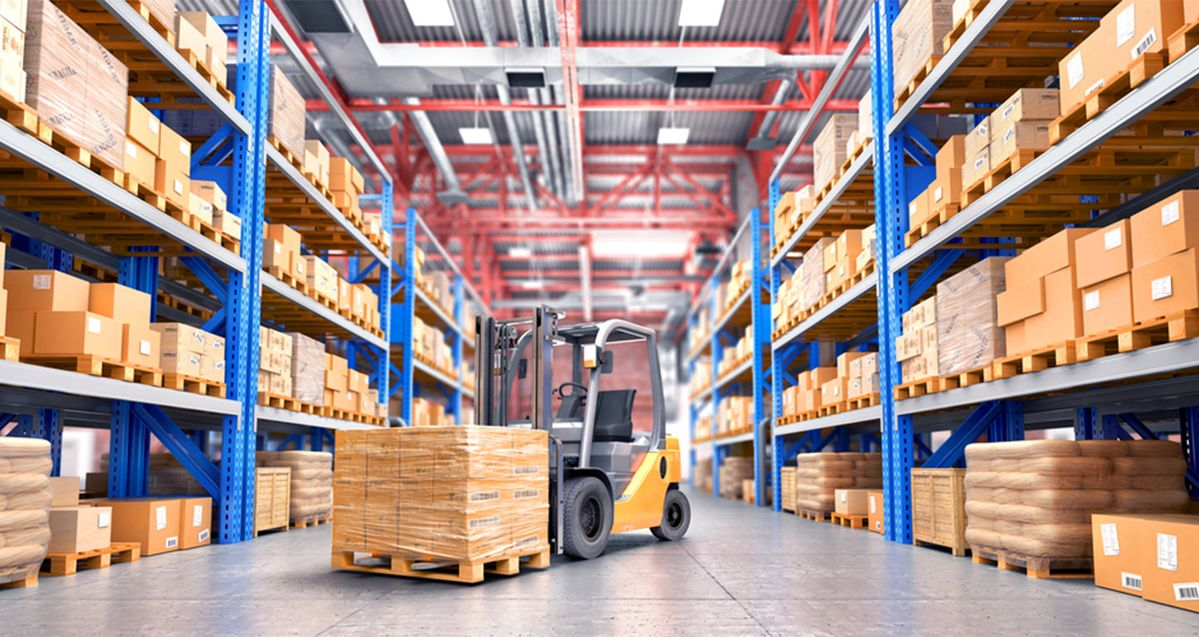
We provide free warehousing services for any of your goods.

The cargo insurance protects your goods all the way to any Any FBA Warehouse

We handle all paperwork and other details for you.

Ensure safe packaging and loading of goods in your suppliers' factory.
Technology plays a crucial role in modern logistics, enabling real-time tracking and automated inventory management. Tools such as RFID and barcode systems improve accuracy and operational efficiency, reduce human error, and ensure inventory records are continuously updated.
To minimize shipping delays, businesses should employ efficient logistics planning, choose reliable carriers, and leverage real-time tracking systems. Ensuring accurate documentation and compliance with customs regulations is also essential for smooth and timely deliveries.
Best practices include using durable packaging materials, ensuring that fragile items are well-padded, and labeling packages clearly. Proper packaging protects goods from damage and facilitates smoother handling during transit.
Customs regulations impact freight services by dictating documentation requirements, tariffs, and import/export restrictions. Compliance with these regulations is essential to avoid delays, fines, or shipment rejections.
Common challenges include customs clearance delays, language barriers, varying regulatory requirements, and infrastructure limitations. Addressing these challenges requires effective planning and coordination with experienced logistics partners.
Companies should stay informed about Russian import regulations, ensure all documentation is accurate, and work with customs brokers who are familiar with local requirements. Regular updates and audits help maintain compliance.
Freight forwarders offer expertise in logistics, customs handling, and route optimization. They streamline the shipping process, reduce risks, and provide valuable support in managing complex international shipments.
Businesses can improve accuracy by implementing advanced tracking technologies, maintaining up-to-date systems, and ensuring clear communication with all parties involved in the shipping process.
Effective strategies include thorough documentation of the damage, prompt reporting to the insurer or freight forwarder, and maintaining detailed records of the shipment and packaging. These steps facilitate the claims process and improve recovery chances.
Seasonal fluctuations can influence demand, create capacity bottlenecks, and affect transit times. To mitigate these impacts, businesses should anticipate peak periods, adjust shipping schedules accordingly, and collaborate with flexible logistics partners capable of accommodating seasonal variations.
Customer Support is reliable and courteous, providing timely replies and clear guidance. Staff demonstrate good product knowledge and handle issues with professionalism. Most requests are resolved effectively, with helpful follow-up. Expanding live support coverage would make the experience even better.

Code Quality is organized and readable, following consistent standards and logical structure. Components are modular enough for maintenance and scaling. Error handling is generally solid, and documentation is adequate. Increasing automated tests would further improve robustness.

Features Availability is strong and dependable, with most key functions accessible and working as expected. The feature set covers common user needs and supports efficient workflows. Navigation between features is smooth, though a few advanced tools could be easier to discover. Overall, coverage and stability are impressive.