
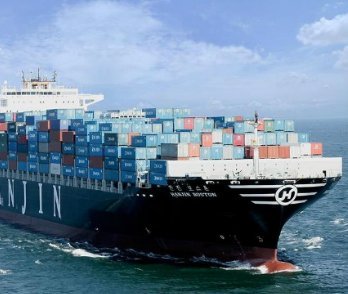
A growing number of our long-term clients are located in Australia, making it a key destination within our global logistics network from China. TJ China Logistics has secured stable, long-term contract rates with leading ocean carriers such as COSCO, OOCL, APL, EMC, Maersk (MSK), and HMM. These strong carrier partnerships enable us to offer highly competitive freight rates for shipments from China to Australia’s major gateways, including its primary container ports and logistics hubs.
When you choose TJ China Logistics as your logistics partner, shipping goods from China to Australia becomes straightforward and worry-free. Simply hand over your cargo to us and our experienced team will take care of everything—from pickup at the factory, export documentation, and customs clearance to final delivery at your nominated address. Our objective is to be your most reliable freight forwarder from China to Australia. Request a competitive quote today.
TJ China Logistics provides reliable and cost-effective sea freight services from China to Australia’s major ports and distribution centers. Through long-standing partnerships with carriers such as COSCO, OOCL, APL, EMC, Maersk (MSK), and HMM, we secure competitive contract rates and stable container space on principal China–Australia trade lanes. Whether you are shipping electronics, furniture, textiles, machinery, or general consumer goods, our ocean freight solutions are designed to ensure smooth, timely, and efficiently managed deliveries across Australia.
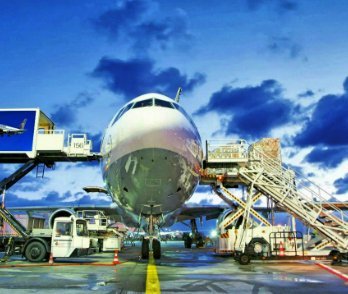
For urgent, high-value, or time-sensitive cargo, our air freight service offers fast and secure transportation from China to Australia. TJ China Logistics designs optimal flight plans to key Australian airports, coordinating reliable transit times and professional cargo handling at both origin and destination. From door pickup and export formalities in China to import customs clearance and final-mile delivery in Australia, we manage the complete air logistics process—ideal for medical supplies, critical spare parts, premium electronics, samples, and other mission-critical shipments.

TJ China Logistics provides integrated rail freight solutions from China to Australia, leveraging optimized China–Eurasia rail corridors combined with sea and inland transport. By utilizing stable rail networks, strategic transit hubs, and trusted carrier partnerships, we offer a reliable alternative that is faster than traditional sea freight while remaining cost-efficient. Our services cover the entire journey, including secure cargo handling, seamless intermodal transfers, competitive pricing, and dependable transit schedules. From rail departure in China to final delivery in Australia—whether via port or inland distribution—TJ China Logistics ensures smooth coordination, transparent communication, and consistent performance for your China–Australia supply chain.
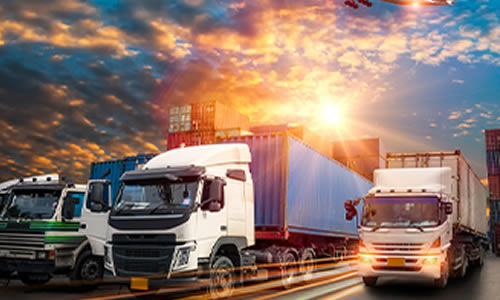
For shipments that do not require a full container, our less-than-container-load (LCL) service offers a flexible and economical logistics option from China to Australia. We consolidate cargo from multiple shippers at major Chinese ports, arrange ocean transport to leading Australian ports, and handle customs clearance and final delivery to your consignee. LCL is especially suitable for SMEs, mixed-SKU consignments, e-commerce orders, and trial or seasonal shipments, enabling you to control costs while still benefiting from professional international freight services.
TJ China Logistics will provide most fuel efficient pickup service China
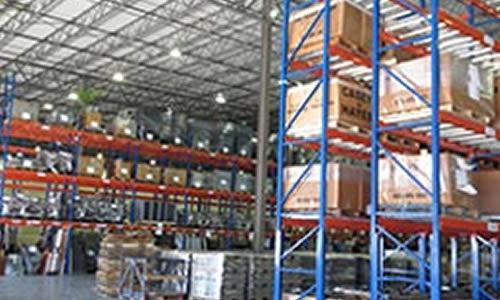
We provide free warehousing services for any of your goods.
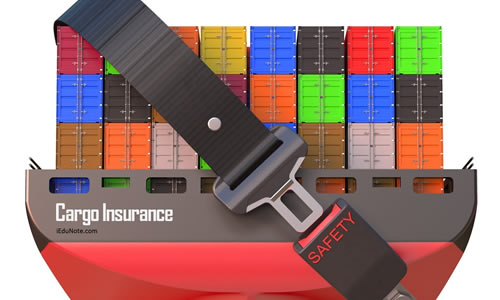
The cargo insurance protects your goods all the way to any Any FBA Warehouse

We handle all paperwork and other details for you.
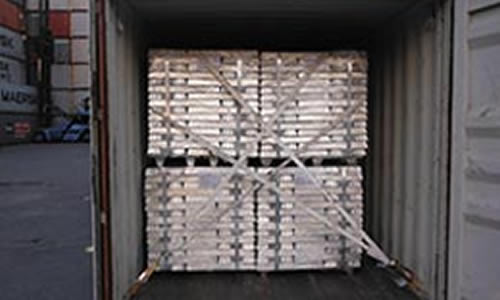
Ensure safe packaging and loading of goods in your suppliers' factory.

Transit times from China to Australia vary depending on several factors, including the chosen transportation method, port handling efficiency, and the expertise of the logistics provider.
Other factors such as customs clearance, biosecurity inspections, and seasonal weather conditions can also affect overall delivery schedules. Choosing an experienced logistics partner ensures smoother operations and more reliable transit times.
Tips to Minimize Shipping Delays to Australia:
Customs regulations can impact shipping times due to inspections, documentation requirements, and compliance checks. Specifically, incomplete or incorrect paperwork often causes delays. To prevent such issues, ensuring accurate documentation and compliance with Australian import regulations minimizes hold-ups at customs.
Challenges include navigating customs regulations, managing transit delays, dealing with packaging and handling issues, and fluctuating shipping costs. Additionally, weather conditions and geopolitical factors can affect delivery times. Proper planning, choosing reliable shipping partners, and understanding the regulations can help mitigate these challenges.
Freight forwarders offer expertise in logistics, helping clients navigate complex customs regulations and providing access to global carrier networks. Moreover, they optimize shipping routes, handle documentation, and offer consolidated options to reduce costs. By leveraging their experience, they ensure smoother, more efficient processes from origin to destination.
Seasonal factors like peak holidays or monsoon seasons often disrupt shipping schedules. For instance, increased demand during peak seasons may extend processing times and cause port congestion. Additionally, extreme weather—such as storms or heavy rains—can halt maritime/air operations. To mitigate these risks, plan shipments during off-peak periods and monitor weather forecasts to avoid delays.
To ensure safe delivery, use durable packaging materials appropriate for the type of goods being shipped. Fragile items should be well-padded, and heavy or bulky items should be securely packed to prevent damage. Proper labeling and adherence to international shipping standards also help in smooth handling and delivery.
Delivery timelines are heavily influenced by the selected shipping route, largely because of differences in distance and operational efficiency. Direct sailings or flights eliminate intermediate stops, resulting in faster transit compared with routes that involve multiple ports or transshipments. To improve delivery speed, it is advisable to select routes with minimal transfers and steer clear of heavily congested ports—such as Sydney or Buenos Aires—where vessel backlogs and handling delays frequently occur.
Design Quality is polished and consistent, offering a clean visual style and intuitive layout. Interface elements are well aligned and easy to understand. The user journey feels smooth and organized. Small visual refinements could further enhance the premium feel.

Code Quality is organized and readable, following consistent standards and logical structure. Components are modular enough for maintenance and scaling. Error handling is generally solid, and documentation is adequate. Increasing automated tests would further improve robustness.

Customer Support is reliable and courteous, providing timely replies and clear guidance. Staff demonstrate good product knowledge and handle issues with professionalism. Most requests are resolved effectively, with helpful follow-up. Expanding live support coverage would make the experience even better.