
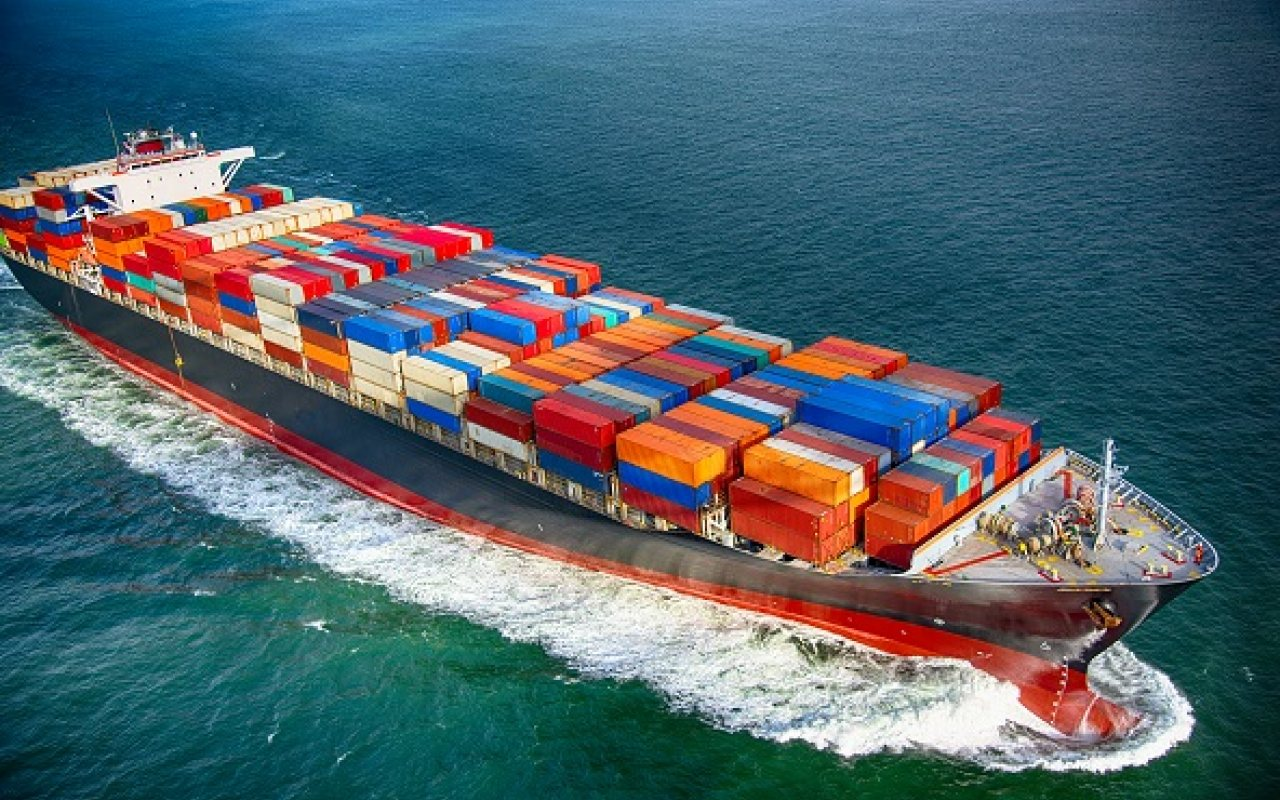
Argentina is a major import market in South America, and an increasing number of Argentine companies rely on us to manage their cargo from China. TJ China Logistics has secured long-term contract rates with leading carriers such as COSCO, OOCL, APL, EMC, Maersk (MSK), and HMM. These strong partnerships allow us to offer competitive freight solutions for shipments from China to Argentina’s principal gateways, including the Port of Buenos Aires and other key terminals along the Río de la Plata and Atlantic coast.
With TJ China Logistics as your logistics partner, shipping goods from China to Argentina becomes straightforward and well-coordinated. Simply entrust your cargo to our team, and we will handle every phase—factory pickup, export documentation, space booking, customs procedures, and final delivery to your warehouse or distribution center. Our goal is to be your most dependable freight forwarder from China to Argentina. Request a competitive quote today.
TJ China Logistics provides reliable and cost-effective sea freight services from China to Argentina’s main ports, including Buenos Aires, Zárate, Campana, Rosario (via upriver services), and Bahía Blanca. We ship from key Chinese ports such as Shanghai, Ningbo, Shenzhen, Guangzhou, and Qingdao, leveraging long-term contracts with carriers like COSCO, OOCL, APL, EMC, Maersk (MSK), and HMM to secure stable space and attractive rates. Whether you are importing electronics, machinery, auto parts, textiles, household goods, construction materials, or FMCG, our ocean freight solutions ensure safe, efficient, and timely delivery throughout Argentina’s main industrial and commercial regions.
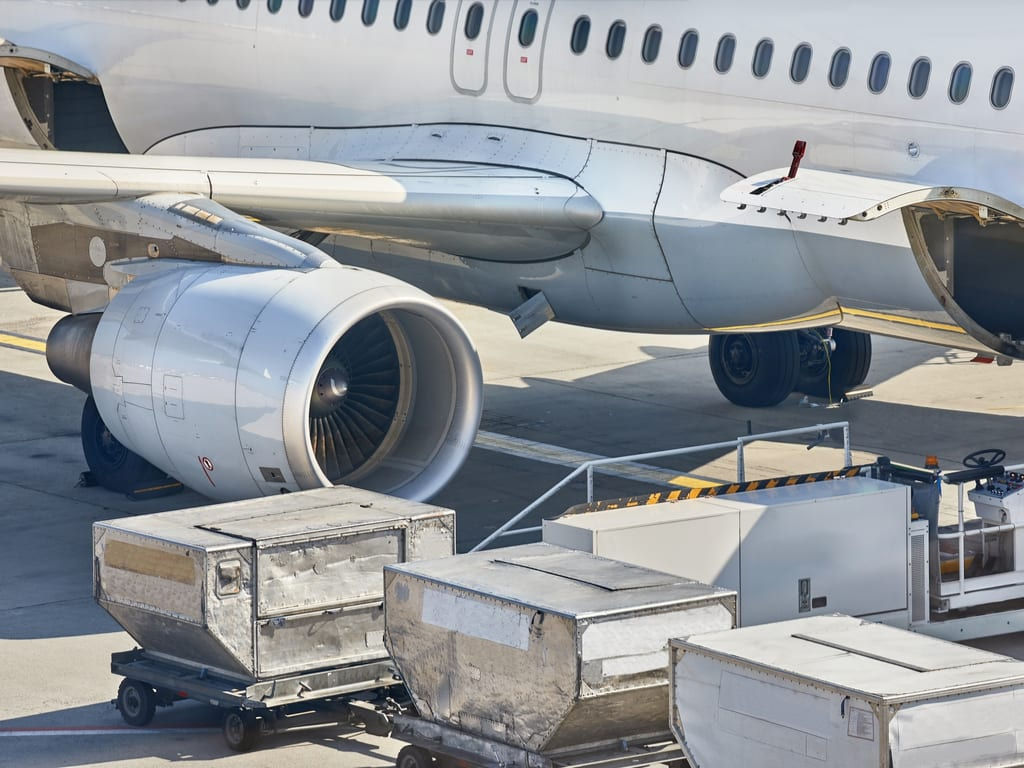
For urgent, high-value, or time-sensitive shipments, our air freight services from China to Argentina offer fast and secure transport. TJ China Logistics designs optimized flight routes from major Chinese airports to Buenos Aires–Ezeiza International Airport and, when appropriate, to other regional hubs in South America. We handle pickup at your supplier’s facility, export customs clearance in China, air transport, and coordination of import procedures and final delivery in Argentina. This service is ideal for electronics, samples, fashion items, medical supplies, spare parts, and any shipment that requires minimized transit time from China to Argentina.

Our door-to-door shipping service from China to Argentina provides a complete end-to-end logistics solution for importers, distributors, manufacturers, and e-commerce businesses. TJ China Logistics arranges factory pickup in China, prepares export documentation, books sea or air freight, and works with trusted local partners to handle customs clearance and final delivery in Argentina. We serve major Argentine cities and industrial zones including Buenos Aires, Córdoba, Rosario, Mendoza, La Plata, San Miguel de Tucumán, and other regions where services are available. With full shipment visibility and proactive communication, we make shipping from China to Argentina as smooth and hassle-free as possible.

TJ China Logistics offers full-container-load (FCL) shipping from China to Argentina, supported by competitive carrier contracts and dependable container availability. Our team books containers at major Chinese ports such as Shanghai, Ningbo, Shenzhen, Guangzhou, and Qingdao, supervises loading at origin, manages export formalities, and monitors the entire ocean journey to Buenos Aires and other designated ports. FCL shipping is ideal for large-volume cargo such as construction materials, industrial machinery, project equipment, household goods, textiles, auto parts, and bulk consumer products that require secure, dedicated container space and predictable transit times from China to Argentina.
TJ China Logistics will provide most fuel efficient pickup service China

We provide free warehousing services for any of your goods.

The cargo insurance protects your goods all the way to any Any FBA Warehouse

We handle all paperwork and other details for you.

Ensure safe packaging and loading of goods in your suppliers' factory.
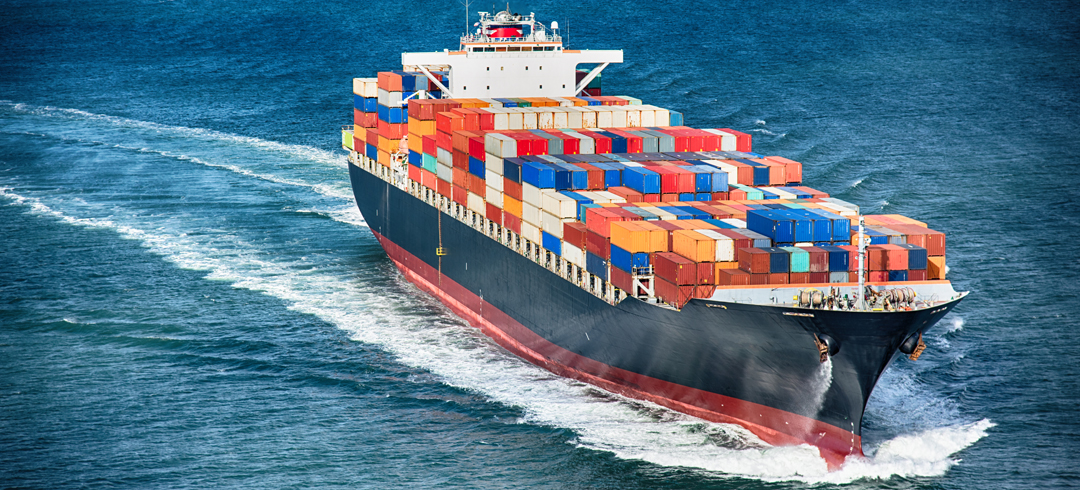
Shipping from China to Argentina can vary significantly depending on multiple factors:
Shipping Method: Choosing between air and sea freight greatly affects costs. Air freight provides faster transit at a higher price, while sea freight offers a more economical solution but takes longer.
Type of Goods: Cargo characteristics—size, weight, and special handling requirements—directly influence pricing. Fragile, perishable, or hazardous items may require additional packaging, certifications, or handling, increasing costs.
Shipping Volume: Costs differ between Full Container Load (FCL) and Less than Container Load (LCL). FCL offers a dedicated container, making it cost-effective for bulk shipments, whereas LCL shares container space, suitable for smaller consignments but generally slower.
Carrier Selection: Rates vary across providers, so comparing quotes from multiple carriers or freight forwarders is essential to secure the best pricing.
Additional Services: Services such as insurance, customs clearance, and door-to-door delivery streamline logistics but can increase overall costs.
Currency Fluctuations: Changes in exchange rates between CNY and ARS may impact final costs. Hedging strategies or fixed-rate contracts can help manage this risk.
Fuel & Taxes: Surcharges applied by carriers and taxes imposed by Argentine authorities should be accounted for when budgeting.
Final Recommendation: For precise shipping estimates, request quotes from experienced logistics partners. Providing detailed shipment information—dimensions, weight, commodity type, origin, and destination—will allow for accurate pricing and help you select the most suitable China-to-Argentina shipping solution.
Air shipping from China to Argentina is ideal when speed and efficiency are crucial. Here’s why:
Urgent Shipments: For time-sensitive goods or urgent orders, air shipping is best. It offers fast transit times, usually between 7 to 15 business days.
Perishable Goods: Air shipping is suitable for perishable items like fresh produce or pharmaceuticals. It ensures expedited delivery to maintain quality.
High-Value Goods: Air shipping is preferable for high-value items or electronics. It provides faster and more secure transit than sea freight.
Just-in-Time Inventory: For businesses needing quick stock replenishment, air shipping supports a just-in-time inventory model, meeting demand efficiently.
Emergency Shipments: In emergencies, such as demand spikes or supply chain disruptions, air shipping is a reliable solution for immediate needs.
Small Shipments: Air shipping is cost-effective for smaller volumes or samples. You pay only for the space your goods occupy, making it a viable choice for small shipments.
Overall, air shipping from China to Argentina is the go-to option when speed, reliability, and efficiency are essential. Though it may be more expensive than sea freight, its expedited delivery justifies the cost for time-sensitive shipments.
When choosing between LCL (Less than Container Load) and FCL (Full Container Load) for shipping from China to Argentina, consider these factors:
Cargo Volume: If you have a large volume of goods, FCL may be more cost-effective. FCL provides exclusive use of an entire container, allowing for better space utilization and potentially lower per-unit shipping costs compared to LCL.
Cost Considerations: While FCL can be more economical for larger volumes, LCL is ideal for smaller shipments that do not fill an entire container. With LCL, you only pay for the space your goods occupy, which can be more cost-effective for smaller shipments.
Shipping Schedule: For tight deadlines or expedited delivery, FCL often offers faster transit times. FCL shipments typically experience shorter lead times and fewer handling points, potentially speeding up delivery to Argentina.
Cargo Characteristics: Consider the nature of your goods and any special handling requirements. Fragile, perishable, or high-value items might benefit from the added security and reduced handling of FCL shipping.
Flexibility: LCL provides flexibility for smaller volumes or irregular shipping schedules. It allows you to consolidate multiple shipments into one container, offering cost savings and flexibility in managing inventory and logistics.
Customs Clearance: LCL and FCL may have different implications for customs clearance and associated costs, depending on your goods and Argentine customs regulations. Consult with your freight forwarder or customs broker to understand the specific requirements for your shipment.
Evaluate these factors—cargo volume, cost, shipping schedule, cargo characteristics, flexibility, and customs clearance—to choose the best shipping option for your needs when transporting goods from China to Argentina.
Tracking your shipment from China to Argentina involves using the tracking services provided by your chosen shipping carrier or freight forwarder.
First, obtain your tracking number from the shipping carrier or freight forwarder. This number is usually given when you book the shipment or receive a confirmation.
Next, visit the carrier’s online tracking platform. Most carriers have a dedicated tracking portal on their website. Enter your tracking number there to view real-time updates.
Additionally, some carriers offer mobile apps for tracking. Download the app from the app store, enter your tracking number, and get updates directly on your smartphone or tablet.
Moreover, you can sign up for email or SMS notifications. This way, you receive updates on key events like pickup, transit, and delivery.
If needed, contact the customer service department of your carrier for any issues or questions. They can provide further assistance and detailed updates.
Finally, consider using third-party tracking tools. These platforms consolidate tracking information from various carriers, allowing you to track all your shipments in one place.
By following these steps, you can effectively monitor your shipment from China to Argentina and stay informed about its progress and estimated delivery time.
When shipping goods from China to Argentina, having the correct documentation is essential to ensure smooth customs clearance and compliance with Argentine import regulations. The key documents required include:
1. Commercial Invoice:
2. Packing List:
3. Bill of Lading (B/L):
4. Certificate of Origin:
5. Import License or Permit (if applicable):
6. Insurance Certificate:
7. Other Documentation:
Work closely with your freight forwarder or shipping agent to ensure all documents are accurate and complete. Incomplete or incorrect documentation can lead to customs delays, fines, or even refusal of entry into Argentina.
Customer Support is reliable and courteous, providing timely replies and clear guidance. Staff demonstrate good product knowledge and handle issues with professionalism. Most requests are resolved effectively, with helpful follow-up. Expanding live support coverage would make the experience even better.

Code Quality is organized and readable, following consistent standards and logical structure. Components are modular enough for maintenance and scaling. Error handling is generally solid, and documentation is adequate. Increasing automated tests would further improve robustness.
Features Availability is strong and dependable, with most key functions accessible and working as expected. The feature set covers common user needs and supports efficient workflows. Navigation between features is smooth, though a few advanced tools could be easier to discover. Overall, coverage and stability are impressive.