

A rapidly expanding share of our customers are located in Sweden, making it a key destination within our European logistics network. TJ China Logistics has secured long‑term contract rates with leading carriers such as COSCO, OOCL, APL, EMC, Maersk (MSK), and HMM. These strong partnerships allow us to provide highly competitive freight rates and dependable capacity for shipments from China to Sweden’s main gateways, including the Ports of Gothenburg, Stockholm, and Malmö.
With TJ China Logistics as your logistics partner, shipping goods from China to Sweden becomes straightforward and hassle‑free. Simply share your shipment details, and our experienced team will coordinate every step—factory pickup, export documentation, space booking, customs clearance, and final delivery anywhere in Sweden. Our aim is to be your most reliable and service‑oriented freight forwarder from China to Sweden. Request a competitive quote today.
TJ China Logistics offers reliable and cost‑effective sea freight services from China to Sweden, covering exports from all major Chinese ports to Gothenburg, Stockholm, Malmö, and other Scandinavian gateways. Through our long‑standing partnerships with carriers such as COSCO, OOCL, APL, EMC, Maersk (MSK), and HMM, we secure attractive contract rates and stable container space year‑round. Whether you are shipping electronics, furniture, automotive parts, machinery, textiles, or retail goods, our ocean freight solutions ensure safe loading, efficient transit, and smooth arrival in Sweden.
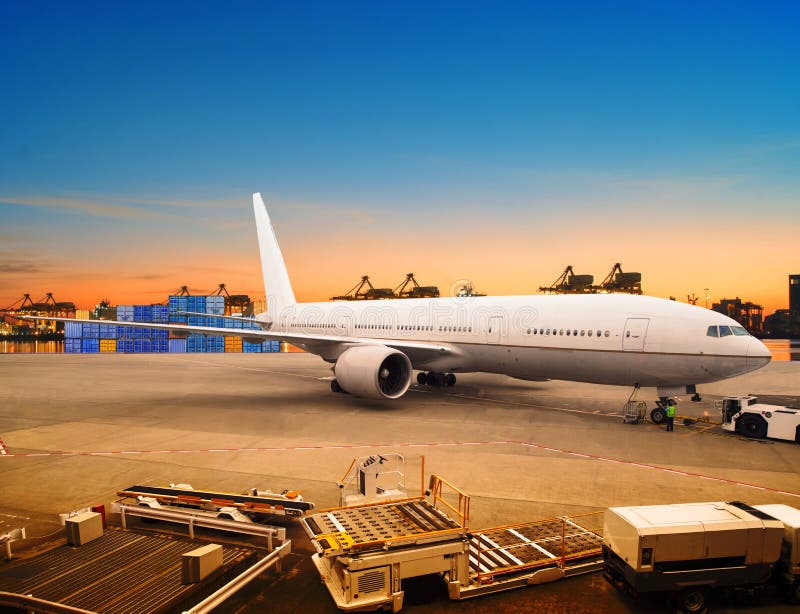
For urgent, high‑value, or time‑sensitive cargo, our air freight service from China to Sweden provides a fast and secure transport option. TJ China Logistics designs optimal routes from major Chinese airports to Stockholm Arlanda, Gothenburg Landvetter, and other regional airports, coordinating closely with airlines and ground handlers to maintain dependable transit times. From pickup at your supplier’s premises and export customs clearance to arrival handling and final delivery across Sweden, we manage the entire air logistics chain—ideal for medical supplies, critical spare parts, premium electronics, samples, and just‑in‑time shipments.

TJ China Logistics provides a reliable and eco-conscious rail freight service linking China to Sweden, with cargo moving through major European logistics centers such as Hamburg, Duisburg, Poznań, and Malmö. Average transit times typically fall between 12 and 20 days, making rail transport a balanced solution—quicker than ocean freight while remaining far more cost-effective than air transport. This rail option accommodates a broad variety of goods, including electronics, furniture, household items, industrial parts, retail merchandise, and palletized cargo. After arrival at key EU rail hubs, shipments are seamlessly handed over to road transport, enabling efficient and timely delivery across Sweden.

TJ China Logistics provides full‑container‑load (FCL) shipping from China to Sweden, backed by competitive carrier contracts and consistent container availability. Our team books 20GP, 40GP, 40HQ, and special equipment, supervises container loading at the factory or warehouse, and completes all export documentation before the vessel departs China. FCL service is ideal for large‑volume cargo such as machinery, building materials, automotive parts, household goods, industrial products, and high‑density retail shipments that require dedicated container space, enhanced security, and predictable transit times to Sweden.
For shipments that do not require a full container, our less‑than‑container‑load (LCL) service from China to Sweden offers a flexible and economical solution. We consolidate cargo from multiple shippers at major Chinese ports, arrange shared‑container ocean transport to Sweden, and handle import clearance and final delivery at destination. LCL shipping is especially suitable for small and medium‑sized enterprises, e‑commerce sellers, mixed‑SKU orders, and trial shipments, allowing you to access professional international logistics to Sweden while keeping freight costs under control.
TJ China Logistics will provide most fuel efficient pickup service China
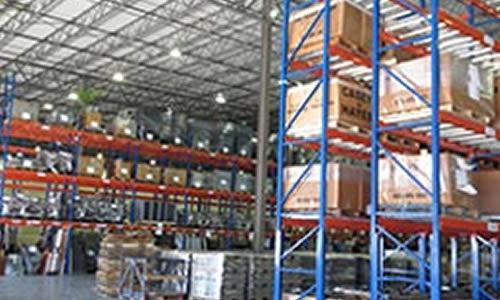
We provide free warehousing services for any of your goods.
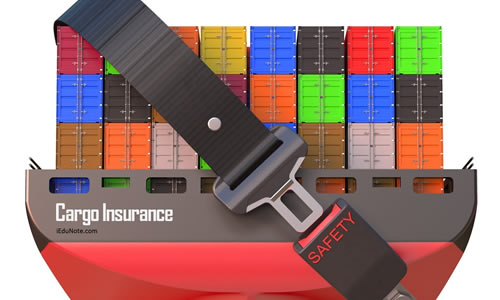
The cargo insurance protects your goods all the way to any Any FBA Warehouse

We handle all paperwork and other details for you.
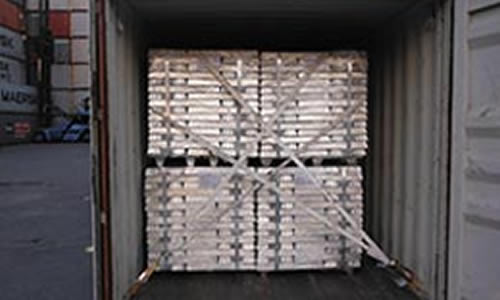
Ensure safe packaging and loading of goods in your suppliers' factory.
Transit time from China to Sweden is influenced by several factors, including the chosen shipping method (air or sea), routing arrangements, the efficiency of customs clearance, and potential congestion at ports or airports. Sea freight is generally the most economical option but involves longer delivery timelines, while air freight offers much faster transit at a higher cost. In addition, external elements such as weather conditions and operational or logistical challenges can also affect the overall shipping duration.
Shipments traveling from China to Sweden can be tracked using the reference or tracking number issued by your freight forwarder or carrier. Most logistics providers offer online tracking platforms that allow you to follow your cargo’s movement in real time. Be sure to use the correct tracking number on the carrier’s official website or application to view the latest updates on your shipment’s location and delivery status.
Air freight offers faster delivery times, typically ranging from 7 to 10 days, compared to sea freight's 20 to 40 days. It is ideal for urgent shipments or high-value items due to its speed and reduced risk of damage. However, air freight is more expensive than sea freight.
Common challenges include customs delays, logistical issues, and varying transit times. Other potential problems are documentation errors, language barriers, and fluctuating shipping costs. Effective planning, accurate paperwork, and choosing a reliable freight forwarder can help mitigate these issues.
Customs clearance can significantly impact shipping time. Delays in customs can occur due to incomplete or inaccurate documentation, regulatory compliance issues, or random inspections. Ensuring all paperwork is accurate and adhering to regulations can help avoid delays and expedite the process.
Essential documents include the commercial invoice, packing list, bill of lading, and certificate of origin. Depending on the type of goods, additional documents like import permits or health certificates may be required. Proper documentation ensures smooth customs processing and compliance.
Tracking can be done through the freight forwarder’s tracking system or the carrier's online portal. Most carriers offer real-time tracking updates, allowing you to monitor your shipment's progress and address any issues promptly. Ensure you receive tracking numbers from your forwarder.
Air freight is generally more expensive than sea freight. Costs for air freight are influenced by weight, volume, and speed, while sea freight costs are based on cargo size and shipping routes. For cost-effective solutions, assess your budget, delivery urgency, and shipment size.
Weather conditions can impact both air and sea freight. Severe weather may cause delays in departure, transit, or arrival. For sea freight, storms and rough seas can particularly affect transit times. Planning for potential delays and monitoring weather forecasts can help manage these risks.
If a shipment is delayed, reach out to your freight forwarder or carrier as soon as possible to identify the reason. Review tracking information for the latest status and verify whether customs clearance, documentation issues, or logistical disruptions are contributing to the delay. Maintaining clear and proactive communication with your shipping partners can help address problems quickly and keep delivery timelines on track.
Features Availability is strong and dependable, with most key functions accessible and working as expected. The feature set covers common user needs and supports efficient workflows. Navigation between features is smooth, though a few advanced tools could be easier to discover. Overall, coverage and stability are impressive.
Code Quality is organized and readable, following consistent standards and logical structure. Components are modular enough for maintenance and scaling. Error handling is generally solid, and documentation is adequate. Increasing automated tests would further improve robustness.

Design Quality is polished and consistent, offering a clean visual style and intuitive layout. Interface elements are well aligned and easy to understand. The user journey feels smooth and organized. Small visual refinements could further enhance the premium feel.