
Shipping from China to Denmark

Services

What we do

Services

img

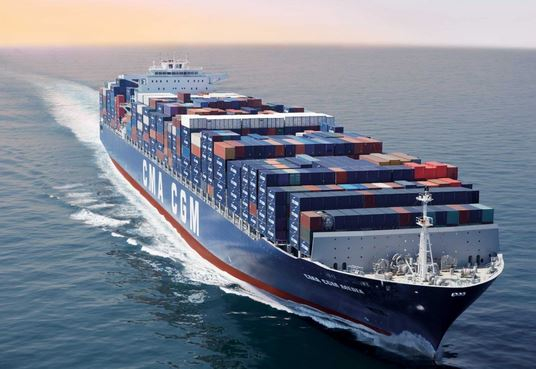
Sea Freight From China To Denmark

TJ China Logistics provides reliable and cost-effective sea freight services from China to Denmark’s principal ports and inland distribution centers. Through long-term cooperation with major carriers such as COSCO, OOCL, APL, EMC, Maersk (MSK), and HMM, we secure attractive contract rates and stable container capacity on key China–Northern Europe and wider Asia–Europe trade lanes. Whether you are shipping electronics, industrial machinery, household goods, furniture, building materials, textiles, or other general cargo, our ocean freight solutions are designed to ensure smooth, well-coordinated, and timely deliveries throughout Denmark.
img

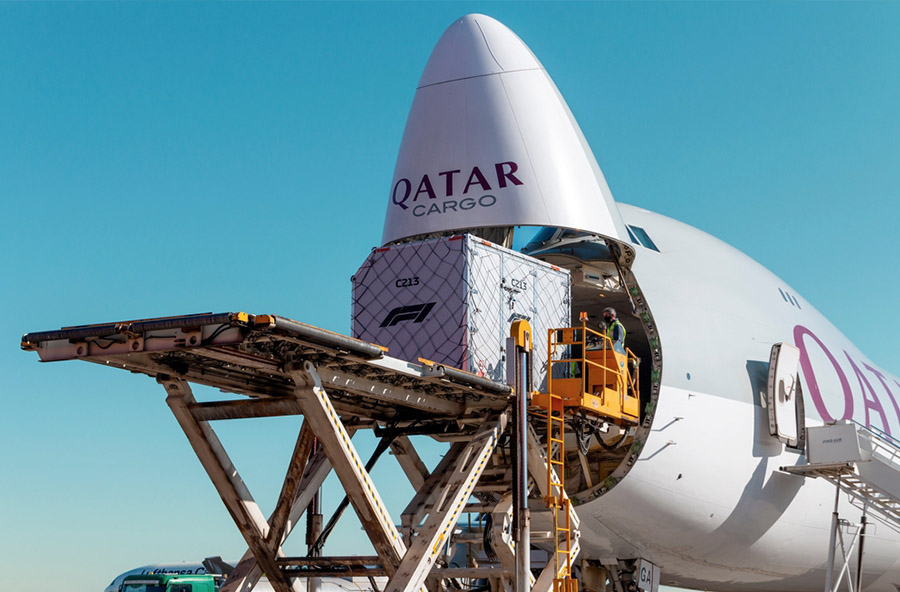
Air Freight From China To Denmark

For urgent, high-value, or time-sensitive shipments, our air freight service offers fast and secure transportation from China to Denmark. TJ China Logistics designs optimized flight routings to major Danish airports—such as Copenhagen—as well as nearby European hubs, ensuring dependable transit times and professional cargo handling from origin to destination. From pickup at your supplier’s facility and export customs clearance in China to import procedures and final-mile delivery in Denmark, we manage the complete air logistics process—ideal for medical supplies, pharmaceuticals, critical spare parts, precision instruments, premium electronics, samples, and other mission-critical cargo.
img

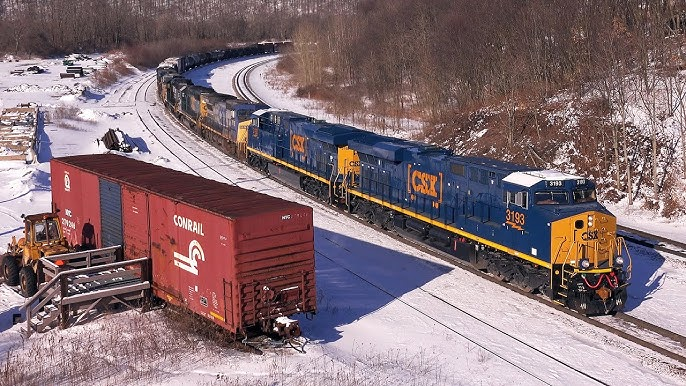
Rail Freight from China To Denmark

TJ China Logistics provides an economical and environmentally friendly rail freight solution connecting China to Denmark via major European transit hubs, including Hamburg, Warsaw, and Malmö. Rail shipping strikes an effective balance between cost and speed, with average transit times of approximately 12–18 days, making it well suited for cargo that requires timely delivery without the expense of air freight. This service is ideal for products such as electronics, automotive parts, retail goods, household items, and palletized shipments. After arrival at key EU rail terminals, cargo is efficiently delivered by truck to destinations throughout Denmark. We manage the entire process—from transit documentation and customs clearance to final delivery—ensuring end-to-end visibility and dependable logistics control at every stage.

FCL Shipping from China To Denmark

TJ China Logistics offers full-container-load (FCL) shipping backed by competitive carrier contracts and dependable container availability on China–Denmark routes. Our team arranges container booking, supervises loading at the origin facility, handles export customs formalities, and organizes the ocean leg to your nominated Danish port, followed by inland transport if required. FCL shipping is ideal for large-volume cargo such as construction materials, industrial and project machinery, household goods, automotive parts, renewable energy components, textiles, and other shipments that require secure, dedicated, and consistent transportation.

LCL Shipping from China To Denmark

For shipments that do not fill an entire container, our less-than-container-load (LCL) service offers a flexible and economical option from China to Denmark. We consolidate multiple consignments at major Chinese ports, arrange ocean transport to Denmark’s principal gateways or nearby European hubs, and then coordinate customs clearance and inland delivery to your consignee. LCL is particularly suitable for small and medium-sized enterprises, mixed-SKU consignments, e-commerce orders, samples, and seasonal goods, helping you control logistics costs while still benefiting from professional international freight services.

Features

More Services Shipping from China To Denmark

img

Pickup and Delivery

TJ China Logistics will provide most fuel efficient pickup service China
img

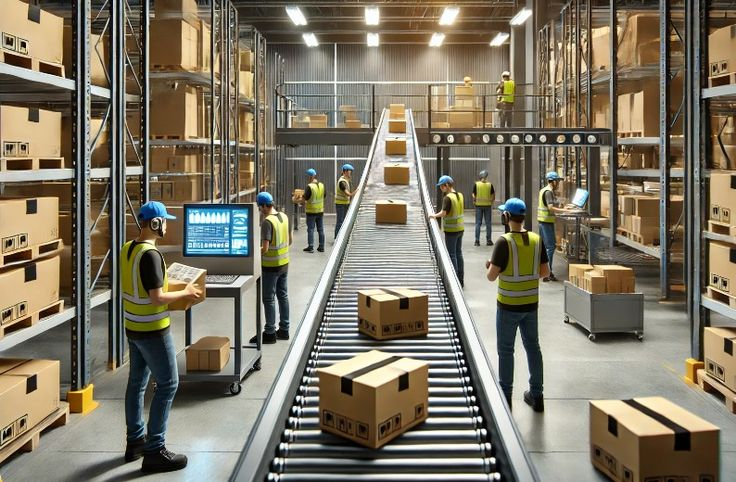
Warehousing

We provide free warehousing services for any of your goods.
img

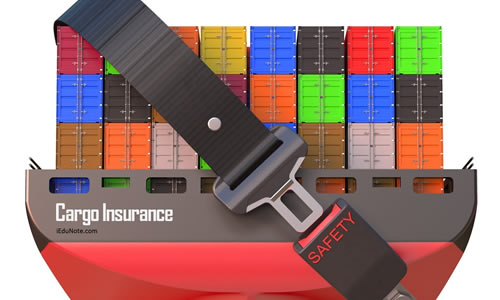
Cargo Insurance

The cargo insurance protects your goods all the way to any Any FBA Warehouse

img

Custom Clearance

We handle all paperwork and other details for you.

img

Loading Inspection

Ensure safe packaging and loading of goods in your suppliers' factory.

Here We Are

GET ANYTYPE QUOTE FROM HERE.

Your Best Freight Forwarder from China to Denmark

  • Offer reliable and cost-effective ocean freight services from China to Denmark
  • Deliver flexible and time-efficient air freight options from China to Denmark
  • Provide expert export customs clearance and documentation services in China
  • Offer complimentary warehousing periods and customized loading solutions
  • Ensure meticulous container loading supervision to safeguard your cargo
  • Arrange dependable pickup and inland trucking services within China
  • Provide responsive 24/7 online customer support for your China–Denmark shipments
Best TJ China Logistics-Sea Freight
What customers also want to know

Professional Shipping from China to Denmark: The Ultimate FAQ Guide

Managing cargo damage during shipments from China to Denmark requires a clear, well-organized process to ensure problems are handled promptly and effectively. The following steps outline a thorough and practical approach:

  1. Conduct an Arrival Inspection
    As soon as the cargo arrives, inspect it carefully for any visible or hidden damage. Record all issues with clear photographs and detailed notes, and compare the condition of the goods against the packing list.
  2. Inform the Carrier Without Delay
    Notify the carrier or TJ China Logistics immediately after discovering any damage. Provide complete information, including images and written explanations, to ensure the claims process can begin quickly.
  3. Preserve All Supporting Documents
    Retain every relevant document, such as the bill of lading, packing list, delivery receipt, and inspection records. Proper documentation is critical when validating a damage claim.
  4. Submit a Formal Claim
    Follow the carrier’s established claim procedures. This typically requires a written damage report along with supporting materials such as invoices, repair quotations, and replacement cost details.
  5. Support Claim Investigations
    Fully cooperate with any assessments or investigations carried out by the carrier or insurance company to identify the cause and severity of the damage.
  6. Confirm Insurance Protection
    Review your cargo insurance policy to verify coverage for the damage. If covered, notify the insurer promptly and submit all required documentation to avoid processing delays.
  7. Limit Additional Loss
    Take immediate action to prevent further deterioration of the cargo. This may include arranging secure storage, repackaging, or professional handling while the claim is under review.
  8. Maintain Ongoing Communication
    Keep all involved parties—such as the carrier, insurer, and consignees in Denmark—informed about claim progress and next steps to ensure alignment and transparency.
  9. Obtain Legal Advice When Necessary
    For high-value losses or liability disputes, seek guidance from legal or trade professionals to clarify responsibilities and compensation options.
  10. Strengthen Preventive Practices
    Reduce future risks by upgrading packaging methods, choosing dependable carriers, and ensuring correct handling procedures throughout the entire logistics chain.

By applying these measures, businesses can address cargo damage efficiently during China–Denmark shipments, streamline the claims process, and minimize operational disruption.

Organizing expedited freight from China to Denmark demands thorough preparation and close coordination to guarantee fast and reliable delivery. Below is a detailed framework to help streamline the process:

Choose a Reliable Freight Forwarder
Select a logistics partner with proven expertise in expedited China–Denmark shipments. A forwarder with strong carrier relationships and experience in time-critical logistics is essential.

Clarify Time-Sensitive Requirements
Clearly outline your delivery deadlines and shipment requirements from the outset. Highlight the urgency and confirm that the forwarder can realistically meet your expected timeline.

Select the Most Suitable Transport Solution
Match the shipping method to your urgency and budget:

  • Air Freight: The fastest option for international transport, ideal for urgent cargo. Ensure the service includes priority handling and dependable schedules.
  • Express Courier Services: For small, high-priority shipments, global couriers such as DHL, FedEx, or UPS provide rapid, door-to-door delivery.

Prepare Accurate Documentation
Assemble all required shipping paperwork in advance, including the commercial invoice, packing list, air waybill or bill of lading, and customs declarations. Complete and accurate documents are critical to avoiding clearance delays.

Manage Customs Clearance Efficiently
Work closely with your forwarder to comply with Danish customs regulations. Provide detailed and correct cargo information to ensure smooth and timely customs processing.

Ensure Proper Packaging and Labeling
Use secure, compliant packaging to protect goods during transit. Clear labeling helps with identification and handling, reducing the risk of damage or misrouting.

Monitor Shipment Progress
Take advantage of real-time tracking tools provided by carriers or freight forwarders. Continuous monitoring allows you to anticipate potential issues and keep all stakeholders informed.

Arrange Cargo Insurance
Consider cargo insurance to protect against loss, damage, or theft. Review available coverage options with your forwarder or insurance provider to ensure adequate protection.

Coordinate Pickup and Final Delivery
Confirm pickup arrangements in China and final delivery in Denmark. Maintain consistent communication with all parties involved to ensure seamless handover at each stage.

Ensure Responsive Customer Support
Work with a freight forwarder that offers proactive and accessible customer service, ready to address questions or resolve issues throughout the shipment’s journey.

By following these steps and working with an experienced provider such as TJ China Logistics, you can successfully organize expedited freight services from China to Denmark with speed, reliability, and confidence.

Freight services from China to Denmark often provide cargo sorting and packaging as integral parts of their logistics solutions. Here’s a breakdown of how these services are managed:

Cargo Sorting: Logistics providers like TJ China Logistics arrange cargo sorting based on destination, type, or other criteria. This streamlines the shipping process, ensuring efficient grouping of goods for onward transportation.

Packaging Services: Freight services offer packaging solutions to protect goods during transit. These services include:

  • Customized Packaging: Tailored to the nature of your goods, providing secure and safe transport.
  • Repackaging: Adjusting packaging to meet international shipping standards or consolidate shipments for cost savings.
  • Labeling and Marking: Ensuring packages comply with international shipping regulations and customer requirements.

Customized Solutions: Freight services offer tailored solutions for specific needs, such as handling fragile items, temperature-sensitive goods, or oversized cargo.

Value-added Services: Additional services like quality control inspections, inventory management, and barcode scanning enhance efficiency and reliability.

Documentation and Compliance: Assistance with necessary documentation, including customs declarations, invoices, and packing lists, ensuring compliance with international regulations.

Handling Equipment: Utilization of appropriate equipment and facilities for efficient sorting and packaging, preparing goods for safe transportation.

When selecting a freight service from China to Denmark, inquire about their capabilities in cargo sorting and packaging. This comprehensive approach ensures streamlined shipping processes and the safe, timely arrival of goods.

Dealing with tax issues on goods imported from China to Denmark requires understanding the relevant taxes and duties, complying with Danish customs regulations, and ensuring proper documentation. Here’s a step-by-step guide to handle tax issues effectively:

  1. Understand Import Duties and Taxes: Familiarize yourself with the types of taxes and duties applicable to imports into Denmark. These may include:

    • Customs Duties: Levied based on the value of the imported goods and their classification under the Harmonized System (HS) code.
    • Value Added Tax (VAT): Charged on the value of goods including shipping costs and duties. Denmark's standard VAT rate is 25%.
    • Excise Duties: Applicable to specific goods such as alcohol, tobacco, and certain energy products.
  2. Calculate Estimated Costs: Determine the estimated import duties and taxes applicable to your goods using resources such as Denmark’s customs tariff database or consulting with customs authorities.

  3. Verify Preferential Trade Agreements: Check if your goods qualify for any preferential trade agreements or exemptions from duties under bilateral or multilateral trade agreements between China and Denmark.

  4. Work with a Freight Forwarder: Engage a reputable freight forwarder or customs broker experienced in handling imports to Denmark. They can provide guidance on customs procedures, tariff classifications, and assist with customs clearance.

  5. Prepare Documentation: Ensure all required import documents are accurate and complete:

    • Commercial Invoice: Detailing the goods, their value, and terms of sale.
    • Packing List: Describing the contents of each package.
    • Bill of Lading or Air Waybill: Documenting the transportation of the goods.
    • Certificate of Origin: Certifying the country of origin of the goods to potentially qualify for preferential tariff treatment.
  6. Submit Declarations: Submit the necessary declarations and documentation to Danish customs authorities electronically or through your freight forwarder. Ensure compliance with all customs formalities and regulations.

  7. Pay Duties and Taxes: Pay the applicable customs duties and VAT upon importation. This can typically be done electronically through the customs authority or your freight forwarder.

  8. Monitor Changes in Regulations: Stay informed about any changes in Danish customs regulations, trade agreements, or tariff rates that may affect your imports.

  9. Seek Professional Advice: Consult with customs experts, tax advisors, or legal professionals for specific advice on complex tax issues or regulatory requirements.

  10. Maintain Records: Keep records of all import-related documents, including customs declarations, invoices, and proof of duty/tax payments. These may be required for audits or future reference.

By following these steps and ensuring compliance with Danish customs regulations, you can effectively manage tax issues on goods imported from China to Denmark, minimizing risks and ensuring smooth customs clearance for your shipments.

Ensuring timely shipping services from China to Denmark requires meticulous planning, effective communication, and collaboration with dependable logistics partners. Here are essential steps to guarantee punctual delivery:

Select a Trustworthy Freight Forwarder: Opt for a renowned freight forwarder, like TJ China Logistics, known for consistent on-time deliveries between China and Denmark. Assess their reliability, transit durations, and customer feedback.

Understand Transit Durations: Identify the estimated transit times for various shipping methods (air freight, sea freight, etc.) provided by the freight forwarder. Choose the option that best matches your scheduling needs.

Plan in Advance: Arrange shipping well ahead of time to manage potential delays or unforeseen issues. Early planning ensures smoother logistics and minimizes the risk of shipment bottlenecks.

Maintain Clear Communication: Engage in transparent and regular communication with your freight forwarder. Share precise details about the shipment, deadlines, and any special requirements.

Opt for Expedited Services: If speed is crucial, select expedited shipping options such as express air freight or courier services, which offer shorter transit times and priority handling.

Track Your Shipments: Utilize tracking and monitoring systems offered by the freight forwarder or carrier. Real-time tracking helps you monitor shipment progress and anticipate any delays.

Prepare Customs Documentation: Ensure all customs paperwork and requirements are completed accurately and in advance. Customs delays can significantly impact delivery schedules.

Proactively Address Potential Issues: Foresee possible challenges like weather disruptions, port congestion, or strikes. Collaborate with your freight forwarder to create contingency plans to mitigate these risks.

Review Service Level Agreements: Examine the service level agreements (SLAs) provided by your freight forwarder. Understand their commitments to delivery timelines and any guarantees.

Monitor Performance and Provide Feedback: Offer feedback based on the timeliness and reliability of their services. Continuously monitor their performance to identify recurring issues and address them promptly.

By implementing these strategies and maintaining proactive shipment management, you can enhance the chances of timely deliveries from China to Denmark, ensuring your goods arrive on schedule and meet your business requirements.

FCL sea freight is ideal for large items, with transit times of 30–40 days. Partner with forwarders offering door-to-door delivery, including assembly and customs clearance.

Use carrier-provided tracking numbers (e.g., DHL, FedEx) or platforms like 17Track.net for real-time updates. Forwarders like TJ China Logistics also offer integrated tracking portals.

Choosing the right freight route from China to Denmark involves considering several factors to ensure efficient and cost-effective transportation of your goods. Here are steps to help you select a suitable freight route:

  1. Evaluate Transportation Modes: Determine whether air freight, sea freight, or a combination (multimodal transport) best suits your needs:

    • Air Freight: Fastest option suitable for time-sensitive shipments but typically more expensive.
    • Sea Freight: Economical choice for large volumes or non-urgent cargo, albeit with longer transit times.
    • Multimodal Transport: Combines different modes (e.g., sea-air, sea-road) to optimize speed and cost efficiency.
  2. Consider Transit Times: Assess your shipment’s urgency and desired delivery timeline. Compare estimated transit times for different transportation modes and routes to ensure they align with your schedule.

  3. Cost Analysis: Evaluate overall transportation costs, including freight charges, handling fees, insurance, and customs duties. Balance cost considerations with service level requirements to optimize your logistics budget.

  4. Distance and Geography: Factor in geographical proximity, transportation infrastructure, and potential logistical challenges (e.g., weather conditions, port congestion) along different routes.

  5. Service Reliability: Research the reliability and performance history of freight carriers, shipping lines, and logistics providers operating on your chosen route. Look for testimonials, customer reviews, and on-time delivery records.

  6. Customs and Regulatory Considerations: Understand customs regulations, import/export requirements, and any trade agreements affecting your shipment. Choose routes and carriers familiar with these regulations to avoid delays or compliance issues.

  7. Infrastructure and Handling Facilities: Ensure the chosen route has suitable infrastructure and handling facilities for your cargo type (e.g., temperature-controlled storage for perishables, specialized equipment for oversized items).

  8. Environmental Impact: Consider environmental factors such as carbon emissions and sustainability practices associated with different transportation modes. Choose routes that align with your company’s environmental policies and goals.

  9. Flexibility and Scalability: Select a freight route that offers flexibility to accommodate changes in shipment volume, frequency, or destination. Ensure scalability to support future growth and evolving business needs.

  10. Consultation with Logistics Experts: If unsure, consult with experienced logistics professionals or freight forwarders. They can provide insights, recommend optimal routes, and assist in navigating complex logistics challenges.

By carefully evaluating these factors and prioritizing your specific requirements, you can choose a freight route from China to Denmark that optimally meets your transportation needs, ensuring efficient, reliable, and cost-effective delivery of your goods.

Yes, consolidating shipments is possible and can be cost-effective. Freight forwarders often offer consolidation services where multiple small shipments are combined into one larger shipment. This can reduce overall shipping costs and streamline the delivery process, but it may require additional coordination.

Freight charges are influenced by a variety of factors, such as the chosen transport method (air or sea), the shipment’s weight and volume, and the level of service (standard or expedited). Additional expenses may include customs duties, insurance, and handling fees. To ensure you get the best value, it’s advisable to request quotes from multiple freight forwarders and compare both pricing and service options.

Don’t Take Our Words for it

Listen to What Our Clients Say about Our Freight Forwarding Service

Design Quality

Design Quality is polished and consistent, offering a clean visual style and intuitive layout. Interface elements are well aligned and easy to understand. The user journey feels smooth and organized. Small visual refinements could further enhance the premium feel.

Jon D. William
Founder of Mixbix

Customer Support

Customer Support is reliable and courteous, providing timely replies and clear guidance. Staff demonstrate good product knowledge and handle issues with professionalism. Most requests are resolved effectively, with helpful follow-up. Expanding live support coverage would make the experience even better.

Sofia Harvey
Chairman News grove

Features Availability

Features Availability is strong and dependable, with most key functions accessible and working as expected. The feature set covers common user needs and supports efficient workflows. Navigation between features is smooth, though a few advanced tools could be easier to discover. Overall, coverage and stability are impressive.

Warleman Joliues
Co-Founder Carion ltd