
Due to extensive international sanctions and export control regulations, commercial freight movements from China to North Korea are highly restricted and subject to strict legal and compliance requirements. TJ China Logistics carefully follows all applicable United Nations, national, and regional sanctions regimes, and cannot arrange shipments that would violate these rules. Any logistics planning involving North Korea must therefore be reviewed on a case‑by‑case basis for full legal compliance.
If your organization is engaged in lawful, fully authorized activities, TJ China Logistics can provide general compliance guidance on what documentation and licenses may be required. However, many types of commercial, dual‑use, and technology cargo cannot be shipped to North Korea under current regulations. Please contact us only if you have appropriate governmental approvals in place, and our team will assess whether we are permitted to support your inquiry. Submit your compliance‑screened inquiry here.
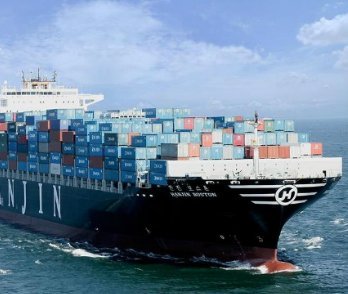
At present, containerized sea freight from China to North Korea is severely constrained by international sanctions and maritime compliance requirements. Most mainstream carriers either do not call at North Korean ports or apply strict restrictions on any cargo that could be linked to North Korea. As a result, standard commercial ocean freight services—such as FCL and LCL routes commonly available for other markets—are generally not accessible for North Korea. Any discussion of sea transport must begin with a detailed legal review to ensure that both the shipper and the cargo are fully compliant with all applicable sanctions and export control laws.
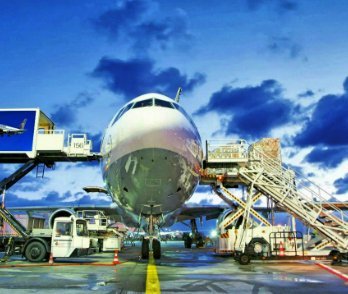
Air freight options from China to North Korea are also highly limited and are governed by stringent UN and national sanctions. Many airlines and logistics providers have suspended services or refuse shipments that are destined for, or may ultimately be diverted to, North Korea. In practice, this means routine commercial air cargo solutions commonly used for other destinations cannot be assumed to be available for North Korea. Before any air shipment could be considered, shippers must secure all required licenses and authorizations from relevant authorities, and the proposed cargo must be screened to ensure it is not restricted or sanctioned.
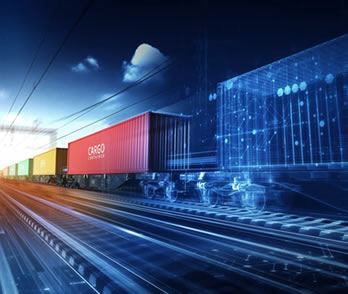
Under the current international sanctions environment, conventional door‑to‑door shipping services from China to North Korea are generally not feasible. End‑to‑end logistics—covering pickup in China, international transport, customs clearance, and last‑mile delivery within North Korea—would require multiple layers of regulatory approval, detailed customer and cargo screening, and formal exemptions or licenses. Only limited, highly controlled flows of humanitarian or otherwise specifically authorized goods may qualify, and these are usually handled under special arrangements rather than standard commercial door‑to‑door contracts.
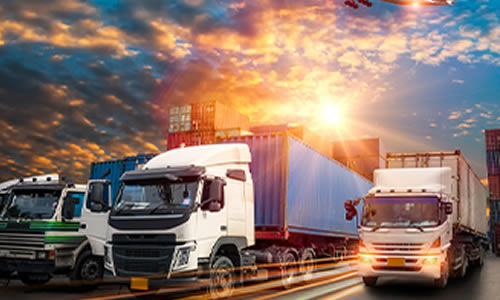
Full‑container‑load (FCL) shipping from China to North Korea is broadly restricted by global carriers and subject to extensive sanctions regulations. Most shipping lines do not accept bookings to North Korean ports, and containers moving through third countries cannot legally be used to circumvent these limitations. Any potential FCL move related to North Korea would need to be vetted for shipper identity, end‑user, cargo nature, and route, and would only be possible where clear legal exemptions and official licenses are in place. As a result, standard commercial FCL solutions to North Korea are, in practice, unavailable for most businesses.
Less‑than‑container‑load (LCL) shipping relies on shared containers and consolidated cargo destined for common gateways. In the case of North Korea, sanctions and carrier policies mean that LCL services from China to North Korea are effectively not offered in the regular commercial market. Consolidators and freight forwarders generally exclude North Korea from their destination lists to remain compliant with international regulations. Companies must therefore not plan on using typical LCL channels for North Korea, and should seek specialist legal advice before attempting any logistics arrangement involving this destination.
TJ China Logistics will provide most fuel efficient pickup service China
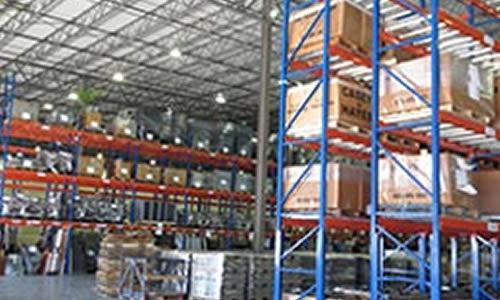
We provide free warehousing services for any of your goods.
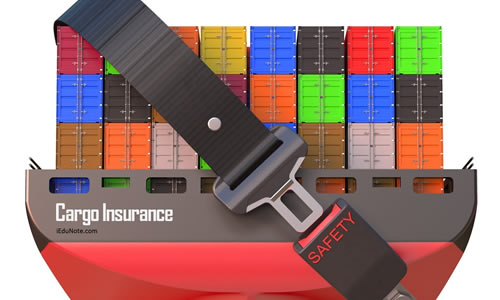
The cargo insurance protects your goods all the way to any Any FBA Warehouse

We handle all paperwork and other details for you.
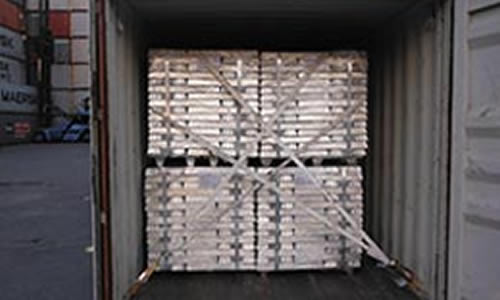
Ensure safe packaging and loading of goods in your suppliers' factory.
Shipping times from China to North Korea depend on the transport method, distance, and customs processing. Air freight is typically faster, taking 4–7 days, while sea freight usually requires 7–14 days. Customs regulations and logistical challenges can further impact delivery times, so it’s important to plan ahead and allow for potential delays.
Customs delays can significantly impact shipping times from China to North Korea. These delays may result from incomplete or incorrect documentation, inspection procedures, or regulatory compliance issues. Ensuring all paperwork is accurate and complete and having a clear understanding of North Korean customs regulations can help minimize delays and ensure a smoother shipping process.
Air freight is generally more expensive than sea freight due to its faster delivery time. Air shipments cost more per kilogram and are ideal for urgent or high-value goods. Sea freight, though slower, is more economical for larger shipments and bulk cargo, offering cost advantages for non-urgent deliveries.
Essential documentation for shipping from China to North Korea includes a commercial invoice, packing list, bill of lading (for sea freight), or air waybill (for air freight). Additional documents such as certificates of origin, export permits, and customs declarations may also be required, depending on the nature of the goods.
Shipping to North Korea is subject to stringent regulations and restrictions due to international sanctions. These restrictions may include bans on certain goods and additional compliance requirements. It is crucial to verify the current regulations and ensure that all shipments comply with international laws and sanctions to avoid legal issues.
Utilizing a freight forwarder offers several benefits, including expertise in navigating complex logistics, handling customs documentation, and managing shipping schedules. Freight forwarders can also provide advice on the best shipping methods, ensure compliance with regulations, and offer solutions to potential shipping challenges.
The choice of transport mode has a significant impact on shipping costs. Air freight is faster but more expensive, suitable for urgent deliveries or high-value items. Sea freight, while slower, is more cost-effective for large volumes or non-urgent shipments. Balancing speed and cost is key when choosing the appropriate transport mode.
Common challenges include navigating complex customs procedures, adhering to international sanctions, and managing logistical issues such as transportation delays and route restrictions. Additionally, the political and economic environment can impact shipping operations, requiring careful planning and flexibility.
Businesses can ensure compliance by thoroughly researching North Korean import regulations and obtaining up-to-date information from reliable sources. Collaborating with experienced freight forwarders and customs experts can also help in understanding and adhering to regulatory requirements, thus avoiding potential compliance issues.
To reduce risks, businesses should perform comprehensive risk assessments, use appropriate packaging, and obtain sufficient insurance coverage. Staying updated on regulatory changes, partnering with reputable freight forwarders, and maintaining clear communication with all parties involved further helps mitigate potential issues and ensures a smooth shipping process.
Code Quality is organized and readable, following consistent standards and logical structure. Components are modular enough for maintenance and scaling. Error handling is generally solid, and documentation is adequate. Increasing automated tests would further improve robustness.
Features Availability is strong and dependable, with most key functions accessible and working as expected. The feature set covers common user needs and supports efficient workflows. Navigation between features is smooth, though a few advanced tools could be easier to discover. Overall, coverage and stability are impressive.

Customer Support is reliable and courteous, providing timely replies and clear guidance. Staff demonstrate good product knowledge and handle issues with professionalism. Most requests are resolved effectively, with helpful follow-up. Expanding live support coverage would make the experience even better.