
Shipping from China to Peru

Services

What we do

Services

img

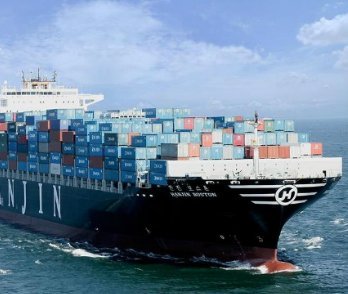
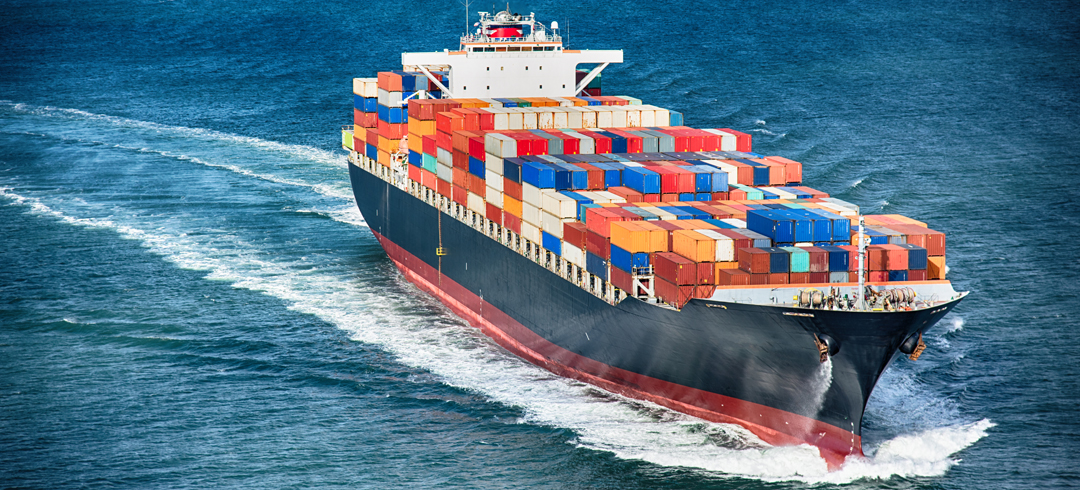
Sea Freight From China To Peru

TJ China Logistics provides reliable and cost-effective sea freight services from China to Peru’s principal ports and inland distribution centers. Through long-term cooperation with major carriers such as COSCO, OOCL, APL, EMC, Maersk (MSK), and HMM, we secure attractive contract rates and stable container capacity on key China–Peru and wider China–Latin America trade lanes. Whether you are shipping machinery, mining and project equipment, electronics, household goods, building materials, fertilizers and agricultural inputs, foodstuffs, textiles, or other general cargo, our ocean freight solutions are designed to ensure smooth, well-coordinated, and timely deliveries throughout Peru, including via ports such as Callao and other Pacific gateways.
img

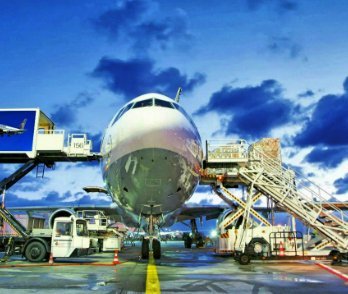
Air Freight From China To Peru

For urgent, high-value, or time-sensitive shipments, our air freight service offers fast and secure transportation from China to Peru. TJ China Logistics designs optimized flight routings to major Peruvian airports—such as Lima and key regional hubs—ensuring dependable transit times and professional cargo handling from origin to destination. From pickup at your supplier’s facility and export customs clearance in China to import procedures and final-mile delivery in Peru, we manage the complete air logistics process—ideal for medical supplies, pharmaceuticals, critical spare parts, high-tech components, precision instruments, premium electronics, samples, and other mission-critical cargo.

img

Door to Door Shipping from China to Peru

Our door-to-door shipping service delivers a comprehensive end-to-end logistics solution for businesses and individuals moving cargo from China to Peru. TJ China Logistics coordinates every stage of the shipment, including factory or warehouse pickup, export documentation, sea or air transportation, Peruvian customs clearance, and final delivery to your specified address. With full shipment visibility, proactive communication, and strong cooperation with local partners and trucking fleets across Peru, we ensure a seamless, hassle-free shipping experience from origin in China all the way to your door in Peru.
FCL Shipping from China To Peru

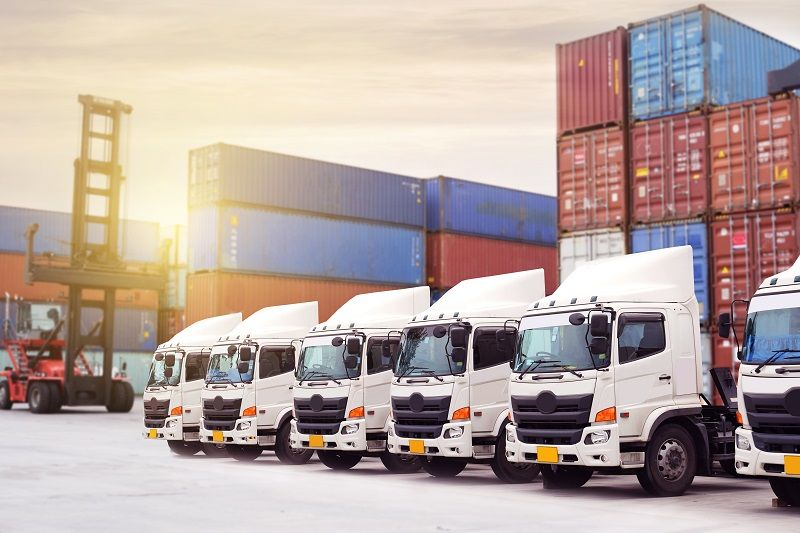
TJ China Logistics offers full-container-load (FCL) shipping backed by competitive carrier contracts and dependable container availability on China–Peru routes. Our team arranges container booking, supervises loading at the origin facility, manages export customs formalities, and organizes the ocean leg to your nominated Peruvian port, followed by inland trucking if required. FCL shipping is ideal for large-volume cargo such as construction materials, industrial and project machinery, mining and energy equipment, household goods, agricultural products, bulk commodities, textiles, and other shipments that require secure, dedicated, and consistent transportation.

LCL Shipping from China To Peru

For shipments that do not fill an entire container, our less-than-container-load (LCL) service provides a flexible and economical option from China to Peru. We consolidate multiple consignments at major Chinese ports, arrange ocean transport to Peru’s principal gateways, and then coordinate customs clearance and inland delivery to your consignee. LCL is particularly suitable for small and medium-sized enterprises, mixed-SKU consignments, aftermarket spare parts, e-commerce orders, samples, and seasonal goods, helping you control logistics costs while still benefiting from professional international freight services across Peru.

Features

More Services Shipping from China To Peru

img

Pickup and Delivery

TJ China Logistics will provide most fuel efficient pickup service China
img

Warehousing

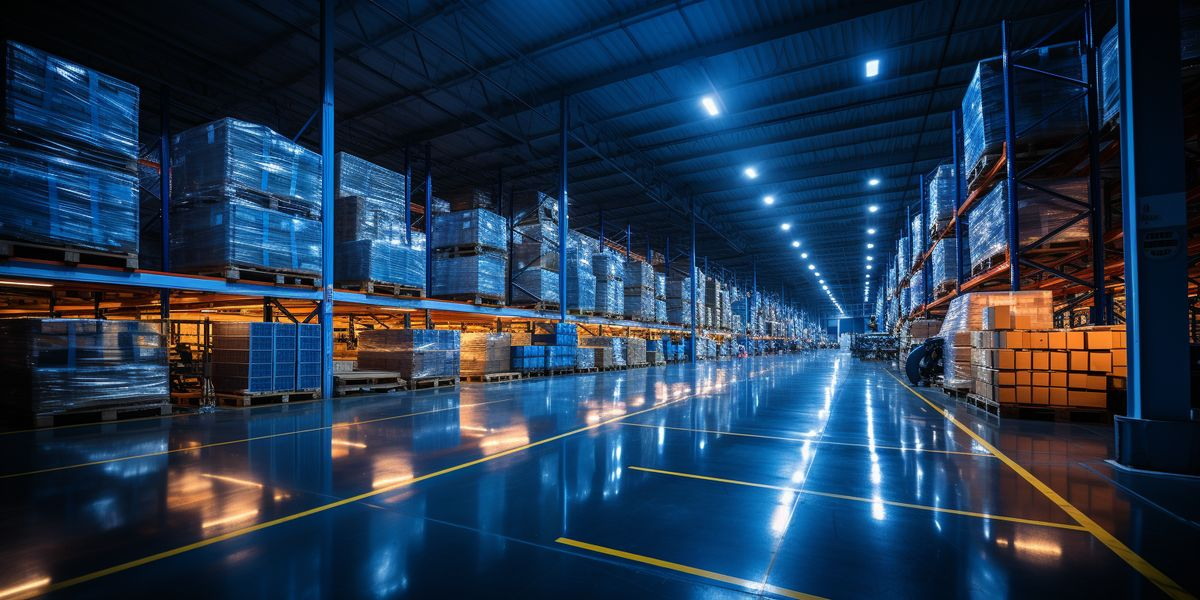
We provide free warehousing services for any of your goods.
img

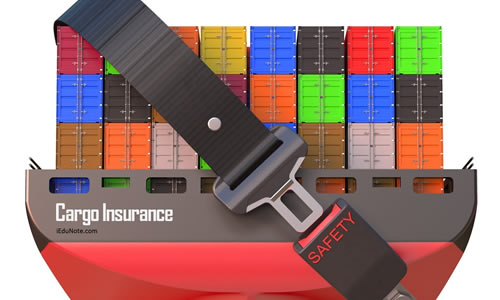
Cargo Insurance

The cargo insurance protects your goods all the way to any Any FBA Warehouse

img

Custom Clearance

We handle all paperwork and other details for you.

img

Loading Inspection

Ensure safe packaging and loading of goods in your suppliers' factory.
Here We Are

GET ANYTYPE QUOTE FROM HERE.

Your Best Freight Forwarder from China to Peru

  • Offer reliable and cost-effective ocean freight services from China to Peru
  • Deliver flexible and time-efficient air freight options from China to Peru
  • Provide expert export customs clearance and documentation services in China
  • Offer complimentary warehousing periods and customized consolidation and loading solutions
  • Ensure meticulous container loading supervision to safeguard your cargo
  • Arrange dependable pickup and inland trucking services within China
  • Provide responsive 24/7 online customer support for your China–Peru shipments
sea freight
What customers also want to know

Professional Shipping from China to Peru: The Ultimate FAQ Guide

The best shipping method from China to Peru depends on your priorities, including cost, transit time, and cargo type:

  • Air Freight: The fastest option, typically 5–10 days, ideal for urgent or high-value shipments, though it is the most expensive.
  • Sea Freight: The most economical choice, especially for large, heavy, or bulk cargo, with transit times of 30–40 days.
  • Express Couriers (DHL, UPS, FedEx): Offer a balance between speed and convenience, with delivery in 7–14 days and door-to-door service, at a higher cost than sea freight.

The right method depends on urgency, budget, shipment size, and value. Partnering with an experienced freight forwarder can help evaluate these factors and select the most efficient shipping option.

The main shipping routes from China to Peru include both sea and air freight options:

  • Sea Freight: Shipments typically depart from major Chinese ports such as Shanghai, Shenzhen, or Ningbo, cross the Pacific Ocean, pass through the Panama Canal, and arrive at the port of Callao in Peru.
  • Air Freight: Shipments usually depart from major Chinese airports such as Beijing Capital International or Shanghai Pudong, with direct or connecting flights arriving at Jorge Chávez International Airport in Lima.

These routes provide efficient and reliable transportation for goods between China and Peru.

Customs clearance involves several steps to ensure that goods comply with the import regulations of Peru. First, documentation such as the bill of lading, commercial invoice, packing list, and import licenses must be provided. The Peruvian customs authority will inspect the documentation and may physically inspect the goods. Import duties and taxes are then calculated based on the value of the goods. The importer must pay these fees before the goods are released. It's essential to work with a knowledgeable customs broker to navigate this process smoothly and avoid delays.

Shipping from China to Peru can present several challenges, including long transit times, customs clearance delays, and language barriers. Sea freight, while cost-effective, can take up to 40 days, and any delays at the Panama Canal can further extend this time. Customs clearance can be complicated by bureaucratic procedures and the need for accurate documentation. Language differences between Chinese suppliers and Peruvian importers can also lead to misunderstandings. Additionally, political and economic factors in both countries can impact shipping schedules and costs.

Shipping costs from China to Peru vary widely based on the shipping method, weight, and volume of the goods, and additional services required. Sea freight is generally cheaper, with costs ranging from $1,500 to $3,500 per container, depending on the size and type. Air freight is more expensive, with rates typically between $5 and $10 per kilogram. Express courier services offer a middle ground, with costs depending on the package size and weight. Additional costs may include insurance, customs duties, and taxes, which should be factored into the total shipping budget.

Ensuring the safety of shipments involves several strategies. First, choosing a reputable shipping company with a track record of reliable service is crucial. Proper packaging is essential to protect goods during transit, especially for fragile or valuable items. Using pallets and containers can provide additional protection. Insuring the shipment against loss or damage is also advisable. Tracking services offered by shipping companies allow businesses to monitor their shipments in real-time, providing peace of mind and the ability to respond quickly to any issues that arise.

Shipping delays can significantly impact businesses, causing stock shortages, production halts, and financial losses. For retailers, delayed shipments can result in empty shelves, lost sales, and dissatisfied customers. Manufacturers may face production downtime if essential components do not arrive on time. Delays can also increase costs, as businesses might need to find alternative suppliers or expedite shipping methods to compensate. Maintaining good communication with shipping partners and having contingency plans can help mitigate the impact of delays.

Several key documents are required for shipping goods from China to Peru. These typically include the commercial invoice, which details the sale transaction; the packing list, which itemizes the contents of the shipment; and the bill of lading, which serves as a contract between the shipper and carrier. Additional documents may include certificates of origin, insurance certificates, and import licenses. Accurate and complete documentation is crucial for smooth customs clearance and to avoid delays or penalties.

The choice of shipping company can significantly affect the shipping process in terms of cost, speed, and reliability. Reputable companies with extensive networks and experience in international shipping are likely to provide more reliable and efficient services. They can offer better customer support, more accurate tracking, and fewer delays. Conversely, choosing a less established company might result in lower costs but could lead to longer transit times, poor communication, and a higher risk of lost or damaged goods. It’s important to research and select a shipping company that meets the specific needs of your business.

You’re absolutely right—international shipping carries real environmental costs, mainly through carbon emissions, and the impact varies significantly by transport mode.

  • Sea freight is generally the most carbon-efficient option per unit of cargo, but because of the sheer volume of global maritime trade, it still contributes substantially to emissions, marine pollution, and fuel-related environmental impacts.
  • Air freight has the highest carbon footprint, as air transport is extremely energy-intensive. Even small shipments moved by air can generate disproportionately high emissions.

To reduce these impacts, businesses can take several practical steps:

  • Choose greener carriers that invest in fuel-efficient vessels, cleaner fuels, or modern aircraft.
  • Participate in carbon offset programs to balance unavoidable emissions.
  • Optimize shipment planning, such as consolidating cargo and selecting the most efficient routes and transport modes.
  • Reduce packaging and waste, using recyclable materials and avoiding unnecessary volume or weight.

By combining smarter logistics planning with environmentally responsible partners, companies can significantly lower the environmental footprint of their international shipping operations while maintaining efficiency and reliability.

Don’t Take Our Words for it

Listen to What Our Clients Say about Our Freight Forwarding Service

Features Availability

Features Availability is strong and dependable, with most key functions accessible and working as expected. The feature set covers common user needs and supports efficient workflows. Navigation between features is smooth, though a few advanced tools could be easier to discover. Overall, coverage and stability are impressive.

Warleman Joliues
Co-Founder Carion ltd

Code Quality

Code Quality is organized and readable, following consistent standards and logical structure. Components are modular enough for maintenance and scaling. Error handling is generally solid, and documentation is adequate. Increasing automated tests would further improve robustness.

Sakira K. Lilliam
Ceo of Axone

Design Quality

Design Quality is polished and consistent, offering a clean visual style and intuitive layout. Interface elements are well aligned and easy to understand. The user journey feels smooth and organized. Small visual refinements could further enhance the premium feel.

Jon D. William
Founder of Mixbix