
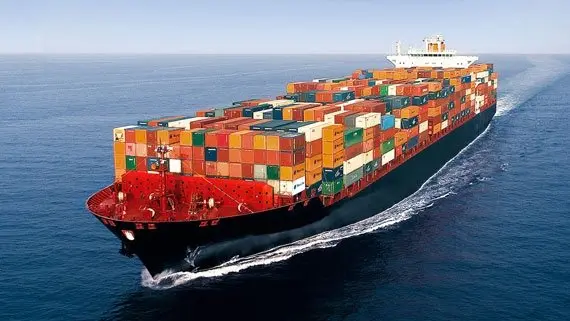
A steadily growing number of our clients are located in Suriname, making it an important market within our South American shipping network. TJ China Logistics has established long‑term contract rates with leading carriers such as COSCO, OOCL, APL, EMC, Maersk (MSK), and HMM. These strong partnerships enable us to secure competitive ocean freight rates and dependable capacity for shipments from China to Suriname’s main entry points and regional hubs.
With TJ China Logistics as your logistics partner, shipping goods from China to Suriname becomes simple and worry‑free. Once you share your shipment details, our experienced team will handle every step—factory pickup, export documentation, space booking, customs clearance, and final delivery in Suriname. Our objective is to be your most reliable and service‑oriented freight forwarder from China to Suriname. Request a competitive quote today.
TJ China Logistics offers dependable and economical sea freight services from China to Suriname, covering exports from all major Chinese ports. Through our long‑standing cooperation with carriers such as COSCO, OOCL, APL, EMC, Maersk (MSK), and HMM, we secure favorable freight rates and stable container space to Suriname via major transshipment hubs. Whether you are shipping electronics, furniture, textiles, building materials, machinery, or everyday consumer products, our sea freight solutions ensure safe loading, smooth transit, and efficient arrival of your cargo in Suriname.
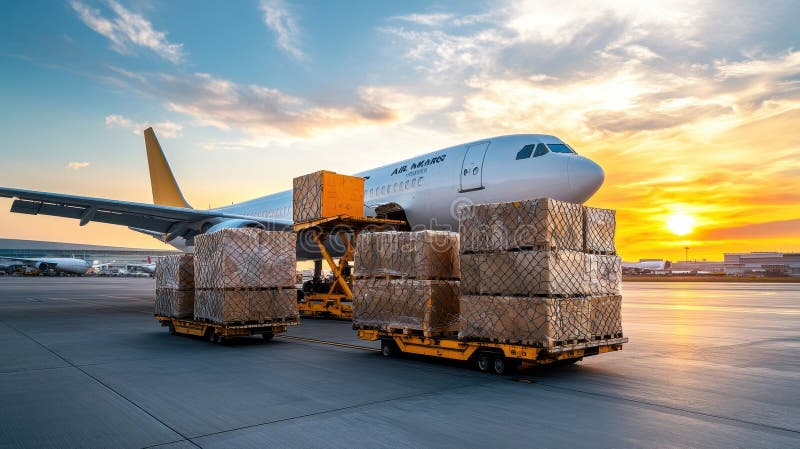
For urgent, high‑value, or time‑sensitive shipments, our air freight service from China to Suriname provides a fast and secure transportation option. TJ China Logistics designs optimal routes from key Chinese airports, coordinating closely with airlines and ground handling agents to keep your cargo moving on schedule to Suriname. From factory pickup and export customs clearance to arrival handling and final delivery, we manage the complete air logistics chain—ideal for medical supplies, urgent spare parts, premium electronics, samples, and other mission‑critical goods destined for Suriname.

Our door‑to‑door shipping service from China to Suriname is designed for businesses and individuals who prefer a fully managed, end‑to‑end logistics solution. TJ China Logistics takes care of factory pickup, consolidation, export paperwork, international sea or air transport, import coordination, and final delivery to your warehouse, office, or designated address in Suriname. With full shipment visibility, proactive status updates, and dependable local partners, we ensure a smooth and hassle‑free shipping experience from the door of your supplier in China to your door in Suriname.

TJ China Logistics provides full‑container‑load (FCL) shipping from China to Suriname, supported by competitive carrier contracts and consistent container availability. Our team books 20GP, 40GP, 40HQ, and special equipment, supervises loading at the factory or warehouse, and completes all export documentation before departure from China. FCL shipping is ideal for large‑volume cargo such as construction materials, heavy machinery, household goods, agricultural products, textiles, and industrial supplies that require dedicated space, higher security, and predictable transit times to Suriname.
For shipments that do not require a full container, our less‑than‑container‑load (LCL) service from China to Suriname offers a flexible and cost‑effective solution. We consolidate cargo from multiple shippers at major Chinese ports, arrange shared‑container ocean transport, and handle import procedures and final delivery at destination. LCL shipping is particularly suitable for small and medium‑sized enterprises, e‑commerce sellers, mixed‑SKU orders, and trial shipments, allowing you to access professional international logistics to Suriname while keeping freight costs under control.
TJ China Logistics will provide most fuel efficient pickup service China
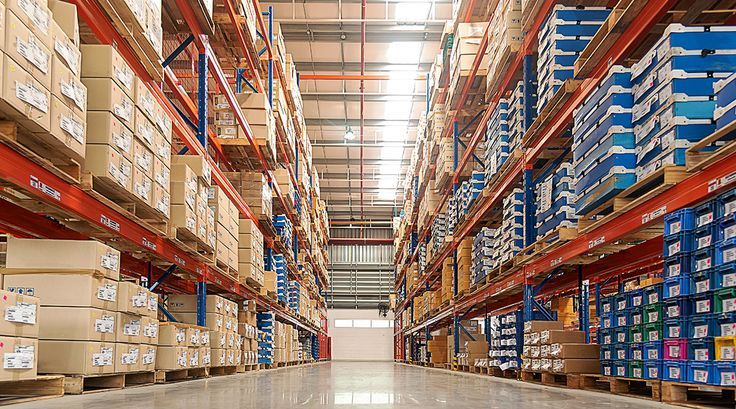
We provide free warehousing services for any of your goods.
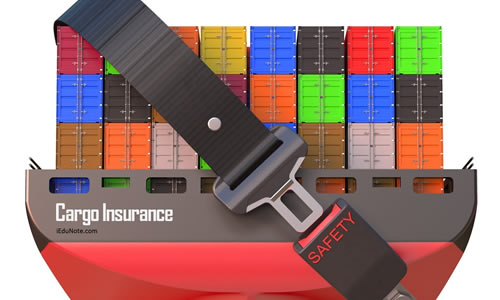
The cargo insurance protects your goods all the way to any Any FBA Warehouse

We handle all paperwork and other details for you.
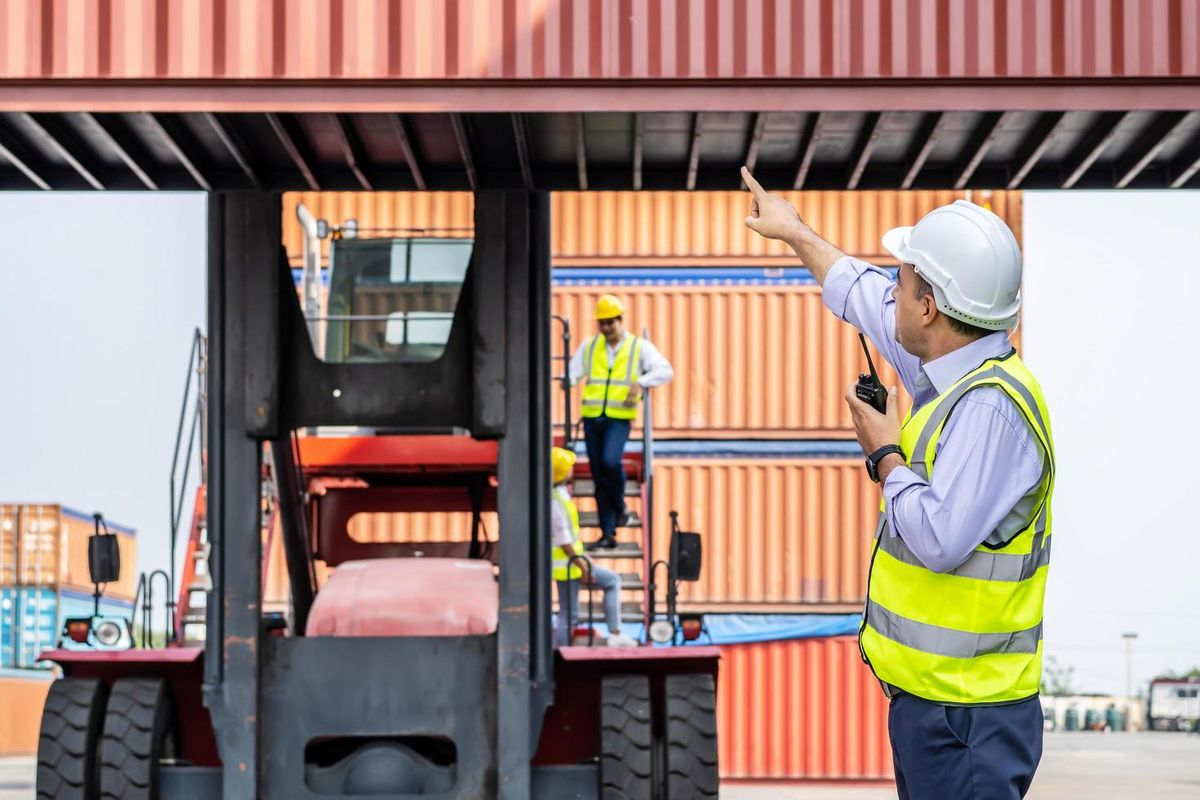
Ensure safe packaging and loading of goods in your suppliers' factory.
Transit schedules depend on a variety of factors, such as the selected mode of transport (air, sea, or courier), customs clearance efficiency, the carrier’s operational performance, seasonal fluctuations in shipping demand, and overall global logistics conditions. Generally, air freight provides the fastest delivery, with arrivals typically within 7 to 14 days, whereas sea freight is a more cost-effective option but takes longer, usually around 30 to 45 days.
Air freight is the quickest transport option, with delivery times commonly ranging from 7 to 14 days. This period generally covers packing, collection, flight transit, and customs clearance. Actual timelines may differ depending on the airline used, routing arrangements, and possible delays caused by customs procedures or congestion during peak shipping seasons.
Sea freight generally takes longer than air freight, with an average transit time of 30 to 45 days. This period includes the time spent at sea, port handling, customs clearance, and final delivery to the destination. Weather conditions and port congestion can also impact this time frame.
The efficiency and reliability of the shipping company play a crucial role in delivery times. Reputable companies with established logistics networks can often provide faster and more reliable service, ensuring timely pickup, transit, and delivery, as well as efficient handling of customs and documentation.
Yes, the shipping route significantly impacts the transit time. Direct routes with fewer stops or transshipments are generally faster. Indirect routes with multiple stops or transfers can add several days or even weeks to the overall shipping time due to additional handling and potential delays at intermediary ports.
Customs clearance is a critical step in the shipping process. Delays in customs can significantly extend the overall shipping time. Efficient documentation, accurate declarations, and prompt payment of duties and taxes can help expedite this process and reduce delays.
Seasonal factors such as peak shopping seasons (e.g., Chinese New Year, Christmas) can lead to increased shipping volumes and potential delays. During these periods, both air and sea freight services may experience congestion, resulting in longer transit and processing times.
Global logistics issues such as port congestion, labor strikes, pandemics, and geopolitical tensions can all disrupt normal shipping operations. These issues can lead to delays, increased shipping times, and higher costs due to rerouting, additional handling, and supply chain interruptions.
The choice between air freight and sea freight involves a trade-off between cost and time. Air freight is faster but more expensive, making it suitable for urgent or high-value shipments. Sea freight is more cost-effective for larger, non-urgent shipments, though it takes longer.
To achieve quicker delivery, work with a trusted shipping provider known for consistent performance, select direct routes whenever available, and ensure all required paperwork is completed accurately and in advance. For time-sensitive cargo, expedited shipping options can significantly reduce transit times. Staying aware of possible disruptions and scheduling shipments outside peak seasons can further help minimize delays and improve overall efficiency.
Design Quality is polished and consistent, offering a clean visual style and intuitive layout. Interface elements are well aligned and easy to understand. The user journey feels smooth and organized. Small visual refinements could further enhance the premium feel.

Code Quality is organized and readable, following consistent standards and logical structure. Components are modular enough for maintenance and scaling. Error handling is generally solid, and documentation is adequate. Increasing automated tests would further improve robustness.

Customer Support is reliable and courteous, providing timely replies and clear guidance. Staff demonstrate good product knowledge and handle issues with professionalism. Most requests are resolved effectively, with helpful follow-up. Expanding live support coverage would make the experience even better.