
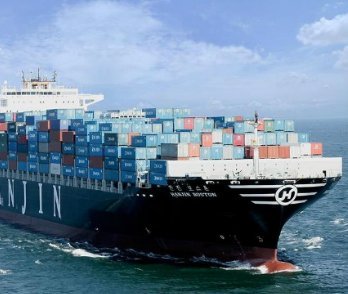
A steadily growing number of our customers are based in Guatemala, making it an important destination within our China–Central America logistics network. TJ China Logistics has secured long-term contract rates with leading global carriers such as COSCO, OOCL, APL, EMC, Maersk (MSK), and HMM. These strong partnerships enable us to offer highly competitive freight rates for shipments from China to Guatemala’s main seaports and logistics hubs.
With TJ China Logistics as your logistics partner, shipping goods from China to Guatemala becomes straightforward and worry-free. Once you entrust your cargo to us, our experienced team manages the entire process—from factory pickup and export documentation to customs clearance and final delivery to your address in Guatemala. Our goal is to be your most dependable freight forwarder from China to Guatemala. Request a competitive quote today.
TJ China Logistics provides reliable and cost-effective sea freight services from China to Guatemala’s principal ports and inland distribution centers. Through long-term cooperation with major carriers such as COSCO, OOCL, APL, EMC, Maersk (MSK), and HMM, we secure attractive contract rates and stable container capacity on key China–Central America and broader China–Latin America trade lanes. Whether you are shipping electronics, household goods, textiles, machinery, building materials, agricultural inputs, or other general cargo, our ocean freight solutions are designed to ensure smooth, well-coordinated, and timely deliveries throughout Guatemala.

For urgent, high-value, or time-sensitive shipments, our air freight service offers fast and secure transportation from China to Guatemala. TJ China Logistics designs optimized flight routings to major Guatemalan airports and nearby regional hubs, ensuring dependable transit times and professional cargo handling from origin to destination. From pickup at your supplier’s facility and export customs clearance in China to import procedures and final-mile delivery in Guatemala, we manage the complete air logistics process—ideal for medical supplies, pharmaceuticals, critical spare parts, precision instruments, premium electronics, samples, and other mission-critical cargo.

Our door-to-door shipping service provides a comprehensive end-to-end logistics solution for businesses and individuals moving cargo from China to Guatemala. TJ China Logistics coordinates every stage of the shipment, including factory or warehouse pickup, export documentation, sea or air transportation, Guatemalan customs clearance, and final delivery to your specified address. With full shipment visibility, proactive communication, and strong cooperation with local partners across Guatemala, we ensure a seamless, hassle-free shipping experience from origin in China all the way to your door in Guatemala.

TJ China Logistics offers full-container-load (FCL) shipping backed by competitive carrier contracts and dependable container availability on China–Guatemala routes. Our team arranges container booking, supervises loading at the origin facility, handles export customs formalities, and organizes the ocean leg to your nominated Guatemalan port, followed by inland transport if required. FCL shipping is ideal for large-volume cargo such as construction materials, industrial and project machinery, household goods, agricultural products, textiles, and other shipments that require secure, dedicated, and consistent transportation.
For shipments that do not fill an entire container, our less-than-container-load (LCL) service offers a flexible and economical option from China to Guatemala. We consolidate multiple consignments at major Chinese ports, arrange ocean transport to Guatemala’s principal gateways or nearby regional hubs, and then coordinate customs clearance and inland delivery to your consignee. LCL is particularly suitable for small and medium-sized enterprises, mixed-SKU consignments, e-commerce orders, samples, and seasonal goods, helping you control logistics costs while still benefiting from professional international freight services.
TJ China Logistics provides the most fuel-efficient pickup service in China, combining cost savings with eco-friendly practices.
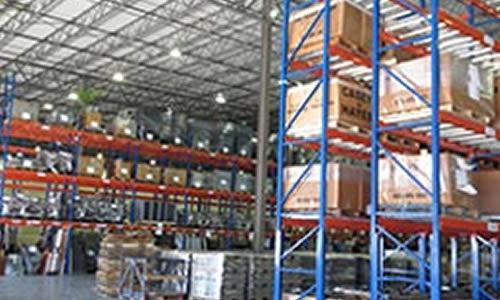
We offer free warehousing for all your goods.
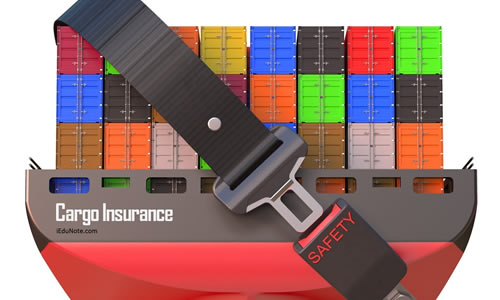
Cargo insurance covers your goods all the way to any FBA warehouse.

We handle all paperwork and other details for you.
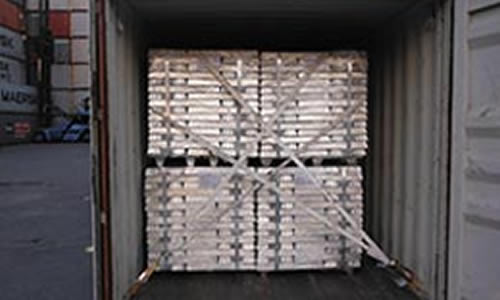
Ensure safe packaging and loading of goods in your suppliers' factory.

The cost of shipping a container from China to Guatemala is influenced by several important factors:
Container Type: Pricing varies depending on whether you choose a 20-foot container, a 40-foot container, or a high-cube container, which offers additional height compared to standard containers.
Shipping Method: The selected transport option—sea freight, air freight, or a combined sea–air solution—plays a major role in overall cost. Sea freight is generally more cost-effective but slower, while air freight offers faster transit at a higher price.
Ports of Origin and Destination: Rates are affected by the specific ports involved. Shipments departing from major Chinese ports such as Shanghai or Shenzhen and arriving at Guatemalan ports like Puerto Quetzal or Santo Tomás de Castilla may differ in cost.
Shipping Line or Freight Forwarder: Prices vary among carriers and freight forwarders. Comparing multiple quotes and choosing a provider with experience on the China–Guatemala route is advisable.
Fuel Surcharges and Additional Fees: Extra charges may apply, including fuel surcharges, port fees, terminal handling charges, and other miscellaneous costs, which can differ by carrier and port.
Based on recent estimates, shipping a 20-foot FCL container from major Chinese ports to Guatemala typically ranges from USD 1,500 to 3,500. A 40-foot FCL container usually costs between USD 3,000 and 7,000 or more, depending on market conditions and shipment details.
For accurate cost planning, request quotes from several shipping lines or freight forwarders and account for additional expenses such as customs duties, taxes, and inland transportation within Guatemala.
The transit time for shipping a container from China to Guatemala depends largely on the selected transportation method.
Sea Freight: Shipping by sea from major Chinese ports such as Shanghai or Shenzhen to Guatemalan ports like Puerto Quetzal or Santo Tomás de Castilla typically takes between 20 and 40 days. Actual transit times may vary based on the ports involved, weather conditions, routing, and possible customs delays.
Air Freight: Air freight offers much faster delivery but at a higher cost. Shipments sent by air from China to Guatemala usually arrive within 3 to 10 days, depending on flight availability and customs clearance procedures.
These timeframes are approximate and can be affected by factors such as carrier schedules, vessel routing, port congestion, and seasonal demand. For the most accurate and up-to-date transit information, it is recommended to consult your shipping company or freight forwarder regarding your specific shipment from China to Guatemala.
Exporting a container from China to Guatemala involves several key steps:
Prepare Your Goods: Ensure your goods are properly packaged and labeled according to international shipping standards. Consider any special handling requirements based on the nature of your products.
Choose a Freight Forwarder or Shipping Line: Select a reputable freight forwarder or shipping line that offers services from China to Guatemala. Compare rates, services, and transit times to choose the best option for your shipment.
Book Your Shipment: Contact your chosen freight forwarder or shipping line to book space for your container. Provide details such as the type of container (20ft, 40ft, etc.), estimated weight, volume, and desired shipping dates.
Prepare Export Documentation: Gather and prepare all necessary export documentation, including:
Customs Clearance in China: Work with your freight forwarder or customs broker to complete export customs clearance procedures in China. Ensure all documentation is accurate and compliant with Chinese export regulations.
Transportation to Port: Arrange inland transportation of your goods from your supplier's location or warehouse to the port of loading in China (e.g., Shanghai, Shenzhen).
Loading and Shipping: Your freight forwarder or shipping line will handle the loading of your container onto the vessel at the port of origin in China. Ensure proper documentation (such as the BL) is issued and available before departure.
Transit to Guatemala: Monitor the transit of your container from China to Guatemala. Your freight forwarder or shipping line should provide tracking updates and notify you of any delays or changes in schedule.
Customs Clearance in Guatemala: Upon arrival at the port in Guatemala (e.g., Puerto Quetzal, Santo Tomas de Castilla), your goods will undergo customs clearance. Prepare all necessary import documentation and work with a customs broker if needed to facilitate smooth clearance.
Delivery and Distribution: Arrange for transportation and delivery of your goods from the port to their final destination within Guatemala. Coordinate with local transport services or warehouses as necessary.
By following these steps and working closely with experienced logistics partners, you can ensure a successful export of your container from China to Guatemala, complying with all relevant export and import regulations along the way.
Arranging air freight from China to Guatemala involves several steps:
Contact Freight Forwarders: Reach out to freight forwarding companies that specialize in air freight services from China to Guatemala. Companies like TJ China Logistics can assist you in this process.
Provide Details: Provide detailed information about your shipment, including the type of goods, dimensions, weight, and any special requirements.
Get Quotes: Request quotes from multiple freight forwarders to compare prices and services. Consider factors such as transit time, handling fees, and any additional services offered.
Choose a Carrier: Once you've received quotes, choose a carrier based on your budget and shipping requirements. Freight forwarders can help you select the best carrier for your needs.
Prepare Documentation: Prepare the necessary documentation for your shipment, including commercial invoices, packing lists, and any required permits or certificates.
Schedule Pickup: Coordinate with the freight forwarder to schedule the pickup of your goods from your supplier or warehouse in China.
Track Shipment: Monitor the progress of your shipment using the tracking information provided by the freight forwarder. This allows you to stay informed about the status of your goods in transit.
Customs Clearance: Ensure that all customs clearance procedures are completed correctly to avoid delays in Guatemala. Your freight forwarder can assist with customs documentation and clearance processes.
Delivery: Once your shipment arrives in Guatemala, arrange for the final delivery to your desired destination, whether it's a warehouse, distribution center, or directly to your customer.
By following these steps and working with a reputable freight forwarder, you can arrange air freight from China to Guatemala efficiently and effectively.
Arranging sea shipping from China to Guatemala involves several steps:
Contact Freight Forwarders: Reach out to freight forwarding companies that specialize in sea freight services from China to Guatemala. Companies like TJ China Logistics can assist you in this process.
Provide Shipment Details: Provide detailed information about your shipment, including the type of goods, dimensions, weight, and any special requirements.
Get Quotes: Request quotes from multiple freight forwarders to compare prices and services. Consider factors such as transit time, shipping routes, handling fees, and any additional services offered.
Choose a Shipping Method: Decide between full container load (FCL) or less than container load (LCL) shipping based on the volume of your goods. FCL is suitable for large shipments that can fill an entire container, while LCL is cost-effective for smaller shipments.
Select a Shipping Route: Choose the most suitable shipping route from China to Guatemala. The route may involve transshipment at intermediate ports depending on the shipping line and service chosen.
Prepare Documentation: Prepare the necessary documentation for your shipment, including a commercial invoice, packing list, bill of lading, and any required permits or certificates.
Schedule Pickup and Delivery: Coordinate with the freight forwarder to schedule the pickup of your goods from your supplier or warehouse in China and arrange for delivery to the port of loading.
Customs Clearance: Ensure that all customs clearance procedures are completed correctly to avoid delays in Guatemala. Your freight forwarder can assist with customs documentation and clearance processes.
Track Shipment: Monitor the progress of your shipment using the tracking information provided by the freight forwarder. This allows you to stay informed about the status of your goods in transit.
Receive Shipment: Once your shipment arrives in Guatemala, arrange for the customs clearance and delivery to your desired destination, whether it's a warehouse, distribution center, or directly to your customer.
By following these steps and working with a reputable freight forwarder, you can arrange sea shipping from China to Guatemala efficiently and effectively.
Air shipping from China to Guatemala is ideal for urgent shipments that require fast delivery. Here are some scenarios when air shipping is preferable:
Time-sensitive Goods: If you need to transport perishable goods, high-value items, or time-sensitive products, air shipping ensures rapid delivery to Guatemala.
Small Shipments: Air freight is suitable for smaller shipments that do not fill a full container. It offers a faster transit time compared to sea shipping, making it cost-effective for smaller volumes.
Just-in-Time Inventory: For businesses practicing just-in-time inventory management, air shipping allows for quick replenishment of stock to meet customer demand without maintaining excess inventory.
Emergency Shipments: In case of unforeseen circumstances such as production delays, stockouts, or urgent customer orders, air shipping provides a quick solution to expedite the delivery process.
High-Value Goods: For high-value or fragile items where security and safety are paramount, air shipping offers a secure mode of transportation with minimal handling and reduced risk of damage or theft.
Market Testing: When testing new products or entering new markets in Guatemala, air shipping allows for faster market penetration and feedback gathering compared to slower sea freight options.
Seasonal Demand: During peak seasons or holiday periods when demand surges, air shipping helps meet customer demands promptly and ensures timely delivery to Guatemala.
Trade Shows or Exhibitions: For businesses participating in trade shows, exhibitions, or events in Guatemala, air shipping ensures that promotional materials, samples, or exhibition displays arrive on time.
By leveraging air shipping services for these scenarios, businesses can meet their delivery deadlines, minimize inventory holding costs, and maintain customer satisfaction levels in Guatemala.
When importing goods from China to Guatemala, the amount of tax and duty you need to pay depends on various factors, including the type of goods, their value, and the applicable customs regulations. Here's a general overview of the taxes and duties you may encounter:
Import Duty: Guatemala imposes import duties on various goods, and the rates can vary depending on the product category and its tariff classification under the Harmonized System (HS) code. Import duties are typically calculated as a percentage of the customs value of the goods.
Value Added Tax (VAT): Guatemala applies a Value Added Tax (VAT), known as Impuesto al Valor Agregado (IVA), on most imported goods. The standard VAT rate is 12%, calculated based on the customs value of the imported goods, including any applicable duty.
Additional Taxes or Fees: Some specific goods may be subject to additional taxes, fees, or surcharges based on their nature or intended use. These could include excise taxes, environmental taxes, or licensing fees, among others.
Customs Processing Fees: Guatemala may charge customs processing fees for handling and processing imported goods. These fees are separate from taxes and duties and are typically charged based on the customs clearance process.
Free Trade Agreements (FTAs): Guatemala has free trade agreements with certain countries, which may entitle imports from those countries to preferential treatment or reduced duty rates. If your goods originate from a country with which Guatemala has an FTA, you may benefit from lower or zero-duty rates.
To determine the exact amount of tax and duty payable for your specific import shipment, it's advisable to consult with a customs broker or freight forwarder experienced in importing goods into Guatemala. They can provide detailed guidance based on the specific characteristics of your goods and help ensure compliance with customs regulations while minimizing duty costs.
When deciding between Less than Container Load (LCL) and Full Container Load (FCL) shipping from China to Guatemala, consider the following factors to determine which option is most suitable for your shipment:
Volume of Goods: If you have enough cargo to fill a container, FCL is typically more cost-effective and efficient compared to LCL. FCL allows you to have exclusive use of a container, avoiding the need for consolidation and deconsolidation of goods.
Cost Considerations: Compare the costs of LCL and FCL shipping based on the volume and weight of your shipment. While FCL may have a higher base cost, it can be more economical on a per-unit basis for larger shipments. However, if you have a smaller volume of goods, LCL may be more cost-effective as you only pay for the space you use within a container.
Urgency: If your shipment is time-sensitive and you need faster transit times, consider using FCL. FCL shipments typically have shorter transit times compared to LCL, as there is no need for consolidation or deconsolidation at intermediate points.
Cargo Characteristics: Consider the nature of your cargo, its fragility, and any special handling requirements. FCL provides more control over the handling and stowage of goods, which may be advantageous for delicate or sensitive cargo. Additionally, if your goods require temperature-controlled or specialized equipment, FCL may be the preferred option.
Frequency of Shipments: If you have regular shipments with varying volumes, LCL may offer more flexibility. With LCL, you can ship smaller quantities more frequently without waiting to fill a full container. This can help you maintain a consistent supply chain and inventory management system.
Security and Risk Management: FCL shipments offer enhanced security and reduced risk of damage or loss compared to LCL. With FCL, your goods are not handled as frequently, minimizing the risk of damage during transit.
Ultimately, the choice between LCL and FCL depends on your specific shipping needs, volume of goods, budget, and other factors. It's advisable to work with your freight forwarder or shipping agent to assess your options and determine the most suitable shipping method for your shipment from China to Guatemala.
When shipping goods from China to Guatemala, tracking your shipment is crucial for staying informed about its status and ensuring timely delivery. Here's how you can track your shipment effectively:
Tracking Number: Obtain the tracking number or reference code provided by your shipping carrier or freight forwarder. This unique identifier is essential for tracking your shipment throughout its journey.
Online Tracking Tools: Most shipping companies and logistics providers offer online tracking tools on their websites. Visit the official website of your chosen carrier and locate the "Track Shipment" or "Track & Trace" section. Enter your tracking number into the designated field to access real-time updates on your shipment's location and status.
Mobile Apps: Many shipping companies also offer mobile applications for tracking shipments on the go. Download the relevant app from the App Store or Google Play Store, log in with your account credentials, and enter the tracking number to monitor your shipment from your smartphone or tablet.
Email Notifications: Opt-in to receive email notifications or alerts from your shipping carrier. These notifications can include updates on shipment milestones, such as departure from origin, arrival at transit hubs, customs clearance status, and estimated delivery dates.
Customer Service: If you encounter any issues or require additional assistance with tracking your shipment, don't hesitate to contact the customer service team of your shipping carrier. They can provide personalized assistance, address any concerns, and offer updates on your shipment's progress.
By utilizing these tracking methods and staying informed throughout the shipping process, you can effectively monitor your shipment's journey from China to Guatemala and ensure a smooth delivery experience.
Here are ten key container shipping routes from China to Guatemala, selected for their efficiency and reliability:
Choosing the Right Route: These routes are selected for their frequency, reliability, and strategic advantages. To determine the most suitable route for your shipment, it’s recommended to consult with shipping lines or freight forwarders. They can provide tailored guidance based on your cargo type, schedule, and logistical requirements, ensuring the most efficient shipping solution.
Code Quality is organized and readable, following consistent standards and logical structure. Components are modular enough for maintenance and scaling. Error handling is generally solid, and documentation is adequate. Increasing automated tests would further improve robustness.
Features Availability is strong and dependable, with most key functions accessible and working as expected. The feature set covers common user needs and supports efficient workflows. Navigation between features is smooth, though a few advanced tools could be easier to discover. Overall, coverage and stability are impressive.

Design Quality is polished and consistent, offering a clean visual style and intuitive layout. Interface elements are well aligned and easy to understand. The user journey feels smooth and organized. Small visual refinements could further enhance the premium feel.