
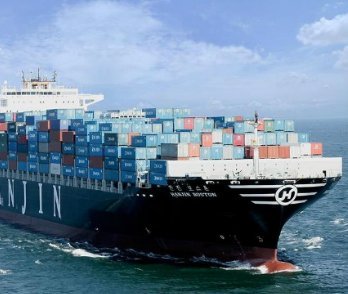
Shipping from China to Aruba

Services

What we do

Services

img

Sea Freight From China To Aruba

TJ China Logistics offers dependable and cost-effective sea freight services from China to Aruba, using major regional hubs in the Caribbean and Latin America as transshipment points. By working closely with carriers such as COSCO, OOCL, APL, EMC, Maersk (MSK), and HMM, we secure attractive contract rates and stable container availability throughout the year. Whether you are shipping electronics, furniture, textiles, hotel supplies, construction materials, or general consumer goods, our sea freight solutions ensure smooth, safe, and efficient delivery of your cargo from China to Aruba.

img

Air Freight From China To Aruba

For urgent, high-value, or time-sensitive cargo, our air freight service from China to Aruba provides a fast and secure transport option. TJ China Logistics carefully plans optimal flight routes from major Chinese airports to regional air hubs with onward connections to Aruba, balancing transit time and cost according to your needs. From pickup at the factory and export formalities in China to import customs and final delivery in Aruba where feasible, we manage the entire air logistics chain—ideal for medical supplies, spare parts, electronics, samples, and other mission-critical shipments.

img

Door to Door Shipping from China to Aruba

Our door-to-door shipping service from China to Aruba delivers a complete end-to-end logistics solution tailored for businesses and individual buyers on the island. TJ China Logistics arranges factory pickup in China, prepares export documentation, books sea or air transport, and coordinates customs clearance and local delivery in Aruba through trusted regional partners. With full shipment visibility, proactive updates, and strong local coordination, we provide a seamless and hassle-free shipping experience from the supplier’s door in China to your doorstep in Aruba.

FCL Shipping from China To Aruba

TJ China Logistics provides full-container-load (FCL) shipping from China to Aruba, supported by competitive carrier contracts and reliable container availability. Our team takes care of container booking at major Chinese ports, supervises loading at the factory or warehouse, completes export formalities, and oversees the ocean transport via key transshipment hubs to Aruba. FCL shipping is the ideal choice for large-volume cargo such as construction materials, machinery, household goods, hotel and resort equipment, textiles, and industrial supplies that require secure, dedicated container space and consistent transit times.

LCL Shipping from China To Aruba

For smaller consignments, our less-than-container-load (LCL) service from China to Aruba offers a flexible and economical logistics solution. We consolidate your shipments at major Chinese ports, organize ocean transport via regional hubs to Aruba, and handle customs clearance and final delivery where services are available. LCL is a perfect fit for SMEs, mixed-SKU shipments, e-commerce sellers, and businesses that want to control logistics costs while still enjoying professional international freight services without needing to book a full container.

Features

More Services Shipping from China To Aruba

img

Pickup and Delivery

TJ China Logistics will provide most fuel efficient pickup service China
img

Warehousing

We provide free warehousing services for any of your goods.
img

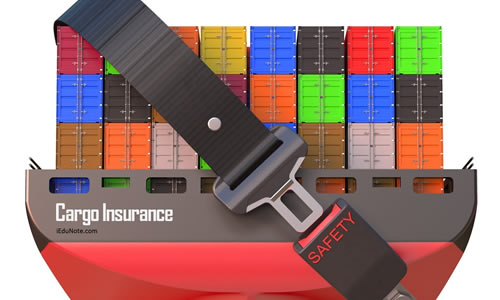
Cargo Insurance

The cargo insurance protects your goods all the way to any Any FBA Warehouse

img

Custom Clearance

We handle all paperwork and other details for you.
img

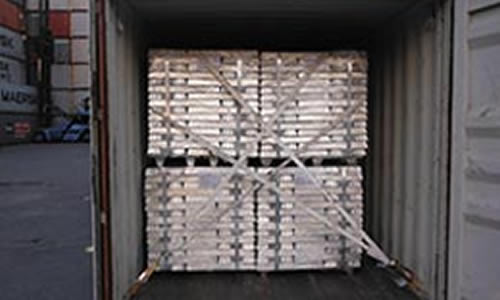
Loading Inspection

Ensure safe packaging and loading of goods in your suppliers' factory.

Here We Are

GET ANYTYPE QUOTE FROM HERE.

Your Best Freight Forwarder from China to Aruba

  • Offer premier ocean freight services from China to Aruba
  • Deliver competitive air freight options from China to Aruba
  • Provide expert customs clearance services in China
  • Offer complimentary warehouse facilities and tailored loading solutions
  • Ensure meticulous container loading supervision
  • Provide reliable pickup and delivery services within China
  • Offer 24/7 online customer support
Sea_Freight
What customers also want to know

Professional Shipping from China to Aruba: The Ultimate FAQ Guide

Transit times for shipments from China to Aruba vary based on factors such as the transport method, chosen carrier, customs procedures, and unforeseen delays. Air freight is generally the fastest option, typically taking 5 to 15 business days, while sea freight, though more cost-effective, usually requires 20 to 40 days or longer. For precise delivery estimates, consult your freight forwarder or carrier, who can provide guidance tailored to your shipment and preferred shipping method.

The cost of shipping from China to Aruba depends on several key factors, including the weight and dimensions of your shipment, the chosen shipping method, and the carrier or freight forwarder handling your cargo.

Air freight offers faster delivery but is generally more expensive, while sea freight provides a cost-effective option for larger or less time-sensitive shipments. Express courier services such as DHL, FedEx, or UPS deliver goods quickly, though at a premium rate.

For an accurate cost estimate, contact shipping carriers or freight forwarders with your shipment details. By comparing quotes from multiple providers, you can select the most efficient and cost-effective shipping solution for your needs.

Shipping goods from China to Aruba involves choosing the right method based on your needs. Here’s a breakdown of available options:

Air Freight: This is the quickest option, perfect for urgent or smaller shipments. Although air freight is pricier than sea freight, it guarantees faster delivery. To arrange air transport, consult with airlines or specialized freight forwarders. Request quotes to select the best service.

Sea Freight: For larger shipments that are not time-sensitive, sea freight is a cost-effective choice. You can opt for full container load (FCL) or less than container load (LCL). Contact freight forwarders or shipping companies for booking and logistics support.

Express Courier Services: Companies like DHL, FedEx, and UPS offer fast, reliable delivery for smaller packages. These services handle everything from pickup to delivery. Utilize their online platforms or contact them directly to schedule your shipment.

Steps to Ship from China to Aruba:

  1. Prepare Your Shipment: Ensure your items are securely packaged and comply with customs regulations.
  2. Choose a Shipping Method: Decide whether air freight, sea freight, or courier services best suit your cost, urgency, and size requirements.
  3. Find a Shipping Provider: Reach out to shipping companies or freight forwarders to obtain quotes and make arrangements. Provide details such as weight, dimensions, and contents.
  4. Prepare Shipping Documents: Complete all necessary paperwork, including invoices, packing lists, and customs forms to facilitate smooth customs clearance.
  5. Track Your Shipment: Use tracking options provided by freight forwarders or couriers to monitor your shipment’s progress.
  6. Clear Customs: Ensure that your shipment clears customs in Aruba by having all required documentation and paying any applicable duties or taxes.
  7. Receive Your Shipment: After customs clearance, your shipment will be delivered to its final destination in Aruba.

For a seamless shipping experience, rely on TJ China Logistics. Our expertise ensures your logistics needs are met with efficiency and reliability.

Arranging air freight from China to Aruba requires careful planning to ensure smooth and efficient shipping. Aruba, a Caribbean island in the Kingdom of the Netherlands, necessitates meticulous handling for a seamless shipping experience.

  1. Choose a Freight Forwarder: Opt for a reputable freight forwarder with expertise in international air freight and experience in shipping to Aruba. A forwarder with a strong network and reliable service is essential.

  2. Provide Shipment Information: Submit detailed shipment information, including the origin (China), destination (Aruba), type of goods, dimensions, weight, and any special handling requirements.

  3. Request a Freight Quote: Obtain a quote from your selected forwarder. The quote should cover shipping costs, surcharges, and estimated transit time. Compare different quotes to ensure competitive pricing.

  4. Prepare Export Documentation: Collaborate with your forwarder to prepare the necessary export documents for customs clearance in China. These documents typically include a commercial invoice, packing list, airway bill (AWB), and any required certificates or permits.

  5. Arrange Pickup or Delivery: Organize the pickup of your goods from the supplier’s location in China and arrange for transportation to the departure airport. Your forwarder can assist with inland transportation if necessary.

  6. Complete Customs Clearance in China: Ensure that all export customs procedures are finalized before departure. Your forwarder will manage this process and ensure compliance with relevant export regulations.

  7. Book Flight and Manage Routing: Your forwarder will book a suitable flight from China to Aruba and handle logistics and routing according to your shipping requirements.

  8. Track Your Shipment: Utilize the provided tracking information to monitor your shipment’s progress. Maintain communication with your forwarder for updates and notifications.

  9. Clear Customs in Aruba: Upon arrival in Aruba, your shipment will go through customs clearance. Your forwarder will assist with import procedures and ensure all necessary documentation is submitted to customs officials.

  10. Arrange Delivery: Once customs clearance is complete, your forwarder will coordinate delivery to the final destination in Aruba. Ensure you communicate with the recipient to confirm timely receipt.

  11. Follow Up: After delivery, confirm that the recipient has received the shipment and address any potential issues or concerns.

By selecting a dependable freight forwarder, you can effectively manage the air freight process from China to Aruba, ensuring efficient and compliant shipping.

Calculating shipping costs from China to Aruba involves several important steps. Start by gathering your package details, including weight, dimensions, and value.

Next, determine the shipping method that best fits your requirements, such as air freight, sea freight, or express courier services.

Choose a reliable carrier or freight forwarder offering services from China to Aruba. Popular choices include DHL, FedEx, UPS, and other specialized freight forwarders.

Request quotes from these carriers based on your package details, including the origin (China), destination (Aruba), weight, dimensions, and any additional services like insurance or customs clearance.

Compare the quotes to find the most economical shipping option for your needs.

Be mindful of potential additional charges, such as customs duties, taxes, handling fees, and surcharges, which may vary based on your shipment's specifics and regulations.

Finalize your shipment by selecting a carrier, providing required documentation, arranging for pickup or drop-off, and completing the payment process.

Monitor your shipment’s progress to ensure it arrives in Aruba on schedule.

By following these steps, you can accurately calculate shipping costs from China to Aruba and ensure a seamless delivery process.

Air shipping from China to Aruba is preferred in several scenarios:

Urgency: When you need your goods to reach Aruba quickly, air shipping is the best choice. It is much faster than sea freight, with transit times usually ranging from 5 to 15 business days.

High-Value or Perishable Goods: For high-value or perishable items, air shipping is ideal. It ensures faster delivery, reducing the risk of damage or spoilage during transit.

Small or Lightweight Shipments: Air shipping can be cost-effective for small or lightweight shipments. Despite higher rates compared to sea freight, the lower volume can offset the costs.

Just-in-Time Inventory: Businesses with a just-in-time inventory model benefit from air shipping. It allows quick stock replenishment, minimizing inventory holding costs.

Seasonal Demand or Peak Periods: During peak seasons or holidays, air shipping avoids delays caused by sea freight congestion, ensuring timely delivery to Aruba.

Emergency Shipments: In emergencies, such as unexpected demand spikes or supply chain disruptions, air shipping provides a fast solution to meet immediate needs.

Overall, air shipping offers speed and reliability for time-sensitive shipments from China to Aruba. Consider both costs and benefits when choosing air freight.

When importing goods from China to Aruba, you need to account for various taxes and duties. Here’s a brief overview:

Customs Duties: Customs duties are based on the customs value of the goods, including cost, insurance, and freight charges. Rates vary by the type of goods and are set by Aruban customs authorities. Check with the Aruba Customs Department or their tariff schedule for specific rates.

Value-Added Tax (VAT): Imported goods usually incur VAT, calculated on the customs value plus any customs duties. Aruba's standard VAT rate is 6%, though some goods might be exempt or eligible for reduced rates.

Other Taxes and Fees: Additional charges may apply, such as processing fees or handling charges. Specific taxes might also apply to certain goods.

Import Declaration: Importers must submit an import declaration to Aruban customs. This document includes details about the goods, their value, and other relevant information. Customs authorities use this information to determine the applicable taxes and duties.

To navigate these requirements effectively, consult with the Aruban Customs Department or a qualified customs broker. They can guide you on the applicable taxes, duties, and necessary documentation. Seeking advice from trade professionals can help ensure compliance and avoid unexpected costs.

Choosing between Less than Container Load (LCL) and Full Container Load (FCL) for shipping goods from China to Aruba involves several considerations. Here’s a guide to help with your decision:

LCL (Less than Container Load):

  • Smaller Shipments: For smaller quantities that don’t fill a full container, LCL is cost-effective. It consolidates your goods with others in one container.
  • Cost Efficiency: LCL can be cheaper than FCL for smaller loads. You only pay for the space your goods occupy, not the whole container.
  • Flexibility: This option is flexible for shipping smaller volumes without waiting to fill an entire container. It suits businesses with variable shipment sizes.
  • Shared Space: Although LCL is cost-effective, you share container space and costs with other shippers. This can lead to longer transit times due to multiple loading and unloading stops.

FCL (Full Container Load):

  • Large Shipments: For significant volumes, FCL might be better. It provides exclusive use of the container, improving efficiency and security for large shipments.
  • Quicker Transit: FCL shipments usually move faster than LCL since there's no need for consolidation or deconsolidation of various shipments.
  • Less Handling: With FCL, your goods are only handled at the start and end points, reducing the risk of damage from multiple handling stages.
  • Custom Packing: FCL allows for optimized packing according to your needs. This maximizes space and minimizes damage during transit.

Ultimately, the choice between LCL and FCL depends on your shipment size, budget, delivery urgency, and preferences for handling and transit times. Collaborate with your freight forwarder to evaluate your needs and select the most suitable shipping method.

When shipping from China to Aruba, you can typically track your shipment using the tracking services provided by the chosen shipping carrier or freight forwarder. Here's how you can track your shipment:

  1. Tracking Number: Obtain the tracking number for your shipment from the carrier or freight forwarder. This number is usually provided to you when you book the shipment or receive a shipping confirmation.

  2. Carrier's Website: Visit the website of the carrier or freight forwarder handling your shipment. Common carriers for international shipments include DHL, FedEx, UPS, TNT, and others.

  3. Enter Tracking Number: Locate the tracking or shipment tracking section on the carrier's website and enter your tracking number into the provided field.

  4. Track Shipment: Once you've entered the tracking number, the carrier's website will display the current status and location of your shipment. You'll be able to see when the package was shipped, when it arrived at various transit points, and when it is expected to be delivered.

  5. Notifications: Some carriers offer notification services where you can sign up to receive email or text notifications about the status of your shipment, including when it's out for delivery.

  6. Contact Customer Service: If you encounter any issues or have questions about your shipment, you can contact the carrier's customer service department for assistance. They can provide additional information or help resolve any problems you may encounter.

It's important to note that the tracking information may not be updated in real-time, especially during transit or when the package is in customs clearance. However, tracking your shipment regularly can give you a good idea of its progress and expected delivery date.

When shipping goods from China to Aruba, it’s crucial to prepare the proper documentation to ensure smooth customs clearance and compliance:

  • Commercial Invoice: Details the goods being shipped, including descriptions, quantities, values, and other relevant information. This is essential for customs valuation and duty calculation.
  • Packing List: Lists every item in the shipment, including product names, quantities, weights, and dimensions, assisting customs officials in verifying the cargo.
  • Bill of Lading (B/L): Serves as a contract and receipt between the shipper and carrier. It includes shipment details, shipper and consignee information, a description of the goods, and terms of carriage.
  • Certificate of Origin: Confirms the country where the goods were produced. It may be required for preferential trade agreements or compliance with Aruba’s import regulations.
  • Customs or Export Declaration: Provides detailed information on the goods being exported and is necessary for customs clearance in both China and Aruba.
  • Insurance Certificate: If the shipment is insured, this document proves coverage against loss or damage during transit.
  • Export License or Permit (if applicable): Certain goods may require an export license or permit issued by Chinese authorities.
  • Additional Documentation: Depending on Aruba’s customs requirements or the nature of the goods, extra documents such as sanitary certificates, certificates of compliance, or import permits may be needed.

Collaborate closely with your freight forwarder or shipping agent to ensure all documents are accurate and complete. Proper preparation helps prevent delays, avoids compliance issues, and ensures your shipment reaches its destination efficiently.

Don’t Take Our Words for it

Listen to What Our Clients Say about Our Freight Forwarding Service

Design Quality

Design Quality is polished and consistent, offering a clean visual style and intuitive layout. Interface elements are well aligned and easy to understand. The user journey feels smooth and organized. Small visual refinements could further enhance the premium feel.

Jon D. William
Founder of Mixbix

Customer Support

Customer Support is reliable and courteous, providing timely replies and clear guidance. Staff demonstrate good product knowledge and handle issues with professionalism. Most requests are resolved effectively, with helpful follow-up. Expanding live support coverage would make the experience even better.

Sofia Harvey
Chairman News grove

Code Quality

Code Quality is organized and readable, following consistent standards and logical structure. Components are modular enough for maintenance and scaling. Error handling is generally solid, and documentation is adequate. Increasing automated tests would further improve robustness.

Sakira K. Lilliam
Ceo of Axone