
Shipping from China to Bolivia

Services

What we do

Services

img

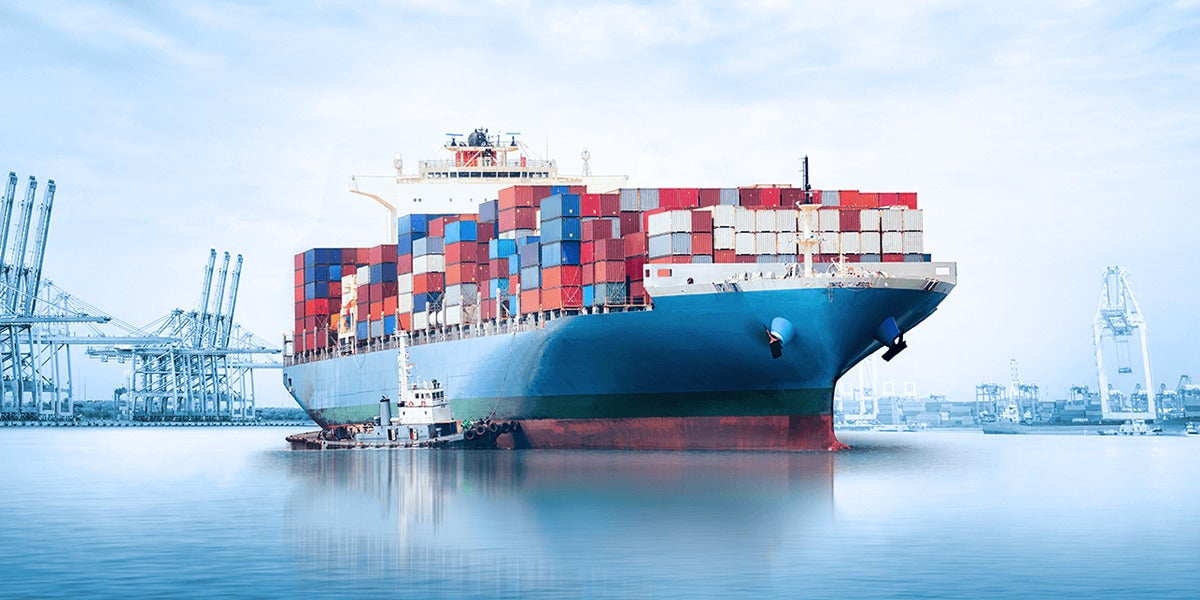
Sea Freight From China To Bolivia

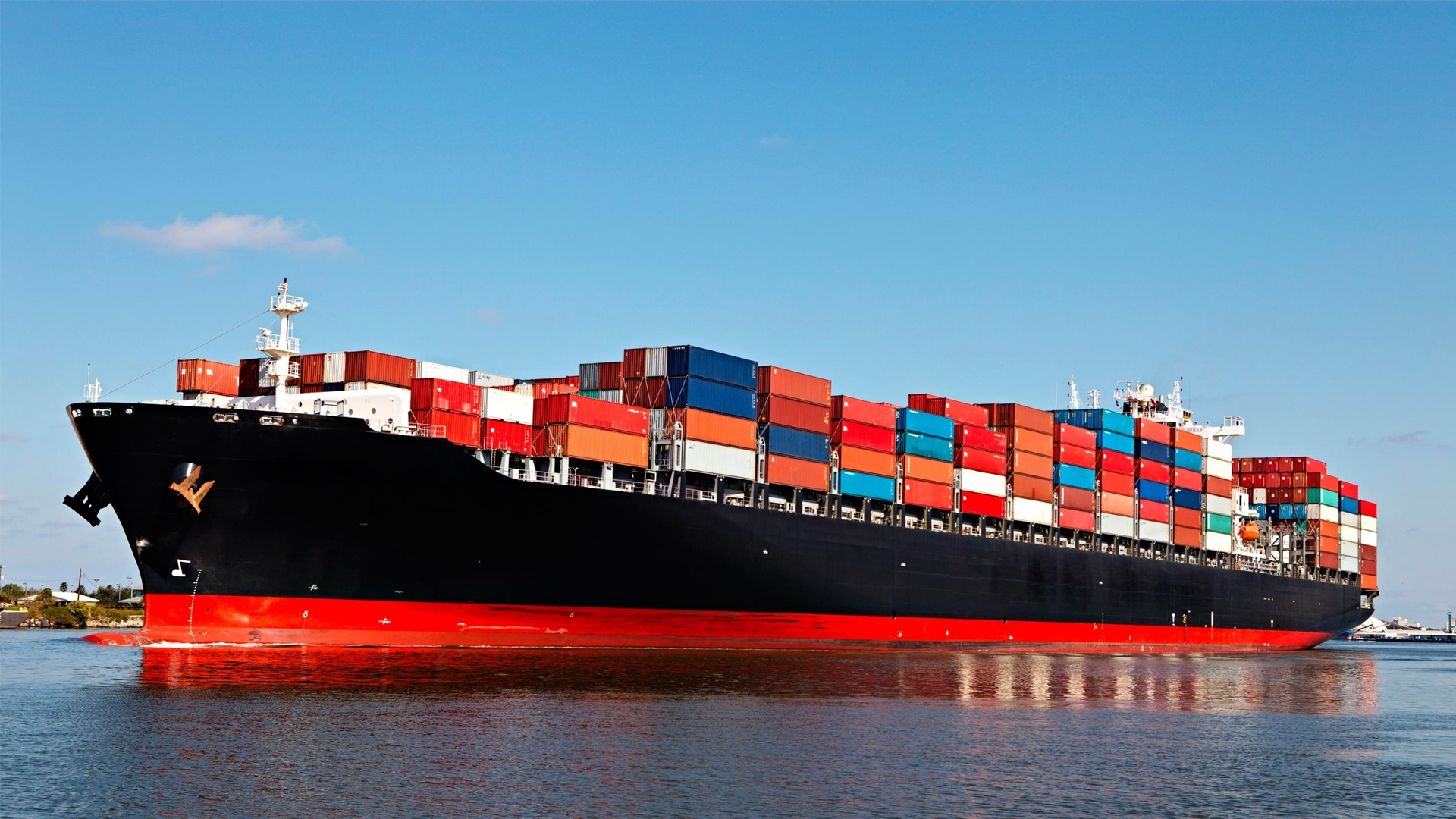
TJ China Logistics provides reliable and cost-effective sea freight services from China to Bolivia, typically routed through major seaports in neighboring Latin American countries and then forwarded inland. Through long-term cooperation with leading carriers such as COSCO, OOCL, APL, EMC, Maersk (MSK), and HMM, we secure attractive contract rates and stable container capacity on key China–South America trade lanes. Whether you are shipping machinery, industrial supplies, household goods, textiles, electronics, or other general cargo, our ocean freight solutions are designed to ensure smooth, well-coordinated, and timely deliveries to your destinations in Bolivia.
img

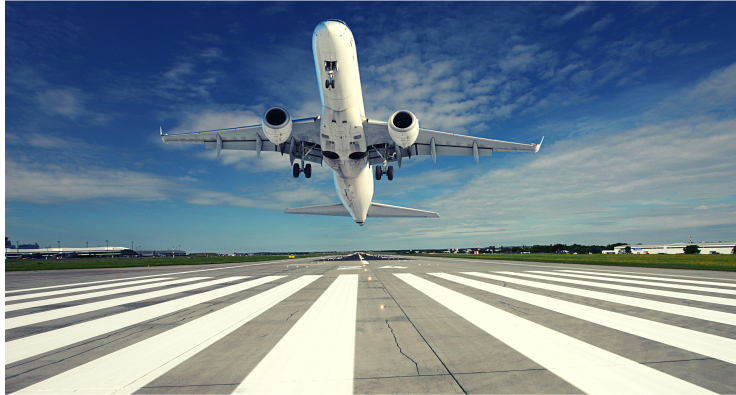
Air Freight From China To Bolivia

For urgent, high-value, or time-sensitive shipments, our air freight service offers fast and secure transportation from China to Bolivia. TJ China Logistics designs optimized flight routings to major airports serving Bolivia and nearby regional hubs, ensuring dependable transit times and professional cargo handling throughout the journey. From pickup at your supplier’s facility and export customs clearance in China to import procedures and final-mile delivery in Bolivia, we manage the complete air logistics process—ideal for medical supplies, critical spare parts, precision instruments, electronics, and other mission-critical cargo.

img

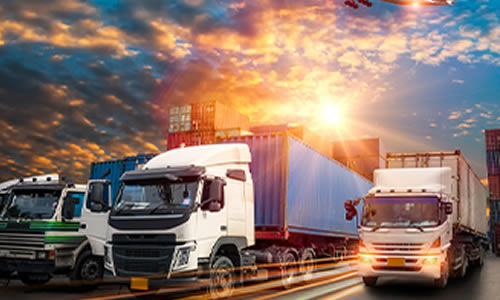
Door to Door Shipping from China To Bolivia

Our door-to-door shipping service provides a comprehensive end-to-end logistics solution for businesses and individuals moving cargo from China to Bolivia. TJ China Logistics coordinates every stage of the shipment, including factory or warehouse pickup, export documentation, sea or air transportation, customs clearance at regional gateways, and final delivery to your specified address in Bolivia. With full shipment visibility, proactive communication, and strong cooperation with local partners, we ensure a seamless, hassle-free shipping experience from origin in China all the way to your door in Bolivia.
FCL Shipping from China To Bolivia

TJ China Logistics offers full-container-load (FCL) shipping backed by competitive carrier contracts and dependable container availability on China–Bolivia trade routes via key Latin American ports. Our team arranges container booking, supervises loading at the origin facility, manages export customs formalities, and organizes the ocean leg and onward inland transport to Bolivia. FCL shipping is ideal for large-volume cargo such as construction materials, industrial machinery, household goods, minerals, agricultural products, textiles, and other shipments that require secure, dedicated, and consistent transportation.

LCL Shipping from China To Bolivia

For shipments that do not fill an entire container, our less-than-container-load (LCL) service offers a flexible and economical option from China to Bolivia. We consolidate multiple consignments at major Chinese ports, arrange ocean transport to principal Latin American gateways, and then coordinate customs clearance and inland delivery to your consignee in Bolivia. LCL is particularly suitable for small and medium-sized enterprises, mixed-SKU consignments, e-commerce orders, samples, and seasonal goods, helping you keep logistics costs under control while still benefiting from professional international freight services.

Features

More Services Shipping from China To Bolivia

img

Pickup and Delivery

TJ China Logistics will provide most fuel efficient pickup service China
img

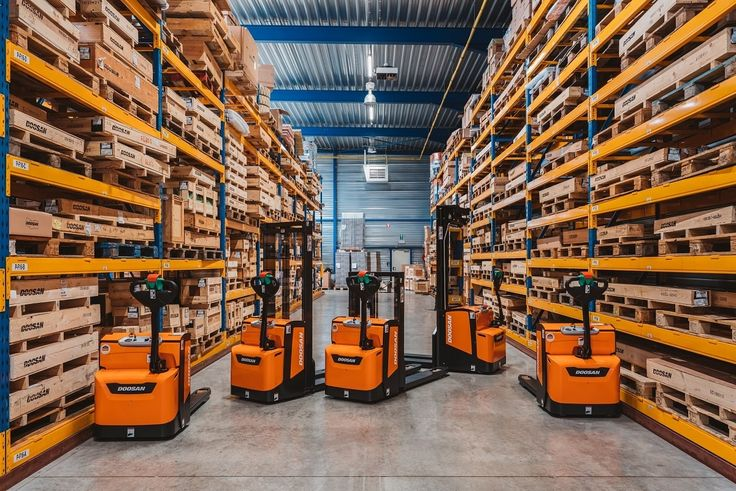
Warehousing

We provide free warehousing services for any of your goods.
img

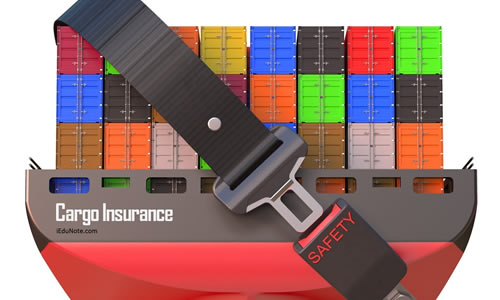
Cargo Insurance

The cargo insurance protects your goods all the way to any Any FBA Warehouse

img

Custom Clearance

We handle all paperwork and other details for you.

img

Loading Inspection

Ensure safe packaging and loading of goods in your suppliers' factory.
Here We Are

GET ANYTYPE QUOTE FROM HERE.

Your Best Freight Forwarder from China to Bolivia

  • Offer reliable and cost-effective ocean freight services from China to Bolivia
  • Deliver flexible and time-efficient air freight options from China to Bolivia
  • Provide expert export customs clearance and documentation services in China
  • Offer complimentary warehousing periods and customized loading solutions
  • Ensure meticulous container loading supervision to safeguard your cargo
  • Arrange dependable pickup and inland trucking services within China
  • Provide responsive 24/7 online customer support for your China–Bolivia shipments
What customers also want to know

Professional Shipping from China to Bolivia: The Ultimate FAQ Guide

Shipping from China to Bolivia requires careful consideration of transit timelines, which vary based on the mode of transport, specific locations, and customs clearance efficiency. Below is an outline of typical delivery periods for common shipping options:

Air Freight
This is the fastest option, typically requiring 5–15 business days for delivery. It is recommended for urgent, high-value, or time-sensitive goods, though costs are generally higher compared to maritime transport.

Sea Freight – Full Container Load (FCL)
When shipping a full container, transit times generally range from 30 to 40 days, depending on the ports of origin and destination, as well as the chosen shipping route.

Sea Freight – Less than Container Load (LCL)
For smaller shipments that do not require a full container, LCL is a cost-effective alternative. However, due to consolidation and deconsolidation processes, transit times are usually longer, averaging 40–60 days.

Customs Clearance
Customs procedures in Bolivia can influence overall shipping time. Delays may occur due to documentation inaccuracies, inspections, or regulatory reviews. Proper preparation of required paperwork in advance is essential.

Additional Considerations
Factors such as weather, port congestion, holidays, and carrier schedules can also affect transit reliability. Partnering with an experienced freight forwarder or logistics provider can help anticipate potential delays, optimize routing, and ensure smoother end-to-end shipment management.

When planning your shipment, align your choice of transport with your timeline, budget, and cargo requirements. A reliable logistics partner can provide tailored guidance and support to help ensure your goods arrive safely and on schedule.

Shipping costs from China to Bolivia vary depending on several factors, including the transport method, shipment weight and volume, origin and destination points, and any additional services required.

Air Freight:

  • Offers fast delivery but at a higher cost.
  • Rates are generally based on weight or volume, typically ranging from $3 to $10+ per kilogram, depending on shipment specifics.

Sea Freight – Full Container Load (FCL):

  • Ideal for transporting a full container of goods.
  • Costs depend on container size, type, shipping route, and additional services.
  • FCL rates are usually quoted as a flat fee, ranging from hundreds to several thousand dollars, depending on container size and shipment details.

Sea Freight – Less than Container Load (LCL):

  • Suitable for smaller shipments that don’t fill an entire container.
  • Charges are typically calculated per cubic meter or cubic foot.
  • Costs vary based on shipment volume, route, and optional services.

Additional Expenses:

  • Customs clearance, insurance, handling, storage, and final delivery may incur extra fees.
  • Always request a comprehensive quote from your freight forwarder to avoid unexpected costs.

Partnering with a reliable freight forwarder ensures accurate cost estimates and helps you choose the most cost-effective shipping solution, simplifying the complexities of international logistics.

Shipping from China to Bolivia requires a series of well-coordinated steps to meet the demands of international logistics effectively:

  1. Choose Your Shipping Method: Determine the optimal shipping method by evaluating the nature of your goods, budget constraints, and delivery urgency. Available options include air freight, sea freight (FCL or LCL), or a combination of both.

  2. Select a Freight Forwarder: Identify a reputable freight forwarder with expertise in shipping to Bolivia. Evaluate their experience, network capabilities, and capacity to meet your specific cargo needs.

  3. Request Freight Quotes: Solicit quotes from multiple forwarders to compare costs and services. Provide comprehensive details about your shipment, including size, weight, and any special handling needs.

  4. Prepare Required Documentation: Assemble all necessary documents for customs clearance and international shipping. This includes the commercial invoice, packing list, bill of lading, certificate of origin, and any other required permits.

  5. Package and Label Goods: Properly package and label your goods according to international standards to safeguard them during transit and ease customs procedures.

  6. Coordinate Pickup or Drop-Off: Work with your selected freight forwarder to schedule the pickup of your goods from your supplier in China or arrange to drop off your shipment at their facility.

  7. Transport to Port or Airport: Organize transportation of your goods to the departure port or airport in China. Your freight forwarder can assist in arranging trucking or other necessary transport services.

  8. Handle Customs Clearance: Your freight forwarder will manage customs clearance, preparing and submitting all required documentation to authorities in both China and Bolivia.

  9. Transit and Shipping: Once customs clearance is achieved, your shipment will be transported to Bolivia via the chosen method. Shipping times may vary based on the method, route, and other factors.

  10. Clear Customs in Bolivia: Upon arrival in Bolivia, your shipment will undergo local customs procedures. Your freight forwarder will manage this process and facilitate the necessary documentation.

  11. Delivery to Final Destination: After clearing customs, your goods will be delivered to their final destination in Bolivia. Ensure coordination with the recipient for a smooth delivery and provide any required assistance.

By adhering to these steps and collaborating closely with your freight forwarder, you can ensure a seamless shipping process from China to Bolivia, guaranteeing timely and secure delivery.

Transporting air freight from China to Bolivia involves a systematic approach to ensure efficient and secure delivery. Here's a streamlined process to follow:

  1. Choose a Reliable Forwarder: Start by selecting a reputable freight forwarder or air carrier experienced in handling shipments between China and Bolivia. Prioritize those with a strong network, proven reliability, and competitive pricing.

  2. Request Quotes: Reach out to several freight forwarders or air carriers to obtain quotes for your shipment. Provide essential details about your cargo, such as its weight, dimensions, volume, and any special handling needs.

  3. Assess Shipping Options: Compare the shipping options from each provider, taking into account factors like transit time, cost, and service quality. Opt for the solution that aligns best with your budget and schedule.

  4. Book Your Shipment: Once you've chosen a forwarder or carrier and agreed on a quote, proceed to book the air freight service. Ensure you supply all necessary shipment information and documentation to complete the booking.

  5. Prepare Documentation: Compile the required documents for customs and air cargo handling. Typically, you'll need a commercial invoice, packing list, air waybill, certificate of origin, and any other relevant permits or licenses.

  6. Package and Label Properly: Make sure your goods are packaged and labeled according to international shipping standards and air cargo regulations. Proper packaging safeguards your goods and aids in smooth customs processing.

  7. Arrange Pickup or Drop-Off: Coordinate with your forwarder or carrier to schedule the pickup of your cargo from its origin in China, or deliver it directly to the carrier’s cargo facility.

  8. Transport to the Airport: Organize transportation of your goods to the departure airport. Your freight forwarder or carrier can assist with arranging the necessary transport to ensure timely arrival at the airport.

  9. Cargo Handling and Loading: At the airport cargo terminal, your goods will undergo security checks and be loaded onto the aircraft. Ensure all required documentation is available to facilitate smooth handling and loading.

  10. Track Your Shipment: Use the tracking tools provided by your forwarder or carrier to monitor your shipment’s progress in real-time. Track key milestones like departure, transit, and arrival to stay updated on your cargo's status.

  11. Customs Clearance in Bolivia: Upon arrival in Bolivia, your shipment will go through customs clearance. Your forwarder or carrier will manage the paperwork and assist with the clearance process.

  12. Final Delivery: After customs clearance, your goods will be delivered to their final destination in Bolivia. Ensure coordination with the recipient to facilitate a smooth delivery and provide any necessary support.

By following these steps and collaborating closely with your logistics partner, you can ensure efficient and secure air freight transportation from China to Bolivia.

Arranging sea shipping from China to Bolivia requires a series of carefully managed steps to ensure a smooth and efficient process:

Select a Freight Forwarder: Start by choosing a reputable freight forwarder or shipping line experienced in handling sea freight between China and Bolivia. Prioritize providers with a strong track record, competitive pricing, and extensive networks covering both origin and destination ports.

Obtain Freight Quotes: Reach out to several freight forwarders or shipping lines to get quotes for your shipment. Provide detailed cargo information, including volume, weight, dimensions, and any special handling needs.

Assess Shipping Options: Review the shipping options offered by each forwarder or line, considering transit times, costs, and service quality. Select the option that best fits your budget and delivery schedule.

Book Your Shipment: After choosing a freight forwarder or shipping line and agreeing on a quote, proceed to book the sea freight services. Submit all necessary shipment details and documentation to complete the booking.

Prepare Documentation: Collect and prepare the required documents for customs clearance and sea transport. Commonly required documents include a commercial invoice, packing list, bill of lading, certificate of origin, and any relevant permits or licenses.

Package and Label Goods: Ensure your goods are packaged and labeled according to maritime regulations and international standards. Proper packaging not only protects your cargo during transit but also aids in customs clearance.

Arrange Pickup or Drop-Off: Coordinate with your freight forwarder or shipping line to schedule the pickup of your goods from your supplier in China or their warehouse. Alternatively, arrange to drop off your shipment at the carrier’s designated container yard.

Transport to Port: Organize the transportation of your goods to the departure port in China. Your freight forwarder can assist in arranging trucking or other transportation services to ensure timely port arrival.

Load the Container: Your goods will be loaded into a container at the port, either at the supplier’s facility or a container yard. Ensure the cargo is properly loaded and secured to prevent damage during transit.

Sea Transit: The container will be shipped from China to Bolivia. Transit times can vary based on the shipping route, vessel schedule, and port congestion.

Customs Clearance in Bolivia: Upon arrival in Bolivia, your shipment will undergo customs clearance. Your freight forwarder will handle the necessary documentation and facilitate the clearance process.

Delivery to Destination: After customs clearance, your goods will be delivered to their final destination in Bolivia. Ensure smooth delivery by coordinating with the recipient and providing any necessary support or information.

By following these steps and collaborating closely with your logistics partner, you can ensure efficient and secure sea shipping from China to Bolivia.

Shipping goods from China to Bolivia by air is particularly effective in situations where speed and efficiency are essential:

Urgent Shipments: When your goods need rapid delivery, air freight is the optimal choice. Compared to sea freight, air shipping dramatically reduces transit times, making it ideal for time-sensitive deliveries.

High-Value Goods: For valuable items or those needing special care, such as electronics or pharmaceuticals, air shipping provides a quicker and safer solution. The controlled environment and reduced transit time enhance the protection of high-value or perishable goods.

Just-in-Time Inventory: Businesses relying on just-in-time inventory models benefit from air shipping. It facilitates quick restocking to meet customer demand or production needs, reducing inventory holding costs and ensuring prompt replenishment.

Small Shipments: Air freight is an economical option for smaller shipments or samples. Unlike sea freight, which often requires a full container load, air shipping charges based on the space your goods occupy, making it cost-effective for smaller volumes.

Seasonal Demand: During peak periods, such as holidays, when demand spikes, air shipping provides the agility to meet customer expectations. It allows for timely delivery and helps manage seasonal fluctuations efficiently.

Production Delays: Air shipping offers a swift solution when production delays or unforeseen issues threaten supply chains. It ensures that goods reach Bolivia promptly, avoiding costly delays and potential penalties.

In summary, air shipping from China to Bolivia excels in scenarios where speed, reliability, and efficiency are crucial. Although it may come with a higher cost compared to sea freight, the benefits of faster transit times and timely delivery make it a preferred option for urgent and high-value shipments.

When importing goods from China to Bolivia, several taxes and duties are applied by Bolivian customs authorities, impacting your total import costs. Here’s a comprehensive overview of the primary taxes and duties you may face:

Import Duty (Arancel Aduanero): Bolivia applies import duties on most products entering the country. These duties vary based on the type and classification of goods under the Bolivian customs tariff schedule. Typically, import duties are calculated as a percentage of the goods' customs value.

Value Added Tax (Impuesto al Valor Agregado - IVA): Imported items are subject to Bolivia’s IVA, calculated on the customs value plus any import duties. The standard IVA rate is 13%, though specific rates may apply depending on the type of goods.

Specific Taxes: Some items may incur additional taxes, such as excise or environmental taxes, based on their classification or characteristics. These specific taxes can differ widely and are imposed by Bolivian authorities.

Customs Processing Fees: Fees for handling and processing imported goods are charged by Bolivian customs. These fees cover the administrative costs of customs clearance and can vary based on shipment value and complexity.

Additional Charges: Beyond taxes and duties, other costs such as customs broker fees, storage fees, and transportation fees may apply. These additional charges should be factored into your budget for importing goods.

To navigate these costs effectively, consulting with a customs broker or import specialist experienced with Bolivian regulations is crucial. They can help you accurately calculate and minimize your import expenses while ensuring compliance with local laws.

When choosing between Less than Container Load (LCL) and Full Container Load (FCL) shipping from China to Bolivia, several factors should guide your decision:

Cargo Volume: For shipments with substantial volumes, FCL often proves more economical. Paying for the entire container, regardless of its load level, is advantageous if you have sufficient cargo to fill it. This option eliminates the need to share space with other shipments, offering a streamlined process.

Cost Considerations: Assess the costs associated with both LCL and FCL based on your specific shipment size and financial plan. While FCL can offer lower costs per unit for large shipments, LCL might be the more budget-friendly choice for smaller loads that do not fill an entire container.

Shipping Schedule: Consider your delivery deadlines. Typically, FCL shipments have faster transit times because they bypass the consolidation and deconsolidation processes at transshipment points. If your schedule is tight, FCL might be the more suitable choice.

Cargo Characteristics: Analyze the nature of your goods and their handling needs. Items that are fragile, perishable, or of high value benefit from the additional protection and reduced handling risks associated with FCL. On the other hand, LCL can be effective if your goods are durable enough to be consolidated with others.

Flexibility: LCL offers notable flexibility, especially for smaller or irregular shipments. It allows for consolidation of multiple smaller consignments into one container, which can simplify inventory management and provide cost savings.

Customs Clearance: Factor in customs clearance requirements. Depending on your cargo and Bolivian regulations, LCL or FCL could have different implications for customs procedures and associated expenses.

Ultimately, your choice between LCL and FCL should align with your cargo volume, budget, delivery urgency, product nature, flexibility needs, and customs clearance considerations. Careful evaluation of these elements will help you select the most effective shipping solution from China to Bolivia.

To track your shipment from China to Bolivia effectively, follow these steps using the services of your chosen TJ China Logistics, shipping carrier, or logistics provider:

  1. Tracking Number: Start by obtaining the tracking number from your TJ China Logistics or shipping carrier. This unique identifier is crucial for monitoring your shipment’s journey.

  2. Online Tracking Portal: Access the dedicated online tracking portal offered by your logistics provider. Most companies feature a specific tracking page on their website where you can input your tracking number to get real-time updates on your shipment's status.

  3. Mobile Application: Consider using a mobile app provided by your TJ China Logistics or shipping carrier. These apps, available for download on app stores, allow you to track your shipment on the go. By entering your tracking number, you can receive status updates directly on your smartphone or tablet.

  4. Email or SMS Notifications: Enroll in email or SMS notifications to stay updated on your shipment's progress. These notifications alert you to key events, such as when your shipment is picked up, in transit, or out for delivery.

  5. Customer Support: For any issues or inquiries, contact the customer service team of your TJ China Logistics, shipping carrier, or logistics provider. They can offer detailed assistance and updates, including tracking information and estimated delivery times.

Utilizing these tracking methods ensures you stay informed about your shipment's journey from China to Bolivia, providing transparency and peace of mind throughout the shipping process.

To ensure the smooth import of goods from China into Bolivia, accurate and complete documentation is essential for compliance and efficient customs clearance. The following key documents are typically required:

Commercial Invoice
This foundational document must clearly describe the goods, including quantities, unit and total values, and country of origin. Bolivian customs uses it to calculate applicable duties and taxes.

Packing List
A detailed itemization of all packages within the shipment, specifying contents, weights, dimensions, and packaging type. It assists customs in verifying the physical shipment against the declared paperwork.

Bill of Lading (B/L)
Acts as both a receipt of goods and a contract of carriage. It outlines shipment details, including parties involved, description of goods, and terms of transport, and serves as a title document for sea freight.

Certificate of Origin
Certifies the manufacturing country of the goods. It may be required to determine eligibility for preferential tariffs under trade agreements or to fulfill Bolivian regulatory requirements. Authentication by a recognized chamber of commerce is often necessary.

Import Declaration (Declaración de Importación)
This formal declaration is submitted to Bolivian customs and includes comprehensive information such as tariff classification, customs value, and applicable taxes. It is mandatory for clearing goods through customs.

Insurance Certificate
If the shipment is insured, this document serves as proof of coverage against loss or damage during transit.

Additional Certifications
Depending on the nature of the goods, further documentation may be required. This can include sanitary or phytosanitary certificates for food and agricultural products, certificates of conformity for regulated items, or special import permits for controlled commodities.

Working closely with an experienced freight forwarder or customs broker is strongly advised to ensure all documents are correctly prepared, authenticated, and submitted in accordance with Bolivian import regulations. Proper documentation not only facilitates timely clearance but also helps avoid inspections, penalties, or shipment holds.

Don’t Take Our Words for it

Listen to What Our Clients Say about Our Freight Forwarding Service

Features Availability

Features Availability is strong and dependable, with most key functions accessible and working as expected. The feature set covers common user needs and supports efficient workflows. Navigation between features is smooth, though a few advanced tools could be easier to discover. Overall, coverage and stability are impressive.

Warleman Joliues
Co-Founder Carion ltd

Design Quality

Design Quality is polished and consistent, offering a clean visual style and intuitive layout. Interface elements are well aligned and easy to understand. The user journey feels smooth and organized. Small visual refinements could further enhance the premium feel.

Jon D. William
Founder of Mixbix

Customer Support

Customer Support is reliable and courteous, providing timely replies and clear guidance. Staff demonstrate good product knowledge and handle issues with professionalism. Most requests are resolved effectively, with helpful follow-up. Expanding live support coverage would make the experience even better.

Sofia Harvey
Chairman News grove