
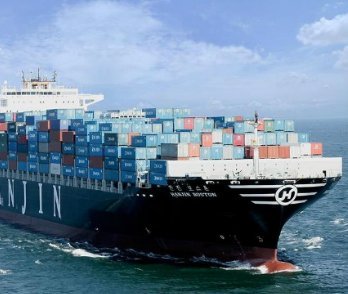
A steadily growing number of our customers are based in Guinea, making it an important destination within our China–West Africa logistics network. TJ China Logistics has secured long-term contract rates with leading ocean carriers such as COSCO, OOCL, APL, EMC, Maersk (MSK), and HMM. These strong partnerships enable us to offer highly competitive freight rates for shipments from China to Guinea’s main seaports and logistics hubs.
With TJ China Logistics as your logistics partner, shipping goods from China to Guinea becomes straightforward and worry-free. Once you entrust your cargo to us, our experienced team manages the entire process—from factory pickup and export documentation to customs clearance and final delivery to your address in Guinea. Our goal is to be your most dependable freight forwarder from China to Guinea. Request a competitive quote today.
TJ China Logistics provides reliable and cost-effective sea freight services from China to Guinea’s principal ports and inland distribution centers. Through long-term cooperation with major carriers such as COSCO, OOCL, APL, EMC, Maersk (MSK), and HMM, we secure attractive contract rates and stable container capacity on key China–West Africa trade lanes. Whether you are shipping construction materials, mining and industrial equipment, household goods, agricultural inputs, foodstuffs, textiles, or other general consumer products, our ocean freight solutions are designed to ensure smooth, well-coordinated, and timely deliveries throughout Guinea.
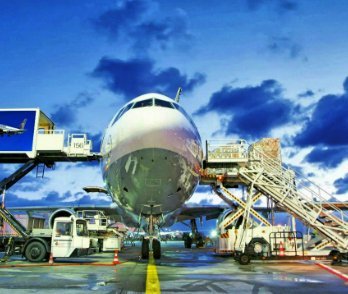
For urgent, high-value, or time-sensitive cargo, our air freight service offers fast and secure transportation from China to Guinea. TJ China Logistics designs optimized flight routings to airports serving Guinea and nearby regional hubs, ensuring dependable transit times and professional cargo handling along the entire route. From pickup at your supplier’s facility and export customs clearance in China to import procedures and final-mile delivery in Guinea, we manage the complete air logistics process—ideal for medical supplies, critical spare parts, electronics, precision instruments, samples, and other mission-critical shipments.

Our door-to-door shipping service provides a comprehensive end-to-end logistics solution for businesses and individuals moving cargo from China to Guinea. TJ China Logistics coordinates every stage of the shipment, including factory or warehouse pickup, export documentation, sea or air transportation, Guinean customs clearance, and final delivery to your specified address. With full shipment visibility, proactive communication, and strong cooperation with local partners, we ensure a seamless, hassle-free shipping experience from origin in China all the way to your door in Guinea.

TJ China Logistics offers full-container-load (FCL) shipping backed by competitive carrier contracts and dependable container availability on China–Guinea routes via key West African ports. Our team arranges container booking, supervises loading at the origin facility, handles export customs formalities, and organizes the ocean leg and onward inland transport to Guinea. FCL shipping is ideal for large-volume cargo such as construction materials, mining and project machinery, household goods, agricultural products, textiles, and other shipments that require secure, dedicated, and consistent transportation.
For shipments that do not fill an entire container, our less-than-container-load (LCL) service offers a flexible and economical option from China to Guinea. We consolidate multiple consignments at major Chinese ports, arrange ocean transport to Guinea’s main gateways or nearby regional hubs, and then coordinate customs clearance and inland delivery to your consignee. LCL is particularly suitable for small and medium-sized enterprises, mixed-SKU consignments, e-commerce orders, samples, and seasonal goods, helping you control logistics costs while still benefiting from professional international freight services.
TJ China Logistics will provide most fuel efficient pickup service China
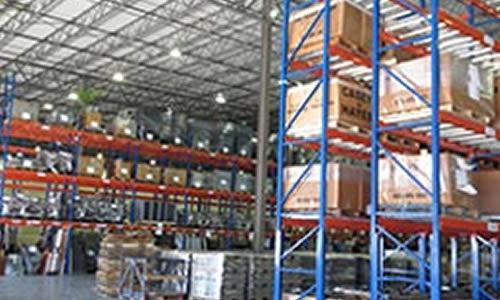
We provide free warehousing services for any of your goods.
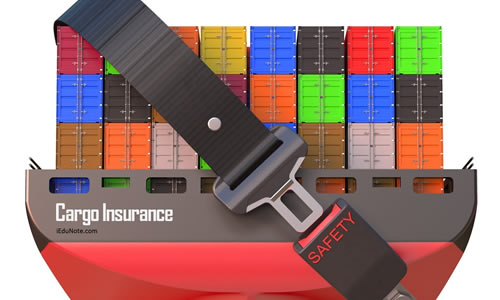
The cargo insurance protects your goods all the way to any Any FBA Warehouse

We handle all paperwork and other details for you.
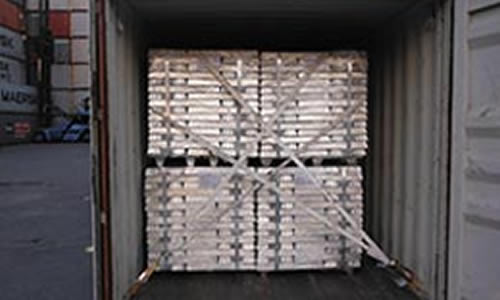
Ensure safe packaging and loading of goods in your suppliers' factory.
Shipping times from China to Guinea can differ depending on the transportation method, carrier selection, and potential delays along the route. In general, air freight takes approximately 7–14 days, while sea freight is considerably slower, often requiring several weeks or more than a month.
Key Factors Influencing Transit Time:
Shipping Method: Air freight offers faster delivery but at a higher cost, whereas sea freight involves longer transit due to extended ocean travel.
Carrier: Transit times can vary based on the shipping line or airline, as each operates on different schedules and routes.
Customs Clearance: Clearance procedures at both the origin and destination ports may extend overall delivery time if documentation or inspections are required.
Distance and Route: The shipping distance and selected route, including any transshipment points, directly affect transit duration.
Infrastructure and Logistics: Port efficiency, inland transportation, and local logistics conditions in Guinea can also impact final delivery timelines.
For precise transit estimates, it is advisable to consult shipping lines or freight forwarders with experience handling China–Guinea shipments. They can provide customized guidance based on your cargo details, routing, and scheduling needs.
Shipping costs from China to Guinea can vary depending on several factors, including the chosen transport method, shipping provider, package weight and dimensions, delivery speed, and any value-added services required. Customs duties and local taxes in Guinea may also influence the total shipping expense.
To receive an accurate shipping quote, it is advisable to contact shipping companies or freight forwarders directly. By providing detailed information about your shipment, they can offer pricing tailored to your specific needs and requirements.
It is also important to note that shipments to certain regions may require additional documentation, involve customs procedures, or experience potential delays, all of which can contribute to higher overall shipping costs.
Shipping from China to Guinea involves several steps. Here's a guide to help you through the process:
Choose a Shipping Method: Determine the most suitable shipping method based on factors like cost, urgency, and the nature of your goods. Options include air freight, sea freight, or courier services like DHL, FedEx, or UPS.
Prepare Your Goods for Shipment: Ensure your goods are properly packaged to withstand transit. Follow any specific packaging requirements for your chosen shipping method.
Documentation: Prepare all necessary documentation, including commercial invoices, packing lists, and any other paperwork required for customs clearance. Make sure all documents are completed accurately and completely.
Customs Clearance: Familiarize yourself with Guinea's import regulations and customs procedures. Work with a customs broker or freight forwarder if needed to facilitate smooth customs clearance.
Shipping Insurance: Consider purchasing shipping insurance to protect your goods against loss or damage during transit.
Choose a Freight Forwarder: If you're not familiar with international shipping procedures, consider working with a freight forwarder who can manage the logistics of your shipment from China to Guinea.
Track Your Shipment: Utilize the tracking information provided by your chosen shipping carrier or freight forwarder to monitor the progress of your shipment.
Delivery: Coordinate with your recipient in Guinea to ensure smooth delivery of the goods once they arrive. Provide them with any necessary tracking information and documentation.
Follow Up: After delivery, follow up with your recipient to confirm they have received the goods in good condition and are satisfied with the transaction.
By following these steps and collaborating with reliable shipping partners, you can successfully ship goods from China to Guinea. Stay informed about any changes in regulations or procedures that may affect your shipment.
Arranging air freight from China to Guinea involves several steps. Here's a general guide:
Research Freight Forwarders: Start by researching freight forwarders that specialize in air cargo shipments from China to Guinea. Look for companies with experience in this route and positive reviews from previous clients.
Contact Freight Forwarders: Reach out to multiple freight forwarders to request quotes and gather information about their services. Provide details about your cargo, including dimensions, weight, origin, and destination.
Compare Quotes: Once you've received quotes from different freight forwarders, compare them carefully. Consider factors such as price, transit time, handling capabilities, and any additional services offered.
Provide Documentation: Prepare the necessary documentation for your shipment, including the commercial invoice, packing list, airway bill, and any other required paperwork. Your freight forwarder can advise you on the specific documentation needed for shipments to Guinea.
Arrange Pickup: Coordinate with your chosen freight forwarder to arrange the pickup of your cargo from the supplier in China. Ensure that the cargo is properly packaged and labeled according to air freight regulations.
Customs Clearance: Your freight forwarder will handle customs clearance procedures both in China and Guinea. Make sure to provide accurate information and documentation to avoid delays or complications during customs clearance.
Track Shipment: Stay in touch with your freight forwarder to track the progress of your shipment. Most freight forwarders provide online tracking systems that allow you to monitor the status of your cargo in real-time.
Delivery and Receiving: Once your cargo arrives in Guinea, your freight forwarder will arrange for final delivery to your desired destination. Make sure to have arrangements in place to receive the shipment and clear it through customs if necessary.
Review and Feedback: After the shipment is delivered, take some time to review the overall process with your freight forwarder. Provide feedback on their services and communication to help improve future shipments.
By following these steps and working closely with your chosen freight forwarder, you can successfully arrange air freight from China to Guinea.
Arranging sea shipping from China to Guinea involves several steps. Here's a general outline of the process:
Find a Freight Forwarder: Start by researching and contacting freight forwarding companies that specialize in shipping from China to Guinea. These companies will handle the logistics of your shipment, including documentation, customs clearance, and transportation.
Get Quotes: Reach out to multiple freight forwarders to get quotes for your shipment. Provide details such as the type of goods, volume, weight, and desired delivery timeframe.
Choose a Shipping Method: Select the most suitable shipping method for your needs. Options may include Full Container Load (FCL) or Less than Container Load (LCL). FCL is recommended if you have enough cargo to fill a container, while LCL is suitable for smaller shipments.
Provide Documentation: Prepare all necessary documentation for your shipment, including commercial invoices, packing lists, bill of lading, and any required permits or licenses.
Arrange Pickup and Delivery: Coordinate the pickup of your goods from the supplier in China and arrange for delivery to the port of departure. Your freight forwarder can assist with this process.
Customs Clearance: Your freight forwarder will handle customs clearance procedures in both China and Guinea. Make sure all required documentation is in order to avoid delays.
Track Your Shipment: Stay in communication with your freight forwarder to track the progress of your shipment. They should provide updates on the location and estimated arrival time of your goods.
Receive Shipment: Once your shipment arrives at the port in Guinea, arrange for clearance and delivery to your final destination.
It's important to work with experienced and reputable freight forwarders to ensure a smooth shipping process and timely delivery of your goods. Additionally, be aware of any regulations or restrictions related to importing goods into Guinea to avoid any compliance issues.
Air shipping from China to Guinea is typically used when:
Urgency: If your shipment needs to reach Guinea quickly, air shipping is the best option. Air freight generally has much shorter transit times compared to sea freight.
High-Value Goods: For high-value goods that require fast and secure transportation, air shipping offers better security and reduced risk of damage or theft compared to sea shipping.
Perishable Goods: Perishable goods such as fresh produce, seafood, or pharmaceuticals require rapid delivery to maintain their quality. Air shipping ensures these items reach their destination quickly and in optimal condition.
Small Shipments: If you have a small volume of goods to ship, air freight may be more cost-effective than sea freight, especially when considering the faster transit time and lower inventory holding costs.
Just-in-Time Inventory: If you operate on a just-in-time inventory model and need to replenish stock quickly, air shipping allows for rapid turnaround times and helps minimize inventory shortages.
Seasonal Demand: During peak seasons or times of increased demand, air shipping can help expedite deliveries and ensure your products reach customers on time.
Supply Chain Disruptions: In cases of unexpected disruptions such as port strikes, natural disasters, or political unrest, air shipping provides a reliable alternative to keep your supply chain running smoothly.
However, it's important to note that air shipping is generally more expensive than sea shipping, especially for large or heavy shipments. Therefore, it's essential to carefully evaluate the cost-effectiveness and urgency of your shipment before choosing air freight. Additionally, consider factors such as cargo size, weight, and specific delivery requirements when deciding between air and sea shipping options.
The amount of tax and duty you need to pay when importing goods from China to Guinea depends on several factors, including the type of goods, their value, and any applicable trade agreements or tariffs between the two countries. Here's a general overview of the taxes and duties that may apply:
Customs Duty: Guinea imposes customs duties on imported goods, and the rates vary depending on the type of product. These duties are typically calculated as a percentage of the customs value of the goods.
Value Added Tax (VAT): Guinea also imposes a VAT on imported goods, which is calculated as a percentage of the customs value plus the customs duty payable. The standard VAT rate in Guinea is 18%, but certain goods may be subject to different rates or exemptions.
Excise Duty: Some goods, such as alcohol, tobacco, and certain luxury items, may be subject to excise duty in addition to customs duty and VAT.
Other Fees and Charges: In addition to customs duty, VAT, and excise duty, you may also need to pay other fees and charges, such as customs clearance fees, inspection fees, and administrative charges.
It's important to note that the exact amount of taxes and duties payable can vary based on the specific details of your shipment, including the nature of the goods, their value, and any preferential trade agreements that may apply. Additionally, customs regulations and tariff rates are subject to change, so it's advisable to consult with a qualified customs broker or freight forwarder for the most up-to-date information a
When deciding between Less than Container Load (LCL) and Full Container Load (FCL) shipping from China to Guinea, consider the following factors:
Volume of Goods: If you have enough goods to fill a standard shipping container (usually 20 or 40 feet), FCL may be more cost-effective. However, if your shipment doesn't fill a full container, opting for LCL allows you to share container space with other shippers, potentially reducing costs.
Frequency of Shipments: If you frequently ship large volumes of goods, establishing regular FCL shipments may offer consistency and efficiency. On the other hand, if your shipment volumes vary or are smaller, LCL provides flexibility without committing to full container loads.
Cargo Nature and Fragility: Fragile or high-value goods may benefit from FCL shipping, as it reduces the handling and potential damage associated with sharing container space. LCL shipments involve more handling and consolidation/deconsolidation processes, which may increase the risk of damage, especially for delicate items.
Transit Time: Generally, FCL shipments tend to have shorter transit times compared to LCL shipments since they involve fewer stops for consolidation and deconsolidation. If speed is a priority, FCL might be preferable.
Cost Considerations: While FCL shipping can be more cost-effective for larger shipments, LCL shipping allows you to pay only for the space you need, making it a cost-efficient option for smaller volumes. However, keep in mind that LCL shipments may incur additional handling and consolidation fees.
Customs Clearance: Both LCL and FCL shipments require customs clearance procedures. If you're shipping goods with varying HS codes or if your goods require specific customs procedures, consider how this might affect your choice between LCL and FCL.
Ultimately, the decision between LCL and FCL shipping depends on the specific requirements of your shipment, including volume, frequency, nature of goods, transit time considerations, and cost constraints. Consulting with a freight forwarder or logistics expert can help you determine the most suitable shipping method for your needs when transporting goods from China to Guinea.
Tracking your shipment when shipping from China to Guinea typically involves the following steps:
Tracking Number: Obtain the tracking number from your freight forwarder or shipping company. This number is unique to your shipment and is essential for tracking its progress.
Online Tracking: Most freight forwarders and shipping companies provide online tracking services on their websites. Visit the website of your chosen carrier and locate the section for tracking shipments.
Enter Tracking Number: Enter your shipment's tracking number into the designated field on the carrier's website. Follow the prompts to initiate the tracking process.
Monitor Shipment Progress: Once you've entered the tracking number, the carrier's website should provide real-time updates on your shipment's progress. You can track its location, estimated arrival time, and any relevant status updates.
Contact Carrier: If you encounter any issues or have questions about your shipment's status, don't hesitate to contact the carrier directly. Customer service representatives can provide assistance and address any concerns you may have.
Customs Clearance Updates: Keep in mind that there may be delays or updates related to customs clearance procedures in both China and Guinea. Your freight forwarder or shipping company should keep you informed of any relevant customs-related developments.
Delivery Confirmation: Once your shipment arrives in Guinea and is delivered to its final destination, you should receive confirmation from your freight forwarder or shipping company. This confirmation may include proof of delivery and any relevant documentation.
By following these steps and utilizing the tracking services provided by your chosen carrier, you can effectively monitor the progress of your shipment when shipping from China to Guinea.
When shipping goods from China to Guinea, several key documents are typically required to ensure smooth customs clearance and efficient transit. The exact requirements may vary depending on the type of goods, the chosen shipping method, and Guinea’s specific import regulations. Commonly required documents include:
Commercial Invoice: Provides detailed information about the shipment, including item descriptions, quantities, values, and the buyer and seller. It is essential for customs valuation and declaration purposes.
Packing List: Itemizes the contents of each package or container, including weights, dimensions, and packaging materials. This document helps customs officials verify the shipment and ensure regulatory compliance.
Bill of Lading (B/L): Acts as a contract between the shipper and carrier and serves as a receipt for the goods. It contains details such as consignor, consignee, shipping route, and terms of carriage.
Certificate of Origin: Confirms the country where the goods were produced. This may be required for customs clearance and eligibility for preferential trade agreements or tariff benefits.
Export License (if applicable): Certain goods may require an export license or permit from Chinese authorities prior to shipment. Check whether your items fall under this requirement.
Customs Declaration Form: Provides information about the shipment, including its value and relevant details needed by customs authorities in both China and Guinea.
Insurance Certificate (if applicable): If cargo insurance has been purchased, this document provides proof of coverage against loss or damage during transit.
Additional Documentation: Depending on the shipment, other documents may be required, such as certificates of compliance, sanitary or phytosanitary certificates for agricultural goods, or specific permits.
Working closely with a freight forwarder or shipping agent ensures that all documentation is complete, accurate, and compliant with both Chinese and Guinean customs regulations. Missing or incorrect paperwork can result in delays, extra fees, or even shipment rejection at the destination.
Customer Support is reliable and courteous, providing timely replies and clear guidance. Staff demonstrate good product knowledge and handle issues with professionalism. Most requests are resolved effectively, with helpful follow-up. Expanding live support coverage would make the experience even better.
Features Availability is strong and dependable, with most key functions accessible and working as expected. The feature set covers common user needs and supports efficient workflows. Navigation between features is smooth, though a few advanced tools could be easier to discover. Overall, coverage and stability are impressive.
Code Quality is organized and readable, following consistent standards and logical structure. Components are modular enough for maintenance and scaling. Error handling is generally solid, and documentation is adequate. Increasing automated tests would further improve robustness.