
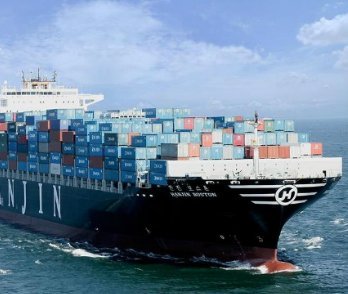
A growing number of our shipments are destined for Western Sahara and surrounding regions, making it a developing but important market within our North‑West Africa logistics network. TJ China Logistics has secured long‑term contract rates with leading carriers such as COSCO, OOCL, APL, EMC, Maersk (MSK), and HMM. By leveraging these partnerships and nearby gateway ports, we are able to offer competitive freight rates and reliable capacity for cargo moving from China to Western Sahara via key Atlantic hubs.
With TJ China Logistics as your logistics partner, shipping goods from China to Western Sahara becomes straightforward and worry‑free. Simply share your shipment details, and our experienced team will manage the full process—factory pickup, export documentation, space booking, ocean or air transport via regional ports and airports, customs coordination, and final delivery to your designated address. Our goal is to be your most dependable and service‑oriented freight forwarder from China to Western Sahara. Request a competitive quote today.
TJ China Logistics provides reliable and economical sea freight services from China to Western Sahara, using key Atlantic and Mediterranean ports as gateways. Containers are shipped from major Chinese ports to regional hubs along the coasts of Morocco and neighbouring countries, then forwarded to consignees in Western Sahara by truck or feeder services. Through long‑standing cooperation with carriers such as COSCO, OOCL, APL, EMC, Maersk (MSK), and HMM, we secure attractive contract rates, stable container space, and routings adapted to North and West Africa trades. Whether you are shipping construction materials, household goods, vehicles, machinery, project cargo, retail merchandise, or industrial supplies, our ocean‑plus‑inland solutions ensure safe loading, compliant documentation, efficient transit, and coordinated delivery throughout Western Sahara.
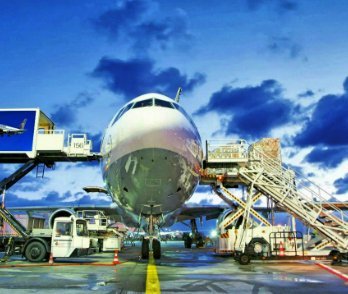
For urgent, high‑value, or time‑sensitive cargo, our air freight service from China to Western Sahara offers a fast and secure transport option via nearby regional airports. TJ China Logistics designs optimal routings from major Chinese airports to key North and West African air hubs that serve Western Sahara, working closely with airlines and ground handlers to maintain dependable transit times. From pickup at your supplier’s facility and export customs clearance to arrival handling at the gateway airport and onward delivery to Western Sahara, we manage the entire air logistics chain—ideal for medical supplies, critical spare parts, premium electronics, samples, and other mission‑critical shipments.

Our door‑to‑door shipping service from China to Western Sahara is designed for customers who prefer a single, fully managed logistics solution. TJ China Logistics arranges factory pickup, consolidation, export paperwork, international sea or air transport to regional ports and airports, inland haulage, import coordination, and final delivery to your warehouse, office, retail outlet, or project site in Western Sahara. With full shipment visibility, proactive status updates, and dependable local partners, we provide a seamless, hassle‑free shipping experience from your supplier’s door in China to your door in Western Sahara.

TJ China Logistics offers full‑container‑load (FCL) shipping from China to Western Sahara, backed by competitive carrier contracts and consistent container availability. Our operations team books 20GP, 40GP, 40HQ, and special equipment, supervises container loading at the factory or warehouse in China, and completes all export formalities before the vessel departs. Once the container arrives at the selected gateway port, we coordinate inland transport and delivery into Western Sahara. FCL service is ideal for large‑volume cargo such as construction materials, heavy machinery, vehicles, household goods, agricultural inputs, and industrial supplies that require dedicated container space, higher security, and predictable transit times.
For shipments that do not require a full container, our less‑than‑container‑load (LCL) service from China to Western Sahara offers a flexible and cost‑effective solution. We consolidate cargo from multiple shippers at major Chinese ports, arrange shared‑container ocean transport to nearby regional hubs, and then handle deconsolidation, inland haulage, customs procedures, and final delivery within Western Sahara. LCL shipping is particularly suitable for small and medium‑sized businesses, e‑commerce sellers, mixed‑SKU orders, and trial shipments, enabling you to access professional international logistics to Western Sahara while keeping freight costs under control.
TJ China Logistics will provide most fuel efficient pickup service China
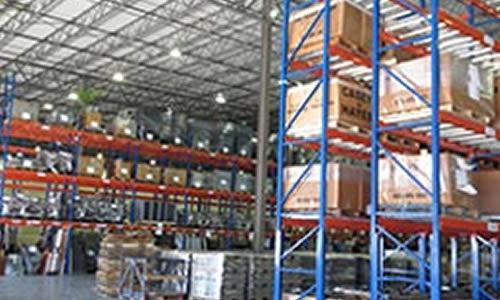
We provide free warehousing services for any of your goods.
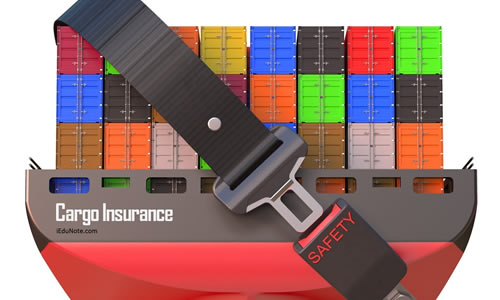
The cargo insurance protects your goods all the way to any Any FBA Warehouse

We handle all paperwork and other details for you.
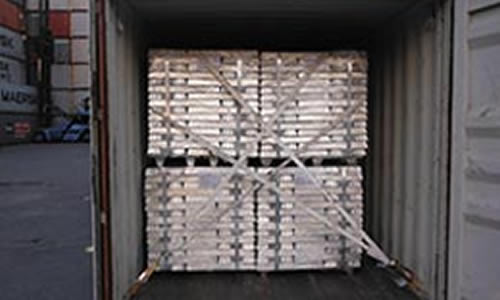
Ensure safe packaging and loading of goods in your suppliers' factory.
Transit times from China to Western Sahara are influenced by several factors:
Shipping Method: Sea freight is more economical but slower, making it suitable for large shipments, while air freight is faster yet more expensive.
Weather Conditions: Severe weather can impact both ocean and air transport.
Customs Clearance: Port processing and adherence to import regulations can affect delivery times.
Logistics Performance: The reliability and efficiency of carriers and freight forwarders are crucial.
Unexpected Delays: Port congestion, labor strikes, or political unrest can further extend transit times.
Selecting the appropriate shipping method and partnering with a dependable freight forwarder can help reduce delays and optimize overall delivery schedules.
The primary options for shipping from China to Western Sahara are sea freight and air freight. Sea freight is more economical for large cargo, with transit times generally ranging from 30 to 45 days. Air freight is much faster but usually more expensive, making it ideal for smaller or time-sensitive shipments. Freight forwarders and logistics providers can help identify the most suitable method based on shipment size, cost considerations, and delivery urgency.
Sea freight is generally more affordable and ideal for large or bulky shipments, with transit times ranging from 30 to 45 days. It involves container shipping via cargo ships. In contrast, air freight is much faster, often taking less than a week, but it comes with higher costs. The choice between sea and air freight depends on the shipment’s size, urgency, and budget constraints.
Freight forwarders offer numerous benefits, including expert knowledge of shipping routes, customs regulations, and documentation requirements. They can negotiate better shipping rates, consolidate shipments, and provide end-to-end logistics solutions. Utilizing a freight forwarder can streamline the shipping process, reduce transit times, and ensure compliance with international shipping standards, making the entire process more efficient and cost-effective.
Key documents for shipping from China to Western Sahara include the bill of lading, commercial invoice, packing list, certificate of origin, and any relevant import/export permits. Accurate and complete documentation is crucial to avoid delays in customs clearance and ensure smooth transit. Additionally, depending on the nature of the goods, other specific certificates or licenses may be required.
Customs clearance is a critical factor that can significantly affect shipping times. Delays in documentation, inspections, or compliance with import regulations can extend transit durations. Efficient customs procedures, accurate paperwork, and adherence to local regulations are essential to minimize delays. Working with experienced customs brokers or freight forwarders can help navigate these complexities and expedite the process.
Insurance is vital in protecting shipments from potential risks such as damage, loss, or theft during transit. It provides financial coverage and peace of mind, ensuring that any unforeseen incidents do not result in significant financial losses. Freight insurance options vary, so it is essential to choose a policy that covers the specific needs and value of the goods being shipped.
Port congestion and logistical challenges can lead to significant delays in shipping. High traffic volumes, limited port capacity, and inefficient handling procedures contribute to longer wait times for unloading and loading cargo. Additionally, logistical challenges such as inadequate infrastructure or transportation strikes can further disrupt schedules. Effective planning, real-time tracking, and alternative routing can help mitigate these issues.
The cost of shipping from China to Western Sahara varies based on the chosen method. Sea freight is typically more economical, suitable for large shipments, but involves longer transit times. Air freight, while faster, incurs higher costs, making it ideal for smaller, urgent shipments. Balancing cost, speed, and the nature of the goods is crucial in selecting the appropriate shipping method.
Businesses can optimize their shipping strategies by taking a structured approach:
This comprehensive approach ensures faster, more reliable, and cost-effective shipping operations.
Features Availability is strong and dependable, with most key functions accessible and working as expected. The feature set covers common user needs and supports efficient workflows. Navigation between features is smooth, though a few advanced tools could be easier to discover. Overall, coverage and stability are impressive.
Design Quality is polished and consistent, offering a clean visual style and intuitive layout. Interface elements are well aligned and easy to understand. The user journey feels smooth and organized. Small visual refinements could further enhance the premium feel.
Code Quality is organized and readable, following consistent standards and logical structure. Components are modular enough for maintenance and scaling. Error handling is generally solid, and documentation is adequate. Increasing automated tests would further improve robustness.