

DAP (Delivered at Place) is a shipping term under which the seller fulfills delivery when the goods are made available to the buyer at a named destination, ready for unloading, with the seller bearing all transportation costs and risks up to that point. The buyer then takes responsibility for import clearance, duties, taxes, and unloading from the arrival conveyance.
The operational consequence is straightforward: the seller controls the entire transit and bears the risk of loss or damage until the goods arrive at the named place, but the buyer owns the customs process and must have import capability ready at that destination. The critical checkpoint is whether the buyer can clear customs at the named place without delaying the handoff, because once the goods arrive, any customs delay, refusal, or additional inspection shifts time and cost exposure back to the buyer.
DAP Delivery Mechanism and Risk Boundary
Under DAP shipping terms, the seller arranges and pays for the main carriage to the named destination, but the buyer is responsible for import clearance and for unloading. The transfer of risk occurs at the named place when the goods are ready for unloading from the arriving vehicle. The seller does not need to unload or clear customs. The buyer does not need to arrange collection from the seller’s premises or handle export clearance (which remains the seller’s obligation).
The named destination can be a warehouse, a terminal, a factory gate, a retail location, or any other address agreed in the contract. The seller must contract for carriage to that place, but the buyer must ensure the destination can receive the goods and that import formalities can be completed there.
In practice, DAP creates a clear operational split: the seller manages the entire outbound and transit logistics, and the buyer takes over at the threshold of the named place. This term is frequently used in containerized sea freight, air freight, and rail freight shipments because it gives the seller control over the transit while giving the buyer control over import compliance, which often requires local knowledge and licenses.
The key delivery boundary is the arrival of the conveyance at the named place, not the completion of unloading or customs clearance. If the conveyance arrives and the buyer cannot unload immediately because of customs holds, port congestion, or lack of equipment, the buyer typically bears the demurrage, detention, or storage costs from that point onward. Therefore, the buyer must confirm the destination’s receiving capacity and customs readiness before the seller dispatches the shipment.

When DAP Fits and Where It Creates Exposure
DAP works well when the seller has strong carrier relationships and can secure competitive freight rates, and when the buyer has established customs brokerage capacity at the destination. It is a common choice for regular B2B shipments where both parties trust each other’s operational capabilities and the destination is a known facility with clear receiving procedures.
Strong-fit cases include: shipments to a buyer’s owned warehouse, deliveries to a distribution center with dedicated receiving staff, and regular replenishment orders where the buyer maintains a customs bond and a licensed broker. DAP also fits when the buyer operates in a market with complex or sensitive import regulations and prefers to manage compliance directly rather than rely on the seller to handle it.
Weak-fit cases include: shipments to a destination where the buyer does not have an import license or customs registration; deliveries to a port or airport terminal that requires the consignee to have a specific bond or security clearance; and transactions where the buyer lacks local staff to unload or cannot receive during the delivery window. DAP also creates exposure when the named destination is a third-party warehouse or a logistics facility that the buyer does not control directly, because the receiving terms at that facility may impose additional charges or require advance notice that the buyer has not arranged.
The suitability decision should be based on the buyer’s documented import capability, not on a general preference. Before selecting DAP, confirm that the buyer can answer “yes” to these three questions: can we clear customs at the named place within the expected arrival window? can we unload the conveyance on arrival or within the free time allowed? do we have the local currency and bank clearance to pay duties and taxes promptly? A “no” to any of these shifts the risk equation significantly.
Tradeoffs and Alternative Delivery Terms
The main tradeoff in DAP is the division of transportation control versus customs control. The seller holds the transportation contract and can choose the route, carrier, and transit schedule, but the buyer holds the import clearance responsibility and must be prepared to act at the destination. This split works well when both parties are strong in their respective domains but creates friction when the seller’s carrier choice affects the buyer’s ability to receive or clear the goods.
Compared to terms where the buyer arranges main carriage, DAP gives the seller more control over transit costs and timing, which can be advantageous when the seller has volume discounts or dedicated routes. However, it also means the seller bears the risk of transit delays, damage, or loss up to the destination, which may increase the seller’s insurance or contingency costs.
Compared to terms where the seller also handles import clearance and delivery to the buyer’s door, DAP leaves customs risk with the buyer. This can be preferable when the buyer has specialized import knowledge or when the seller lacks the licenses or bond to clear in the destination country. The buyer should evaluate whether the savings from self-clearing outweigh the administrative burden and the risk of customs delays.
A practical selection rule: choose DAP when the buyer has proven import capability and the seller has proven transit management capability, and when the destination is a fixed facility with predictable receiving hours. Choose an alternative arrangement if either party lacks capability in their assigned area, or if the shipment involves restricted goods, perishables, or oversized cargo that require specialized clearance or handling at the destination.
Operational Requirements for DAP Shipments
DAP requires specific documentation, data, and coordination from both the seller and the buyer. The following table summarizes the key operational requirements and the responsible party for each.
| Requirement | Seller Responsibility | Buyer Responsibility |
|---|---|---|
| Export clearance | Arrange and pay | Not applicable |
| Main carriage to named place | Contract and pay | Not applicable |
| Import clearance | Not applicable | Arrange and pay |
| Duties, taxes, and customs fees | Not applicable | Pay |
| Unloading from conveyance | Not applicable | Arrange and pay |
| Transport insurance | Seller may arrange at own cost | May arrange additional coverage |
| Destination receiving facilities | Not applicable | Provide and confirm |
Before the shipment departs, the buyer must provide the seller with complete consignee and notify party details, including contact information for customs brokers, receiving dock personnel, and any security or access requirements at the destination. The buyer must also confirm the destination’s operating hours, holiday schedules, and any advance notice requirements for receiving conveyances.
The seller must provide the buyer with shipment tracking data, estimated time of arrival, and the carrier’s contact information well before the goods reach the destination. The seller must also ensure that the commercial invoice, packing list, and any export certificates are accurate and transmitted to the buyer or the buyer’s broker in a timely manner, because the buyer needs these documents to file the import entry.
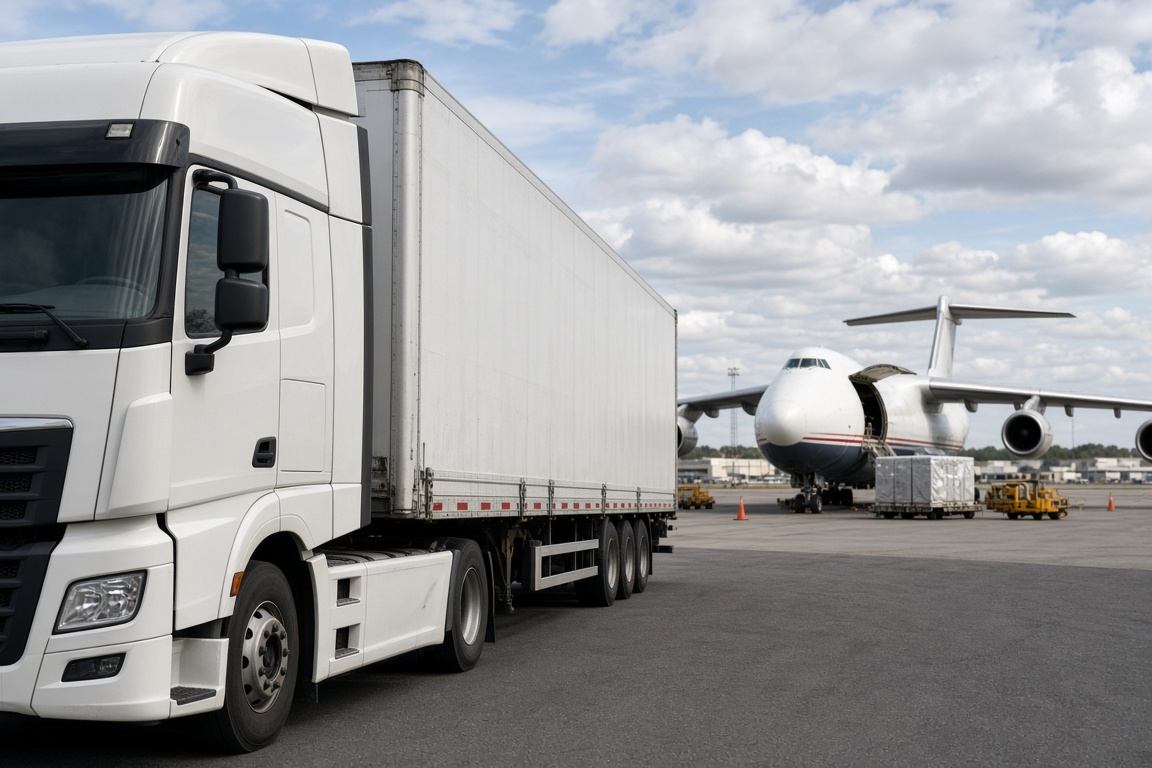
Verification point: The buyer should confirm the named place’s customs processing capabilities. Some destinations, such as certain Inland ports or bonded facilities, may have limited customs hours or may require a specific customs bond. The buyer must verify these operational constraints before the seller books the main carriage, because a constraint that only appears at arrival becomes a buyer delay and a buyer cost.
Common DAP Mistakes and Operator Checks
Mistake: Buyer assumes the seller clears import customs. Under DAP, import clearance is the buyer’s obligation. When a buyer assumes the seller will handle customs, the shipment arrives and sits uncleared, accumulating demurrage, storage fees, and per-day penalties. Prevention: confirm the DAP term in the contract and verify that the buyer’s broker is engaged and has the entry documents before the vessel or aircraft departs.
Mistake: Seller fails to provide timely arrival notice. The seller must communicate the estimated arrival time accurately and in sufficient advance for the buyer to arrange unloading and customs clearance. When the seller provides only a few hours’ notice or no notice, the buyer may not have staff or equipment at the destination, creating waiting time and redelivery charges. Prevention: the seller should send a formal arrival notification at least 72 hours before the estimated arrival, with carrier contact details and the actual conveyance number.
Risk alert: The most material concrete risk in DAP shipments is customs refusal or extended inspection at the named place. When customs detains the goods for examination, documentation verification, or valuation review, the buyer bears all the resulting costs, including storage, demurrage, and any penalties. The buyer should pre-clear the shipment’s eligibility and prepare the import entry accurately to minimize inspection risk. If the goods are restricted or require permits, the buyer must secure those permits before the shipment departs.
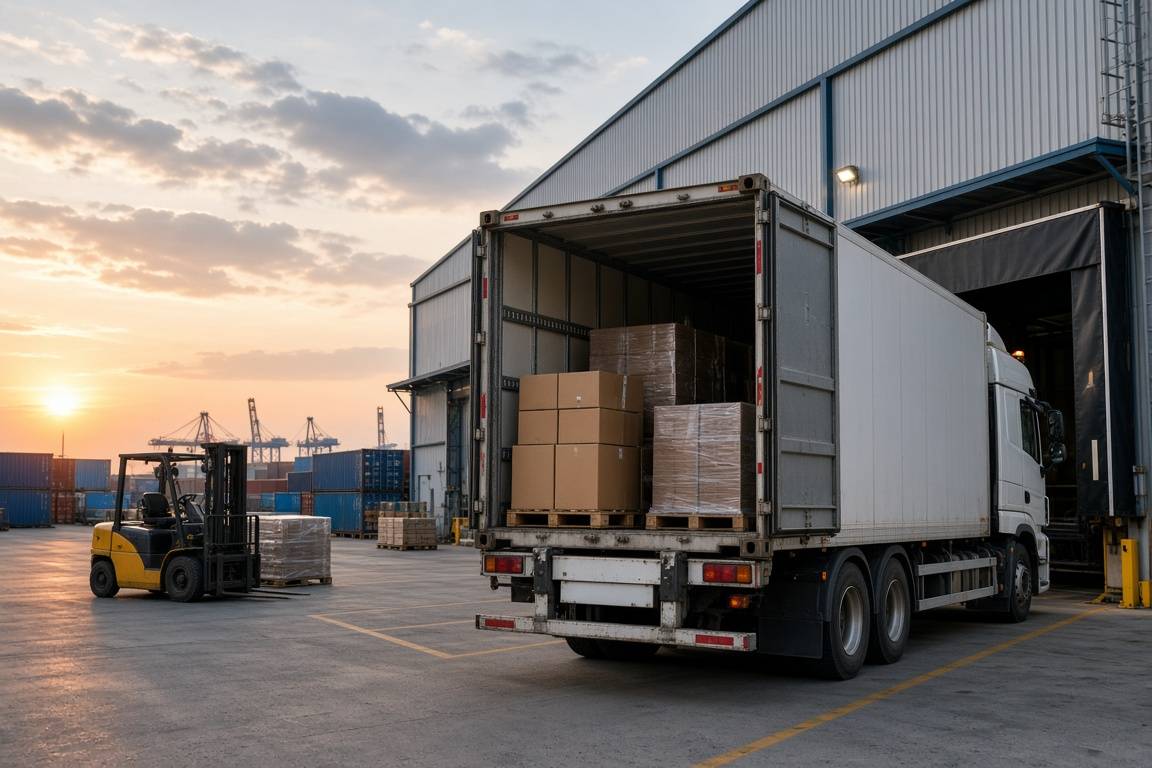
Field note: For DAP shipments, always verify the free time allowed at the destination terminal before the shipment departs. Free time is the period during which the buyer can hold the goods at the terminal without paying storage or demurrage. If the buyer cannot clear and unload within the free time window, the per-diem charges can quickly exceed the freight cost. Confirm the free time in writing with the carrier or terminal operator and plan the buyer’s customs and receiving operations to complete well within that window.
Disclosure: This guide provides general logistics information and may refer to services relevant to the topic. Carrier terms, customs requirements, fees, service coverage, and operating conditions can change. Confirm current requirements and responsibilities before acting.
Key Takeaways
- Under DAP, the seller bears all transit costs and risks to the named destination, but the buyer handles import clearance, duties, taxes, and unloading.
- Risk transfers when the goods arrive at the named place and are ready for unloading, not when the buyer completes customs clearance.
- Use DAP when the buyer has established import capability and the seller has strong transit management; avoid DAP when the buyer cannot clear customs at the destination or lacks receiving capacity.
- The buyer must verify the destination’s customs processing hours, free time, and receiving requirements before the seller books the main carriage.
- Timely arrival notice from the seller and accurate import entry documents from the buyer are the two critical success factors for a clean DAP handoff.
- Any customs delay, inspection, or refusal at the destination is a buyer risk and cost under DAP.
Frequently Asked Questions About DAP Delivery Terms
What is the difference between DAP and the buyer arranging their own carriage?
Under DAP, the seller arranges and pays for the main carriage to the named destination, so the seller controls the transit routing and carrier selection. When the buyer arranges carriage, the buyer controls the transit but also bears the risk and cost of the main carriage. DAP shifts transit management to the seller but keeps import clearance and destination handling with the buyer.
Who pays for customs duties and taxes under DAP shipping terms?
The buyer pays all import duties, taxes, and customs fees under DAP. The seller is not responsible for import clearance or any charges arising from the import process. The buyer must have the local currency and bank authorization to pay these amounts promptly, because customs will not release the goods until payment is made.
Does the seller need to unload the conveyance under DAP?
No. The seller’s delivery obligation is complete when the goods arrive at the named destination and are ready for unloading from the conveyance. The buyer is responsible for arranging and paying for unloading. If unloading requires special equipment or labor, the buyer must have that arranged before the conveyance arrives.
What happens if the goods are damaged during transit under DAP?
Because the seller bears the risk of loss or damage up to delivery at the named place, the seller is responsible for any damage that occurs during the main carriage. The seller should have cargo insurance to cover this risk, and the buyer should inspect the goods at arrival and note any damage on the delivery receipt. However, the buyer must still handle the import clearance and unloading of damaged goods, which can complicate the claims process.
Can DAP be used for any mode of transport?
Yes. DAP is a multipurpose delivery term that works for sea freight, air freight, rail freight, road freight, and multimodal shipments. The named destination can be any place agreed by the parties, and the seller’s obligation is to deliver to that place regardless of the transport mode used.
What documentation does the buyer need from the seller for DAP shipments?
The buyer needs the commercial invoice, packing list, bill of lading or air waybill, and any export certificates or origin documents. The seller must provide these documents in time for the buyer to file the import entry before the goods arrive. Electronic transmission to the buyer’s customs broker is recommended to avoid delays.
What is the buyer’s biggest risk under DAP?
The buyer’s biggest risk is that the shipment arrives at the named destination and the buyer cannot clear customs or unload within the free time allowed. This triggers demurrage, storage, and per-diem charges that can escalate rapidly. The buyer must pre-confirm their import capability, the destination’s receiving capacity, and the free time terms before the shipment departs.
Can the seller choose a different destination than the one named in the contract?
No. The seller must deliver to the named destination specified in the contract. If the seller unloads or diverts to a different location, the seller has not fulfilled delivery and remains responsible for the cost and risk until the goods reach the correct named place. The buyer should always specify the full address and any special delivery instructions in the contract.
Disclaimer: This article is general informational guidance, not a binding quotation, legal opinion, customs ruling, carrier commitment, or delivery guarantee. Requirements, charges, service terms, and responsibilities can vary by route, cargo, contract, carrier, and jurisdiction. Confirm current requirements before booking or filing.