
An ISO container is a standardized intermodal freight container built to internationally recognized specifications for dimensions, strength, handling, identification, and interchange between transport modes. In ocean freight, that standardization allows the same container to move through ports, ships, rail networks, and truck operations without being treated as a completely different piece of equipment at each handoff.
For a shipper, the important point is that an ISO designation does not by itself confirm that a particular container fits the cargo or meets every operational requirement. You still need to verify the container type, internal and door dimensions, payload limits, cargo characteristics, loading method, and applicable carrier or terminal requirements. The relevant standard establishes an equipment framework; the actual shipment determines whether that equipment is suitable.
What ISO Container Standardization Controls
ISO container standards create a common equipment framework for international intermodal transport. The framework addresses characteristics that affect whether containers can be handled consistently by cranes, chassis, rail equipment, vessels, and other compatible systems.

| Area | What it supports | What the shipper still checks |
|---|---|---|
| Dimensions | Consistent equipment footprint | Internal space and door opening |
| Structural strength | Safe handling and stacking | Cargo weight and loading distribution |
| Handling interfaces | Intermodal lifting and securing | Equipment compatibility at each handoff |
| Identification | Equipment tracking and control | Container number and shipment documentation |
| Equipment type | Defines the general container configuration | Whether the configuration suits the cargo |
The distinction matters because standardization describes the equipment, not the cargo plan. A standard dry container can have the expected external dimensions while still being unsuitable for cargo that exceeds its door opening, internal width, height, payload, or loading requirements.
Which ISO Container Details Matter for Ocean Freight?
The container’s nominal size is only the starting point. Cargo planning depends on the relationship between the cargo dimensions and the usable dimensions of the selected equipment. The same principle applies to weight: a container’s allowable payload is not interchangeable with the gross weight limit of the complete transport movement.
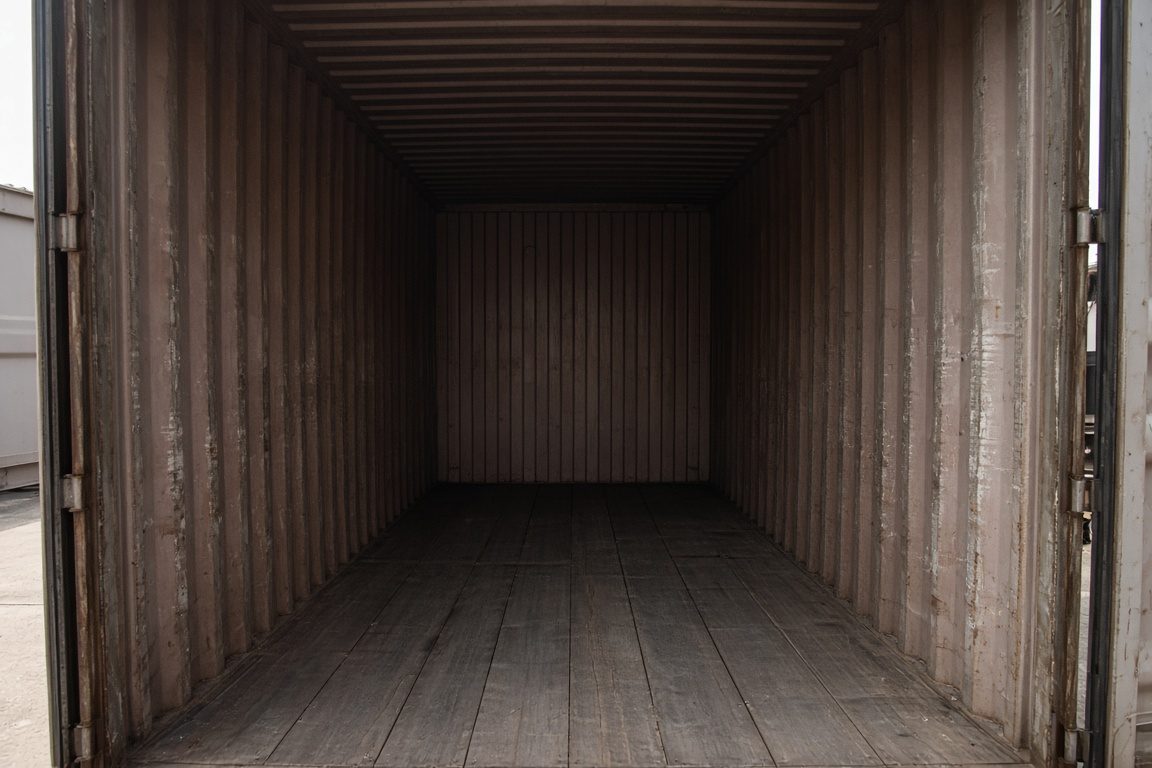
Container type: Confirm whether the cargo requires a general-purpose, high-cube, refrigerated, open-top, flat-rack, or another equipment configuration.
Internal dimensions: Compare the cargo’s actual length, width, and height with the usable container space rather than relying only on the nominal container length.
Door opening: Check the opening separately because cargo can fit inside the container in theory but fail to pass through the doors during loading.
Payload: Confirm the equipment’s permitted cargo weight and compare it with the shipment weight and applicable transport restrictions.
For ocean freight planning, these checks should happen before equipment is booked when the cargo is unusually heavy, oversized, tall, long, or difficult to load. A configured sea freight service can then be evaluated against the actual cargo profile rather than against the container label alone.
ISO Compliance Does Not Mean Cargo Suitability
An ISO-compliant container can still be the wrong equipment for a particular shipment. Standardization answers questions about the equipment’s common design and intermodal handling characteristics. Cargo suitability requires a separate assessment of dimensions, mass, loading method, securing requirements, environmental conditions, and route constraints.
This distinction becomes especially important when cargo approaches a physical limit. A crate that is only slightly narrower than the nominal internal width may still require a door-opening check, because the usable opening can differ from the maximum internal space. Similarly, cargo weight must be assessed against the container’s rated capacity and the applicable limits of the road, rail, terminal, and vessel movement.
The practical selection rule is simple: use the ISO designation to establish the equipment category, then use the shipment specifications to confirm whether that category actually works. When the cargo does not fit a standard configuration, specialized equipment or a different loading plan may be necessary.
What Should Be Verified Before Booking?
The shipper, freight forwarder, carrier, or other responsible party may hold different pieces of the information needed for an equipment decision. The safest approach is to establish the cargo facts first and then confirm the equipment and movement requirements with the party controlling the relevant service.
| Input | Purpose | Confirm with |
|---|---|---|
| Cargo dimensions | Determine physical fit | Shipper or packing team |
| Cargo weight | Check payload suitability | Shipper and logistics provider |
| Container type | Match equipment to cargo | Carrier or forwarder |
| Loading method | Confirm access and handling | Loading facility and equipment provider |
| Route restrictions | Check movement feasibility | Carrier, terminal, and local operators |
Container identification should also remain consistent across operational records. The physical container number, booking information, shipping documents, and terminal records need to refer to the intended equipment and shipment. If equipment changes before loading, the responsible parties should update the relevant records rather than assuming the original information remains valid.
Common ISO Container Planning Mistakes
Most avoidable problems occur when a shipper treats a standard container size as a complete cargo-fit specification. The nominal size provides a useful category, but it does not replace measurements of the actual cargo or the specific equipment assigned to the shipment.
Common mistake: Using the container’s external dimensions to decide whether cargo will fit inside. External dimensions describe the equipment footprint, while cargo loading depends on usable internal dimensions and the door opening. Prevention starts with measuring the packed cargo and checking the equipment specifications before loading.
Operator check: Record the packed dimensions, gross cargo weight, number of packages, loading orientation, and any protrusions before requesting equipment. If the cargo is close to a dimensional or weight limit, ask the carrier or forwarder to confirm the proposed equipment and movement constraints rather than relying on a nominal container description.
Disclosure: This guide provides general logistics information and may refer to services relevant to the topic. Carrier terms, customs requirements, fees, service coverage, and operating conditions can change. Confirm current requirements and responsibilities before acting.
Key Takeaways
ISO container standards provide a common framework for intermodal freight equipment and handling.
A standard container designation does not prove that the equipment is suitable for a particular cargo.
Check internal dimensions and door openings when physical cargo fit matters.
Compare cargo weight with the applicable container payload and transport limits.
Confirm specialized equipment and route constraints before booking unusual or difficult cargo.
ISO Container FAQ
What is an ISO container?
An ISO container is an intermodal freight container designed according to internationally recognized specifications covering characteristics such as dimensions, structural requirements, handling, and identification. The standardization allows compatible equipment to move through different transport modes.
Why are ISO containers used in ocean freight?
They provide standardized equipment that can move between vessels, terminals, trucks, and rail systems with compatible handling equipment. This reduces the need to transfer the cargo itself at every transport-mode change.
Does an ISO container have a standard internal width?
ISO equipment is built around standardized dimensional requirements, but the usable interior dimensions depend on the specific container type and construction. Shippers should verify the actual internal width when cargo fit is important rather than relying on a nominal external dimension.
Does ISO certification mean a container can carry any cargo?
No. The equipment still has physical, structural, and operational limits. Cargo dimensions, weight, loading method, securing requirements, and route conditions determine whether a particular container is suitable.
What should I check before selecting an ISO container?
Start with the packed cargo dimensions and gross weight. Then confirm the required container type, usable internal space, door opening, loading method, payload, and any carrier, terminal, road, or rail restrictions that apply to the movement.
Are all ISO containers the same size?
No. ISO container standards cover multiple equipment configurations and dimensions. Common equipment categories include standard dry containers, high-cube units, refrigerated equipment, open-top containers, and flat-rack equipment. The appropriate choice depends on the cargo and shipment requirements.
Who confirms whether an ISO container is suitable?
The shipper should provide accurate cargo specifications, while the carrier or freight forwarder can confirm equipment availability and applicable transport conditions. For unusual cargo, the loading facility and relevant transport operators may also need to verify handling and movement requirements.
What is the biggest planning mistake with ISO containers?
A common mistake is treating the nominal container size as the available loading space. Cargo planners should use the actual packed dimensions, door opening, usable interior space, weight, and loading method when determining whether the selected equipment will work.
Disclaimer: This article is general informational guidance, not a binding quotation, legal opinion, customs ruling, carrier commitment, or delivery guarantee. Requirements, charges, service terms, and responsibilities can vary by route, cargo, contract, carrier, and jurisdiction. Confirm current requirements before booking or filing.