

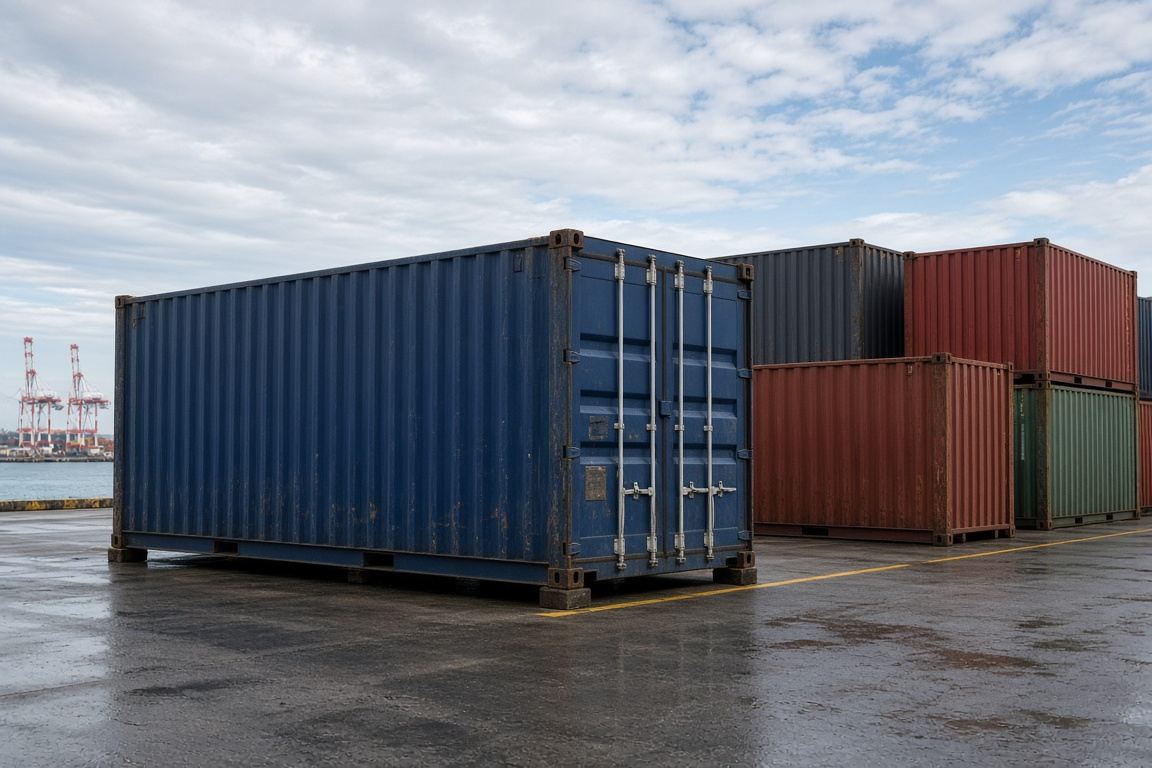
Shipping container width determines whether cargo can fit across the floor, pass through the doors, and use the available space efficiently. A standard ISO dry container is typically about 8 feet (2.44 meters) wide externally, while the usable interior width is narrower because of the container walls and structure. For cargo planning, the internal width and door opening matter more than the nominal external dimension.
Before booking equipment, compare the cargo’s actual dimensions with the container’s internal width and door clearance. Pallet dimensions, packaging tolerances, loading orientation, wall construction, and the specific container’s condition can change the practical fit. A cargo plan that works on nominal dimensions alone may fail at the door or leave unusable gaps inside the container.
What Container Width Controls
Container width affects three separate loading questions: whether cargo can enter the container, whether it can be positioned as planned, and how efficiently the floor area can be used. These questions should not be treated as the same measurement.
The external width describes the equipment envelope used for transport and handling. The internal width describes the space available between the side walls. The door opening introduces another practical limit because cargo must pass through a smaller opening before reaching the full interior space. Exact dimensions vary by container design and manufacturer, so the equipment specification should be checked before loading.
| Measurement | What it tells you | Planning use |
|---|---|---|
| External width | Overall equipment envelope | Transport and handling clearance |
| Internal width | Space between side walls | Cargo fit and row planning |
| Door opening width | Passage available at the doors | Loading and unloading access |
| Cargo width | Actual packaged footprint | Fit verification |
How Usable Interior Width Differs From Nominal Width
A container described as 8 feet wide does not provide a full 8 feet of unobstructed cargo space. Side-wall construction, corner posts, lining, fittings, and manufacturing tolerances reduce the usable interior dimension. The door opening can reduce the effective clearance further.
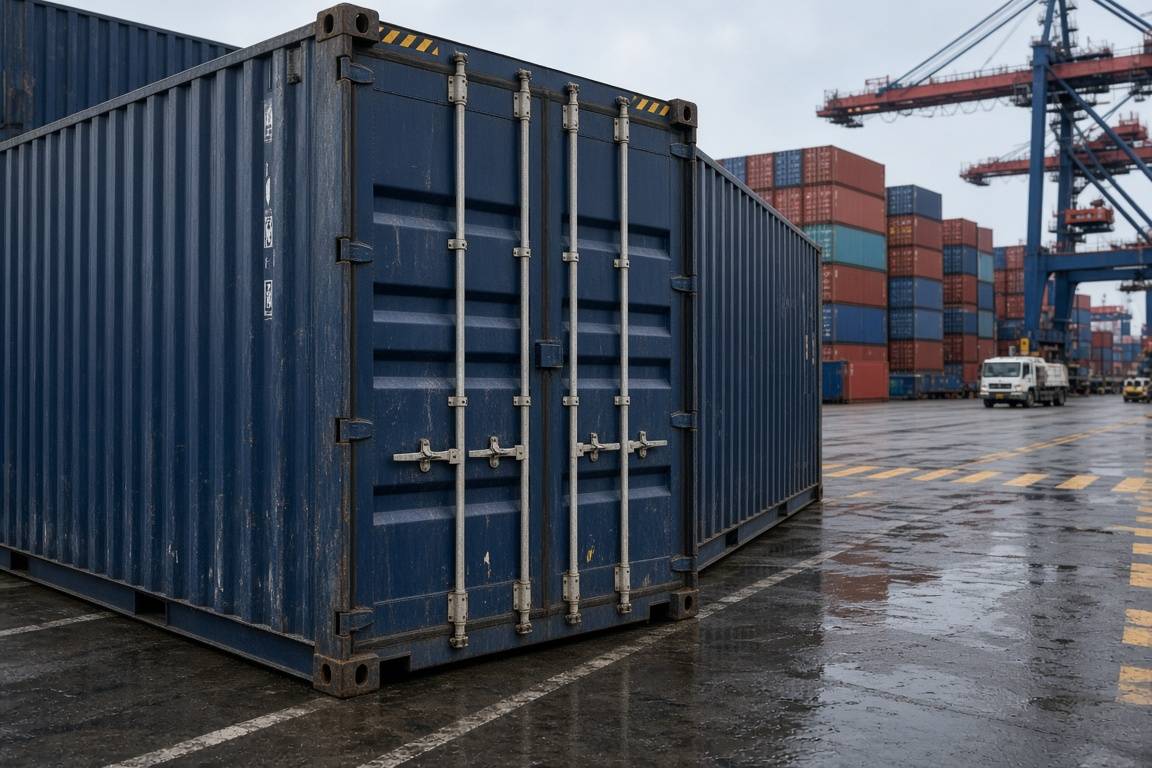
For load planning, use the actual specification for the container type rather than subtracting an assumed allowance from the external width. This is especially important when cargo is close to the available clearance. Measurements should include the packaging, pallets, skids, protective materials, and any protrusions that remain attached during loading.
The same principle applies to height and length. A cargo plan should use internal dimensions and access openings as separate constraints instead of treating the container’s advertised nominal size as the available loading envelope.
When Width Matters Most in Cargo Planning
Width becomes a binding constraint when the packaged cargo is wide, when two units must be loaded side by side, or when pallet orientation determines the number of rows that can be placed across the floor. A small dimensional difference can change the loading pattern when the remaining clearance is limited.
Pallet planning should therefore start with the pallet’s loaded footprint rather than the empty pallet specification. A pallet that technically fits may still create problems if cartons overhang the edges or if wrapping and corner protection increase the final width.
Width also matters for machinery and other rigid cargo. A machine may fit within the internal width but still fail to pass through the door because its approach angle, packaging, or attached components require more clearance than the opening provides.
Standard palletized cargo: Confirm the packaged footprint and loading orientation before calculating how many units fit across the floor.
Wide machinery: Check both the door opening and the internal width, including fixed components that cannot be removed for loading.
Irregular cargo: Use the maximum packaged width and account for the clearance needed to maneuver the cargo into position.
Check Cargo Fit Before Booking
Measure the finished cargo
Record the maximum length, width, and height after packaging. Include pallets, skids, wrapping, protective frames, and any permanent protrusions.
Confirm the equipment dimensions
Obtain the actual internal dimensions and door opening for the proposed container type. Do not rely only on the nominal 20-foot or 40-foot designation.
Test the loading orientation
Determine how the cargo will enter the door and how it will be positioned inside. Check whether the planned orientation leaves practical clearance for loading equipment and adjacent cargo.
Confirm the final load plan
Have the shipper, warehouse, or logistics provider verify the dimensions and loading method before the container is released for loading, particularly when clearances are tight.
Field note: Measure the cargo in its final loading condition. A drawing that shows the product dimensions without packaging is not sufficient when packaging determines the actual footprint.
Standard Width vs. Wider Container Options
Most general-purpose dry containers use a standard width that works for a broad range of cargo. Specialized or pallet-oriented equipment can provide different dimensions, but availability, route acceptance, handling arrangements, and cost can vary. A wider container should therefore be considered only when the additional usable space solves a defined loading constraint.
The practical selection rule is simple: first determine the required packaged width and loading pattern, then compare equipment that can accommodate those requirements. Choosing a container solely because it has a larger nominal dimension can create an unnecessary equipment constraint if that equipment is less available on the intended route.
When standard equipment cannot accommodate the cargo, confirm the alternative equipment’s actual internal dimensions, door opening, handling requirements, and route availability with the carrier or logistics provider before committing to the load plan.
Common Width Mistakes and Operator Checks
Common mistake: Treating the container’s external width as the cargo space. The external dimension describes the equipment envelope, not the unobstructed floor width. Prevention: use the specific container’s internal dimension for cargo-fit calculations.
Common mistake: Checking internal width but ignoring the door opening. Cargo that fits inside the container may still be unable to pass through the doors. Prevention: compare the maximum packaged width with both measurements and consider the actual loading path.
Operator check: If the cargo is close to the available clearance, obtain equipment-specific dimensions and confirm the loading method before the container is dispatched to the loading site.
Disclosure: This guide provides general logistics information and may refer to services relevant to the topic. Carrier terms, customs requirements, fees, service coverage, and operating conditions can change. Confirm current requirements and responsibilities before acting.
Key Takeaways
Use internal container width for cargo-fit planning rather than the nominal external width.
Check the door opening separately because cargo must pass through it before reaching the full interior space.
Measure cargo after packaging, including pallets, wrapping, protective materials, and protrusions.
Confirm equipment-specific dimensions when the cargo clearance is tight or the cargo is difficult to maneuver.
Choose specialized wider equipment only when its additional usable space solves a defined loading requirement.
Shipping Container Width FAQ
What is the standard width of a shipping container?
Most standard ISO dry containers are approximately 8 feet (2.44 meters) wide externally. The usable interior width is narrower because of the container walls and structure, so cargo planning should use the equipment’s actual internal specification.
Is the inside of a shipping container 8 feet wide?
No. The commonly quoted 8-foot dimension refers to the approximate external width of standard containers. The internal width is smaller and should be confirmed from the specification for the actual container type.
Why does the door opening matter if the cargo fits inside?
The cargo must pass through the door before it reaches the wider interior space. A rigid item can therefore fit within the interior width but still fail to enter because the door opening is narrower or the loading approach requires additional clearance.
What width should I use for pallet load planning?
Use the finished pallet footprint and compare it with the container’s actual internal width and door opening. Include carton overhang, wrapping, and other materials that affect the final loaded dimensions.
Does container width vary between manufacturers?
Yes. Dimensions can vary by container design, equipment type, manufacturer, and construction details. When clearance is critical, use the dimensions supplied for the specific equipment rather than relying on a generic container dimension.
Can wide cargo be loaded into a standard container?
It depends on the cargo’s packaged width, the container’s internal width, the door opening, and the loading method. Cargo that cannot pass through the available opening may require different equipment or a different loading arrangement.
What should I measure before booking a container?
Measure the cargo’s maximum packaged length, width, and height, then compare those dimensions with the proposed container’s internal dimensions and door opening. Also confirm how the cargo will be maneuvered into position.
Is a wider container always better for cargo planning?
No. Additional width is useful only when it addresses a specific fit or loading-efficiency problem. Equipment availability, route acceptance, handling requirements, and commercial conditions should also be confirmed before selecting a wider option.
Disclaimer: This article is general informational guidance, not a binding quotation, legal opinion, customs ruling, carrier commitment, or delivery guarantee. Requirements, charges, service terms, and responsibilities can vary by route, cargo, contract, carrier, and jurisdiction. Confirm current requirements before booking or filing.