

Delivered Duty Paid (DDP) is the trade term that places the maximum responsibility on the seller: you pay all freight costs, import duties, taxes, and customs clearance fees, and you bear every risk until the buyer receives the goods at the named place of destination. In plain operational terms, DDP means you take full ownership of the international shipment from your warehouse to your customer’s door, including every customs hurdle and government charge along the way.
As the seller under DDP, you are effectively the importer of record in the destination country, even though you have no local presence there. That status triggers a specific set of obligations: you must arrange customs clearance, pay all applicable duties and VAT, provide accurate Harmonized System (HS) codes, and ensure compliance with local import regulations. The commercial consequence is that you control the entire delivery experience but also absorb all cost overruns from tariff reclassifications, valuation adjustments, and customs examinations. Use DDP when your margin can absorb import costs, your shipment data is precise, and your buyer expects a seamless door-delivery experience. Avoid DDP for high-tariff products, restricted goods, or destinations with unpredictable customs enforcement unless you have a licensed customs broker on the ground.
How DDP Changes the Shipment Lifecycle
DDP transforms the standard international shipment into a single, seller-managed delivery chain. The shift from a port-to-port or airport-to-airport arrangement to a door-to-door obligation creates a distinct set of operational checkpoints. Understanding these checkpoints is the difference between a profitable DDP offer and a shipment that loses money at the border.
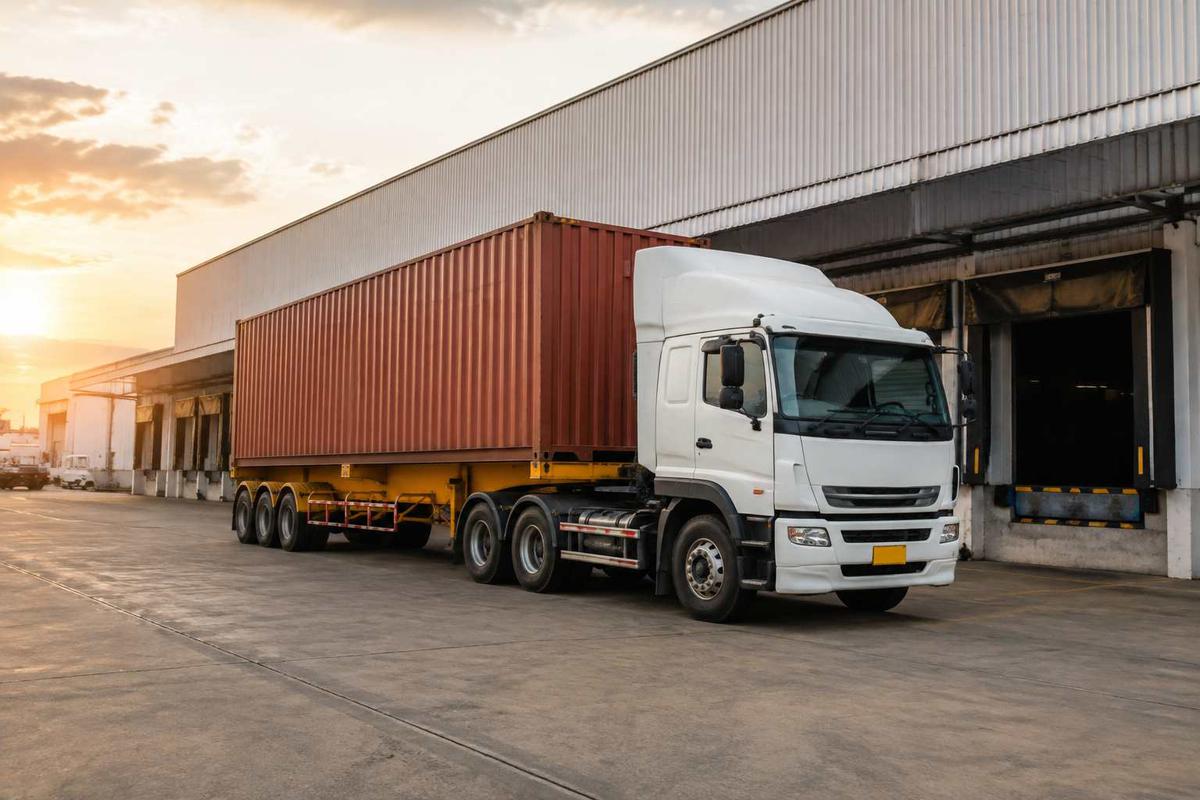
Under DDP, your responsibility begins when the cargo is loaded at your origin facility and ends only when the buyer signs the delivery receipt at the final address. Every step in between falls to you or your appointed agent. That includes origin pickup, export customs clearance, main carriage (sea, air, rail, or truck), import customs clearance in the destination country, payment of all duties and taxes, and final delivery to the buyer’s premises. The buyer has no obligation to assist with customs, pay any charges, or arrange any portion of the transport.
The defining operational moment under DDP is the import customs clearance at the destination. Because you act as the importer of record, you must submit a customs entry in the destination country using your own or your broker’s credentials. That entry declares the commercial value, HS classification, country of origin, and applicable duty preferences. The customs authority then assesses duties and taxes based on that declaration and the local tariff schedule. You pay those amounts before the shipment is released. If the customs authority disputes the declared value or classification, you bear the cost of the adjustment and any resulting penalty or delay.
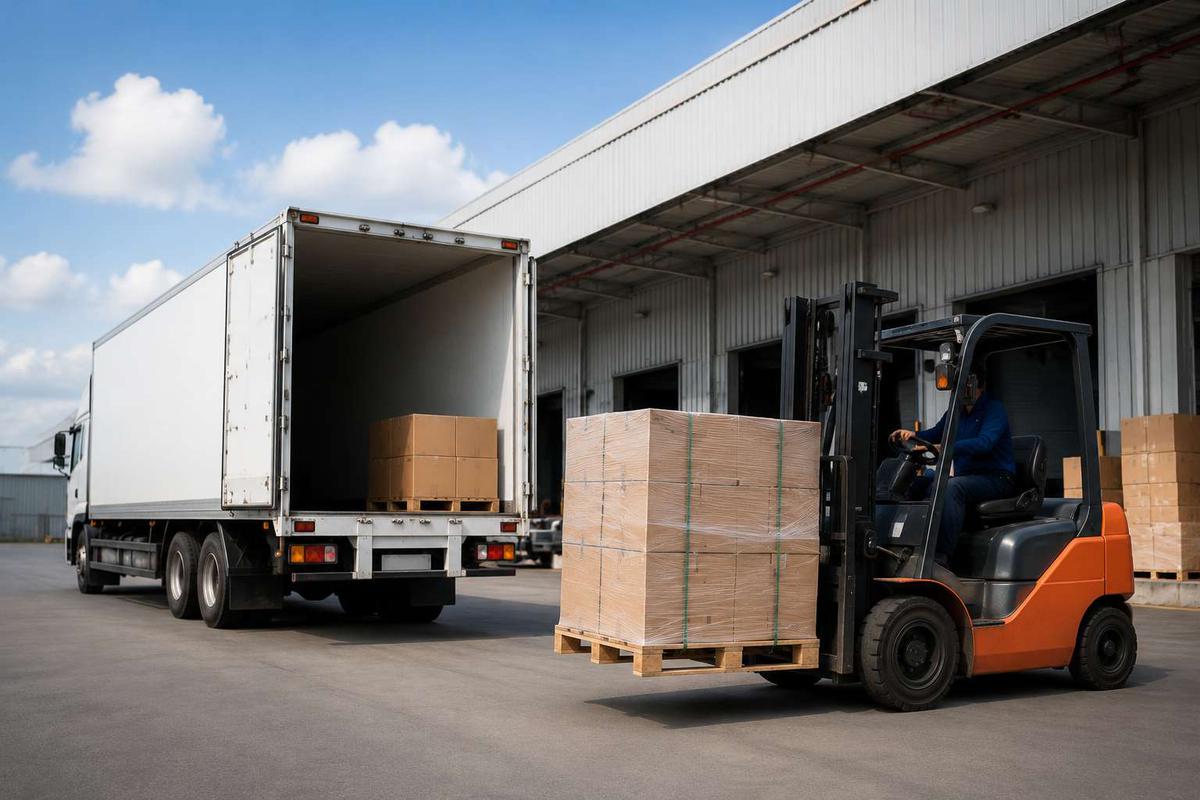
Once cleared, the shipment moves to the final delivery stage. The carrier or local delivery partner transports the goods to the buyer’s address and obtains proof of delivery. Your risk transfers to the buyer at that exact moment. Until that signature is collected, you are responsible for loss, damage, or delay.
Carriers and freight forwarders typically offer DDP as a service add-on or as part of a comprehensive door-to-door shipping solution. The service provider handles the logistics execution, but you remain commercially responsible for the accuracy of the customs declaration and the sufficiency of the funds to cover duties and taxes.
When DDP Fits and When It Does Not
DDP is a powerful tool for sellers who want to differentiate on service and remove friction for their buyers. However, it carries real operational and financial exposure. The decision to offer DDP should be driven by your product characteristics, destination market, and internal compliance capability.
Strong fit: Low-tariff, non-restricted consumer goods shipped to stable markets with transparent customs regimes, such as the EU, the United States, and Japan. Your margin is sufficient to absorb duty and VAT, and you have accurate cost data.
Good fit: High-value B2B equipment where the buyer requires a single landed cost for procurement approval. DDP removes the variable of unexpected import fees from the buyer’s purchasing decision.
Weak fit: High-tariff goods such as textiles, footwear, automotive parts, or agricultural products where duties can exceed 20% of the commercial value. The duty burden often erodes margin or makes your delivered price uncompetitive.
Poor fit: Restricted or regulated products including electronics with certification requirements, food and beverage items, pharmaceuticals, or hazardous materials. These goods face heightened customs scrutiny, licensing requirements, and potential seizure risk.
Avoid: Destinations with complex or opaque customs processes, such as Brazil, Argentina, India, or Russia, where duty rates are volatile, valuation disputes are common, and local representation requirements add cost.
Conditional: New market entries where you want to test demand without asking the buyer to navigate local customs. Use DDP for initial sample shipments only after confirming the all-in cost and clearance feasibility with a licensed customs broker.
Before you commit to DDP for a new destination or product line, confirm three things: the accurate HS classification, the current applicable duty rate and VAT, and the destination country’s documentation requirements for non-resident importers. Missing any of these inputs converts a simple delivery into a costly customs dispute.
DDP vs. Other Delivery Terms: A Practical Comparison
DDP sits at one end of the risk-and-cost spectrum. The term that most directly contrasts with DDP is Delivered at Place (DAP), where the seller delivers the goods to the named place but does not clear import customs or pay duties. Under DAP, the buyer is responsible for import clearance and all associated charges. The practical difference is significant for both cost and compliance.
| Responsibility | DDP (Seller) | DAP (Seller) | FOB (Buyer) |
|---|---|---|---|
| Origin freight and export clearance | Seller | Seller | Seller / Buyer |
| Main carriage freight cost | Seller | Seller | Buyer |
| Import customs clearance | Seller | Buyer | Buyer |
| Import duties and taxes | Seller | Buyer | Buyer |
| Final delivery to buyer’s door | Seller | Seller | Buyer |
| Risk transfer point | At delivery | At delivery (uncleared) | At origin loading |
| Importer of record | Seller | Buyer | Buyer |
For most B2B transactions, DAP offers a balanced middle ground: the seller manages the transport and delivery, while the buyer handles customs using their own local license and tax registration. This arrangement avoids the seller needing to register for VAT in the destination country, which is often a requirement for DDP. Choose DDP only when the buyer explicitly requests a fully landed price and you have the compliance infrastructure to support it.
If you are comparing DDP with other service levels for time-sensitive shipments, review your options for air freight versus ocean or rail. Air freight offers faster transit but higher base costs, which amplify the duty-and-tax exposure under DDP. Sea and rail provide lower freight costs but longer lead times, which can be acceptable for buyers who prioritize price over speed.
Operational Requirements for DDP
Executing DDP successfully requires specific documentation, data, and service arrangements. These are not optional recommendations; they are prerequisites for clearing customs and completing delivery without penalties.
Customs Brokerage and Importer of Record
You need a licensed customs broker in the destination country to file the import entry on your behalf. The broker acts as your agent and must have your power of attorney. Some freight forwarders offer in-house brokerage; others work with third-party brokers. Confirm that your broker can handle non-resident importers and that they have experience with your product category. Without a qualified broker, you cannot clear customs under DDP. For dedicated support, consider engaging a specialized customs brokerage service that understands your supply chain and destination market.
Commercial Invoice and Packing List
The commercial invoice must include the buyer and seller details, a complete description of the goods, the HS code at the 6-digit level or deeper, the commercial value in the destination currency, the country of origin, and the applicable incoterm (DDP). The packing list must itemize each package’s contents, weight, dimensions, and piece count. Discrepancies between the invoice and the actual shipment are the leading cause of customs holds under DDP.
Duty and Tax Calculation
You must calculate the landed duty and tax amount before the shipment departs. The calculation uses the commercial value plus the freight and insurance costs (the customs valuation basis) multiplied by the applicable tariff rate, plus the VAT or sales tax. Use the official customs authority’s tariff database for the destination country. Do not rely on third-party estimates or historical rates. Include a buffer of 10-20% in your pricing to cover exchange rate fluctuations and potential reclassification.
Documentation for Non-Resident Importers
Many countries require non-resident importers to obtain a local tax identification number or register for VAT. This requirement varies by jurisdiction and shipment value. For example, the EU requires an Economic Operator Registration and Identification (EORI) number for any importer, including non-EU sellers, to clear goods. The United States requires an Internal Revenue Service (IRS) number or a Customs Assigned Number for non-resident importers. Confirm these registrations before you ship. The process can take several weeks and may require a local fiscal representative.
Insurance
Because you bear the risk until delivery, cargo insurance is essential under DDP. The insurance covers loss or damage during transit and should be written on a warehouse-to-warehouse basis. The policy must name the buyer as the beneficiary or include a contingent interest clause to ensure the buyer can claim in the event of loss. Review your cargo insurance options to confirm coverage limits align with the commercial value of your shipment.
Common Mistakes and Operator Checks
Mistake: Using DDP for a new destination without verifying the HS classification. The trigger is a customs audit or a random inspection that finds the declared HS code does not match the product. The consequence is duty reassessment at a higher rate, plus penalties and delayed delivery. Prevention: obtain a binding tariff ruling from the destination customs authority before shipping, or engage a broker to classify the product with reasonable certainty.
Field note: Buyer refusal at delivery. Some buyers resist accepting a DDP shipment because they receive a customs notice addressed to them even though the seller is the importer. This often happens when the buyer’s local tax registration number appears on the entry or when the broker uses the buyer’s address as the contact. The buyer may fear future tax liability or customs audits. To avoid this, instruct your broker to list the seller as the importer of record and to use the seller’s own contact details where possible. Provide the buyer with a simple delivery guide that explains they will not incur any customs charges.
Disclosure: This guide provides general logistics information and may refer to services relevant to the topic. Carrier terms, customs requirements, fees, service coverage, and operating conditions can change. Confirm current requirements and responsibilities before acting.
Key Takeaways
- DDP places all freight, duty, tax, and clearance responsibility on the seller until delivery at the buyer’s door.
- You act as the importer of record in the destination country and must have a licensed customs broker and appropriate tax registrations.
- Use DDP for low-tariff, non-restricted goods in stable markets where your margin can absorb import costs.
- Avoid DDP for high-tariff goods, restricted products, or opaque customs jurisdictions without a local broker and cost buffer.
- Confirm the HS classification, duty rate, and documentation requirements before shipping; build a 10-20% cost buffer into your pricing.
- DAP is often a more balanced alternative because it leaves import clearance and duties with the buyer.
- Cargo insurance on a warehouse-to-warehouse basis is essential because you bear the risk until final delivery.
Frequently Asked Questions About DDP Shipping
What does DDP mean in shipping terms?
Delivered Duty Paid means the seller pays all freight, insurance, import duties, taxes, and customs clearance costs and bears all risk until the buyer receives the goods at the named destination. It is the highest-responsibility term for the seller and the lowest-risk term for the buyer.
Who is the importer of record under DDP?
The seller is the importer of record under DDP, even if the seller has no presence in the destination country. This means the seller must arrange customs clearance, pay all duties and taxes, and comply with local import regulations. The buyer has no import obligations.
Is DDP good for the seller or the buyer?
DDP is favorable for the buyer because they receive a fully delivered price with no hidden customs charges. For the seller, DDP offers a competitive differentiator but carries substantial cost and compliance risk. The seller must accurately calculate duties and have the infrastructure to clear goods in the destination country.
What is the difference between DDP and DAP?
Under DAP, the seller delivers the goods to the named place but does not clear import customs or pay duties and taxes. The buyer is responsible for those costs and formalities. Under DDP, the seller takes on the full import clearance and duty payment obligation. The seller bears significantly more cost and regulatory risk under DDP.
Do I need a customs broker for DDP shipments?
Yes. A licensed customs broker in the destination country is required to file the import entry and pay duties on your behalf. The broker must have your power of attorney and be capable of acting for a non-resident importer. Attempting DDP without a qualified broker will result in customs holds and storage charges.
Can I offer DDP if I don’t have a local entity in the buyer’s country?
Yes, but you must obtain the necessary tax registrations for non-resident importers, such as an EORI number in the EU or a Customs Assigned Number in the US. The process can take several weeks and may require a local fiscal representative. Many sellers choose DAP instead to avoid this registration burden.
What happens if customs assesses higher duties than I estimated?
You are responsible for the full amount assessed by customs. The goods will not be released until the duty is paid. The additional cost reduces your margin or may exceed your pricing. Build a 10-20% contingency buffer into your cost model and work with your broker to confirm the classification before shipping.
Is cargo insurance required for DDP shipments?
Cargo insurance is strongly recommended and is often a commercial necessity because the seller bears the risk of loss or damage until the delivery is signed. The policy should cover warehouse-to-warehouse transit and name the buyer as the beneficiary or include a contingent interest clause to protect both parties.
Disclaimer: This article is general informational guidance, not a binding quotation, legal opinion, customs ruling, carrier commitment, or delivery guarantee. Requirements, charges, service terms, and responsibilities can vary by route, cargo, contract, carrier, and jurisdiction. Confirm current requirements before booking or filing.