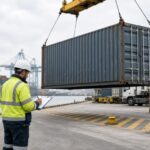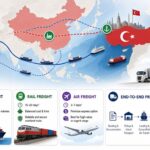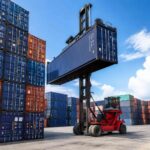

Sea freight from China to the USA remains the cornerstone of trans-Pacific trade, offering the most scalable solution for high-volume commercial replenishment. Moving goods across this corridor requires precise coordination between origin manufacturing, international ocean carrier scheduling, and US destination terminal handling. Whether you are navigating FCL (Full Container Load) or LCL (Less than Container Load) shipments, the complexity of the supply chain demands a disciplined approach to documentation and Incoterm selection. By leveraging services like Sea Freight, importers can optimize their landed costs while maintaining consistent delivery timelines. This guide provides the operational framework necessary to manage your cargo effectively, mitigate transit risks, and ensure regulatory compliance upon arrival at major US gateways. Importers must prioritize clear communication with their freight partner to avoid common bottlenecks in port processing and inland distribution. Published by Tjchinalogistics logistics research team.
What Is Sea Freight from China to USA and Who Is It For?
Sea freight from China to the USA is the primary transportation mode for bulk, heavy, or oversized commercial goods that do not require the speed of air transport. It is the preferred choice for B2B importers looking to balance cost-efficiency with volume capacity. The service is suitable for businesses managing recurring inventory cycles, manufacturing components, or retail stock that can withstand a transit time of several weeks.
The ideal candidate for this mode is an importer with well-planned lead times and sufficient storage capacity at the destination. If your business relies on JIT (Just-in-Time) delivery or high-value, time-sensitive electronics, ocean freight may be too slow, and alternatives like Air Freight might be more appropriate. However, for the vast majority of consumer goods, ocean transit is the only economically viable option.
Before selecting this mode, importers must determine their readiness for import compliance. This includes possessing a valid US Importer of Record (IOR) status, obtaining a continuous customs bond, and preparing for ISF (Importer Security Filing) requirements. Failure to align your internal shipment readiness with the ocean carrier’s schedule can lead to significant demurrage and storage costs upon arrival at US terminals.
Comparison of Shipping Modes for US Imports
| Mode | Cost Level | Speed | Best For |
|---|---|---|---|
| Sea Freight | Low | 3-6 Weeks | Bulk Commercial Goods |
| Air Freight | High | 3-7 Days | Urgent/High-Value Items |
| Multimodal | Medium | 2-4 Weeks | Time-Sensitive Bulk |

Transport Mode Selection and Route Gateway Logic for Sea Freight from China to USA
Selecting the correct gateway is critical to minimizing inland transit times and total logistics costs. For shipments destined for the US West Coast, major ports like Los Angeles and Long Beach serve as the primary entry points. These gateways are ideal for reaching the Midwest and Western states via rail or truck. Conversely, for US East Coast destinations, transit through the Suez or Panama Canal to ports like New York/New Jersey or Savannah is standard.
The choice between a West Coast or East Coast gateway often depends on the final destination of the cargo. Importers must weigh the cost of ocean freight to the port against the inland transportation costs required to move the container to its final warehouse. Working with a partner experienced in Door To Door services can help bridge these gaps and ensure seamless transition between ocean and inland carriers.
Importers should also consider the specific nature of their cargo. Perishables, hazardous materials, or oversized machinery may require specialized equipment or specific terminal handling capabilities. Always confirm that your chosen carrier has existing contracts at the specific destination terminal to prevent transit rerouting or unexpected handling fees at the port of discharge.
FCL vs LCL and Cargo Configuration Breakdown
Deciding between FCL (Full Container Load) and LCL (Less than Container Load) is the most significant decision for cost-optimization. FCL is generally more cost-effective for shipments exceeding 15-20 cubic meters, as you pay for the entire container regardless of whether it is fully utilized. This minimizes the risk of damage during transit, as the container is sealed at the factory and remains undisturbed until it reaches the destination.
LCL is the preferred option for smaller shipments that do not fill a 20ft or 40ft container. In an LCL arrangement, your goods are consolidated with other shippers’ cargo into a single container. While this provides a lower entry price, it involves additional handling at origin and destination warehouses, which can increase the overall transit time and the risk of cargo mishandling.
Importers must also consider the physical dimensions and weight of their cargo. Heavy cargo may be subject to weight restrictions on US highways, which could limit the amount of product that can be loaded into a single container. Always verify maximum payload capacities for both the container and your final inland transport carrier to avoid costly offloading or transloading at the port.
Transit-Time Architecture and Port-to-Port Delivery Matrix
Transit time is not merely the duration of the ocean voyage; it is the sum of port-to-port travel, customs clearance, and inland delivery. Ocean transit from major Chinese ports to US West Coast ports typically takes 14-20 days, while transit to East Coast ports can range from 25-35 days via the Panama Canal. These are estimates and are subject to carrier scheduling, vessel berthing delays, and port congestion.
Total delivery time is heavily influenced by the speed of customs clearance and the availability of inland transport (drayage). During peak seasons, port congestion can add weeks to the total transit duration. Importers should build a buffer into their supply chain to account for these variables, particularly if the goods are required for seasonal sales or fixed-date project deadlines.
The following matrix provides an approximate breakdown of transit segments. Note that these figures excludes the time required for cargo pickup at the factory and final delivery at the consignee’s warehouse, which can add an additional 3-7 days depending on distance and local infrastructure.
Approximate Transit Time Estimates (Port-to-Port)
| Route | Ocean Transit (Days) | Total Cycle Estimate (Days) |
|---|---|---|
| China to US West Coast | 14-20 | 25-35 |
| China to US East Coast | 25-35 | 40-55 |

Landed Cost Anatomy and Destination Port Surcharges
Calculating landed costs requires a comprehensive view of all logistics expenses, not just the base ocean freight rate. The landed cost includes the cost of goods, export customs fees, ocean freight, marine insurance, destination port charges (such as wharfage and terminal handling fees), customs brokerage, duties, taxes, and final inland drayage.
Destination charges can be significant and often vary based on the specific terminal and the carrier. Common surcharges include fuel adjustment factors (FAF), currency adjustment factors (CAF), and peak season surcharges (PSS). Importers should request a detailed quote breakdown that clarifies which fees are included in the freight quote and which are payable at the destination.
Incoterms play a vital role in determining who pays for these costs. For example, under an FOB (Free on Board) agreement, the buyer is responsible for all costs from the port of loading onward. Understanding the specific responsibilities under your chosen Incoterm is essential for accurate budget forecasting and avoiding disputes with your supplier or freight forwarder.
Customs Clearance, Regulatory Compliance, and Required Documents
Successful customs clearance in the USA depends on the accuracy of your documentation and compliance with federal regulations. The Importer of Record is responsible for ensuring that all goods are correctly classified according to the Harmonized Tariff Schedule (HTS) and that all applicable duties and taxes are paid in full. Failure to provide accurate information can result in shipment seizure, fines, or delayed clearance.
Essential documentation includes the commercial invoice, packing list, bill of lading, and any required certificates of origin or specialized agency permits (e.g., FDA, FCC, or USDA). For ocean freight, the Importer Security Filing (ISF) must be submitted at least 24 hours before the container is loaded onto the vessel at the port of origin. Missing this deadline carries a significant financial penalty.
Working with a licensed customs broker is highly recommended for navigating the complexities of US import regulations. A professional broker will verify your HTS classifications, ensure proper bonding, and act as the liaison between your firm and CBP. They play a critical role in preventing compliance bottlenecks that can cause a container to be held at the port for extended periods.
Essential Shipping and Customs Documents
| Document | Purpose | Primary Responsibility |
|---|---|---|
| Bill of Lading | Contract of Carriage | Carrier |
| Commercial Invoice | Transaction/Value Details | Shipper |
| Packing List | Cargo Details/Weights | Shipper |
| ISF (10+2) | Security Filing | Importer |
Seasonality, Carrier GRI, and Peak Disruption Management
The trans-Pacific trade lane is heavily impacted by seasonal demand, particularly the pre-Lunar New Year rush in China and the lead-up to the US holiday retail season. During these periods, carrier capacity tightens, and General Rate Increases (GRI) are frequently implemented. Importers should plan their shipments well in advance to avoid the high costs and limited space availability associated with these peak windows.
Disruptions can manifest in various ways, from labor strikes at US ports to geopolitical events affecting maritime routes. Having a contingency plan, such as identifying alternative ports or utilizing a mix of FCL and LCL, can provide the flexibility needed to navigate these challenges. Proactive communication with your freight forwarder is the most effective way to stay informed about potential disruptions before they impact your cargo.
Management of these risks requires a strategic approach to inventory. Importers who maintain a buffer stock or have diversified supply sources are better positioned to weather short-term capacity crunches. Always evaluate your carrier’s reliability and historical performance during peak seasons when choosing a long-term logistics partner.
Strategic Decision Framework: Choosing Your Ideal Shipping Route
Choosing the ideal shipping route involves balancing speed, cost, and risk. For high-volume, non-urgent goods, standard ocean freight remains the gold standard. However, as business needs shift, importers must be prepared to adjust their strategy. This might include shifting from port-to-port to door-to-door services to streamline operations or consolidating smaller shipments to optimize FCL utilization.
The decision framework should always start with your cargo requirements. Consider the size, weight, and value of your goods, as well as the sensitivity of your supply chain to transit delays. Once these parameters are defined, compare the total landed cost of various modes and gateways. Do not overlook the hidden costs of inland transportation and potential storage fees when making your final selection.
Ultimately, the most successful importers are those who treat logistics as a strategic function rather than a back-office expense. By continuously evaluating your shipping processes, verifying your compliance, and maintaining strong relationships with experienced freight partners, you can build a resilient and cost-effective supply chain that supports your long-term business goals.
Next Steps for Your Freight Strategy
Navigating sea freight from China to the USA requires a proactive and informed approach. By understanding the interplay between shipping modes, customs regulations, and landed cost components, you can effectively manage your supply chain and minimize operational risks.
We encourage you to review your current shipping volumes and destination requirements against the insights provided in this guide. Consistent evaluation and clear communication with your logistics provider will ensure that your goods move efficiently across the Pacific.
Need a tailored shipping solution?
To receive an accurate assessment for your shipment, please provide your gross weight, total CBM, commodity details, and origin/destination zip codes. Our freight team can then compare feasible options, scope, timing assumptions, and document requirements for your specific lane.