

Reviewed by TJ Logistics Team — October 2026. Market, cost, customs, tariff, and marketplace information has been reviewed for this month; applicable requirements and operating conditions may change. The review applies practical route-planning checks across supplier pickup, gateway and mode selection, customs handoff, and final delivery.
Shipping from China to Morocco: Route Update
For a full container on the named Chiwan, China → Casablanca, Morocco route, the FCL 20GP reference is $4,188/container with a planning transit time of 39–43 days. The operational journey starts with collection from the Chinese supplier, continues through the agreed origin gateway and international transport, and ends with Moroccan customs clearance and delivery to the receiving address.
Sea freight is the starting choice for non-urgent containerized or consolidated shipments, while air freight and express suit more time-sensitive cargo. A rail-led multimodal option can also be compared when the rail, sea, and road transfers fit the shipment’s destination and delivery requirements.
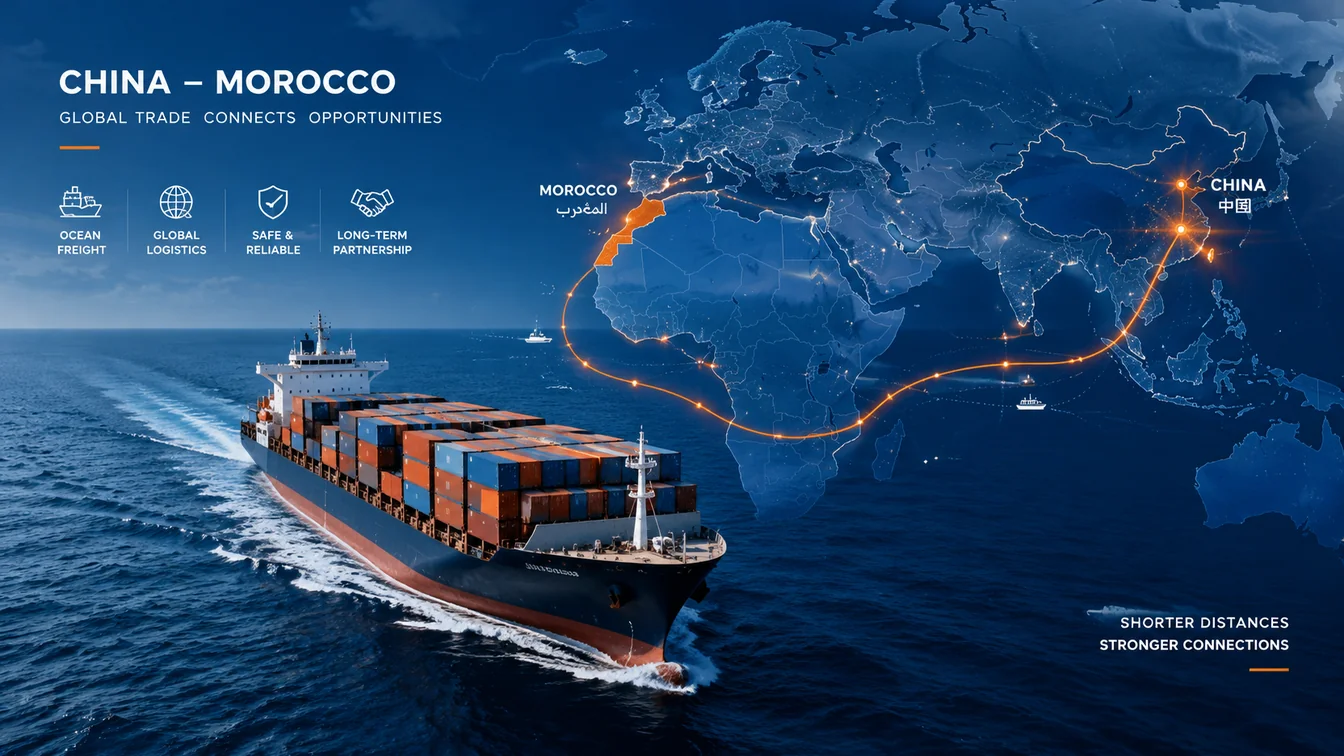
Route Planning Summary
- Which China gateway should I compare with Morocco?
-
Start with the export gateway that is practical for the supplier’s factory location, then compare the available route to Casablanca or Tanger Med against the final Moroccan delivery region.
- Which shipping method suits the shipment?
-
Sea freight is a sensible starting point for non-urgent commercial cargo; LCL suits consolidated shipments, while air freight, express, and rail-led multimodal transport serve different urgency, cargo-handling, and routing requirements.
- How should I plan the shipping time?
-
Use the benchmark for the actual method and named route rather than a single nationwide transit estimate, particularly when comparing the Chiwan–Casablanca container movement with country-level LCL, air, or express references.
- Who is responsible for Moroccan import clearance?
-
The Moroccan importer or its authorized representative is responsible for the applicable import declaration, product information, required permits, and assessed duties and taxes; a freight forwarder’s coordination does not automatically transfer those legal responsibilities.
- What determines the final-delivery scope?
-
The agreed service scope must name the pickup and delivery addresses, Moroccan clearance arrangements, responsibility for applicable taxes, and any unloading, access, or receiving-appointment requirements.
China to Morocco Shipping Cost
This table provides route-specific indicative shipping costs and planning transit references for the October 2026 review. Each reference applies to its named route, shipping method, and unit.
| Shipping route | Shipping method | Price | Transit time |
|---|---|---|---|
| Chiwan, China → Casablanca, Morocco | FCL 20GP | $4,188/container | 39–43 days |
| Chiwan, China → Casablanca, Morocco | FCL 40GP | $5,076/container | 39–43 days |
| Chiwan, China → Casablanca, Morocco | FCL 40HQ | $5,076/container | 39–43 days |
| China → Morocco | LCL | $177.50/CBM | 33–49 days |
| China → Morocco | Air freight | $5.68/kg | 3–5 days |
| China (origin/destination city not specified) → Morocco (country-level DDP reference) | Express | $12.31/kg | 9–14 days |
Cost scope: These indicative cost references apply to the route, method, and unit shown; they are not carrier freight rates, market averages, TJ selling prices, or binding quotations. The actual booking, cargo, and agreed service scope determine the commercial arrangement, including responsibility for relevant pickup, handling, customs, duties and taxes, inland delivery, insurance, storage, examination, appointments, and surcharges.
Morocco Import Duty and Taxes
Morocco import duties and taxes depend on the product’s tariff classification, customs value, origin, applicable trade measures, product category, and the rules in force when the goods enter the country. The Moroccan Customs Administration’s tariff information system helps importers check the treatment applicable to specific goods rather than relying on a universal import-duty rate.
Prepare the Moroccan duty and tax calculation in this order before the shipment leaves China.
- Classify the goods. Establish the appropriate HS or Moroccan tariff code using the product’s materials, function, composition, and technical specifications, then check the applicable tariff and regulatory information in the Moroccan Customs ADIL portal.
- Determine the applicable origin treatment. Use the actual country of origin and the supporting origin documents to check ordinary customs duty, any qualifying preferential treatment, and any applicable trade measures. Do not assume that dispatch from China by itself establishes eligibility for preferential duty.
- Prepare the customs value. Ensure the commercial transaction and supporting valuation information are consistent with the applicable Moroccan valuation rules and the declaration submitted by the importer or authorized representative.
- Check import VAT and other applicable taxes. Moroccan import VAT is known as taxe sur la valeur ajoutée (TVA); the applicable rate, base, exemptions, and additional charges depend on the goods and current tax provisions. Use the current 2026 General Tax Code and product-specific tariff treatment.
This is a simplified operational explanation, not tax advice. The Moroccan importer should establish the applicable duty and tax treatment for the actual product classification and intended date of entry before dispatch.
China to Morocco Shipping Time
The named Chiwan, China → Casablanca, Morocco FCL references show 39–43 days for 20GP, 40GP, and 40HQ containers. Other supplied timing references cover country-level shipments or a separately routed multimodal movement and should be interpreted according to their own route descriptions.
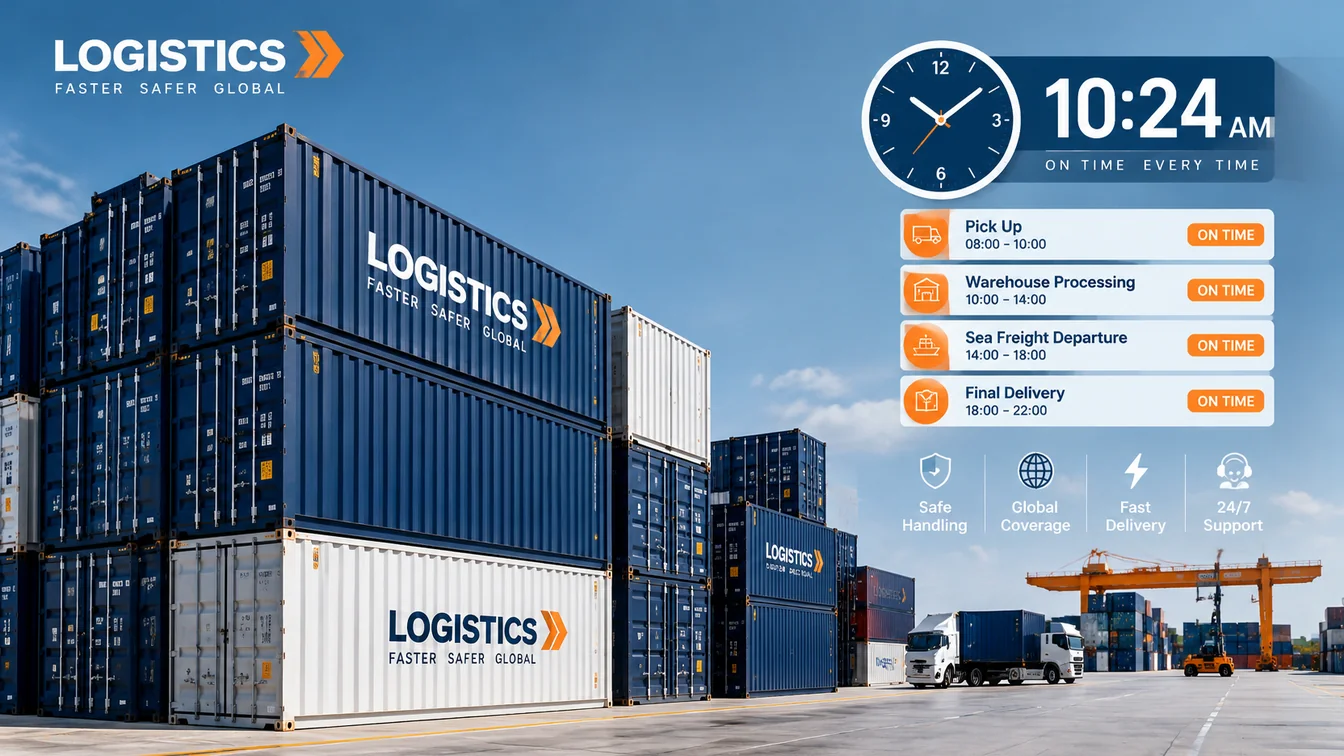
- FCL sea freight: Chiwan to Casablanca
- The supplied FCL planning reference is 39–43 days for all three listed container sizes. This is the named geographic route reference for a container movement toward Casablanca.
- LCL: China to Morocco
- The country-level LCL reference is 33–49 days. Because the origin and destination cities are not specified, it should not be treated as a confirmed transit for every Chinese supplier or Moroccan delivery address.
- Air freight: China to Morocco
- The country-level air-freight reference is 3–5 days. This is the relevant supplied planning benchmark when urgency makes air transport a candidate; the actual airport pair and other shipment stages still need to fit the operational plan.
- Express: China to Morocco
- The country-level Express reference, identified as a DDP reference without specified city endpoints, is 9–14 days. The actual origin, destination, and agreed import arrangements determine whether that reference fits the intended movement.
- Rail-led multimodal: Shanghai to Casablanca
- The supplied reference is 36.4 days for Shanghai, China → Linyi rail yard → Algeciras rail yard/port → Casablanca, Morocco. It represents a rail + sea + road sequence, not a direct rail journey into Morocco.
Supplier pickup, export handling, transfer points, import release, and the final delivery stage can affect the operational schedule where those stages form part of the agreed movement. For a rail-led alternative, the rail freight service should be evaluated as part of the complete corridor, including any required sea and road connections.
Shipping Methods from China to Morocco
Sea freight is the starting option for non-urgent commercial cargo moving from China to Morocco when a longer international movement fits the receiving deadline. The practical choice changes with shipment volume, dimensions, chargeable weight, cargo restrictions, supplier location, urgency, and final-delivery requirements.

- Full Container Load (FCL)
- Choose FCL when the shipment needs a dedicated container and the supplier can load at a suitable origin gateway, because the cargo can be planned within its own container rather than consolidated with unrelated shipments. Compare 20GP, 40GP, and 40HQ using actual carton and pallet dimensions, cargo height, gross weight, and loading requirements, not the equipment label alone. See the sea freight service.
- Less than Container Load (LCL)
- Choose LCL when the cargo can move through consolidation and does not require a dedicated container, because the shipment can share container space with other cargo. LCL is more suitable when the delivery plan can accommodate consolidation and deconsolidation handling; compare the actual cargo volume, dimensions, handling restrictions, and receiving arrangements.
- Air Freight
- Choose air freight when urgency or cargo value justifies air transport, because its supplied planning reference is substantially shorter than the listed sea-freight reference. Compare the required arrival date against actual and chargeable weight, dimensional measurements, cargo acceptance, and the receiving location in Morocco. The air freight service is the relevant service category for this comparison.
- Express
- Choose express when the shipment is time-sensitive, package-sized, and suitable for the selected express operator’s acceptance rules, because parcel-oriented handling may suit samples or compact urgent goods better than container consolidation. Check package dimensions, the commodity restrictions, consignee details, and whether the country-level DDP reference fits the actual origin and Moroccan delivery postcode. See the express shipping service.
- Rail-Led Multimodal Transport
- Choose rail-led multimodal transport when the shipment can accept rail, sea, and road transfers and the planned corridor fits the delivery deadline, because the referenced movement reaches Morocco through Algeciras rather than by direct rail. Compare the full transfer sequence, handling requirements, and destination handoff instead of treating the option as a rail-only journey. The multimodal freight service is relevant to this route decision.
Door-to-Door Shipping from China to Morocco
Door-to-door shipping from China to Morocco can coordinate the movement from the supplier’s premises to the receiving address when the agreed scope explicitly covers the required pickup, international transport, import-clearance handoff, and final delivery arrangements. The door-to-door shipping service is the relevant service category for organizing these stages as one operational sequence.

-
Cargo and Compliance Review
Collect the supplier’s cargo description, packing dimensions, weights, number of packages, intended use, and ready date. Flag restricted or controlled goods, special handling needs, and missing product documents before selecting a gateway or promising a delivery plan.
-
Route and Method Selection
Compare the supplier’s actual location with candidate China export gateways and the intended Moroccan delivery region. Select a suitable sea, air, express, or rail-led multimodal plan based on cargo acceptance, urgency, transfer requirements, and the receiving postcode.
-
Supplier Coordination and Pickup
Agree the collection address, cargo-ready date, loading access, package count, and pickup requirements with the Chinese supplier. Check that the cargo presented for collection matches the declared packing details and the equipment or handling arrangement planned for the route.
-
China Export Handling
Coordinate the export-side cargo handoff, shipping documentation, required export formalities, and movement toward the agreed departure gateway. Any discrepancy in the cargo description, package measurements, or documents should be resolved before it disrupts the planned departure.
-
International Transportation
Move the cargo using the agreed transport method and any specified transfer points. For the rail-led route through Linyi and Algeciras, the movement includes rail, sea, and road stages, so each transfer and the next responsible party must be reflected in the operating plan.
-
Morocco Import Clearance
The Moroccan importer or authorized representative arranges the applicable declaration, import permissions, product approvals, duties, and taxes. The required documents and clearance arrangements should be ready for the actual entry gateway, rather than assuming that international transportation automatically includes customs release.
-
Final Delivery
After the required import-release and cargo-handover steps, arrange the agreed inland movement to the named Moroccan address. Match the vehicle and unloading arrangement to the site’s road access, delivery hours, handling equipment, security procedures, and appointment requirements.
-
Shipment Close-Out
Record the delivery or receiving evidence, any shortages or visible damage, unresolved charges, and outstanding transport documents. Retain the commercial and customs records required by the responsible parties and document any exception that changes the agreed shipment outcome.
Main China to Morocco Routes
The most practical China-to-Morocco route normally starts at an export gateway that limits supplier-side movement and matches the intended destination region and available international transport. The comparison changes when a different port, transfer sequence, cargo-handling requirement, or final-delivery address materially changes the complete movement.
Major China Export Ports for Morocco Shipping
- Chiwan, Shenzhen
- Compare Chiwan as a South China gateway candidate for suppliers in Shenzhen and the western Pearl River Delta. The supplied FCL route uses Chiwan as its geographic origin label, but the actual loading facility and available service must match the booked movement. Casablanca and Tanger Med are destination gateways to compare according to the final delivery region.
- Yantian, Shenzhen
- Yantian is worth comparing for cargo from eastern Shenzhen and nearby Pearl River Delta manufacturing clusters. Compare it with the Chiwan-area option when factory pickup distance, available container handling, the actual departure service, or the cargo cutoff changes the route plan.
- Nansha, Guangzhou
- Nansha is a relevant gateway candidate for suppliers around Guangzhou, Foshan, and neighboring manufacturing areas. It can be compared for Morocco-bound container cargo when local pickup and export arrangements fit better than moving the goods toward Shenzhen or another origin region.
- Ningbo-Zhoushan
- Ningbo-Zhoushan is relevant to suppliers in Zhejiang and nearby eastern China manufacturing clusters, including cargo originating around Ningbo and Yiwu. Compare the port with Shanghai according to factory location, container availability, the actual route offered, and whether Casablanca or Tanger Med better serves the Moroccan destination.
- Shanghai
- Shanghai is a comparison gateway for Shanghai and the wider Yangtze River Delta. It is also the stated origin city for the supplied rail-led multimodal reference through Linyi and Algeciras; choose between an ocean movement and that corridor according to the actual transfer plan, schedule, and final delivery requirement.
- Qingdao
- Qingdao is a relevant gateway candidate for suppliers in Shandong and northern China. Compare it when the factory is in the northern supplier region, rather than assuming a southern export gateway is preferable despite the additional inland movement. The eventual Morocco entry gateway must also suit the destination and available routing.
Major Morocco Import Ports for Cargo from China
- Casablanca Port
- Casablanca is a key gateway to compare for central-western Morocco, including the Casablanca-Settat commercial and industrial area. It is the named destination in the supplied Chiwan container references and is relevant when onward delivery is concentrated around Casablanca and nearby receiving regions.
- Tanger Med Port
- Tanger Med is a major northern logistics gateway with maritime, road, and rail connections into Morocco. Compare it for cargo destined for Tangier, Tetouan, and other northern locations, as well as movements where its available entry route and inland connection suit the final address. The Tanger Med Port Authority’s multimodal information describes its road, rail, and maritime connectivity.
- Agadir Port
- Agadir is worth evaluating for cargo destined for Agadir and the Souss-Massa region, particularly when the actual maritime service accepts the cargo and equipment required. Compare it with a larger gateway plus inland transport when the origin routing or service availability makes the alternative more practical.
- Nador Port
- Nador can be relevant to deliveries in northeastern Morocco and the Oriental region when a suitable import service and handling arrangement are available. Compare it with Tanger Med or Casablanca by checking the actual entry service and the remaining inland distance to the consignee.
- Jorf Lasfar Port
- Jorf Lasfar is primarily worth examining for suitable industrial, bulk, or specialized cargo rather than assuming it is the default entry for ordinary containerized merchandise. Cargo acceptance, equipment, handling facilities, and the final delivery location must fit the intended movement.
Supplier Region to Destination Routing Logic
| Supplier region in China | Origin port to compare | Destination port and delivery region | Planning reason |
|---|---|---|---|
| Pearl River Delta: Shenzhen, Dongguan, and Guangzhou | Chiwan, Yantian, or Nansha | Casablanca Port; Casablanca-Settat and Rabat-Salé-Kénitra | For Pearl River Delta cargo bound for central-western Morocco, compare supplier pickup → a suitable local export gateway → ocean transport → Casablanca → customs clearance → inland delivery to the named consignee. Change the gateway when pickup distance, the available service, cargo handling, or the final postcode favors another option. |
| Zhejiang and nearby eastern China, including Yiwu | Ningbo-Zhoushan or Shanghai | Tanger Med or Casablanca; northern or central-western Morocco | For eastern China cargo, compare factory pickup → Ningbo-Zhoushan or Shanghai → the available sea route → Tanger Med or Casablanca → import clearance → the final delivery region. The factory’s exact location, current routing, and inland delivery requirements can change the preferred port. |
| Shanghai and the Yangtze River Delta | Shanghai | Casablanca Port; Casablanca-Settat and nearby western destinations | For cargo destined for Casablanca or nearby western markets, compare supplier pickup → Shanghai-area export handling → ocean transport → Casablanca → Moroccan import clearance → final delivery. A different entry gateway becomes relevant when its available transport connection and onward inland movement better fit the receiving address. |
| Shandong and northern China | Qingdao | Tanger Med or Casablanca; northern or central-western Morocco | For Shandong cargo, compare local pickup → Qingdao → the available international connection → a suitable Moroccan gateway → customs release → the consignee. Supplier-side distance, available routing, cargo requirements, and the final Moroccan delivery region determine whether another origin or destination gateway should be compared. |
| Shanghai-origin cargo suitable for a rail-led corridor | Shanghai via Linyi rail yard | Algeciras rail yard/port → Casablanca; central-western Morocco | For cargo that can accommodate multiple transfers, compare supplier pickup → Linyi rail yard → rail movement to Algeciras → sea transport to Casablanca → Moroccan customs clearance → road delivery. The practical choice changes if the transfer arrangement, cargo acceptance, receiving deadline, or final delivery conditions do not fit the shipment. |
Destination Regional Delivery Logic
- Casablanca-Settat and Rabat-Salé-Kénitra
- Casablanca is a natural starting gateway to compare for deliveries within the Casablanca-Settat area and nearby western destinations. Tanger Med may also serve a suitable booked route, but the onward inland movement should be included when determining which complete path best fits the consignee.
- Northern Morocco
- Tanger Med is a relevant gateway for deliveries around Tangier and other northern locations because the port connects to regional road and rail networks. Casablanca remains a comparison where the actual maritime routing and inland transport arrangement make it suitable for the final address.
- Central Inland Morocco
- For destinations such as Marrakech or Fes, compare Casablanca and Tanger Med against the required inland road or rail connection. The distance from the entry point, local handling arrangements, and delivery access can change the complete route decision even when the international movement appears similar.
- Agadir and Souss-Massa
- Agadir merits comparison when a suitable import connection accepts the cargo and aligns with the final delivery area. Casablanca or Tanger Med may remain alternatives, but their remaining inland legs and required delivery scope need to fit the destination rather than being treated as included automatically.
How the Gateway Is Selected
The gateway should be selected against the complete supplier-to-consignee route, not the international leg alone.
- Supplier pickup: Compare the factory address, collection access, cargo-ready date, and inland distance to Chiwan, Yantian, Nansha, Ningbo-Zhoushan, Shanghai, or Qingdao as applicable.
- Actual export connection: Check the planned departure gateway, cargo acceptance, equipment availability, applicable cutoff, and whether the proposed route requires a transfer rather than assuming a direct sailing.
- Moroccan entry point: Match Casablanca, Tanger Med, Agadir, or another suitable port to the actual service and the consignee’s delivery region.
- Import handoff: Ensure the importer or authorized representative can complete the required clearance at the intended entry point and that any product-control documents are ready for the relevant procedure.
- Final address: Include the Moroccan postcode, road access, onward transport, unloading requirements, and any warehouse receiving appointment in the gateway comparison.
Morocco Customs Clearance
Commercial imports into Morocco require an appropriately identified importer, accurate goods and valuation declarations, and any import titles, licences, or product approvals applicable to the shipment. The guidance here addresses ordinary imports into the Moroccan customs territory; special customs regimes and product-specific controls can require different procedures.
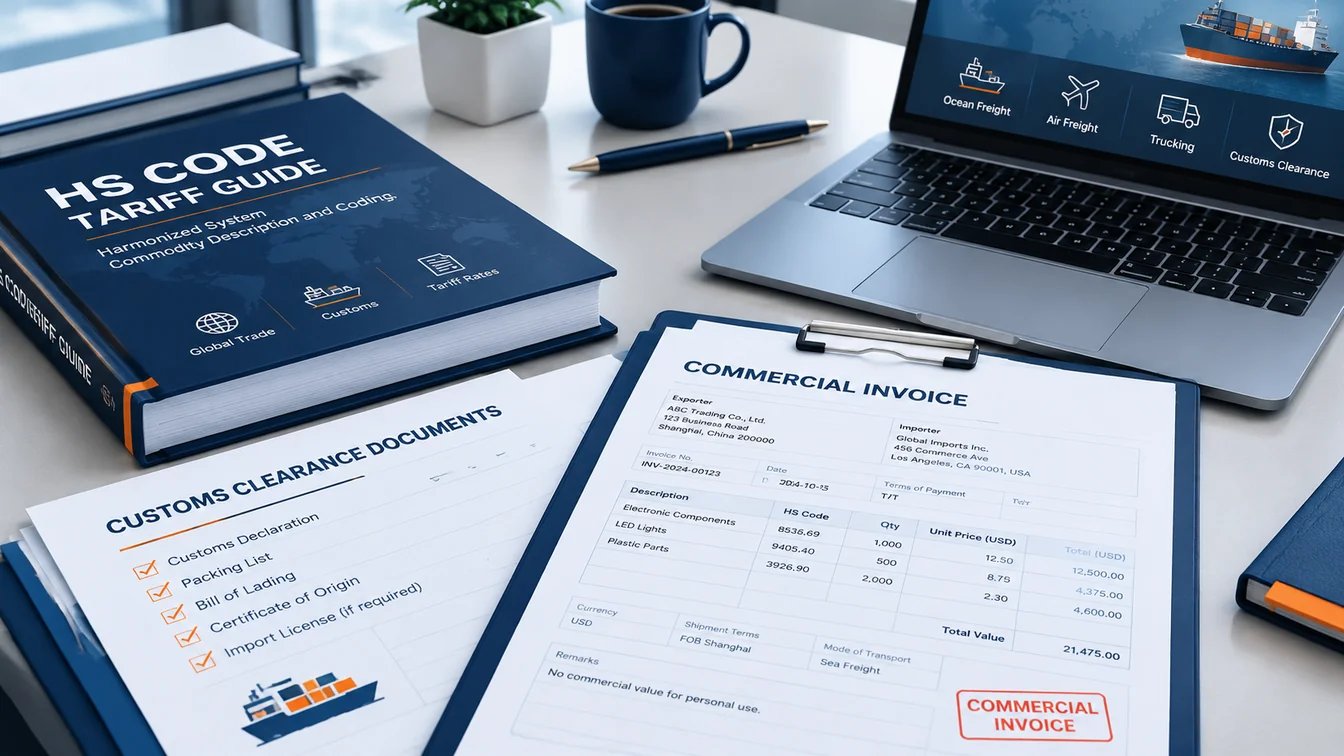
What the Morocco Importer Normally Needs
The Moroccan importer should prepare the commercial and regulatory file before departure so that the intended entry gateway can process the shipment without preventable document mismatches.
- Importer identification and representation Provide the importing business’s applicable registration and tax identifiers, along with authorization for the appointed customs representative where one is used. Agree who will submit the declaration and respond to customs requests.
- Import title or licence Moroccan import formalities may require an import commitment for freely importable goods or an import licence for goods subject to authorization. The importer can check the applicable procedure through the PortNet import-title service.
- Commodity code, customs value, and origin Prepare a detailed product description, applicable HS or Moroccan tariff classification, transaction and valuation information, actual country of origin, and supporting origin documents where required. Use the ADIL customs tariff tool to check the relevant duties, taxes, and regulatory measures.
- Commercial invoice The invoice should accurately identify the seller, buyer, products, quantities, values, currency, and other transaction details required for the import file. Include sufficiently specific descriptions and product information to support tariff classification and valuation.
- Packing list Provide the package count, packing configuration, dimensions, gross and net weights, and contents. Keep these details consistent with the invoice, cargo markings, and actual shipment.
- Transport document and cargo-release paperwork Prepare the appropriate bill of lading, air waybill, or multimodal transport document, together with the delivery or release paperwork required for the selected route. Check that consignee details, package information, and shipment references agree across documents.
- Product conformity, certificates, and permits Obtain any required licences, conformity declarations, certificates, or technical documents before dispatch. Morocco’s Ministry of Industry conformity guidance describes inspection and documentation requirements for industrial products subject to relevant technical regulations; other controlled goods may require approvals from their competent authorities.
Common Causes of Morocco Customs Delays
- Incorrect or inconsistent tariff classification caused by an incomplete product description, material specification, or statement of intended use.
- Invoice, packing-list, transport-document, and physical-cargo quantities or weights that do not match.
- Unclear customs value, inconsistent transaction documents, or insufficient evidence supporting the declared origin.
- A missing import commitment, import licence, or other authorization required for the particular goods.
- Missing conformity documents, technical records, or inspection arrangements for regulated industrial products.
- Absent certificates, permits, or control documents required for food, agricultural, animal-origin, or other specifically regulated cargo.
- Incomplete representative authorization or a cargo-release arrangement that does not match the intended entry gateway.
Resolve these discrepancies with the supplier, Moroccan importer, and authorized representative before departure. If a product requires an approval or conformity check at origin, sending the missing paperwork after the cargo reaches Morocco may not correct the underlying procedural problem.
Special Cargo, Packaging, and Insurance
Morocco-bound cargo should undergo a product-acceptance and packaging review before dispatch because regulated materials or unusual handling requirements can change documentation, transport eligibility, and the delivery arrangement.
Cargo Requiring Additional Review
- Lithium batteries and battery-powered equipment: Check battery chemistry, configuration, capacity, packing, applicable transport classification, and the documents required by the selected carrier and mode.
- Dangerous goods and chemicals: Verify the product’s classification, safety data, packaging, declaration requirements, and acceptance conditions before booking. Do not assume that ordinary sea, air, or express handling is available.
- Liquids and pressurized products: Check leakage protection, container compatibility, hazardous-goods status, and carrier restrictions.
- Food, agricultural products, and animal-origin goods: Check whether import authorization, sanitary or phytosanitary documentation, veterinary certificates, or inspections are required before dispatch.
- Cosmetics and medical goods: Review applicable product registration, composition, labelling, authorization, and import-control requirements for the specific product category.
- Wooden packaging: Check whether the pallets, crates, or other solid-wood packaging fall under applicable treatment and marking requirements for international movement and Moroccan entry.
- Oversized, heavy, or temperature-controlled cargo: Confirm dimensions, gross weight, equipment availability, lifting and unloading requirements, temperature range, and the practicality of each transfer. The project cargo shipping service is relevant when the cargo requires a specialized movement plan.
- Controlled or restricted goods: Check whether product-specific import permission, technical approval, or other legal restrictions affect the shipment before cargo collection.
Packaging Checks
China-to-Morocco packaging should protect the goods during the actual handling sequence, including any consolidation, container transfer, rail movement, sea transport, or final road delivery required by the selected route.
Review the following packaging details against the cargo’s weight, fragility, transport conditions, and destination handling needs.
- Carton strength and internal protection: Use suitable cartons, cushioning, dividers, and restraint to reduce movement, crushing, abrasion, and damage during transfer.
- Pallets and load stability: Check pallet condition, stack strength, load distribution, securing materials, forklift access, and compatibility with the intended container or handling equipment.
- Moisture protection and handling marks: Protect moisture-sensitive cargo and apply clear handling instructions, package identifiers, and shipping labels that remain legible during transit.
- Dimensions and weights: Record each package’s actual dimensions and gross weight accurately for cargo acceptance, equipment planning, and any applicable chargeable-weight or handling requirements.
- Regulated wood packaging: Where applicable, use compliant treated wood packaging and the required marking or supporting documentation for the destination’s import controls.
Cargo Insurance
Carrier liability is not the same as cargo insurance: liability depends on the applicable transport terms and legal limits, while insurance depends on the selected policy. Before shipment, agree the coverage, exclusions, deductible, insured value, evidence requirements, and coverage period, including any rail, sea, road, or transfer stages in the route. The cargo insurance service is relevant when reviewing the intended protection for the goods in transit.
Why Use a Freight Forwarder for Shipping from China to Morocco?
A freight forwarder helps a China-to-Morocco buyer solve three practical problems: turning supplier information into a workable shipment definition, choosing a credible route for the cargo, and keeping commercial responsibilities and operational handoffs aligned. The value is in resolving those route-specific decisions before they become pickup, document, transfer, or delivery problems.
- From an incomplete request to a defined movement
- A vague instruction to ship goods to Morocco leaves pickup, cargo-handling, and receiving details unresolved. A usable movement definition connects the supplier’s location and prepared cargo with the intended destination, while controlled or unusual goods may require a different handling and documentation plan.
- From a convenient port to a workable route
- A gateway that appears convenient on a map may create extra inland movement or an unsuitable destination handoff. Comparing the supplier region, cargo requirements, available transport connection, Moroccan entry gateway, and final delivery address produces a more practical route decision; urgency or special handling may change the result.
- From unclear handoffs to assigned responsibilities
- Unspecified responsibility for import documents, taxes, cargo release, or receiving appointments can interrupt an otherwise workable movement. Recording who handles each handoff makes the next operational decision clearer, without transferring the importer’s statutory responsibilities to the forwarder.
How TJ Logistics Team Plans a China-to-Morocco Shipment
- Shipment definition review
- TJ Logistics Team reviews the supplier location, cargo description, package count, dimensions, weight, ready date, and receiving address. Missing measurements, an incomplete commodity description, or unclear product restrictions are flagged when they prevent a reliable routing or handling decision.
- Gateway and transport comparison
- TJ Logistics Team compares credible origin gateways, the intended Moroccan entry region, and suitable international-routing options against the shipment’s defined requirements. The comparison accounts for the actual cargo and delivery plan rather than assuming that a listed method, port, or transfer is automatically available.
- Agreed service boundary
- TJ Logistics Team records the planned movement, applicable service stages, and parties responsible for the relevant cargo, document, customs, and receiving handoffs. Any unresolved responsibility for duties, import permissions, inland delivery, or special handling is highlighted before a formal commercial arrangement is prepared.
- Booking information and execution coordination
- After the buyer agrees to the proposed scope, TJ Logistics Team coordinates the relevant booking information, supplier cargo handoff, commercial documents, and operational updates. A changed ready date, route, document, or receiving condition is treated as a change requiring review of the affected next step.
China to Morocco Shipping FAQ
China-to-Morocco shipping decisions should be based on the named route, cargo requirements, Moroccan import preparation, and final receiving address rather than applying one transport assumption to every shipment.
How much does a 20ft container from China to Morocco cost?
The indicative FCL 20GP cost reference for Chiwan, China → Casablanca, Morocco is $4,188/container, reviewed in October 2026. This is the reference for that named geographic route and container size, not a price for every Chinese origin or Moroccan delivery destination.
How long does sea freight from China to Morocco take?
The supplied FCL reference for Chiwan, China → Casablanca, Morocco is 39–43 days. The separate China-to-Morocco LCL benchmark is 33–49 days, so the applicable planning reference should match the shipment’s method and geographic route.
What is the most cost-effective way to ship from China to Morocco?
For non-urgent cargo that needs a dedicated container, start by comparing FCL ocean options from a supplier-near Chinese gateway to a suitable Moroccan entry point. LCL suits cargo that can be consolidated, while air freight and express are alternatives for urgent shipments; the practical choice must match shipment dimensions, transport requirements, and final-delivery needs.
Which China port or gateway should I use for Morocco?
Start with the major export gateway that is practical for the supplier’s location, then compare the actual international connection and final Moroccan delivery region. Chiwan is the named origin in the supplied FCL geographic reference, while Yantian, Nansha, Ningbo-Zhoushan, Shanghai, and Qingdao are alternatives to compare when their supplier-side access and available routing suit the shipment.
Can I ship door-to-door from China to Morocco?
Yes, a door-to-door arrangement can coordinate Chinese supplier pickup, the agreed international movement, the Moroccan import-clearance handoff, and final delivery when those stages are within the written service scope. The importer or authorized representative remains responsible for the applicable import obligations, and the receiving address must suit the planned unloading and delivery arrangement.
What documents should be prepared before shipping from China to Morocco?
Prepare an accurate commercial invoice, packing list, applicable bill of lading or air waybill, product classification and valuation information, and any required origin evidence or conformity documents. The Moroccan importer should also check whether the goods need an import commitment, an import licence through PortNet, or product-specific authorization before dispatch.
Is rail-based shipping from China to Morocco a direct train route?
No, the supplied Shanghai-to-Casablanca rail-led reference runs from Shanghai through Linyi rail yard to Algeciras rail yard/port, then continues by sea toward Casablanca and by road where required. It is a rail + sea + road movement, so the transfer arrangements and Moroccan destination handoff must fit the cargo and delivery plan.