SeaRoad
For planned commercial freight
Often the first option to review for containerized cargo moving to an inland consignee.
Confirm first: port choice, import release and final-delivery access.

Plan multimodal freight shipping from China around your cargo, delivery window, budget priorities and destination access. We coordinate sea, air, rail and road handoffs through one practical route plan.
Multimodal freight is worth considering when one transport mode does not solve the whole B2B shipping requirement. Your cargo may need road pickup in China, a sea, rail or air main leg, a terminal transfer, customs clearance and inland delivery.
More modes do not automatically create a better route. Each transfer adds a dependency. The route should earn that complexity by improving access, meeting a delivery requirement or creating a better balance between speed and budget.
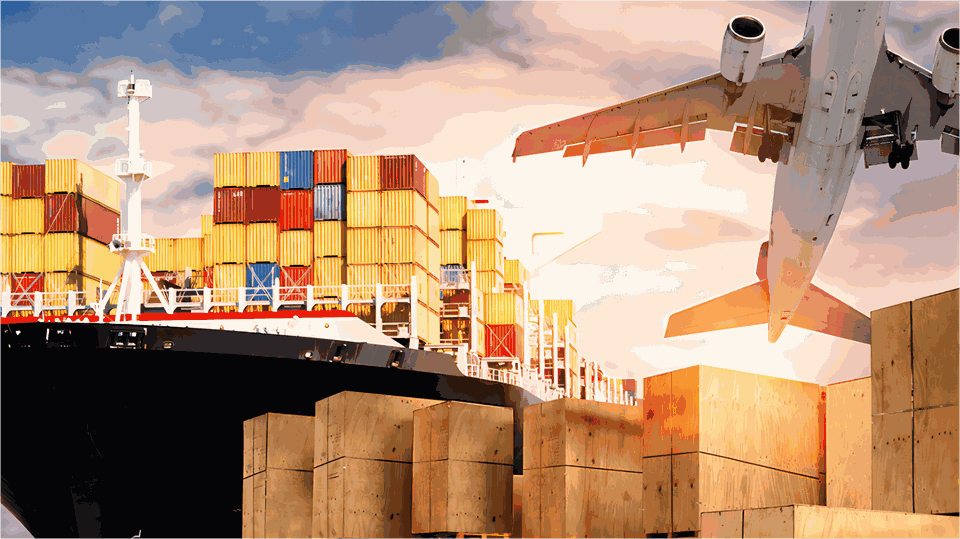
We turn four shipment inputs into a short list of route concepts. Carrier acceptance, schedules and the final service scope are then confirmed for the actual shipment.
These are decision patterns, not fixed products or guaranteed lanes. We confirm the available route for your origin, destination, commodity and shipping date.
Often the first option to review for containerized cargo moving to an inland consignee.
Confirm first: port choice, import release and final-delivery access.Worth comparing when a suitable rail corridor connects the China origin with the destination region.
Confirm first: terminal cut-off, equipment and destination pickup.Usually considered for components, samples or replenishment that justify the higher transport cost.
Confirm first: cargo acceptance, flight option and customs readiness.A mixed or split plan can be assessed when only part of an order needs to move urgently.
Confirm first: which cargo can be separated and how documents will align.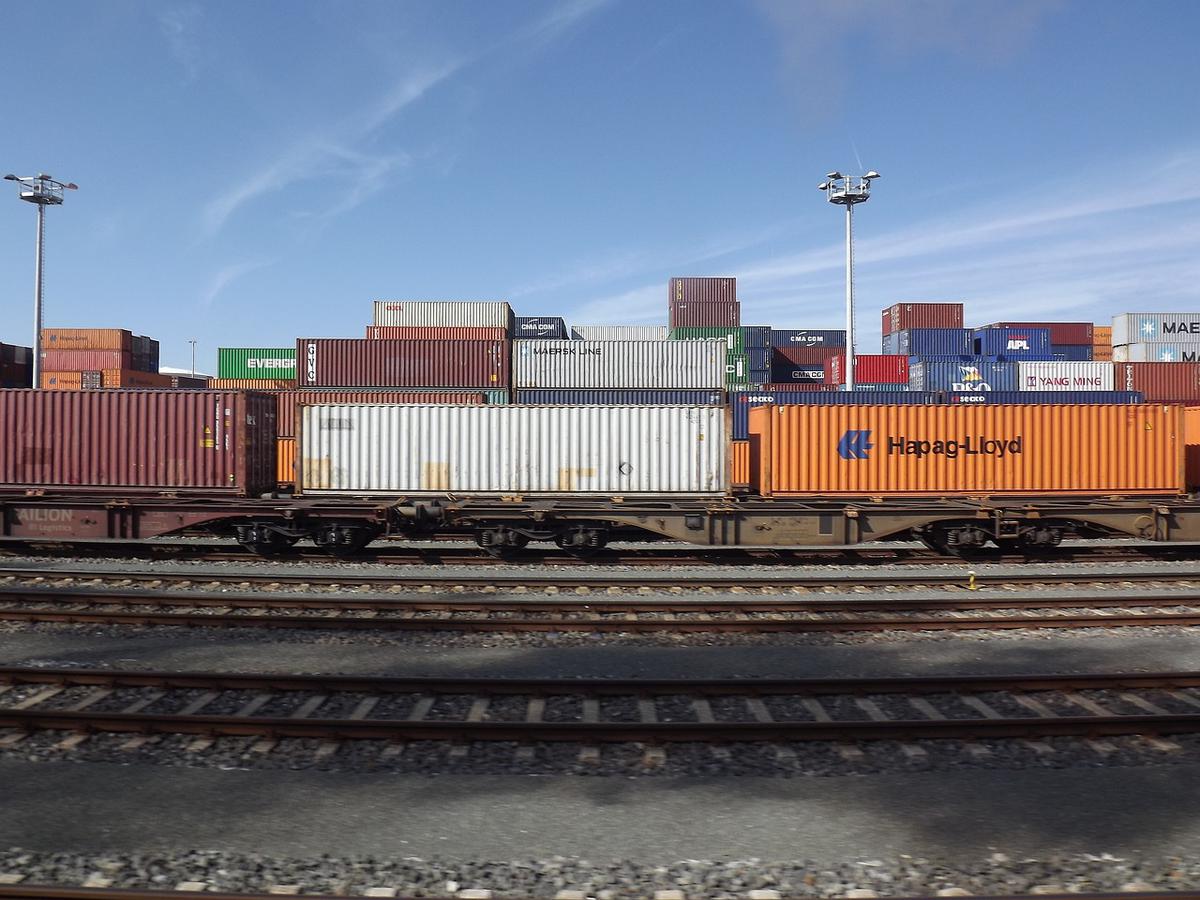
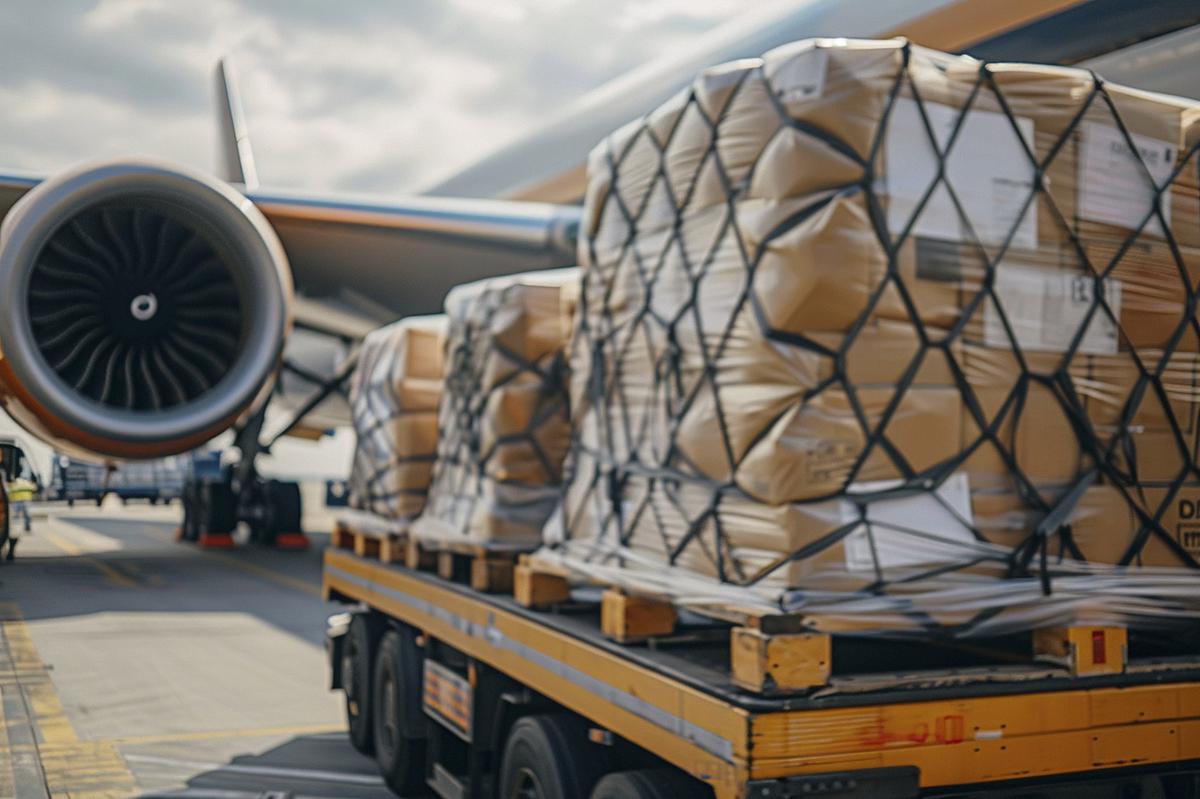
We are not simply arranging separate freight bookings. We connect supplier readiness in China with the export process, main transport, transfer points, customs communication and agreed final delivery.
Responsibility boundary: carriers control schedules, capacity and acceptance. Customs authorities control inspection and release. Terminals control their facilities. We coordinate the route, shipment information and participating parties within the confirmed scope.
| Risk | What should be confirmed | Why it affects your decision |
|---|---|---|
| Cargo misses the first cut-off | Supplier readiness, collection timing and terminal acceptance. | The entire route may need a new departure plan. |
| Shipment details do not match | Piece count, weight, marks, commodity and party information. | The next carrier or customs party may be unable to proceed. |
| The transfer is not ready | Arrival status, release, onward capacity and receiving instructions. | A good main leg can still lose time at the connection. |
| Final delivery is assumed | Delivery address, access, appointment, unloading and included scope. | The quoted route may not cover the handoff your team expects. |
Tell us what must ship and what the business cannot compromise on. We will identify the route questions and compare suitable concepts.
Add the Incoterm, cargo value, customs setup and any known restrictions when available. Preliminary details are enough to start, but the final proposal requires confirmed cargo information.
Our role is to turn scattered supplier, cargo and destination information into a proposed route with visible handoffs. We compare the options without pretending every shipment needs a complex multimodal solution.
Your operations contact follows the China origin side and connects it with the parties involved in the proposed main leg, transfer, customs process and delivery.
It is worth reviewing when one standard service does not meet the cargo, delivery, access or budget requirement. If a simpler route already works, adding another transfer may offer no useful benefit.
Multimodal freight uses two or more transport modes within a coordinated route. Intermodal freight often refers to cargo staying in the same loading unit while moving between modes. Industry usage and contract structures vary, so the written service scope remains important.
Timing depends on cargo readiness, origin, destination, chosen modes, schedules, transfers, customs and final delivery. We provide a planning range after reviewing the actual shipment and current service information.
Not automatically. A combined route may offer a different balance between speed and budget, but handling, transfers, customs and final delivery also affect the comparison. We compare the current options for the actual shipment.
No. Multimodal describes a route using two or more transport modes. Door-to-door describes where the service starts and ends. A shipment can be both, but pickup and final delivery must be included in writing.
Common concepts include sea and road, rail and road, or air and road. Some shipments may justify a mixed or split plan using different main modes. The workable combination depends on the cargo, route, dates and carrier acceptance.
Not necessarily. The contract and document arrangement varies by route, provider and service. We clarify the proposed operating scope and available documents for the individual shipment.
The exporter, importer of record and broker depend on the agreed scope and trade terms. We coordinate available information and broker communication where included. Customs authorities retain inspection and release decisions.
Possibly, but every proposed mode and transfer point must accept the cargo. Classification, safety data, packing and quantity details are required before an option can be assessed.
We follow the reported status, identify the affected leg and coordinate available next options within the agreed scope. Schedule and cost may change, so the decision should consider downstream customs and delivery effects.
Send the commodity, packing type, package count, dimensions, weight, China pickup point, final destination, cargo-ready date and receiving window. Tell us whether speed, budget or predictability matters most so we can compare relevant route concepts.
Send the cargo details, pickup point, destination and business priority. We will compare the relevant route concepts and tell you what still needs confirmation.
Request My Route Comparison