

Reviewed by TJ Logistics Team — September 2026. This page is for route-planning purposes only; supplied costs and transit times are indicative references, not a binding quotation or delivery guarantee. Schedules and routing must be reconfirmed against the exact cargo, supplier location, destination postcode, required service scope, and booking date. The current review window covers market, cost, customs, tariff, and marketplace information available for September 2026 and may change before dispatch or entry. The review applies practical route-planning checks across supplier pickup, origin gateway and transport-mode selection, destination gateway, customs handoff, and final delivery.
China to Angola Shipping Update
Shipping from China to Angola normally needs to be planned as one connected route: collect the cargo from the China supplier, move it to an appropriate origin gateway, select sea, air, express, or a multimodal solution, move through an Angola gateway such as Luanda, Lobito, Namibe, or another serviceable destination point, complete import clearance, and arrange the final delivery to the required Angola postcode. For containerized cargo, sea freight from China is generally the first route family to compare when transit requirements allow it.
The supplied planning references show 32–46 days for both FCL 20GP and FCL 40GP, 38–52 days for LCL, 3–9 days for air freight, and 3–7 days for express. These figures should be read as planning references only because the input does not define whether the timing starts at supplier pickup or origin gateway departure and whether it ends at the destination gateway or final delivery. Before booking, send the supplier location, cargo type, package count, dimensions, CBM and gross weight, destination postcode, requested delivery scope, cargo-ready date, customs requirements, and preferred transit time through the route-specific quotation request.
Route Planning Summary
- How should the supplier reach the origin gateway?
- Start with the supplier’s actual factory or warehouse location and compare the inland move to Shanghai, Ningbo-Zhoushan, Shenzhen/Yantian, Qingdao, Xiamen, or another serviceable export gateway rather than choosing a port by country alone.
- Which transport mode applies?
- FCL or LCL normally fits planned ocean cargo, while air freight and express are relevant when the cost of delay justifies faster movement. Rail is not treated here as a standard direct China-to-Angola end-to-end service; rail may instead form part of an Angola inland connection in a multimodal plan.
- What planning time should be used?
- Use the supplied transit references for initial planning, then confirm the actual origin cutoff, international routing, destination gateway, customs stage, and final-delivery schedule for the specific shipment.
- Who handles Angola import clearance?
- The importer remains responsible for the import transaction and local compliance, with an authorized customs representative used where appropriate. The declaration, licensing, classification, valuation, taxes, and product-specific documents should be prepared before arrival.
- What should the final quotation cover?
- The quote should identify the supplier pickup point, selected gateway and mode, destination port or airport, customs scope, destination charges, inland delivery to the final postcode, insurance where required, and any excluded charges so different quotations can be compared on the same route scope.
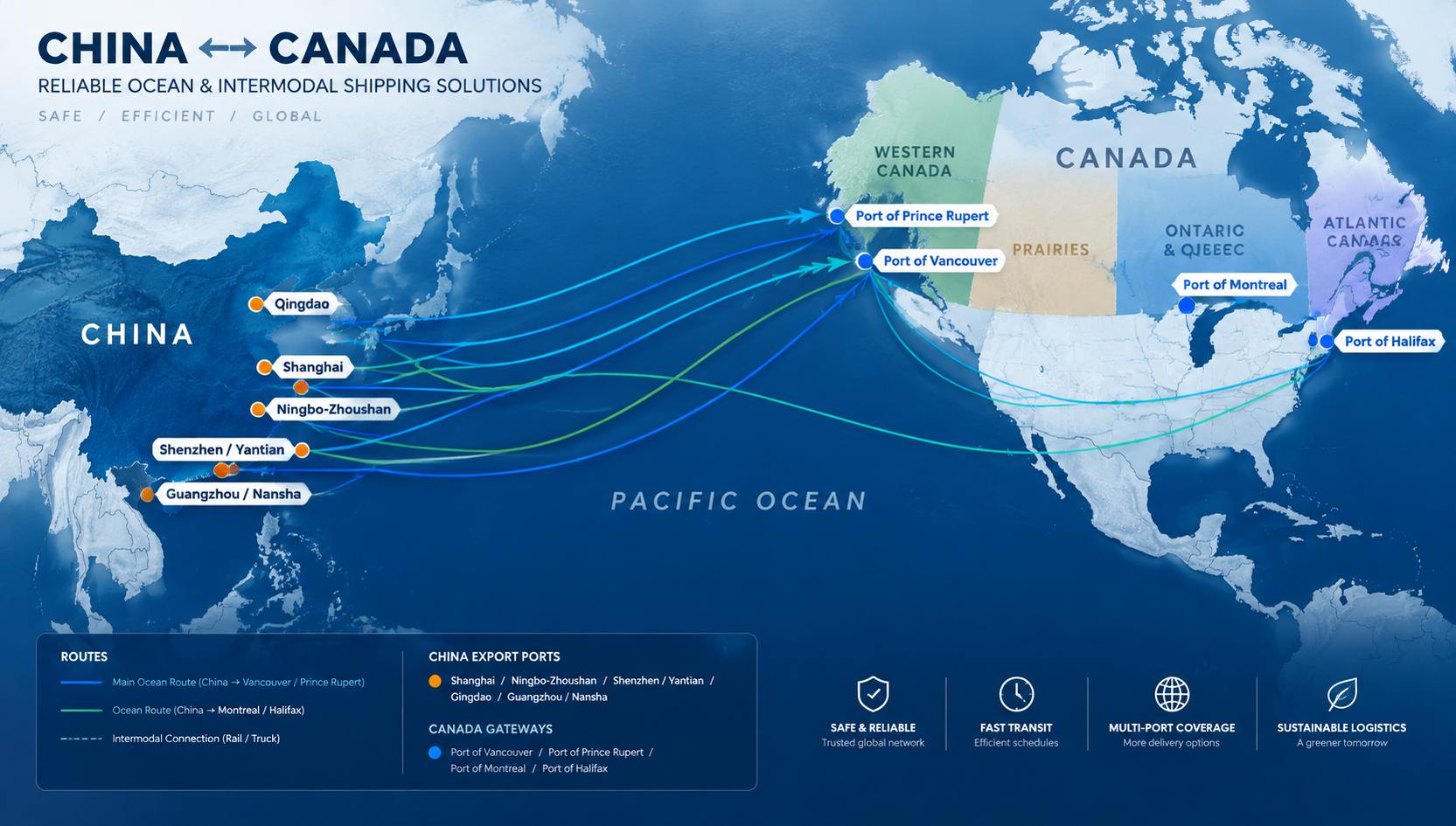
China to Angola Shipping Cost
There is no universal China-to-Angola shipping cost because the final amount changes with supplier location, cargo characteristics, routing, destination gateway, customs requirements, inland delivery, and the service scope included in the quotation. The figures below are the page’s indicative shipping costs and planning references supplied for this route; they are not carrier freight rates, TJ selling prices, market-rate research, or formal quotations.
| Shipping option | Indicative shipping cost | Supplied transit time | Main cost drivers |
|---|---|---|---|
| FCL 20GP | USD 2,600–5,120 / container | 32–46 days | Supplier pickup distance, container availability, origin handling, ocean routing, destination handling, and final delivery scope. |
| FCL 40GP | USD 4,680–6,625 / container | 32–46 days | Supplier pickup distance, equipment availability, origin handling, ocean routing, destination handling, and final delivery scope. |
| LCL | USD 250–380 / CBM | 38–52 days | Cargo volume, consolidation and deconsolidation handling, origin location, destination handling, and final delivery scope. |
| Air freight | USD 6.50–10.50 / kg | 3–9 days | Chargeable weight, cargo dimensions, airport routing, origin and destination handling, customs requirements, and delivery scope. |
| Express | USD 10–17 / kg | 3–7 days | Chargeable weight and dimensions, service lane, commodity acceptance, customs handling, and final-mile scope. |
Cost scope: The input provides cost and transit values but does not specify which charges are included. Confirm origin pickup, export and origin handling, main transport, destination handling, customs-clearance service, duty and tax, inland delivery, insurance, storage, examination, appointments, and applicable surcharges before treating any figure as a bookable total.
Plan Your China to Angola Shipment
For a route-specific quotation, provide the supplier location, cargo type, package count, dimensions, CBM and gross weight, destination ZIP or postcode, delivery scope, cargo-ready date, customs requirements, and preferred transit time. Request a route-specific quote using the actual shipment details.
The final quotation depends on the supplier’s inland distance to the selected China gateway, package and cargo details, CBM or chargeable weight, destination postcode, requested delivery scope, customs requirements, applicable duties and taxes, destination charges, possible storage or examination, and insurance. Included charges and excluded charges should be shown separately because two prices using different route scopes or units are not directly comparable.
Angola Import Duty and Taxes
Angola does not apply one universal import-duty percentage to every product. The applicable direitos aduaneiros and taxes depend on the commodity’s customs classification, customs value, country of origin, product category, applicable trade measures, and the rules in force when the goods enter Angola. Import VAT is referred to locally as Imposto sobre o Valor Acrescentado (IVA). Current official tax guidance states a general IVA rate of 14% and a special 2% rate for imports of goods in Cabinda; product-specific treatments can also apply, so the actual shipment needs to be checked against current rules.
Use the following simplified planning sequence before the goods leave China:
- Classify the product Confirm the correct HS or customs tariff code under Angola’s current tariff framework. Do not select a rate before the commodity classification is established.
- Establish customs value Prepare the commercial and valuation information needed to support the declared customs value and ensure the values agree with the commercial documents.
- Check customs duty and IVA Apply the duty treatment associated with the classification and check the current IVA treatment. The Angola tax authority’s current IVA guidance should be checked before entry, particularly for shipments destined for Cabinda.
- Check other product taxes Certain goods may also be subject to Angola’s Imposto Especial de Consumo (IEC) or other product-specific measures, depending on the nature of the cargo.
- Confirm payment and release conditions Confirm the assessed amounts, documents, customs procedure, and payment requirements before final delivery is arranged. This explanation is simplified planning information and is not tax advice.
China to Angola Shipping Time
For this page, the supplied FCL planning reference is 32–46 days for both 20GP and 40GP containers. LCL is supplied at 38–52 days, air freight at 3–9 days, and express at 3–7 days. These periods must be treated as planning references rather than guaranteed door-to-door transit. The input does not define whether the clock begins at supplier pickup, origin terminal acceptance, port departure, or airport departure, nor whether it ends at the Angola gateway or the final delivery address.
The practical route therefore needs separate confirmation of supplier pickup, China export handling, the international movement, destination gateway handling, Angola customs clearance, and the inland delivery leg. A shipment can have a valid international transit reference while still requiring additional time for pickup, documentation, customs, storage, inspection, appointment requirements, or final-mile delivery. The booking confirmation should state the actual timing scope rather than silently treating the supplied figures as a delivery promise.
Shipping Methods from China to Angola
For a China-to-Angola shipment, the mode should be selected after comparing cargo size, weight, deadline, supplier geography, destination postcode, required delivery scope, and the cost of delay. FCL and LCL are the principal options for planned sea cargo; air freight is a faster option for appropriate cargo, while express shipping can suit smaller urgent consignments subject to commodity acceptance and destination serviceability. A multimodal freight plan can be considered where the international gateway and Angola inland connection need to be coordinated as one route.
- FCL
- Compare FCL when the shipment volume and cargo characteristics justify a dedicated 20GP or 40GP container. The decision should consider the supplier’s distance to the chosen China port, the available sailing pattern to Angola, destination handling, and the final inland delivery requirement.
- LCL
- LCL can fit smaller or less-than-container shipments when consolidation is practical. Because the shipment is handled through a consolidation chain, allow for the supplied 38–52-day planning reference and confirm the exact gateway and delivery scope.
- Air Freight
- Air is relevant when inventory is time-sensitive, cargo value supports the higher transport cost, or a longer ocean cycle would create a significant commercial delay. Chargeable weight, dimensions, commodity acceptance, customs, and final delivery still need to be checked.
- Express
- Express can suit smaller urgent shipments when the commodity is accepted and the required Angola destination is covered. It should be compared by actual chargeable weight, dimensions, customs responsibility, and delivery scope rather than by a per-kilogram figure alone.
- Rail-Based or Multimodal
- There is no standard direct China-to-Angola rail route assumed in this page. Rail can become relevant after a maritime arrival, particularly around the Lobito corridor, when an inland rail connection matches the final destination and current operating service. The China-origin leg, Angola gateway, rail availability, transshipment, and last-mile delivery must be confirmed as one multimodal plan.

Door-to-Door Shipping from China to Angola
Door-to-door shipping connects the supplier pickup with the Angola delivery address instead of treating the international transport leg as the whole shipment. The important control point is to define what happens at every handoff, including customs, taxes, destination handling, inland transport, and any delivery restrictions at the final postcode. Review the door-to-door shipping scope against the actual shipment before booking.
-
Cargo and Compliance Review
Confirm the product description, HS classification, package count, dimensions, weights, commodity restrictions, required licences or certificates, importer details, and whether the cargo can legally enter Angola through the planned route.
-
Route and Method Selection
Compare the supplier’s inland distance to the appropriate China gateway with FCL, LCL, air, express, or a multimodal route. The final Angola postcode and required delivery date should be considered before a gateway is selected.
-
Supplier Coordination and Pickup
Confirm cargo-ready timing, factory loading arrangements, carton and pallet details, pickup address, contact information, packaging status, and the documents that must be received before the cargo is handed to the carrier.
-
China Export Handling
Complete origin consolidation or container loading, export documentation, terminal handoff, and any shipment-specific certification required for cargo bound for Angola before the international movement begins.
-
International Transportation
Move the shipment through the confirmed ocean, air, express, or multimodal routing. The booking should identify the transport scope and destination gateway instead of treating the supplied transit reference as an automatic door-to-door commitment.
-
Angola Import Clearance
Prepare the Documento Único and supporting commercial, transport, valuation, classification, licensing, and product documents, with an appropriate customs representative where required. A customs-brokerage arrangement should define who prepares and submits the declaration and who remains responsible for importer obligations.
-
Final Delivery
After customs release and destination handling, arrange inland transport to the final postcode. Where a delivered-duty structure is being considered, DDP shipping should only be used after the importer, tax, product, and legal responsibilities are clearly established for the actual Angola shipment.
-
Shipment Close-Out
Confirm proof of delivery, final documents, outstanding destination charges, customs records, examination or storage charges where applicable, and any claims or insurance documentation before the shipment is closed.
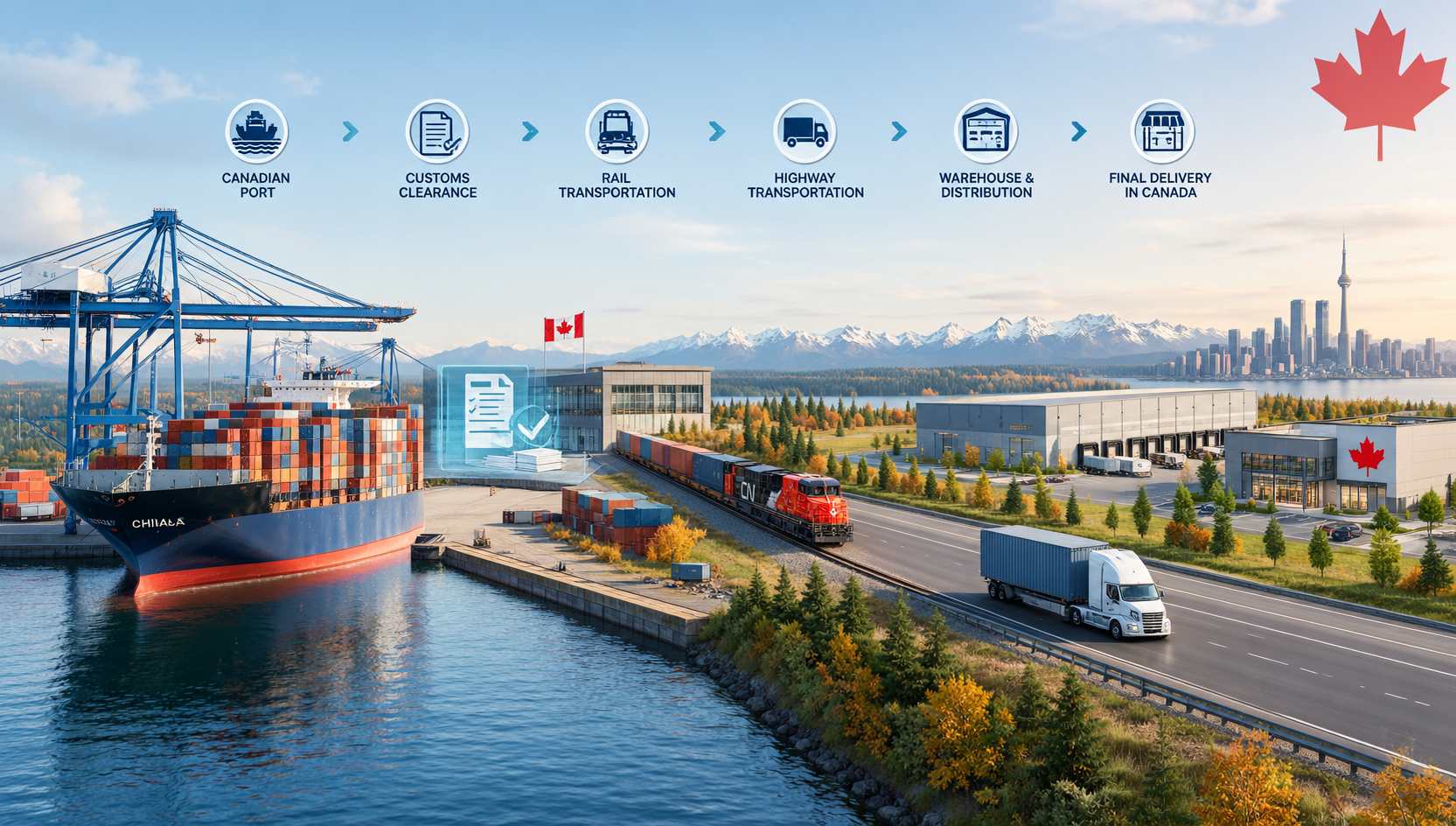
Main China to Angola Routes
The useful route is the one that connects the supplier to an appropriate China export gateway, an available Angola destination gateway, and the final delivery postcode with a workable combination of international service, inland distance, destination handling, customs requirements, and total scope. Port selection should therefore start from the supplier and end at the delivery postcode rather than from a list of ports alone.
Major China Export Ports for Angola Shipping
- Shanghai
- Relevant for suppliers across Shanghai, Jiangsu, Zhejiang, and the wider Yangtze River Delta. Compare Shanghai when the supplier is already positioned near the gateway or when its current Angola service pattern provides a useful combination of schedule and destination routing.
- Ningbo-Zhoushan
- A practical comparison point for Zhejiang and nearby East China factories, particularly where pickup distance favors Ningbo-Zhoushan over Shanghai. Compare the available service to Luanda, Lobito, or another confirmed Angola gateway against inland and destination charges.
- Shenzhen/Yantian
- Useful for Guangdong and Pearl River Delta suppliers, especially containerized manufacturing cargo. The gateway can reduce China-side inland movement for southern suppliers, but the final choice should follow the current Angola sailing or transshipment pattern and the final delivery region.
- Qingdao
- A relevant North and East China comparison for Shandong and surrounding manufacturing clusters. It may be useful when the factory is far from southern ports; compare the complete inland-to-port and ocean route rather than assuming a southern gateway is preferable.
- Xiamen
- A practical option to compare for Fujian and nearby supplier clusters. Use it when the factory pickup distance and current service pattern to Angola make the route competitive with other East China gateways.
- Guangzhou/Nansha
- Relevant to parts of the Pearl River Delta and South China. It can be compared with Yantian where supplier geography, equipment availability, cutoff timing, and current Angola routing create a different end-to-end result.
Major Angola Import Ports for Cargo from China
- Port of Luanda
- Luanda is Angola’s main seaport and a central logistics gateway for the country’s most populated and economically active region. The official Port of Luanda information describes its connections to inland road and rail distribution. Compare it especially for Luanda, Bengo, and routes where the final delivery is concentrated around the capital region.
- Port of Lobito
- Lobito is commercially relevant for container and general cargo moving toward Benguela and central Angola. Its port infrastructure includes container/general-cargo facilities and connections to road and rail, making it an important gateway to compare for inland destinations associated with the Lobito Corridor.
- Port of Namibe
- Namibe is a southern Angola gateway relevant to Namibe and parts of the southern inland market. Its expanded container terminal began containerized operations in 2026, so current China service availability should be checked before treating it as an alternative to Luanda or Lobito for a particular booking.
- Port of Cabinda
- Cabinda requires separate route planning because the province is geographically separated from mainland Angola. Containerized cargo can use Cabinda port facilities, while the newer Caio deepwater development is still subject to current operational confirmation. Do not assume a standard mainland road delivery route applies to Cabinda.
Supplier Region to Destination Routing Logic
Each route below is a planning comparison rather than a promise of direct sailing. The final selection should be checked against the supplier pickup distance, current carrier service or transshipment schedule, final postcode, inland transport cost, destination handling, customs scope, and required delivery responsibility.
| Supplier region in China | Origin port to compare | Destination port and delivery region | Planning reason |
|---|---|---|---|
| Yangtze River Delta — Shanghai, Jiangsu, Zhejiang | Shanghai | Port of Luanda — Luanda and Bengo | Compare when the supplier is close to Shanghai and the final postcode is in the capital region; confirm current service, pickup distance, destination handling, inland delivery scope, and customs responsibilities. |
| Zhejiang and nearby East China manufacturing clusters | Ningbo-Zhoushan | Port of Lobito — Benguela and central Angola | Useful when Ningbo pickup is efficient and the cargo is destined for the central corridor; compare current vessel or transshipment service, inland rail or truck connection, final postcode, and total destination scope. |
| Guangdong and Pearl River Delta | Shenzhen/Yantian | Port of Luanda — Luanda, Bengo, and nearby northern delivery areas | Can reduce China-side inland movement for southern suppliers; compare current Angola routing, destination handling, inland distance, customs scope, and final-mile requirements instead of assuming the origin port determines the final route. |
| Shandong and North China | Qingdao | Port of Lobito — Benguela, Huambo, and central delivery regions | May be worth comparing where the supplier is far from South China gateways; the decision depends on factory pickup distance, current service or transshipment, inland route after Lobito, destination postcode, and complete delivery scope. |
| Fujian and southeast coastal supplier clusters | Xiamen | Port of Namibe — Namibe and southern Angola | Relevant when southern final delivery justifies comparing Namibe; confirm current container service, any transshipment, inland distance, destination handling, customs arrangement, and final-mile scope before booking. |
Destination Regional Delivery Logic
- Luanda and Bengo
- For final postcodes around Luanda and Bengo, compare Port of Luanda because the gateway is close to the principal demand and distribution area. The main planning variables are port handling, customs scope, congestion or storage exposure, and whether delivery is port-to-door or includes all inland handling.
- Benguela, Lobito, and Huambo
- Compare Lobito when the final market lies along the central-west corridor. Road and rail options can affect the inland leg, so the gateway decision should be made from the final postcode and required delivery scope rather than port transit alone.
- Namibe and southern inland areas
- Namibe can be compared for southern Angola deliveries where current service is available and the inland leg is shorter or operationally suitable. For destinations such as the wider southern inland market, compare Namibe with alternative gateways by total inland cost, schedule, destination handling, and customs scope.
- Cabinda
- Cabinda should be treated as a separate delivery branch because it is geographically distinct from mainland Angola. Confirm the available maritime or air gateway, local customs handoff, inland delivery scope, and final postcode before using a mainland gateway assumption.
How the Gateway Is Selected
Gateway selection should be made from the complete supplier-to-delivery route rather than from international transit time alone.
- Supplier pickup distance: Compare the actual factory or warehouse location with the origin port and the cost and timing of getting cargo into that gateway.
- Current transport service: Confirm the actual vessel, air, express, or multimodal routing, including transshipment where applicable, before assuming a port has a suitable current schedule.
- Destination handling: Check the destination terminal, release procedure, available customs handoff, storage exposure, and other local charges that affect the delivered route.
- Final postcode: Evaluate the inland distance and delivery constraints from the selected Angola gateway to the actual consignee location.
- Required scope: Compare port-to-port, port-to-door, airport-to-door, or other scopes on a like-for-like basis and identify who is responsible for customs, taxes, insurance, appointments, and final delivery.
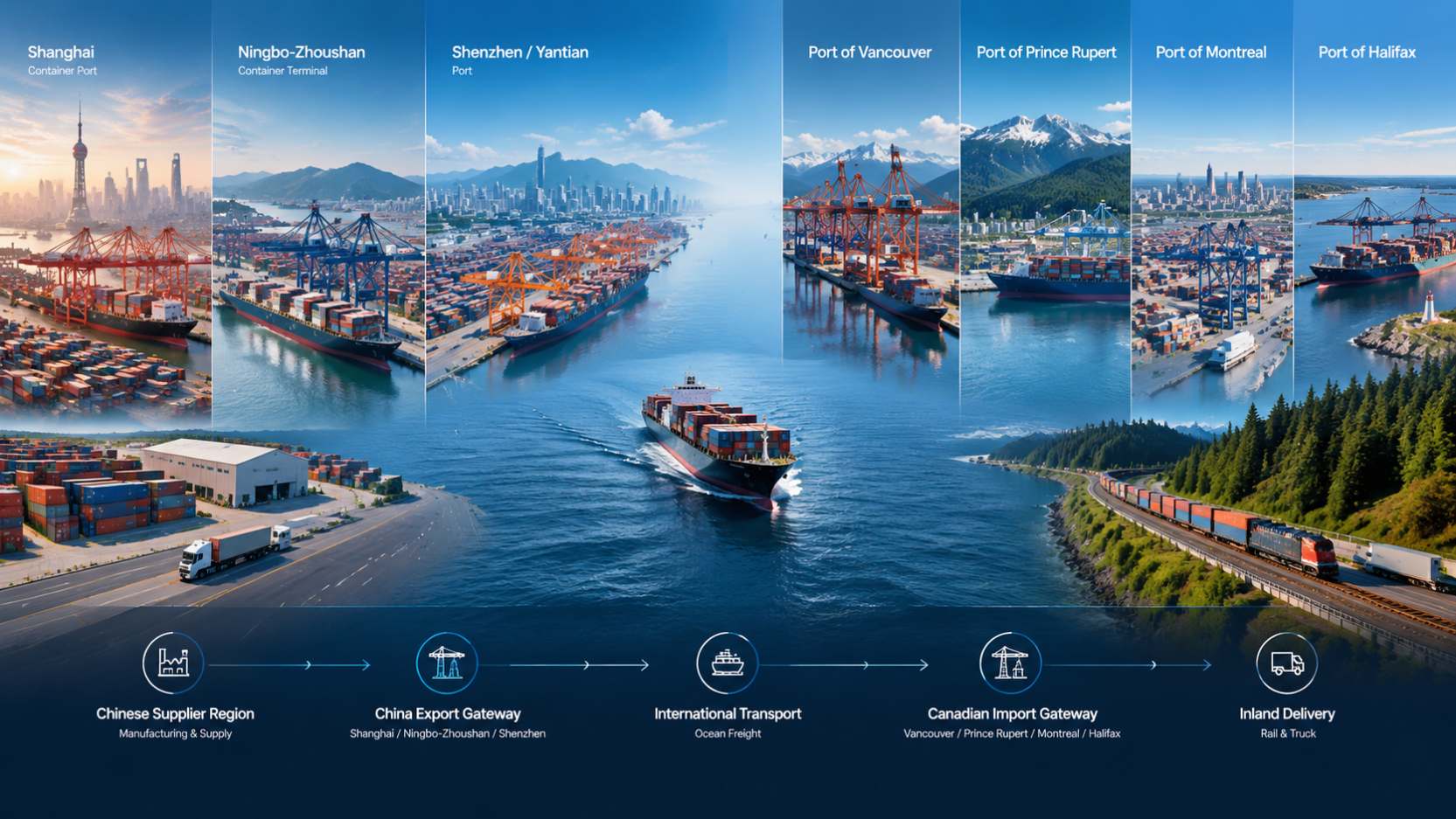
Angola Customs Clearance
Import clearance takes place within Angola’s customs territory and should be planned around the importer, the exact goods, the customs declaration, the declared value and classification, product-specific controls, and the payment of applicable duties and taxes. Angola’s current digital trade workflow uses the Plataforma Integrada do Comércio Externo (PICE) for import processes, including licensing steps, Certificate of Shipment information, Documento Único processing, and payment follow-up; the official PICE platform should be checked for the current process before dispatch. Customs procedures and product controls can change, so the actual shipment should be checked against current requirements before departure.
What the Angola Importer Normally Needs
The exact document set varies by cargo and import procedure, but a commercial China-to-Angola shipment should normally be prepared around the following items and confirmed before cargo departure:
- Importer identification and NIF Confirm the Angolan importer or consignee’s tax identification and registration details and ensure the party responsible for import compliance is identified before the declaration is prepared.
- Commodity or tariff classification Establish the correct HS or tariff code before calculating duties, IVA, licensing requirements, or product controls.
- Customs value information Prepare the transaction and valuation evidence needed to support the declared customs value and ensure the values agree with the commercial documents.
- Documento Único (DU) The DU is the core customs declaration format for the applicable general import procedure and should be prepared with the correct classification, value, consignee, transport, and supporting data.
- Commercial invoice Provide a clear description, quantities, values, seller and buyer details, and other commercial information needed for customs review.
- Packing list and transport document Keep package counts, dimensions, weights, marks, container information, and the bill of lading or air waybill consistent across the shipment documents.
- Licences and product certificates Products subject to special controls may require import licensing, sanitary or phytosanitary documentation, quality or origin certificates, or approvals from the relevant authority. The applicable requirement should be checked before shipment.
- Certificate of Shipment and customs representation For applicable sea shipments, confirm the current Certificate of Shipment or Certificado de Embarque process before departure. Where an authorized customs representative is used, confirm the representative’s authorization and the filing responsibilities within the current PICE/AGT workflow.
Common Causes of Angola Customs Delays
- Incorrect or inconsistent HS classification that changes duty, tax, licensing, or product-control requirements.
- Commercial invoice, packing list, bill of lading, or air waybill information that does not match the actual cargo.
- Incomplete customs value information or discrepancies between declared value and supporting commercial documents.
- Missing import licensing, pre-licensing, certificates, or other approvals required for the specific product category.
- Incomplete or late Certificate of Shipment documentation where applicable to the sea shipment.
- Importer, consignee, or customs-representative information that is incomplete or not ready for the filing process.
- Unpaid or disputed duties, IVA, IEC, storage, examination, or other destination charges preventing release or final delivery.
Resolve classification, document, licensing, importer, valuation, and payment questions before the cargo leaves China wherever possible. Early document review gives the supplier, forwarder, importer, and customs representative time to correct the shipment before an arrival-related deadline becomes a clearance problem.
Shipping to Amazon FBA Angola
Amazon FBA shipments must satisfy both the destination import rules and the current Amazon inbound requirements for the specific fulfillment center receiving the inventory. For Angola, the current public Amazon information does not establish an Angola-specific FBA fulfillment-center destination: Amazon’s public FBA international information describes FBA programs and supported destination structures elsewhere, while its current Seller Export & Delivery destination list does not include Angola. Therefore, a China-to-Angola shipment should not be marketed as delivery to an Angolan Amazon FBA warehouse unless Seller Central provides a specific, current program for the seller, product, and destination.
When inventory is actually being sent from China to an Amazon fulfillment center in another supported country, the seller still needs to follow that destination’s shipment plan, SKU and carton labels, packaging requirements, importer-of-record arrangement, commodity classification, customs documentation, taxes, and delivery instructions. Amazon’s own current FBA guidance should be checked together with the local import rules. The Amazon FBA shipping service scope can be used for planning only after the actual Amazon fulfillment destination and inbound requirements are identified.
For products intended for Angolan customers rather than an Angolan FBA warehouse, distinguish between inventory imported into Angola for local fulfillment and international customer delivery from an Amazon-supported inventory location. These are different customs and logistics routes and should not be priced or documented as though they were the same operation.
Special Cargo, Packaging, and Insurance
Cargo Requiring Additional Review
- Lithium batteries and battery-powered equipment: Confirm battery type, watt-hour information, packing method, labeling, transport mode acceptance, and applicable dangerous-goods requirements before booking.
- Dangerous goods: Confirm the correct UN classification, safety documentation, packaging, handling, and carrier acceptance before the cargo reaches the China gateway.
- Chemicals and liquids: Check product composition, safety documentation, leakage controls, customs classification, and mode restrictions.
- Food and agricultural products: Confirm Angola’s applicable sanitary, phytosanitary, labeling, shelf-life, and import-control requirements before shipment.
- Cosmetics and medical goods: Verify product registration, labeling, health or regulatory approvals, and import restrictions where required.
- Wood packaging: Confirm whether pallets, crates, dunnage, or other regulated wood packaging need treatment and marking under the applicable phytosanitary rules.
- Oversized or heavy cargo: Confirm dimensions, lifting points, packing method, equipment availability, port handling, road restrictions, and final delivery access before choosing a standard container service.
- Temperature-controlled cargo: Confirm required temperature range, monitoring, power availability, handling procedures, and final-delivery equipment before booking.
- Controlled or restricted goods: Check the applicable Angola import authority, licence, permit, quota, or other control before cargo is released to international transport.
Packaging Checks
Packaging should be designed for the complete China-to-Angola journey, including supplier loading, consolidation or container handling, marine or air movement, terminal handling, customs inspection where applicable, and inland delivery. The package description used for quotation, shipping documents, customs declaration, and final delivery should match the actual packing arrangement.
- Carton strength: Use packaging suitable for stacking, repeated handling, and the actual cargo weight.
- Internal protection: Secure products against movement, impact, vibration, moisture, and compression.
- Pallets: Confirm pallet dimensions, load distribution, forklift access, and whether palletization is required for the chosen transport or delivery point.
- Moisture protection: Use appropriate liners, desiccants, wrapping, or other protection where cargo is sensitive to humidity or seawater exposure.
- Handling marks: Make orientation, lifting, fragile, or other handling instructions visible where relevant.
- Labels: Keep carton, pallet, product, and Amazon labels consistent with the declared shipment and actual receiving requirements.
- Dimensions and weights: Verify outer dimensions and gross weights before pickup because these figures affect equipment planning and chargeable weight.
- Regulated wood packaging: Where wood packaging is used, verify the applicable treatment and marking requirements before export.
Cargo Insurance
Carrier liability is not the same as cargo insurance. Before shipment, confirm the insured value, covered risks, exclusions, deductible, evidence required for a claim, geographic scope, and coverage period from the supplier pickup through the agreed delivery point. The cargo insurance service should be evaluated against the actual cargo value and route rather than assumed to be included in a freight quotation.
Choosing a China to Angola Freight Forwarder
Compare China-to-Angola quotations by scope before comparing the numbers. Each quotation should identify the origin pickup point, export handling, main international transport, destination charges, customs scope, inland delivery, insurance treatment, final postcode, and any excluded or conditional charges. Two prices using different units, gateways, delivery scopes, or included charges are not like-for-like quotations.
Why Use a Freight Forwarder for China-to-Angola Shipping
A route-specific freight forwarder can reduce the number of separate handoffs the shipper has to coordinate while keeping responsibilities visible:
- Supplier pickup coordination: Organize collection from the actual China factory or warehouse and align cargo-ready timing with the selected gateway.
- Route and mode comparison: Compare FCL, LCL, air, express, or a multimodal route around the shipment’s size, deadline, supplier geography, and Angola delivery postcode.
- Consolidation support: Where suitable for LCL or compatible cargo, coordinate consolidation and document consistency before export.
- Document-readiness checks: Review commercial, packing, transport, classification, and shipment-specific documentation before departure.
- Origin and destination handoffs: Coordinate the transition from supplier pickup to gateway handling, international transport, customs, destination release, and final delivery.
- Exception visibility: Provide a coordination point when documentation, routing, customs examination, storage, or final-mile requirements change during execution.
A freight forwarder does not automatically replace the importer of record, customs authority, licensed customs representative where legally required, product-compliance owner, or legal and tax adviser. Those responsibilities should be identified explicitly in the shipment instructions and quotation.
Why Choose TJ for China-Angola Shipping
TJ can structure the route from the supplier location rather than quoting only an international transport leg, compare applicable sea, air, express, multimodal, and door-to-door options, coordinate origin and destination handoffs, support document preparation, and build the quotation around the final Angola postcode and requested delivery scope. The useful output is a shipment plan that makes the gateway, transport mode, customs responsibility, destination charges, and final-mile scope visible before booking.
For a route-specific freight quotation, send the China supplier location, cargo description, number of packages, dimensions, CBM, gross weight, Angola destination postcode, requested delivery scope, cargo-ready date, customs requirements, and preferred transit time. Get a China to Angola freight quotation based on the actual shipment details.
Frequently Asked Questions
How long does sea freight from China to Angola take?
The supplied planning reference is 32–46 days for both FCL 20GP and FCL 40GP, while LCL is 38–52 days. The input does not define whether those periods are port-to-port, terminal-to-terminal, or door-to-door, so the booking must confirm the start and end points and separately account for pickup, customs, destination handling, and final delivery.
Which major China ports handle cargo for Angola?
Shanghai, Ningbo-Zhoushan, Shenzhen/Yantian, Qingdao, Xiamen, and Guangzhou/Nansha are practical China gateway ports to compare for Angola cargo. The correct choice depends on the supplier’s factory location, current carrier routing, transshipment pattern, equipment availability, and final Angola delivery region.
Which Angola port should I compare for my final destination?
Compare the Port of Luanda for Luanda and Bengo deliveries, Lobito for Benguela and central-corridor destinations, Namibe for southern Angola when current container service is available, and Cabinda as a separate destination branch. The final choice should be based on the actual postcode, current service, inland distance, destination handling, customs arrangement, and requested delivery scope.
What documents are required to ship from China to Angola?
The core preparation normally includes importer identification and NIF details, commodity classification, customs value information, the Documento Único, commercial invoice, packing list, bill of lading or air waybill, and any applicable import licences or product certificates. For applicable sea shipments, the current Certificate of Shipment or Certificado de Embarque process should also be confirmed before departure.
Is rail or rail-based shipping from China to Angola available?
Rail is not treated here as a standard direct China-to-Angola end-to-end service. It can be relevant as an inland component after maritime arrival, particularly around the Lobito Corridor, when the final destination, current rail operation, and multimodal handoff make it suitable.
Can I ship from China to Amazon FBA in Angola?
Current public Amazon FBA information does not establish an Angola-specific FBA fulfillment-center route, and Angola is not included in the current public Seller Export & Delivery destination list. For inventory intended for an Amazon fulfillment center in another supported country, follow that country’s Amazon shipment plan and importer requirements rather than treating Angola as an FBA warehouse destination.