

Reviewed by TJ Logistics Team — October 2026. Market, cost, customs, tariff, and marketplace information has been reviewed for this content and cost-data review month; regulatory and commercial conditions may change. The review applies practical route-planning checks across supplier pickup in China, origin-gateway and transport-mode selection, Colombian customs handoff, and final delivery.
Shipping from China to Colombia: Route Update
For a full-container shipment from Shanghai, China, to Buenaventura, Colombia, the FCL 20GP indicative cost reference is $2,160–$3,600/container, with a 30–40 days planning transit. The sea freight service is a practical starting point for containerized commercial cargo that does not require air transport speed.
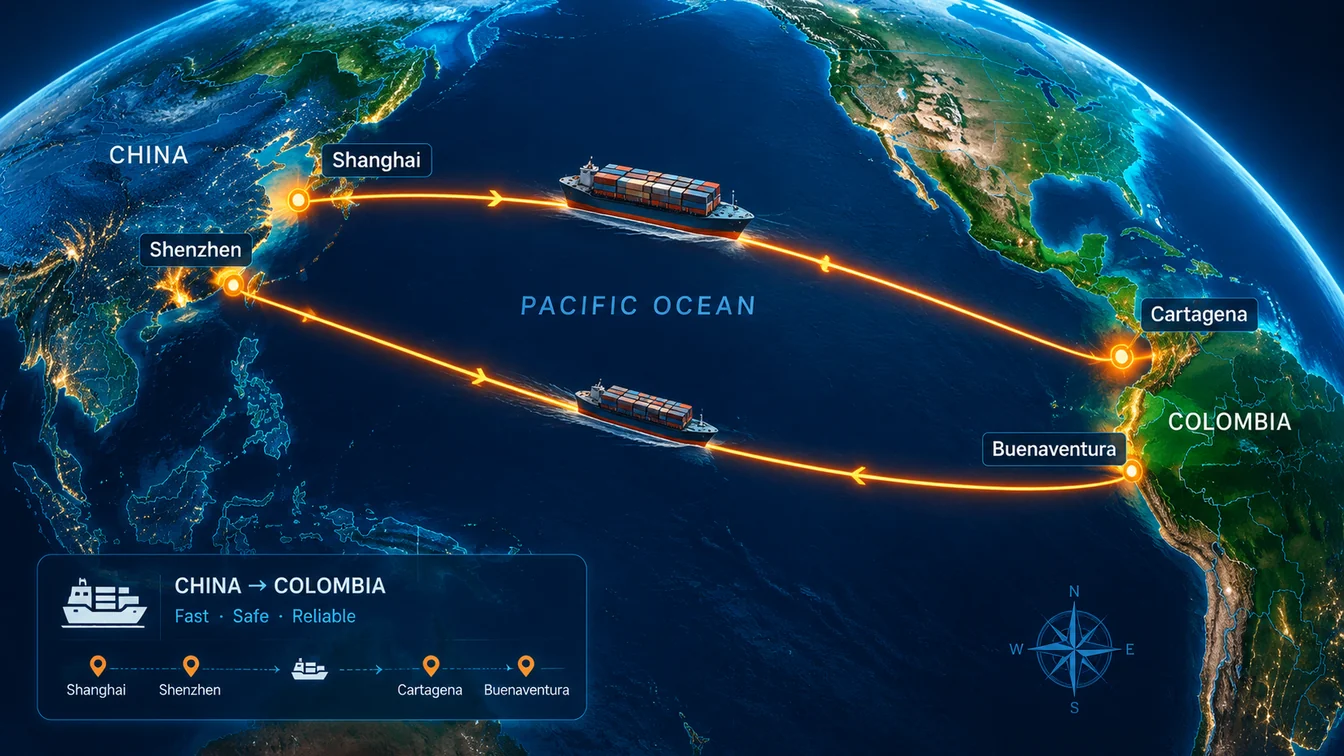
Smaller, non-urgent shipments can be evaluated for LCL consolidation, while urgent cargo can move by air to Bogotá El Dorado (BOG) or by express service from major Chinese cities. The appropriate route connects the supplier’s actual location to a workable Chinese gateway, then to Buenaventura or a Caribbean port, Colombian customs clearance, and the final delivery address.
Route Planning Summary
- Which China gateway should the supplier use?
- Start with Shanghai or Ningbo-Zhoushan for suppliers in the Yangtze River Delta and Shenzhen/Yantian or Guangzhou/Nansha for Guangdong suppliers; the pickup address and suitable outbound service determine the practical choice.
- Which transport method fits the shipment?
- Ocean FCL is the main starting point for containerized cargo, LCL suits eligible smaller consignments, and air freight or express suits time-sensitive or parcel-scale shipments.
- How should transit time be planned?
- Use the supplied route-specific transit reference for the chosen method, then plan any separately scoped supplier pickup, origin handling, Colombian clearance, and final-mile movements.
- Who handles Colombian import clearance?
- The Colombian importer remains responsible for legal import eligibility, applicable taxes, and compliance; an authorized customs representative can support the declaration and release process.
- What must a final-delivery plan specify?
- The agreed service must define the final postcode, receiving address, delivery access, unloading requirements, customs and tax responsibility, and which party handles each destination-side handoff.
China to Colombia Shipping Cost
The table provides route-specific indicative shipping costs and planning transit references for the October 2026 review. Each reference applies to its named route, shipping method, and stated unit.
| Shipping route | Shipping method | Price | Transit time |
|---|---|---|---|
| Shanghai, China → Buenaventura, Colombia | FCL 20GP | $2,160–$3,600/container | 30–40 days |
| Shanghai, China → Buenaventura, Colombia | FCL 40GP | $2,520–$4,320/container | 30–40 days |
| Shanghai, China → Buenaventura, Colombia | FCL 40HQ | $2,700–$4,500/container | 30–40 days |
| Major Chinese ports → Buenaventura / Cartagena, Colombia | LCL | $63–$112.5/CBM | 42–58 days |
| China (origin airport unspecified) → Bogotá El Dorado (BOG), Colombia | Air freight | $7.65/kg | 2–4 days |
| Major Chinese cities → Colombia (destination city unspecified) | Express | $12.11/kg | 2–5 days |
Cost scope: These indicative cost references apply to the route, method, and unit shown; they are not carrier freight rates, market averages, TJ selling prices, or binding quotations. The actual booking date, cargo, route, and agreed service scope determine the commercial arrangement, including responsibility for relevant pickup, handling, customs clearance, duty and tax, inland delivery, insurance, storage, examination, appointments, and surcharges.
Colombia Import Duty and Taxes
Colombian import duties and IVA (value-added tax) depend on the product’s tariff classification, customs value, origin, trade measures, product category, and current regulations. The amount must be determined for the particular goods rather than assumed from a countrywide rate.
Colombia’s import-tax calculation starts with the correct tariff classification and customs valuation, then applies the duties and taxes relevant to that product.
- Classify the goods under the appropriate Colombian tariff subheading, or subpartida arancelaria. Product function, composition, technical specifications, and intended use can affect the classification.
- Determine the customs value using the applicable valuation rules and supporting transaction documents. DIAN’s customs tax calculation guidance explains the use of CIF-value elements, including the goods’ value, freight, insurance, and other applicable expenses.
- Check the applicable gravamen arancelario, origin requirements, and any product-specific trade measure. Do not assume a preferential tariff applies without a valid legal basis and the required origin evidence.
- Determine the applicable IVA rate and tax base, together with any additional product-specific levy or charge. Exemptions and special treatments depend on the goods and the current rules.
- Arrange payment of the applicable tributos aduaneros through the required import process and retain the supporting records needed for release and subsequent compliance.
This is a simplified explanation of Colombian import-tax logic, not tax or legal advice. The importer should obtain a product-specific calculation before committing to the shipment’s landed-cost budget. For a movement considered under delivered-duty-paid terms, the DDP shipping service scope should be reviewed alongside the legal importer, tax, and clearance arrangements applicable in Colombia.
China to Colombia Shipping Time
The supplied Shanghai-to-Buenaventura FCL references give the same 30–40 days planning transit for FCL 20GP, FCL 40GP, and FCL 40HQ shipments.
The other supplied transit references are 42–58 days for LCL from major Chinese ports to Buenaventura or Cartagena, 2–4 days for air freight from an unspecified Chinese origin airport to Bogotá El Dorado (BOG), and 2–5 days for express from major Chinese cities to an unspecified Colombian destination city.
These values support the initial transport-mode decision, but the air reference does not name its Chinese origin airport and the express reference does not name a destination city. A delivery plan for a specific Colombian warehouse must account for those missing geographic details, as well as any separately arranged customs clearance and final-mile movement.
Shipping Methods from China to Colombia
- Full container load (FCL)
- Choose FCL when the shipment needs a dedicated container and the cargo dimensions, weight, and loading plan suit available equipment, because the load does not need to be consolidated with other shippers’ goods. The practical equipment choice depends on the supplier’s loading access, cargo height and length, packing, and the receiving location’s unloading capability.
- Less than container load (LCL)
- Choose LCL when the cargo is suitable for consolidation and a dedicated container is not justified, because shared container space allows smaller shipments to use ocean transport. The decision can change with handling sensitivity, cargo dimensions, packaging quality, consolidation requirements, and the final delivery deadline.
- Air freight
- Choose air freight when the value of meeting a tighter delivery schedule outweighs the transport cost and the shipment is accepted for air carriage, because it reduces the international transport interval compared with the supplied ocean references. Assess both actual and chargeable weight, volumetric dimensions, cargo restrictions, the origin airport, and the final delivery address. The air freight service is the relevant service scope to review.
- Express shipping
- Choose express when the shipment consists of courier-eligible parcels or other accepted small consignments and speed is a priority, because courier networks are designed for time-sensitive shipments within their acceptance rules. Actual weight, volumetric weight, commodity restrictions, remote-area coverage, and the destination postcode can change the suitable service. Review the express shipping service for the scope relevant to the shipment.
Rail is not a standalone China-to-Colombia transport option because the international route crosses an ocean. Inland road transport may form part of the shipment after arrival at Buenaventura or a Caribbean gateway, depending on the final delivery region.
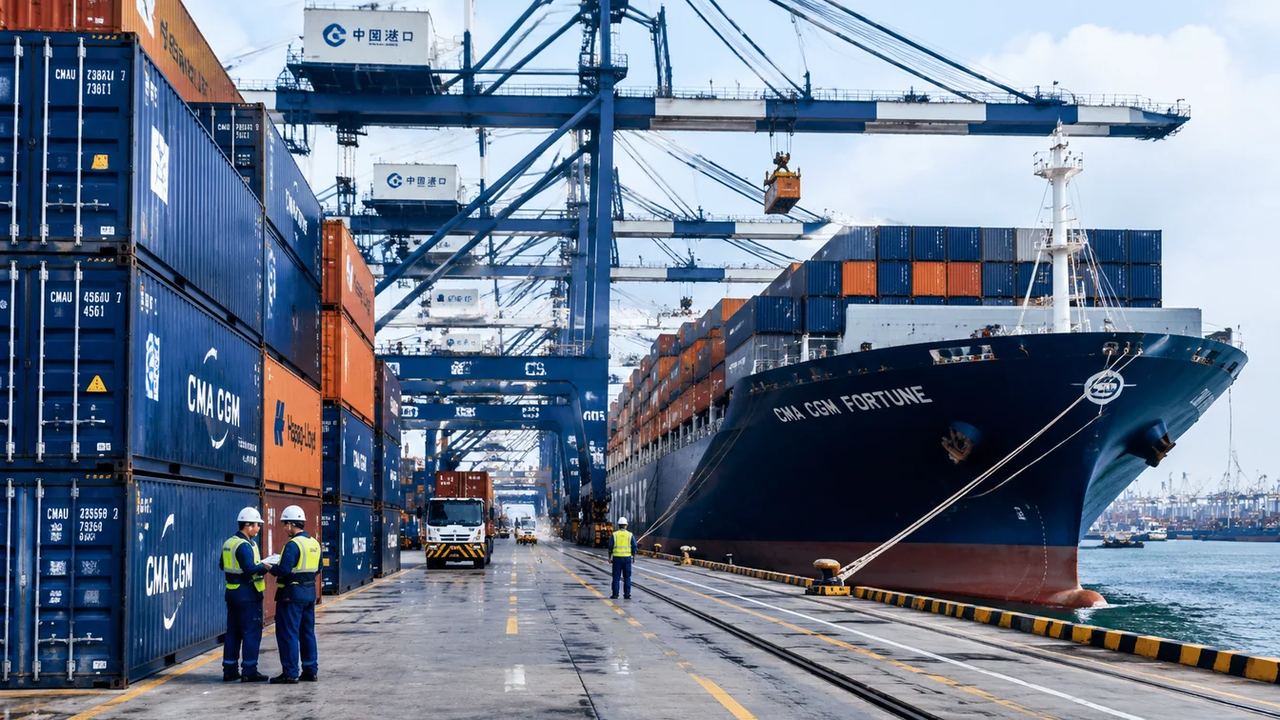
Door-to-Door Shipping from China to Colombia
Door-to-door shipping links collection at the Chinese supplier with the agreed Colombian delivery address through coordinated transport and handoffs. The door-to-door shipping service scope should specify the pickup point, transport arrangements, customs responsibilities, destination handling, and final receiving conditions.
-
Cargo and Compliance Review
Record the product description, quantity, packaging, dimensions, actual weight, cargo value, and intended use. Check whether Colombian import permits, product approvals, special handling, or transport restrictions must be resolved before the supplier releases the goods.
-
Route and Method Selection
Match the cargo and deadline to FCL, LCL, air freight, or express. Compare a suitable Chinese origin gateway with Buenaventura or a Caribbean entry port, or with Bogotá El Dorado for air cargo, using the actual supplier address and destination region.
-
Supplier Coordination and Pickup
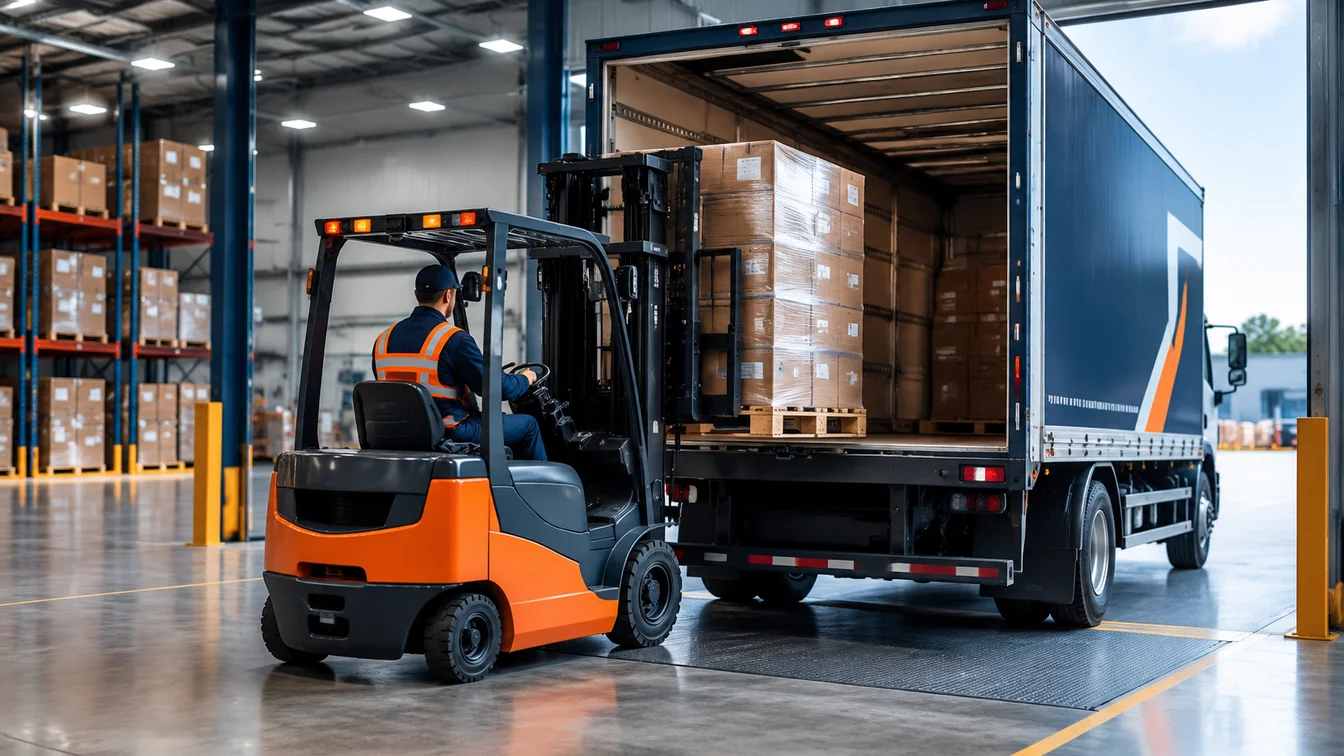
Agree the cargo-ready date, collection address, loading arrangements, shipping marks, packing status, and collection access with the Chinese supplier. The selected vehicle and collection plan must accommodate the actual packaged dimensions and any site restrictions.
-
China Export Handling
Prepare the commercial and transport documents, arrange the agreed origin handling, and complete the applicable export formalities. The cargo handoff should match the selected ocean, air, or express service and the documentation supplied by the seller.
-
International Transportation
Move the cargo through the agreed international service to Buenaventura, Cartagena, another confirmed Colombian port, or Bogotá El Dorado for air cargo. The transport plan should reflect the selected service, any transshipment or connection, cargo acceptance requirements, and the relevant transport document.
-
Colombia Import Clearance
The Colombian importer supplies the information and authorizations needed for the declaration, applicable permits, and payment of duties and taxes. A customs representative can assist where authorized, but the shipment must satisfy the relevant import and product requirements before release.
-
Final Delivery
Arrange the post-clearance delivery from the arrival gateway to the agreed receiving address. The delivery plan should specify the final postcode, vehicle access, unloading equipment, appointment needs, and responsibility for any separately arranged inland transport or destination handling.
-
Shipment Close-Out
Record delivery evidence, resolve outstanding document or handling discrepancies, and retain the transport and customs records. Where a shortage, damage, or loss is discovered, preserve photographs, packing records, and the relevant delivery or inspection evidence for the applicable claims process.
Main China to Colombia Routes
The most practical China-to-Colombia route normally starts at a gateway that limits supplier-side movement while matching the destination region and available import handling. A different gateway can become preferable when the actual sailing or flight schedule, international connection, cargo equipment, or inland delivery requirement changes the complete route.

Major China Export Ports for Colombia Shipping
- Shanghai
- Shanghai suits suppliers in the Shanghai–Jiangsu manufacturing and distribution area. Compare it for FCL or LCL cargo bound for Buenaventura or Cartagena, using the supplier’s collection distance and the actual outbound service rather than assuming a particular sailing.
- Ningbo-Zhoushan
- Ningbo-Zhoushan is relevant to suppliers in Zhejiang and nearby eastern China. Compare it with Shanghai for Colombian-bound container cargo when the supplier’s loading location, inland pickup, and available port service create a meaningful operational difference.
- Shenzhen/Yantian
- Shenzhen/Yantian is a useful gateway to compare for electronics, consumer goods, furniture, and other cargo sourced in the Pearl River Delta. The destination-port decision should reflect whether Buenaventura or a Caribbean gateway gives the more workable complete delivery plan.
- Guangzhou/Nansha
- Guangzhou/Nansha can suit suppliers in Guangzhou and the inner Pearl River Delta where local collection distance matters. Compare it with Shenzhen/Yantian only after accounting for cargo handling, the actual port service, and the final Colombian delivery region.
- Qingdao
- Qingdao is relevant to Shandong and northern China suppliers. It can be compared for container cargo to Buenaventura or Cartagena, with the final choice shaped by the supplier’s inland movement, equipment requirements, and the confirmed international routing.
- Xiamen
- Xiamen is worth comparing for suppliers in Fujian and southeastern China. The suitable Colombian entry gateway depends on the available ocean connection, local collection, cargo type, and the receiving region rather than the origin port name alone.
Major Colombia Import Ports for Cargo from China
- Buenaventura
- Buenaventura is Colombia’s main Pacific-side comparison point for cargo serving the Valle del Cauca region and western Colombia, including the Cali market. Buyers should compare the complete port-to-delivery plan for central Colombian destinations as well. The Buenaventura port operator provides an official reference for the destination gateway.
- Cartagena
- Cartagena is a major Caribbean gateway to compare for northern Colombia and delivery plans serving parts of the Caribbean hinterland and inland destinations such as Medellín. Its operational suitability depends on the available China-origin service, import handling, and the actual onward road movement. The Cartagena port information page publishes information on port and vessel operations.
- Barranquilla
- Barranquilla is a Caribbean-side option for deliveries in Atlántico and the surrounding northern region. Compare it when destination proximity and available cargo handling justify the choice, and check the actual international routing and onward delivery arrangement for the shipment.
- Santa Marta
- Santa Marta can be relevant to delivery requirements in Magdalena and parts of the northern Caribbean region. Its multipurpose cargo facilities make it worth reviewing for suitable shipments, provided the required container or cargo handling and an appropriate China-origin routing are available.
Supplier Region to Destination Routing Logic
| Supplier region in China | Origin port to compare | Destination port and delivery region | Planning reason |
|---|---|---|---|
| Shanghai, Jiangsu, and eastern Zhejiang | Shanghai or Ningbo-Zhoushan | Buenaventura → Cali and Valle del Cauca | Compare Shanghai or Ningbo-Zhoushan → Buenaventura → Cali/Valle del Cauca to limit unnecessary supplier-side movement and match the western delivery region. The result can change with the actual sailing, cargo-ready date, pickup distance, and destination handling arrangements. |
| Guangdong and the Pearl River Delta | Shenzhen/Yantian or Guangzhou/Nansha | Buenaventura → Cali and western Colombia | Compare Shenzhen/Yantian or Guangzhou/Nansha → Buenaventura → Cali/western Colombia when the supplier is based in southern China. The final choice depends on the factory address, outbound service, required equipment, and whether the receiving address lies outside the Pacific-side delivery region. |
| Shandong and northern China | Qingdao | Cartagena → Caribbean coast and selected inland destinations | Compare Qingdao → Cartagena → the relevant Caribbean destination when the supplier is in northern China and the receiver is nearer the Caribbean region. A suitable connection, cargo acceptance, final postcode, and inland trucking plan can change the comparison with Buenaventura. |
| Fujian and southeastern China | Xiamen | Cartagena or Barranquilla → northern Colombia | Compare Xiamen → a suitable Caribbean gateway → the northern delivery address when local pickup favors Fujian. Confirm the current international connection and that the receiving port can handle the cargo before selecting the full route. |
| Eastern China and inland-facing distribution locations | Shanghai or Ningbo-Zhoushan | Buenaventura or Cartagena → Bogotá and the central Andean region | Compare Shanghai or Ningbo-Zhoushan → either suitable entry gateway → Bogotá against the complete international and road movements. The preferred route can change with the current port service, customs arrangements, inland carrier, final postcode, and agreed delivery scope. |
Destination Regional Delivery Logic
- Pacific coast and Valle del Cauca
- Buenaventura is a natural gateway to compare for Cali and the surrounding western region because it avoids routing those deliveries through a distant Caribbean entry port. The final plan still needs to account for port release, road access, cargo requirements, and the receiving address.
- Bogotá and the central Andean region
- Compare Buenaventura and Cartagena against both the international connection and the onward road movement to Bogotá. A shorter inland leg alone does not establish the better complete route because the actual port service, handling, and destination delivery plan also matter.
- Medellín and Antioquia
- Compare Cartagena and Buenaventura using the final address, cargo-handling requirements, international service, and onward road plan into Antioquia. The route that best suits one receiver may not suit a different postcode or delivery arrangement.
- Caribbean coast and northern Colombia
- Compare Cartagena, Barranquilla, and Santa Marta for a receiver in the northern coastal region. The appropriate entry gateway depends on the destination municipality, suitable port handling, confirmed international connections, and the final-mile arrangements.
How the Gateway Is Selected
Gateway selection works best when the China origin and Colombian receiving address are treated as one route rather than independent port choices.
- Match the Chinese origin port to the supplier’s real collection address, loading access, cargo-ready date, and required equipment.
- Compare the actual service and connection to Buenaventura or a Caribbean gateway, including any transshipment and cargo-acceptance restrictions.
- Match the Colombian entry port to the final postcode, expected road movement, receiver access, and delivery appointment requirements.
- Check whether the product requires special handling, permits, inspection, or an entry arrangement that changes the practical gateway choice.
- Use a multi-modal freight service scope for review when international transport and the subsequent inland movement need to be coordinated as connected legs.
Colombia Customs Clearance
Commercial imports into Colombia require an eligible importer, accurate declarations, supporting documents, payment of applicable import taxes, and compliance with product-specific requirements. The guidance here concerns imports into Colombia’s national customs territory; free-trade-zone and other special-regime movements may require additional procedures.
What the Colombia Importer Normally Needs
A China-to-Colombia shipment should have its importer details, tariff classification, commercial documents, and applicable authorizations ready before the cargo leaves China. The exact documents and filing deadlines depend on the goods and current Colombian customs requirements.
- Importer registration and identification The Colombian importer should have the required Registro Único Tributario (RUT) registration and Número de Identificación Tributaria (NIT), with the appropriate status for the import transaction.
- Colombian tariff subheading The importer or its authorized specialist should classify the goods accurately so the applicable duty, tax treatment, and import-control requirements can be determined.
- Customs value and commercial invoice Prepare an accurate invoice showing the seller, buyer, product description, quantities, transaction values, currency, and sale terms. Ensure the declared value can be supported by the relevant transaction and freight records.
- Packing list Record the actual package count, contents, dimensions, gross and net weights where relevant, and marks. The packing information should match the physical cargo and transport documents.
- Transport document Prepare the bill of lading for ocean cargo or the air waybill for air cargo, as applicable. The shipper, consignee, cargo details, and transport instructions should agree with the commercial documentation.
- Import declaration and advance filing Prepare the required Colombian import declaration and determine whether an advance declaration is mandatory for the specific goods and operation. DIAN’s advance declaration guidance sets out the applicable categories, documents, and filing rules; the relevant deadline must be checked before departure.
- Import registrations, licences, and product permits Check whether the tariff subheading requires an import registration, licence, technical approval, or other authorization before shipment. The VUCE import registration and licence module supports applicable prior import procedures, with other competent authorities involved where required.
- Origin evidence and customs representation Prepare a certificate or other proof of origin when required, and determine whether a licensed or otherwise authorized customs representative must be appointed for the operation. Where an agent or representative acts for the importer, prepare the required authorization or mandate.
Common Causes of Colombia Customs Delays
- A commercial invoice, packing list, or transport document that contains inconsistent product descriptions, quantities, weights, values, or consignee details.
- An incorrect tariff subheading that affects duty, IVA, or the import-control requirements for the goods.
- Missing or incomplete permits, import registrations, licences, or authorizations for regulated products.
- An advance declaration that is required for the shipment but is not filed within the applicable deadline.
- Unresolved customs valuation questions or insufficient support for the declared transaction value.
- Outstanding duties, IVA, customs formalities, inspections, or other requirements needed before release.
- Discrepancies between the import declaration and the cargo presented for inspection or release.
Resolve classification, product approvals, document inconsistencies, and any mandatory advance-filing requirement before the cargo departs China. The importer and its authorized customs representative should track outstanding release conditions so the cargo does not reach the Colombian gateway with an avoidable compliance gap.
Special Cargo, Packaging, and Insurance
Cargo Requiring Additional Review
- Batteries and dangerous goods: Identify lithium batteries and other regulated dangerous goods before choosing a service. Confirm the applicable classification, packaging, declarations, test documentation where relevant, and carrier acceptance.
- Chemicals and liquids: Provide the product’s composition, safety data, and handling requirements. The shipping method and Colombian approvals depend on the actual substance and its regulatory classification.
- Food, cosmetics, and medical goods: Check product eligibility, labelling, health or sanitary requirements, and any applicable authorization before dispatch. Food, agricultural goods, and health-related products may involve the competent Colombian control authorities.
- Wood packaging: Check the requirements for crates, pallets, and other solid-wood packing before export. Applicable phytosanitary treatment and marking rules must be met for the shipment.
- Oversized cargo and project equipment: Supply exact dimensions, gross weight, centre-of-gravity or lifting information where relevant, and loading or unloading limitations. Review the project cargo shipping scope when standard container handling is unsuitable.
- Temperature-controlled and other controlled goods: Define the temperature range, monitoring requirements, handling limits, and any licensing or import restrictions. The cargo’s compliance conditions can determine which route and service may accept it.
Packaging Checks
China-to-Colombia packaging should protect the goods through supplier handling, export processing, international transport, destination handling, and the final road movement. Cargo exposed to moisture, movement, or repeated handling needs packaging suited to its actual material, fragility, and transport method.
Prepare the shipment for the actual cargo and route by checking the following before collection.
- Use cartons or crates with adequate strength and internal protection for the product’s weight, fragility, and handling exposure.
- Secure pallets and loads against shifting, compression, and movement during forklift handling and road transport.
- Apply appropriate moisture protection, particularly to goods sensitive to humidity, condensation, or corrosion.
- Mark packages clearly with the agreed handling marks, package identifiers, and required product or compliance labels.
- Measure the packed cargo accurately and record package dimensions, gross weights, net weights where required, and piece counts.
- Ensure any regulated wood packaging meets the phytosanitary requirements applicable to its international movement and destination.
Cargo Insurance
Carrier liability is not the same as cargo insurance, and it may not compensate the cargo owner for the full value of a loss. Before shipping from China to Colombia, review the insured value, covered risks, exclusions, deductible, evidence requirements, and coverage period, including whether collection, loading, ocean or air transport, customs-related storage, and inland delivery are covered. The cargo insurance service page provides the relevant service scope for review.
Choosing a Freight Forwarder for Shipping from China to Colombia
A freight forwarder helps a China-to-Colombia buyer turn supplier information into a workable shipment definition, select a credible origin-to-destination route, and keep commercial and operational handoffs aligned. The value lies in making the next decision and the responsible party clear, rather than assuming that transport, clearance, and final delivery are automatically one service.
- Turning supplier information into a workable movement
- Incomplete cargo details can prevent an appropriate equipment or service choice, so a forwarder helps organize the key shipment facts into a usable movement definition. The next decision may change when the actual packed dimensions, cargo-ready date, or product restrictions differ from the initial information.
- Matching the gateway to the real destination
- A port that suits the supplier is not automatically the best entry point for the final Colombian receiver, so the route review compares supplier-side movement, available international services, entry gateways, and onward delivery. The final postcode, actual connection, cargo handling, and delivery deadline can change the preferred route.
- Keeping commercial and operational handoffs aligned
- Unclear responsibility between seller, importer, transport parties, and destination providers can leave necessary tasks unassigned, so the service boundary and next handoff should be documented. Importer eligibility, customs representation, tax responsibility, and product compliance remain with the parties legally responsible for them.
How TJ Logistics Team Plans a China-to-Colombia Shipment
- Shipment definition and information gaps
- TJ Logistics Team reviews the supplier address, commodity description, package dimensions, weights, ready date, and receiving postcode. Missing information that prevents a meaningful route or service decision is flagged before the movement is defined.
- Origin gateway and international route review
- TJ Logistics Team compares relevant China origin gateways and the available ocean, air, or express approach against the cargo details and final Colombian region. The review distinguishes a workable route from a direct-service or schedule assumption that has not been established.
- Agreed service boundary and handoff responsibilities
- TJ Logistics Team records the agreed collection and handling scope, international movement, customs responsibility, destination-side arrangements, and any separately assigned delivery requirements. The responsible importer, authorized representatives, and other providers must be clear before the formal commercial arrangement is prepared.
- Booking information and operational coordination
- After the buyer confirms the agreed scope, TJ Logistics Team coordinates the relevant booking information, commercial documents, cargo handoff, and next operational decisions. Changes to the cargo-ready date, route, documentation, or receiving conditions are flagged for the parties responsible for the affected handoff.
China to Colombia Shipping FAQ
How much does a 20ft container from China to Colombia cost?
For Shanghai, China → Buenaventura, Colombia, the FCL 20GP indicative cost reference for the October 2026 review is $2,160–$3,600/container. This reference applies to that named route and container method, not to every China-to-Colombia origin and destination combination.
How long does sea freight from China to Colombia take?
The supplied Shanghai, China → Buenaventura, Colombia FCL planning reference is 30–40 days for FCL 20GP, FCL 40GP, and FCL 40HQ. The LCL reference for major Chinese ports to Buenaventura or Cartagena is longer, so the cargo method and required destination gateway should be chosen together.
What is the most cost-effective way to ship from China to Colombia?
For non-urgent commercial cargo, ocean freight is the practical starting point: use FCL when dedicated-container transport suits the load, or LCL when the shipment is suitable for consolidation. The per-container and per-CBM cost references use different units, so they do not establish a universal cheapest method for an individual shipment.
Which China port or gateway is best for shipping to Colombia?
The starting point is the major export gateway that best fits the supplier’s actual location and has a suitable service to the required Colombian entry region. Shanghai or Ningbo-Zhoushan can be compared for eastern China suppliers, while Shenzhen/Yantian or Guangzhou/Nansha are relevant for Guangdong; the final delivery region and actual international connection can change the choice.
Which Colombian port should I compare for delivery to Bogotá?
For Bogotá, compare Buenaventura and Cartagena using the full international route and subsequent road delivery to the receiving postcode. Buenaventura may offer a shorter inland distance in some plans, but distance alone does not establish the better complete transport, handling, or delivery arrangement.
What documents should be prepared before shipping from China to Colombia?
A normal commercial shipment should be prepared with a commercial invoice, packing list, bill of lading or air waybill, accurate Colombian tariff classification, and the required Colombian importer registration details. Product-specific registrations, licences, origin evidence, or advance declarations must also be prepared when applicable to the goods and import operation.
Can I ship door-to-door from China to Colombia?
Yes, a door-to-door movement can be planned from the Chinese supplier to a Colombian delivery address when the agreed service covers the required collection, international movement, customs handoff, and final delivery. The plan must explicitly allocate import clearance, duties and taxes, and delivery requirements, while the legally responsible Colombian importer retains its applicable obligations.