

What Is a Letter of Indemnity in Shipping?
A letter of indemnity (LOI) in shipping is a written undertaking that sets out specified indemnity obligations in connection with an agreed action. A party may offer an LOI when a carrier is asked to release cargo without an original negotiable bill of lading or deliver cargo under instructions that differ from the transport document. The actual wording determines the commitments the issuer makes; the document’s title alone does not establish its effect.
A letter of indemnity does not automatically replace an original bill of lading, authorize customs clearance, or guarantee cargo release. The carrier must assess the request under its applicable procedures and contractual arrangements. The parties should also consider the relevant legal context before signing.
Before preparing an LOI, identify the exact document issue, requested action, intended receiver, proposed issuer, and carrier responsible for the affected transport leg. The exporter supplies accurate shipment facts, the proposed issuer verifies signing authority, and the carrier communicates its response. An importer and its broker handle their respective import-preparation tasks separately. Flexport’s shipping LOI overview describes common uses, but the relevant carrier’s requirements determine how a particular request should be prepared.
When Is a Letter of Indemnity Used in Shipping?
A carrier may consider an LOI when a party requests an action that raises a specific transport-document or delivery concern. The correct process depends on the document issued, the shipment circumstances, and the carrier’s own requirements. A missing original, a requested destination change, and an incorrect document do not necessarily call for the same response.
Identify the actual issue before asking the carrier to review an indemnity letter. Use the following table to determine which question needs to be resolved first.
| Circumstance | What to establish | Who to contact | Preparation decision |
|---|---|---|---|
| Original bill of lading is unavailable | Whether the issued document is negotiable and what happened to the original | Issuing carrier or authorized agent | Ask whether the carrier has an approved process for this situation. |
| Different delivery location is requested | Named destination, proposed location, and affected transport contract | Carrier and authorized booking party | Confirm whether a document or routing change is needed. |
| Transport particulars contain an error | Which record is incorrect and which party issued it | Document issuer and responsible data owner | Establish whether correction or reissuance is the appropriate route. |
| Transport uses a non-negotiable waybill | The document’s stated release method and applicable instructions | Issuing carrier or authorized representative | Verify whether an LOI is relevant at all. |
| Several carriers or transport legs are involved | Which record governs the affected leg and which party controls release | Relevant carrier and coordinating forwarder | Determine the scope of the request for each affected handoff. |
A bill of lading (B/L) can serve as evidence of the contract of carriage and receipt of cargo. Depending on its form and applicable arrangements, it can also play a role in establishing entitlement to possession of the goods. A sea waybill or another non-negotiable transport record may operate differently. Do not assume that every transport document requires an original to be surrendered or that every document discrepancy can be addressed by an LOI.
Confirm the shipment direction, origin, destination, cargo description, transaction parties, booking reference, and type of transport record. For an ocean shipment, the relevant sea-carriage documents and carrier instructions should guide preparation. Other modes or a combined movement may involve different issuing parties and handoff requirements. The shipment’s commodity and destination may also raise separate import requirements that an LOI cannot resolve.
Who Prepares, Signs, Reviews, and Approves an LOI?
The parties should distinguish the person requesting an exception from the entity that gives the undertaking and the organization that controls the affected transport release. One company may perform several functions, but its authority should be established for each function rather than assumed from its role in the booking.
| Party | Action | Record or evidence | Decision boundary |
|---|---|---|---|
| Exporter or shipper | Explain the commercial request and supply accurate shipment data. | Booking information and commercial records | Does not automatically control destination cargo release. |
| Importer or consignee | Confirm its identity, receiving details, and relevant import information. | Consignee details and receiving instructions | Its involvement does not automatically authorize a carrier exception. |
| Proposed LOI issuer | Review and accept the actual undertaking before signature. | Proposed wording, entity information, and signing authority | Must understand its own commitments and signing capacity. |
| Carrier or authorized agent | Assess the requested departure from existing transport instructions. | Issued transport document, proposed LOI, and supporting records | Communicates its own decision and applicable conditions. |
| Customs broker | Review assigned import-entry data and coordinate filing questions. | Relevant product data, entry information, and supporting records | Broker coordination is separate from carrier release authorization. |
| Forwarder or warehouse | Coordinate transport handoffs and receiving arrangements. | Delivery instructions, contacts, and handling arrangements | Cannot independently approve an exception controlled by the carrier. |
Ask the carrier or its authorized representative who must review the proposed wording, which entity may issue it, and how the carrier will communicate its decision. Record any required form, supporting evidence, signature requirements, and outstanding conditions. If the proposed wording creates a significant financial or legal undertaking, the issuer should obtain qualified legal review before signing.
The importer should keep import preparation separate from the transport-document request. When broker support is relevant, the parties can review the assigned scope of customs brokerage services for the shipment. The broker can address the records and filings within its scope, while the carrier separately assesses whether it will accept the proposed release arrangement.
Cost approval is another distinct responsibility. The parties should establish who can authorize additional handling, revised routing, or other commercial charges under their arrangements. A forwarder that coordinates the request should not promise that another party will approve it or assume another party’s financial or legal responsibility without an appropriate basis.
What Documents and Information Should You Prepare?
Prepare a shipment-specific request package before circulating an LOI for signature. The purpose is to establish the actual problem, identify the parties, reconcile the shipment records, and give the carrier enough information to explain its review requirements. The precise documents depend on the carrier, transport record, reason for the request, and proposed delivery arrangement.
| Information or document | Responsible party | What to verify | Risk if unclear |
|---|---|---|---|
| Transport record and booking reference | Shipper and document issuer | B/L number, booking reference, routing, parties, and document status | The carrier may be unable to identify the affected shipment or instruction. |
| Description of the document issue | Party requesting the exception | Whether the original is missing, delayed, unavailable, or incorrect | The parties may pursue an unsuitable procedure. |
| Commercial invoice and packing list | Exporter or seller | Cargo description, package information, quantities, and party details | Conflicting particulars may undermine the review. |
| Proposed LOI and entity information | Proposed issuer | Requested action, named parties, wording, and signing capacity | The undertaking may identify the wrong party or address the wrong request. |
| Supporting security, if requested | Proposed issuer and relevant financial institution | Whether the carrier requires a bank countersignature or other security | The request may remain incomplete under that carrier’s process. |
| Consignee and delivery instructions | Importer, consignee, or authorized booking party | Receiving entity, location, contacts, and consistency with the booking | The release request may conflict with physical delivery plans. |
The phrase letter of indemnification may be used interchangeably with letter of indemnity in some business correspondence, but the title does not establish the scope of an undertaking. Review the actual wording, requested action, and parties’ capacities. Likewise, an LOI does not replace separate product, origin, classification, or import-entry information when those records are relevant to the shipment.
Carrier policies can differ materially. For example, Swire Shipping’s published guidance for lost original bills of lading describes its own LOI process and conditions involving bank countersignature and supporting commercial documentation. Those conditions illustrate why the requesting party must obtain the current instructions for the actual shipment rather than apply one carrier’s requirements to every movement.
Before requesting signatures, reconcile the records against the same shipment version. Compare the issued transport record with the booking information, invoice, packing list, and intended delivery instructions. If those records conflict, ask the responsible issuer or data owner to clarify the discrepancy and determine whether document correction is more suitable than an indemnity request.
Field note: An urgent shipment still needs a clearly defined request. At minimum, identify the transport reference, the exact action being requested, the document issue, the proposed issuer, the intended receiver, and the carrier contact responsible for reviewing the exception.
Sample Email: Requesting the Carrier’s LOI Requirements
Subject: Request for LOI Requirements — Shipment Documentation Review
Dear Carrier Documentation Team,
We are reviewing a shipment for which the original bill of lading is not currently available. Before submitting an undertaking or arranging signatures, we would like to confirm the process applicable to this shipment.
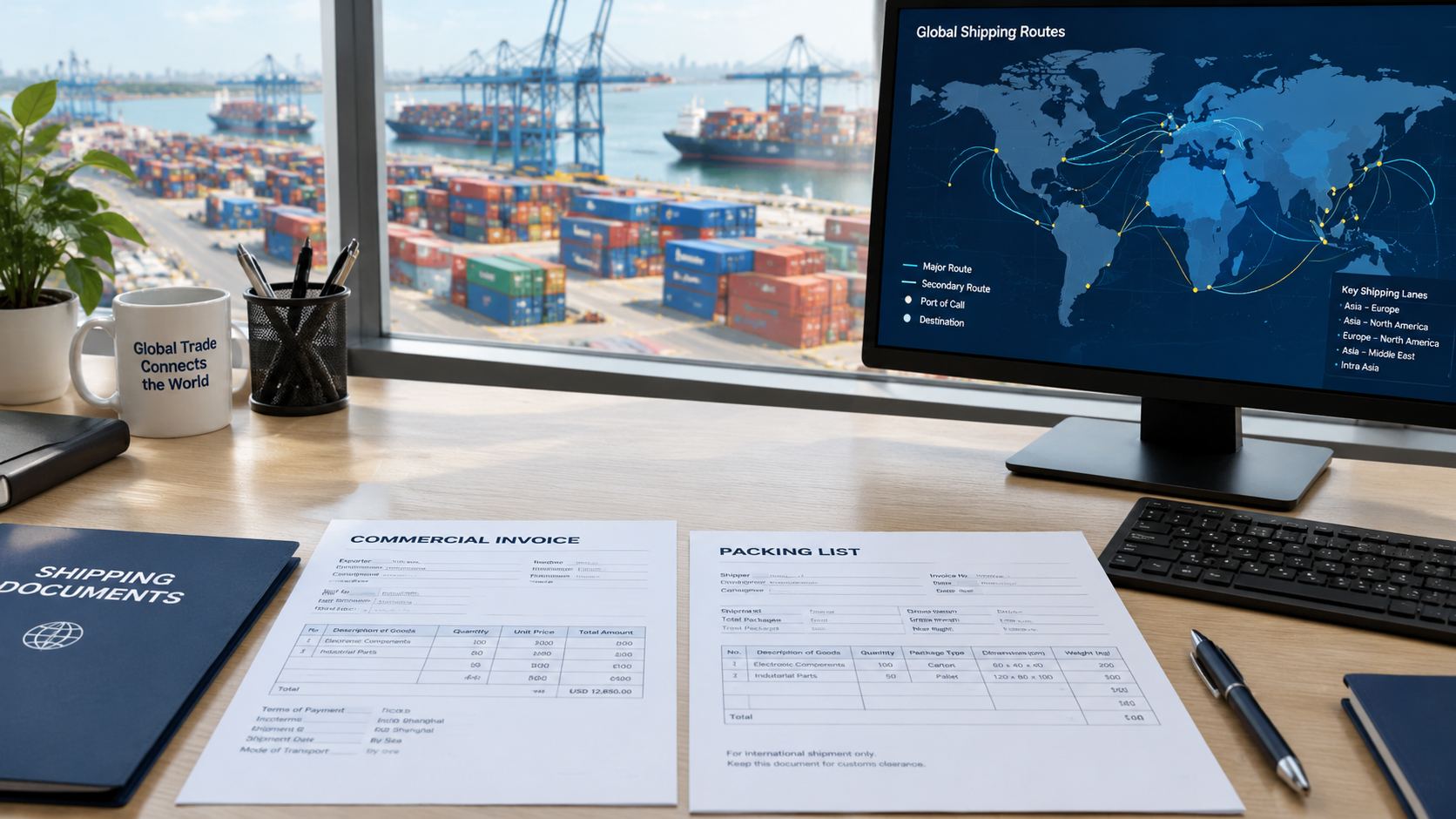
The attached booking information, issued transport record, commercial invoice, and packing list identify the shipment and the parties involved. The request concerns the proposed release arrangement for the consignee named in the transport record.
Please confirm the applicable LOI form and wording, the requirements for the issuing entity and authorized signatory, the supporting documents needed, and whether a bank countersignature or other security is required. Please also identify any outstanding conditions and explain how the decision concerning the requested arrangement will be communicated.
If document correction or another procedure is more appropriate, please advise us before we proceed with the proposed undertaking. We will not treat this inquiry or the submission of documents as authorization for cargo release.
Kind regards, Shipping Operations Team
This email is an illustrative request for a missing-original scenario, not a signed indemnity or a universal carrier form. Its factual statements should match the actual shipment before it is sent.
Follow a Controlled LOI Review Workflow
Use a single review sequence to keep the commercial request, transport records, proposed undertaking, and delivery instructions aligned. Each step should have a responsible party and an identifiable record. Completion of a step does not establish that the carrier or another authority will approve the requested action.
Define the requested action
Record the affected shipment, transport-document reference, original-document status, intended receiver, and proposed release or delivery arrangement. Distinguish a request for release without an original from a request to change delivery instructions or correct a record.
Reconcile the shipping documents
Compare the issued transport record with the commercial invoice, packing list, booking information, consignee details, and proposed delivery instructions. Ask the relevant data owner to resolve discrepancies and identify the authoritative document version.
Confirm the proposed issuer
Identify the legal entity expected to provide the undertaking and verify the signatory’s authority. Review the draft wording and any proposed security with the responsible decision-makers before anyone accepts a binding commitment.
Confirm the carrier’s LOI requirements
Send the carrier or authorized representative the shipment references, a clear explanation of the requested action, and the supporting records available. Ask for the applicable form, signing requirements, any bank countersignature or other security conditions, and the information needed before the carrier can consider the request. Record the response and keep unresolved conditions visible.
Coordinate the separate import review
Ask the importer and broker to review the applicable entry data, product information, and supporting records within their assigned scope. Keep questions about import preparation distinct from the carrier’s decision on the transport document.
Confirm the release decision and delivery handoff
Obtain the carrier’s communicated decision and identify any remaining conditions before arranging the next movement. Verify the intended receiver, approved delivery location, relevant instructions, and warehouse readiness. Reassess the request if the original document becomes available or a conflicting claim emerges.
For an ocean movement, align the workflow with the carrier and document issuer responsible for the sea leg. The selected sea freight service identifies the intended transport arrangement, but the service booking itself does not approve an exception to the transport-document instructions.
Assess Cost, Timing, and Delivery Exposure
Incomplete preparation can disrupt cargo delivery when the carrier must reconcile conflicting details, review new wording, verify signing authority, or obtain further instructions. These issues can affect storage arrangements, onward transport, warehouse planning, and the receiver’s ability to accept the cargo as intended.
Potential exposure includes storage, additional handling, document correction, rebooking, revised delivery coordination, or return routing. The actual consequences depend on the booking, facility arrangements, carrier procedures, and nature of the unresolved issue. Do not assume that drafting an LOI reserves capacity, removes existing document obligations, or establishes a release expectation.
Before accepting a change, ask the responsible carrier or forwarder to identify the operational constraints and applicable commercial terms. The authorized party should approve any additional cost under the relevant agreement. The receiver should review warehouse readiness, delivery appointments, handling arrangements, and contact details while the document request remains under review.
Cargo insurance requires separate attention. Gard’s Rule 34 cargo-liability guidance describes coverage limitations and exclusions under its own protection-and-indemnity rules for certain liabilities connected with delivery without production of a negotiable bill of lading. Gard also explains that accepting an LOI is a commercial decision and that the issuer’s ability or willingness to honor the undertaking matters. These points concern Gard’s rules and do not establish the terms of every policy or contract.
An LOI is not a cargo insurance policy and does not establish that an insurance claim will be covered. Review cargo insurance options separately against the actual policy wording, insured interests, covered risks, and relevant exclusions. The responsible insurance professional should assess any coverage questions instead of relying on the proposed undertaking to fill an assumed gap.
Maintain a clear coordination record showing which request was submitted, who is reviewing it, what conditions remain open, which party is responsible for the next action, and who may approve related costs. This makes the status of the shipment easier to distinguish from assumptions about approval or delivery.

Prevent Common LOI Preparation Failures
Check the following issues before signing an undertaking or changing delivery instructions. Each one can prevent the parties from assessing the same transaction on the same facts.
- Conflicting shipment details: The B/L number, cargo description, consignee, package information, or destination differs between records. Ask the relevant data owner to reconcile the details and identify the document version under review.
- Unclear signing authority: The proposed signer acts for the wrong entity or has not established authority to accept the undertaking. Verify the entity’s capacity and the signatory’s authorization before signature.
- Incorrect document route: A party requests an LOI to address an error that may need correction by the issuer. Ask whether correction, reissuance, or a different carrier procedure is appropriate.
- Incomplete import preparation: The parties focus on the transport record while product data or entry information remains unresolved. Keep the broker’s assigned tasks visible as a separate workstream.
- Unconfirmed carrier response: A forwarder, warehouse, or broker reports that a request has been sent, and another party mistakes that update for approval. Obtain the response from the party responsible for the relevant transport decision.
- Unaligned destination instructions: The intended receiver or delivery location conflicts with the transport record or booking instructions. Reconcile the proposed change with the responsible carrier and receiving party before coordinating onward movement.
Common mistake: Sending an indemnity letter to a forwarder and assuming that cargo release has been authorized. The forwarder may coordinate the request, but that coordination does not establish the carrier’s decision. Identify the authorized carrier contact and obtain its communicated response before arranging a release that depends on the requested exception.
Risk alert: If another party claims the cargo, a previously unavailable original bill of lading appears with conflicting instructions, or the proposed receiver differs from the named consignee, stop routine release coordination. Refer the conflict to the responsible carrier contact and obtain further instructions before proceeding.
When a material fact changes, update the shared shipment record and notify each party whose task depends on it. Retain the original request, revised documents, supporting evidence, and written responses together so the parties can identify which version and instructions they are acting on.
Disclosure: This page provides general logistics and customs-preparation information and may mention freight services available through this website. Actual requirements, authority decisions, duties, taxes, document obligations, service scope, and delivery conditions depend on the shipment, jurisdiction, commodity, transaction, and current rules. Confirm current requirements before booking or filing.
Make the Preparation Decision Before Signing
The practical default is to ask the carrier what procedure applies before preparing or signing an undertaking. The parties should know whether the issue concerns an unavailable original, an intended delivery change, or an error in the transport record. They should also establish who can sign, which documents the carrier wants to review, and how its response will be communicated.
Before contacting a broker, forwarder, carrier, or other provider, prepare the issued transport record, booking reference, relevant commercial documents, exact requested action, identities of the parties, proposed wording if available, and a concise explanation of any unresolved facts. Keep cost approval, import-entry work, insurance review, and physical delivery as separate decisions.
The correct next step can change if the original document becomes available, the intended receiver changes, the carrier identifies a document-correction process, or a competing cargo claim emerges. Reassess the request when those facts change rather than relying on an earlier draft or status message.
Illustrative example (not a customer case): An importer expects cargo to arrive while the original bill of lading remains unavailable. The exporter proposes an indemnity letter, but the carrier has not confirmed the applicable process. The parties assemble the shipment references and matching commercial records, verify the proposed receiver, and ask the authorized carrier contact to review the exact request. The importer separately coordinates entry preparation with its broker, while the warehouse checks the stated delivery instructions. The parties keep each outstanding decision assigned to the organization responsible for it.
Key Takeaways
- Identify the exact transport-document issue and requested action before preparing an LOI.
- Confirm the carrier’s requirements, the proposed issuer’s signing authority, and any additional security conditions before arranging signatures.
- Reconcile the transport record, commercial documents, consignee details, and delivery instructions.
- Obtain the relevant written decision before coordinating cargo release, while managing import preparation, insurance, cost approval, and physical delivery as separate workstreams.
FAQ
What is a letter of indemnity in shipping?
A letter of indemnity is a written undertaking that sets out specified indemnity obligations in connection with an agreed action. A carrier may be asked to consider one when cargo is requested without an original negotiable bill of lading or under different delivery instructions. Its effect depends on the wording, parties, transport arrangements, and applicable legal context.
When might a carrier request or consider a shipping LOI?
A carrier may consider an LOI when a party requests release without an original bill of lading or seeks delivery under instructions that differ from the transport record. Other circumstances may involve separate document or carrier procedures. An LOI is not automatically required or accepted in every case, so the requesting party should establish the actual issue and confirm the applicable process.
Can a letter of indemnity replace an original bill of lading?
No. An LOI does not automatically replace an original negotiable bill of lading or remove the obligations associated with it. A carrier may consider a shipment-specific request for an exception, but acceptance and applicable conditions depend on the circumstances. Confirm the process with the responsible carrier or document issuer before assuming the cargo can be released.
What should a shipping LOI include?
The carrier’s required wording and supporting records depend on the proposed arrangement. Preparation generally starts with shipment references, the relevant transport document, the parties’ legal names and capacities, and a precise description of the requested action. The proposed issuer should verify signing authority and confirm whether the carrier requires its own form, a bank countersignature, or additional security.
Who should sign a letter of indemnity?
The appropriate issuer depends on the transaction, requested action, proposed wording, and party expected to rely on the undertaking. The issuer must confirm its capacity and the signatory’s authority before signing. An exporter, importer, or forwarder should not assume that involvement in booking or delivery authorizes it to commit another company. Significant obligations may warrant qualified legal review.
Is a bank guarantee always required for an LOI?
No universal requirement applies to every shipping LOI. A carrier may require a bank countersignature or other security for a particular request, while another situation may follow a different procedure. Confirm the current requirements directly with the relevant carrier or authorized agent. Do not apply one carrier’s published conditions to another carrier or shipment without verification.
What should we do if the original bill of lading becomes available later?
Notify the carrier or authorized representative promptly and explain that the document status has changed. Ask how the new information affects the existing request and whether any further action is needed. Do not assume that a previously proposed undertaking remains appropriate or that an earlier communication determines the current release procedure. Keep the updated record with the shipment file.
Does an LOI guarantee release or provide cargo insurance?
No. An LOI does not guarantee carrier approval, resolve customs-entry questions, or function as a cargo insurance policy. The carrier must assess the requested arrangement, the importer and broker must address their separate responsibilities, and the insurance position depends on the applicable policy terms. Review each matter through the organization responsible for that decision.
Disclaimer: This page is general operational guidance, not legal, customs, tax, insurance, product-safety, regulatory, classification, or licensing advice. Requirements, authority decisions, responsibilities, charges, and deadlines depend on the controlling documents, product, jurisdiction, transaction, service terms, and current official guidance. Confirm current shipment requirements with the relevant authority, licensed broker, carrier, or qualified adviser.