

Tare weight is the weight of an empty container or other transport unit before cargo and separately loaded materials are added. In container shipping, it tells you how much the container itself weighs, not how much cargo it can carry or how much the loaded shipment weighs. The distinction matters when a shipper prepares weight records, checks container capacity, or verifies the total mass reported for an ocean shipment.
For a packed shipping container, the basic calculation is straightforward: add the tare weight to the mass of the cargo, packaging, dunnage, and securing materials loaded inside. However, the correct figure depends on the weight field requested by the carrier, transport provider, or commercial document. Before submitting shipment information, confirm the actual container’s tare weight, the unit of measurement, and whether the requested total includes the container itself.
How Tare Weight Differs From Other Container Weight Terms
Tare weight describes the empty equipment. Other weight terms describe the cargo, the maximum load the equipment can carry, or the complete loaded unit. These figures serve different purposes, so using one in place of another can create inaccurate shipment records or capacity checks.
| Term | What it includes | Operational use | What to check |
|---|---|---|---|
| Tare weight | The empty container itself | Separates equipment mass from loaded mass | Confirm the figure for the actual container |
| Net cargo weight | The cargo itself, subject to the document’s definition | Records cargo mass without specified packaging | Check whether packaging is excluded |
| Gross packed-container mass | The container, cargo, packaging, dunnage, and securing materials | Establishes the total mass of the loaded unit | Confirm that all loaded materials are accounted for |
| Payload | The permitted load capacity, rather than an actual measured load | Checks whether a proposed cargo load fits the equipment limit | Compare the planned load with the specific container’s rating |
| Verified gross mass (VGM) | The verified total mass of a packed container, including tare | Supports the applicable ocean-shipping weight verification and stowage process | Confirm the accepted method and submission responsibility |
The most important distinction is between an empty container and the complete packed unit. Tare weight is one component of the total, while payload is a capacity limit. Neither figure tells you the actual loaded gross mass on its own.
The term gross weight also requires context. A commercial document may use gross cargo weight for the cargo and its packaging without including the shipping container. A packed-container gross mass, by contrast, includes the container itself. Check the field definition before copying a number from one document to another.
How to Calculate the Total Weight of a Packed Container
For a container loaded for transport, calculate the packed-container mass by adding the empty container’s tare weight to the mass of everything loaded into it. The calculation works only when the figures cover separate, clearly defined components and use the same unit of measurement.
Basic formula: Packed-container gross mass = tare weight + cargo and other loaded materials.
For this calculation, the loaded materials include the cargo, packaging, pallets, dunnage, and securing materials that are not already included in the cargo figure. If a supplied cargo weight already includes pallets or packaging, do not add those items again. Double-counting increases the reported total even though the physical shipment has not changed.
Hypothetical illustration: An empty container weighs 3,800 kg, and its cargo plus all separately accounted-for packaging and securing materials weigh 18,500 kg. The packed-container gross mass is 22,300 kg. The 3,800 kg tare figure describes the equipment, while the 22,300 kg total describes the loaded unit.
This calculation establishes a mass total, not a capacity approval or a transport compliance decision. The shipper must still check the container’s payload rating and any applicable transport limits. Road weight restrictions, axle loads, and other route-specific constraints may require additional checks beyond the container’s own rating.
For ocean freight, verified gross mass is a distinct operational requirement from simply calculating a total on a spreadsheet. The accepted verification method, documentation, and submission handoff depend on the applicable shipping process. During sea freight arrangements, confirm the container-specific tare figure and the carrier’s current instructions for reporting the packed unit’s verified mass.
When Tare Weight Matters in Freight Operations
Tare weight becomes important whenever a shipment record must distinguish the transport equipment from its contents. The exact consequence depends on the task, but several routine situations make the distinction particularly useful.
Checking container loading capacity
A shipper can use tare weight alongside the container’s maximum gross rating to determine the theoretical payload available. The calculation does not replace a check of the actual equipment limits or any restrictions that apply to the intended transport route. Cargo dimensions, weight distribution, and handling requirements can also affect whether a load is operationally suitable.
Preparing shipping and cargo records
Commercial invoices, packing lists, loading records, and transport instructions may request different weight figures. A shipper should identify what each field includes before transferring a value. If the document asks for cargo weight, entering the container’s tare weight would describe the wrong component. If it asks for the total packed-container mass, excluding tare would understate the complete unit’s weight.
Where an export or import document distinguishes net weight from gross weight, the importer, exporter, or responsible documentation party should confirm the applicable field definitions. A customs broker can help clarify the required data and document handoff; customs brokerage support may be relevant when shipment records require coordinated review.
Verifying container weight information
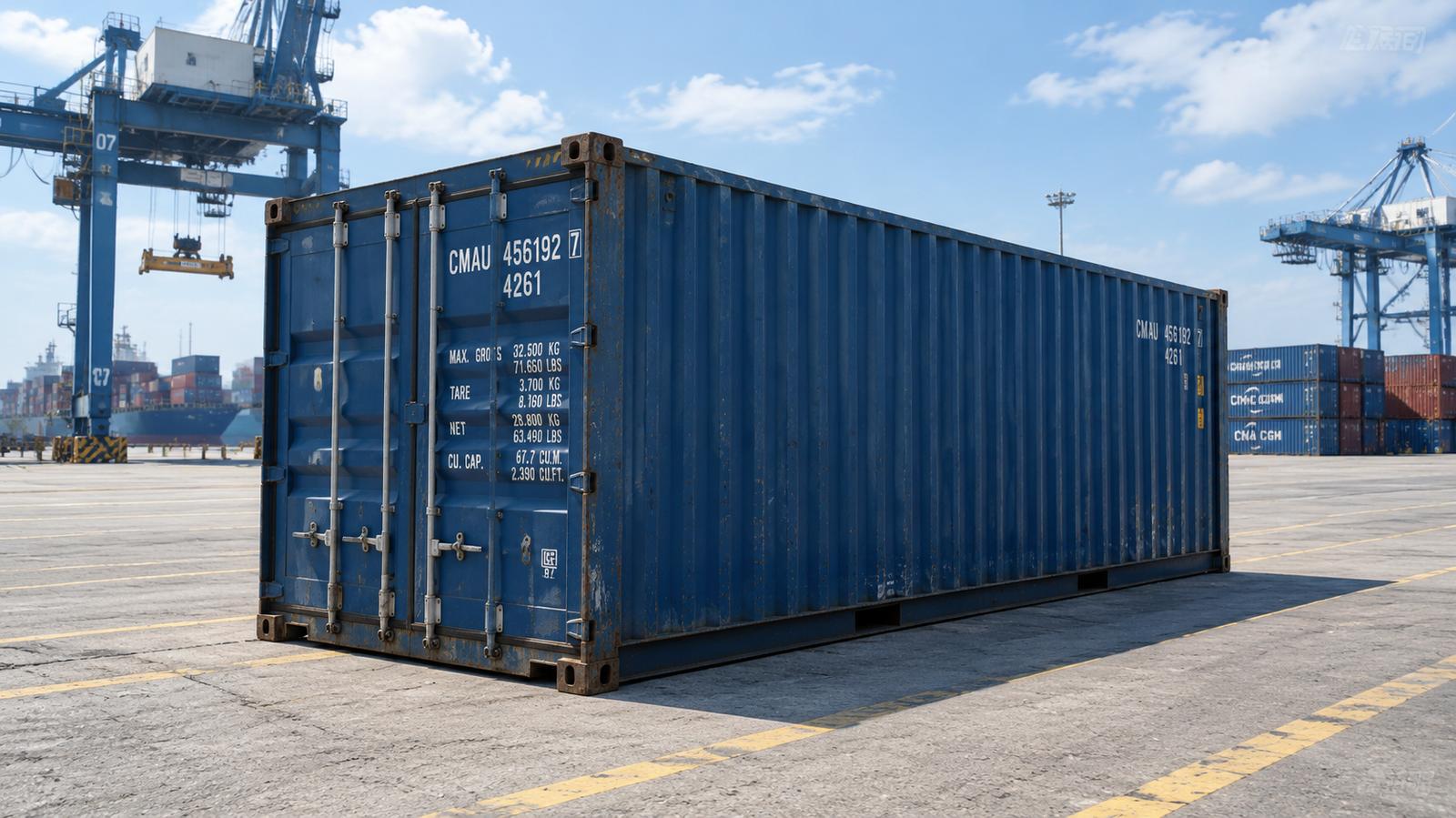
The tare figure should correspond to the actual equipment used. Containers of the same general size may have different tare weights because of their design, construction, or equipment configuration. A generic figure from an earlier shipment is therefore not a reliable substitute for checking the current unit.
The equipment marking or the equipment provider’s verified record is the practical starting point. If the marking is unreadable, appears inconsistent with the available record, or conflicts with the booking information, ask the carrier or equipment provider to resolve the discrepancy before finalizing the shipment data.
What to Verify Before Recording Container Weight
A reliable weight record starts with the actual equipment and a clearly defined measurement scope. The person preparing the shipment information should check the following items before sending the figures to a carrier or transferring them to shipping documents.
| Check | Responsible party | Action |
|---|---|---|
| Container identity | Shipper or loading team | Match the tare figure to the actual unit |
| Measurement unit | Person preparing the record | Confirm kilograms or pounds and convert consistently when needed |
| Loaded contents | Shipper or loader | Account for cargo, packaging, pallets, dunnage, and securing materials |
| Weight field definition | Documentation or booking team | Confirm whether the requested figure includes the container |
| Verification and handoff | Party responsible under the shipping process | Check the accepted method, supporting record, and submission deadline |
Responsibility can vary by contract, carrier procedure, and shipment arrangement. The party that calculates a figure may not be the party that submits the final verified weight. Confirm that handoff when arranging the shipment rather than assuming the booking party, loader, and documentation team share the same responsibility.
When documents contain conflicting weight figures, resolve the source of the difference before submitting or reusing them. Check whether one value includes pallets or packaging, whether one excludes the container, and whether both records refer to the same equipment and unit of measurement.
Common Tare Weight Mistakes and Operator Checks
The most frequent errors arise when teams reuse a familiar number without checking what it represents. Two controls help prevent avoidable discrepancies.
First, distinguish the empty equipment from the load. A tare figure is not the cargo weight, the maximum payload, or the total mass of a packed container. Before entering it into a form, verify the label and confirm that the destination field asks for tare weight.
Second, check what the total includes. A cargo record may already include packaging, while another record may list packaging separately. Confirm the underlying figures before adding components together. Also verify the actual container’s marking or equipment record instead of relying on a standard estimate for all containers of the same size.
Common mistake: A loading team adds cargo weight to a container’s tare figure, then adds the pallet weight again even though the cargo figure already includes those pallets. The reported total becomes overstated. Prevent this error by recording the scope of each weight value and adding only components that have not already been counted.

If the container marking and equipment record disagree, do not choose whichever number seems more plausible. Ask the responsible equipment provider or carrier to confirm the correct value and follow the applicable verification process before the shipment record is finalized.
Disclosure: This guide provides general logistics information and may refer to services relevant to the topic. Carrier terms, customs requirements, fees, service coverage, and operating conditions can change. Confirm current requirements and responsibilities before acting.
Key Takeaways
- Tare weight is the mass of the empty container or transport unit, excluding its separately loaded contents.
- Packed-container gross mass includes the tare weight and the materials loaded into the container.
- Payload is a capacity limit, not a measurement of the actual cargo or loaded container.
- Net and gross weight fields can have different scopes across documents, so check each field’s definition.
- Use the tare figure for the actual equipment and verify the unit of measurement before calculating or transferring weight data.
- Confirm the responsible party, accepted verification method, and documentation handoff for the applicable shipping process.
Frequently Asked Questions About Tare Weight
What is tare weight in shipping?
Tare weight is the weight of an empty shipping container or transport unit before cargo and separately loaded materials are added. It identifies the equipment’s own mass and helps distinguish that mass from the loaded shipment total.
How is tare weight different from gross weight?
Tare weight covers the empty equipment, while the gross mass of a packed container includes the equipment, cargo, and other loaded materials. Check the document’s definition of gross weight because cargo records may exclude the shipping container itself.
Is tare weight the same as net weight?
No. Tare weight refers to the empty container or other equipment. Net weight generally refers to the product or cargo without specified packaging, although the exact scope depends on the document and commodity definition.
How do I find a container’s tare weight?
Start with the weight marking on the actual container or the equipment provider’s verified record. If the marking is unreadable or conflicts with the available information, ask the carrier or equipment provider to confirm the correct figure.
Does tare weight include pallets and packaging?
No. Tare weight describes the empty equipment. Pallets, packaging, dunnage, and securing materials loaded into the container must be accounted for separately when calculating the total packed-container mass.
What is the difference between tare weight and payload?
Tare weight is an equipment weight measurement. Payload is the permitted load capacity for the equipment. The available payload depends on the container’s specified limits, and the actual transport plan may require additional checks for route and vehicle restrictions.
Is tare weight included in verified gross mass?
Yes. Verified gross mass for a packed container includes the container’s tare weight, its cargo, and the other materials loaded into it. The responsible party should confirm the accepted weighing or calculation method and submission process for the shipment.
Can I use the same tare weight for every container of the same size?
Not without verification. Tare weight can vary among containers of the same general size because of equipment design and configuration. Use the marking or verified record for the actual container rather than relying on a generic figure.
Disclaimer: This article is general informational guidance, not a binding quotation, legal opinion, customs ruling, carrier commitment, or delivery guarantee. Requirements, charges, service terms, and responsibilities can vary by route, cargo, contract, carrier, and jurisdiction. Confirm current requirements before booking or filing.