Container sizes shipping teams most often compare are the 20ft container, 40ft container, and 40ft high cube. The right choice depends on more than cubic capacity: cargo weight, carton dimensions, loading method, pallet footprint, and the available door opening can all change the practical fit. A container that looks large enough on paper may still waste space or create a loading problem.
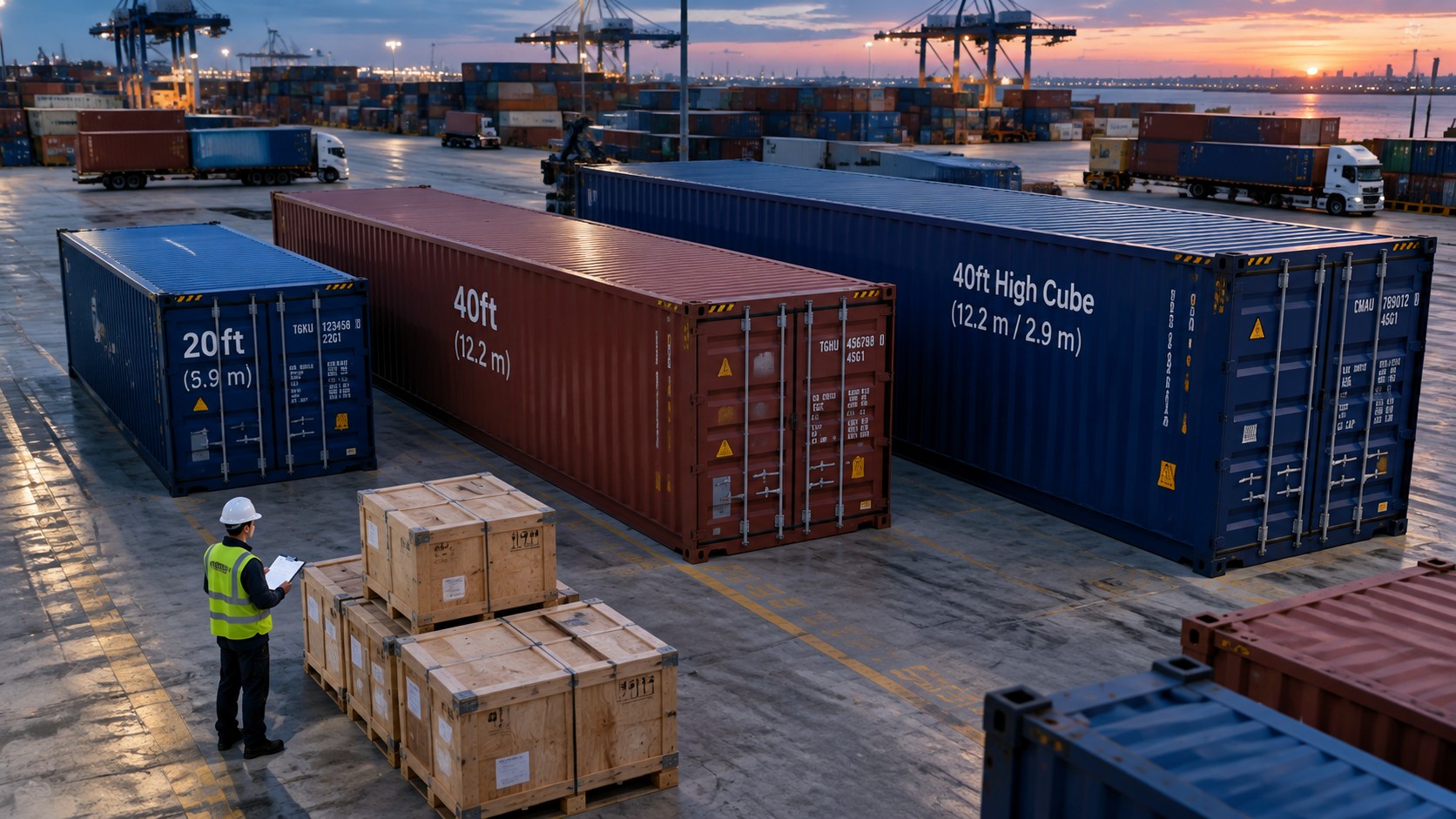
For most standard cargo, start with the cargo list rather than the container name. Measure the packed dimensions, total weight, number of handling units, and loading orientation, then compare those figures with the selected equipment’s usable interior and payload limits. Treat published dimensions as reference values because actual internal dimensions, door openings, tare weight, and payload can vary by container type, manufacturer, and equipment specification.
How Container Size Controls the Shipment
A shipping container controls the physical envelope available for loading, but three different measurements matter in practice: volume, floor space, and weight capacity. Volume indicates whether the cargo can physically fit. Floor space determines how efficiently cartons, pallets, skids, or machinery can be arranged. Weight capacity determines whether the loaded container remains within the equipment’s permitted gross and payload limits.
The distinction matters because cargo rarely fills a container perfectly. A shipment may become weight-limited before it becomes volume-limited, especially with dense machinery, metal products, stone, liquids, or other heavy cargo. A lightweight shipment can create the opposite problem: the cargo may occupy most of the available cubic space without approaching the container’s payload limit.
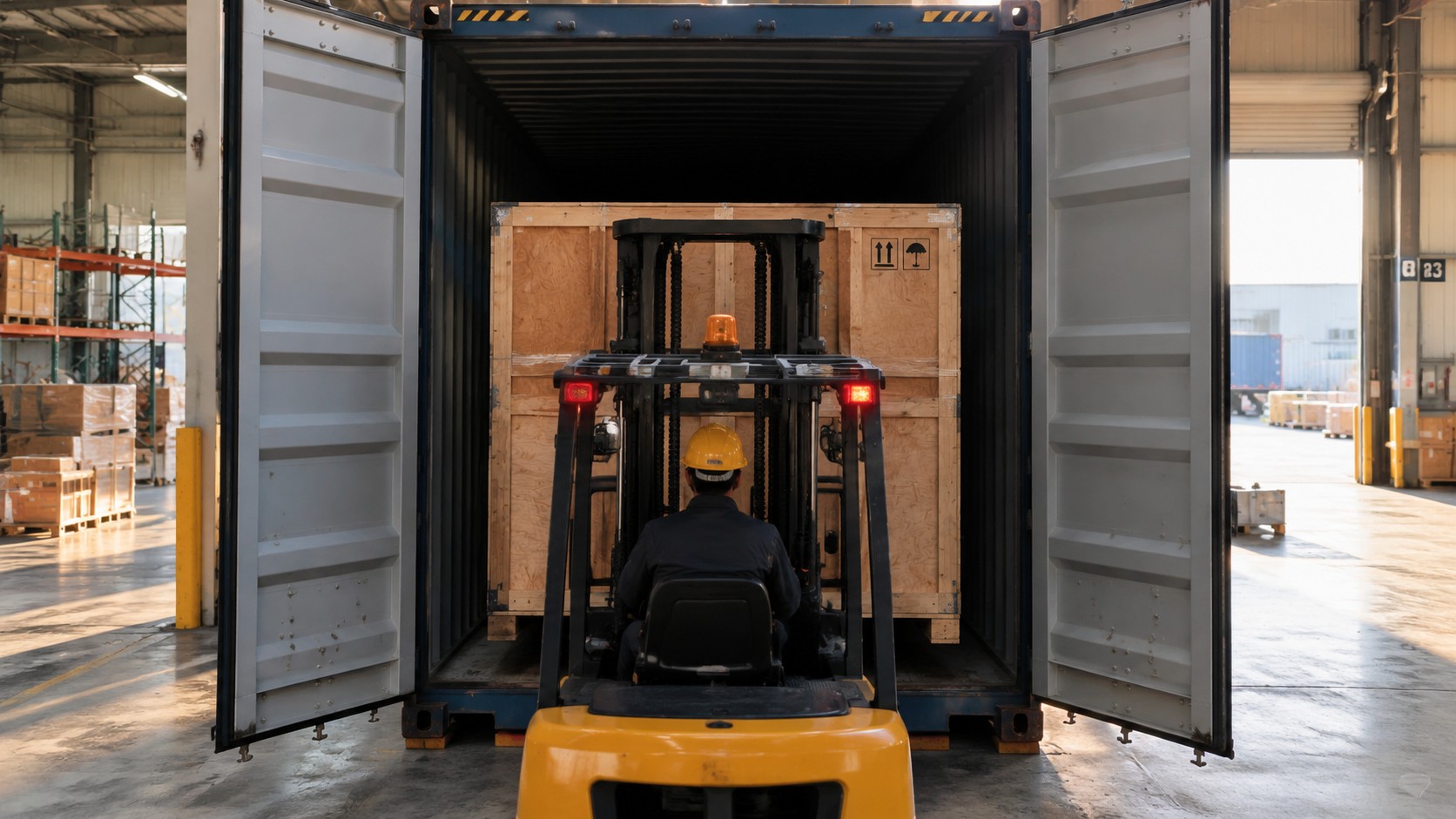
The container’s door opening also deserves attention. A package may fit inside the container’s internal width or height but still fail to pass through the doors. Long or tall pieces may therefore require a loading plan before the booking is confirmed. Standard enclosed equipment is usually most straightforward when the cargo is palletized or cartonized and can be loaded through the rear doors without abnormal handling.
Common Types of Containers and Reference Dimensions
The table below provides common reference dimensions for standard dry containers. The figures are approximate rather than a specification for a particular unit. Always confirm the equipment details offered for the shipment before relying on a dimension for a tight-fit load.
| Container type | Approx. external size | Approx. internal size | Typical fit | Main check |
|---|---|---|---|---|
| 20ft standard | 6.06 × 2.44 × 2.59 m | 5.90 × 2.35 × 2.39 m | Dense, heavier cargo | Payload and floor layout |
| 40ft standard | 12.19 × 2.44 × 2.59 m | 12.03 × 2.35 × 2.39 m | Higher-volume general cargo | Usable volume and loading pattern |
| 40ft high cube | 12.19 × 2.44 × 2.90 m | 12.03 × 2.35 × 2.69 m | Bulky, lightweight cargo | Height and door clearance |
| 45ft high cube | About 13.72 × 2.44 × 2.90 m | About 13.55 × 2.35 × 2.69 m | Long, high-volume loads | Equipment availability and route acceptance |
These dimensions explain why the 40ft high cube is often considered when the shipment is primarily volume-driven. The extra height can improve cube utilization, but it does not automatically make the equipment suitable for every route or cargo. Equipment availability, terminal handling, road restrictions, and the receiving facility can affect whether a particular container type is workable.
Most ordinary containerized international cargo moves through sea freight, while some inland legs can involve rail or other modes. The container choice should therefore be checked against the complete movement rather than against the ocean leg alone.
How to Choose the Right Container Size
Use a simple measurement sequence before selecting equipment. The goal is not to maximize nominal container volume; it is to confirm that the actual cargo can be loaded, secured, transported, and unloaded without creating a preventable mismatch.
Measure the packed cargo
Use final packed dimensions rather than product dimensions. Record length, width, height, piece count, and total gross weight for each handling unit.
Identify the loading pattern
Determine whether the cargo will be floor-loaded, palletized, crated, skidded, or otherwise consolidated. This affects usable floor space and can create gaps that a simple volume calculation misses.
Check the physical constraints
Compare cargo dimensions with internal length, width, height, door opening, and any packaging or securing requirements. Pay particular attention to tall, long, or unusually shaped pieces.
Check weight and equipment limits
Compare the shipment’s gross weight with the selected container’s permitted payload and the applicable transport limits. The controlling limit may come from the equipment, carrier, terminal, road leg, or other part of the move.
Confirm the booking equipment
Give the measured cargo profile to the logistics provider and confirm the exact equipment type before loading. Tight-fit cargo should be checked against an actual equipment specification rather than a generic container chart.
For shipments involving multiple transport modes, the equipment and transfer points should be reviewed together. A multi-modal freight plan can introduce additional handling or physical constraints, so a container that fits one leg still needs to remain workable across the full movement.
When Each Standard Size Usually Fits
A 20ft container often suits shipments where weight is more important than volume. It can be practical for dense cargo, compact machinery, or loads that would leave substantial unused floor space in a longer container. The decision still depends on the cargo’s loading geometry and the permitted payload for the actual equipment.
A 40ft standard container is generally considered when the shipment is volume-driven and the cargo benefits from additional length. It can reduce the need to split a larger general-cargo shipment across multiple smaller units, provided the loading plan makes efficient use of the floor.
A 40ft high cube becomes more relevant when cargo has substantial vertical volume. The increased internal height can help with tall cartons, certain pallet configurations, and lightweight bulky products. It is not a substitute for checking the door opening or the actual height of the cargo after packaging.
Specialized project cargo can fall outside the practical limits of standard enclosed equipment. Oversized machinery, abnormal dimensions, unusual center-of-gravity conditions, or cargo that cannot be loaded through standard doors may require a different equipment and handling plan. In those cases, project cargo shipping may be relevant, with the final equipment selected after dimensions, lifting points, securing needs, and route constraints are reviewed.
When a Standard Container Is Not the Best Fit
Container selection is only useful when the shipment itself is suited to containerized transport. A small, urgent shipment may be better matched to another transport method when the cargo volume is too low to justify container planning and the priority is speed. Air freight can serve a different operational purpose because it is not constrained by standard ocean-container dimensions in the same way.
Some small or time-sensitive shipments may also move through express shipping, especially when the shipment is handled as parcels or other small consignments rather than as a full container load. The selection should be based on cargo size, weight, urgency, handling requirements, and the service structure offered for the shipment.
The practical comparison should therefore be between shipment scenarios, not container names alone. Ask what the cargo requires, what physical equipment can accept it, and which transport chain can complete the movement with the fewest avoidable constraints.
Operational Checks Before You Book
Container size information becomes useful only when the booking data is specific enough for another party to verify. At minimum, prepare the packed dimensions, gross weight, piece count, packaging type, loading method, pickup location, destination, and any known restrictions at the loading or receiving site.
The logistics provider should confirm the equipment type, available payload, loading arrangement, and any route-specific constraints that could affect the move. The shipper should verify that the final cargo configuration will match what was quoted or booked. When customs documentation and cargo classification are part of the shipment, the responsible parties should also confirm that the declared cargo information matches the physical goods. A customs brokerage service can be relevant when the customs filing and clearance responsibilities require specialist coordination.
Final delivery matters as well. A container that can be transported internationally may still create a problem at the receiving site because of access, unloading space, equipment availability, or local delivery constraints. A door to door arrangement can make those handoffs part of the same planning discussion rather than treating ocean transport as the only decision.
Cargo value can also affect the risk discussion. Where the shipment requires insurance beyond the underlying transport terms, review the scope of cargo insurance separately instead of assuming that container selection determines the available protection.
Common Mistakes and Operator Checks
The most common sizing mistake is treating cubic meters as the only decision variable. Volume can look sufficient while the cargo’s footprint, package orientation, door clearance, or weight creates the real constraint.
Common mistake: Selecting a 40ft or 40ft high cube from a volume estimate without a loading plan. The prevention check is to map the actual packages or pallets into the available floor area and confirm the largest piece against the door opening and internal height.
A second mistake is using a generic online dimension chart as though it were the exact specification of the booked equipment. Reference measurements are useful for planning, but they should not replace confirmation when a shipment is close to a physical limit.
Operator check: Send the final packed dimensions and weight together with the requested container type. Ask the responsible logistics party to confirm the equipment specification, payload limit, loading feasibility, and any route or delivery constraint before the cargo is dispatched.
Disclosure: This guide provides general logistics information and may refer to services relevant to the topic. Carrier terms, customs requirements, fees, service coverage, and operating conditions can change. Confirm current requirements and responsibilities before acting.
Key Takeaways
Start with the cargo. Use final packed dimensions, weight, piece count, and loading method before choosing a container.
Separate volume from weight. A shipment can be limited by cubic space, floor layout, payload, or a combination of them.
Check the doors. Internal dimensions alone do not prove that a large package can enter the container.
Treat dimensions as references. Confirm the actual equipment specification when cargo has a tight physical fit.
Review the whole route. Equipment must remain workable across pickup, transport, transfer, customs, and final delivery.
Container Sizes Shipping FAQ
How big is a shipping container?
Common standard dry containers are about 20ft or 40ft long and about 8ft wide. A 40ft high cube keeps the same approximate length and width but adds height. Exact internal dimensions vary by equipment specification.
How big are shipping containers inside?
A typical 20ft dry container has roughly 5.9m of internal length, while a typical 40ft or 40ft high cube has roughly 12.0m. Internal width and height also vary slightly, so use the actual equipment specification for tight-fit cargo.
What are the main types of containers?
For general cargo, the most familiar options are 20ft standard, 40ft standard, and 40ft high cube dry containers. Other equipment exists for cargo that needs different dimensions, loading access, or handling conditions.
Is a 40ft high cube bigger than a 40ft container?
A 40ft high cube is generally the same approximate length and width as a 40ft standard container but has greater internal height. That extra height can help with bulky lightweight cargo, subject to door clearance and equipment availability.
What should I measure before choosing a container?
Measure the final packed length, width, height, gross weight, piece count, and loading configuration. Also identify whether the cargo is palletized, crated, or floor-loaded and whether any piece must enter through the standard rear doors.
Does more container space always mean a better choice?
No. A larger container may be inefficient when the cargo is dense, may leave excess unused space, or may introduce equipment availability or delivery constraints. The selection should match the cargo’s controlling physical or weight limit.
Can one cargo item determine the container size?
Yes. One oversized or unusually shaped piece can become the controlling constraint even when the total shipment volume is modest. Check that piece against the door opening, internal dimensions, loading method, and securing requirements.
Are 40ft container dimensions the same for every unit?
No. Published dimensions are useful planning references, but actual dimensions, door openings, tare weights, and payload ratings can vary by container specification. Confirm the booked equipment when dimensional clearance or weight is close to the limit.
Disclaimer: This article is general informational guidance, not a binding quotation, legal opinion, customs ruling, carrier commitment, or delivery guarantee. Requirements, charges, service terms, and responsibilities can vary by route, cargo, contract, carrier, and jurisdiction. Confirm current requirements before booking or filing.