
FOB vs. EXW: The Right Choice Depends on Your Origin Responsibilities
Choose FOB when your supplier can arrange export clearance, move the cargo to the named port, and load it aboard the designated vessel, while you want to arrange the main ocean carriage. Choose EXW when your supplier only needs to make the goods available at an agreed location and you can manage collection, loading arrangements, export clearance, and the onward shipment.
The main trade-off is operational control. FOB gives the seller a larger role in origin handling, while EXW places more coordination and responsibility on the buyer from the agreed pickup point. Neither arrangement automatically produces a lower total shipment cost. The result depends on the supplier’s capabilities, local export procedures, pickup requirements, carrier arrangements, and the services included in each quote.
The actual cargo handoff is the deciding detail. FOB is intended for sea and inland waterway transport, with delivery occurring when the goods are aboard the vessel. If a container moves through a terminal before vessel loading, check whether the agreed delivery point accurately reflects the physical handoff. For EXW, confirm that you can manage export clearance as well as collection. Your final choice should match the written responsibilities to the actual shipment process.
Establish a Fair Comparison Before Reviewing Quotes
Compare the same cargo, origin, destination, and delivery scope before deciding between the two arrangements. A seller’s EXW offer and FOB offer may cover different parts of the shipment, so their headline prices do not necessarily represent equivalent services.
| Comparison input | What to establish | Why it matters |
|---|---|---|
| Cargo and packing | Commodity, packaging, dimensions, gross weight, and handling needs | These details determine collection, handling, loading, and freight requirements. |
| Origin location | Exact pickup address and named port of shipment | The gap between the seller’s premises and the port creates separate handling and transport requirements. |
| Delivery point | Agreed handoff location and final destination | The trade term does not establish every downstream service or final-delivery commitment. |
| Clearance and documents | Export filing responsibility, available documents, and importer arrangements | Unclear clearance ownership can delay pickup, export release, or destination delivery. |
| Quote scope | Origin handling, main carriage, destination handling, insurance, and inland delivery | Different inclusions can make otherwise comparable offers misleading. |
Also align the required shipment-ready date, vessel arrangements, destination handling requirements, and the expected delivery boundary. Ask both parties to identify exclusions explicitly. This creates a usable comparison of responsibilities and services rather than a comparison of labels alone.
When FOB or EXW Fits Your Shipping Plan
FOB: When the Supplier Can Manage Origin Delivery
Buyer fit: FOB suits a buyer importing goods by sea or inland waterway when the supplier can manage export clearance and deliver the goods aboard the vessel at the named port. The buyer generally arranges the main carriage and manages the shipment after the agreed onboard delivery point.
Operational flow: The supplier handles the agreed origin responsibilities, including transport to the port, export formalities, and loading aboard the vessel. The buyer arranges the main ocean carriage and coordinates destination-side services under the agreed scope.
Weak fit: FOB requires careful review when the seller cannot control port delivery or vessel loading, or when the actual handoff occurs at a container terminal before the cargo reaches the vessel. The named delivery point and the physical shipment process must match.
Selection trigger: Favor FOB when the supplier has reliable origin capabilities and the buyer wants to organize the main ocean transport without taking over every collection and export task.
For the main ocean leg, review the available sea freight service options alongside the agreed port, booking responsibility, and destination scope. The transport service and the named trade term answer different questions, so confirm both.
EXW: When the Buyer Wants to Control Collection and Export Coordination
Buyer fit: EXW can suit a buyer who has a capable local logistics partner and wants to coordinate the shipment from the supplier’s named premises or another agreed location. It places the handoff early in the logistics process.
Operational flow: The seller makes the goods available at the agreed location. The buyer organizes collection, arranges any required vehicle loading with the relevant party, handles export clearance, and coordinates the onward movement.
Weak fit: EXW becomes difficult when the buyer cannot arrange export formalities in the origin country, the supplier controls access to the cargo, or loading and pickup responsibilities remain unclear. A low goods-only quote can also conceal substantial work that the buyer must arrange separately.
Selection trigger: Consider EXW when you have a workable origin pickup plan, the ability to manage export requirements, and a clear allocation of responsibility for loading and collection.
For an EXW shipment, the origin pickup leg should have a defined scope covering access, loading coordination, collection timing, and delivery to the next handoff point. Review the available trucking freight services when arranging this leg.
If the goods are non-containerized general cargo or bulk cargo, clarify the physical loading method and terminal handling requirements before selecting the arrangement. A suitable break-bulk freight solution may help define those operational requirements without changing the responsibilities agreed between buyer and seller.
Core Decision Matrix: EXW vs. FOB
The comparison below separates the key differences that affect shipment planning. Use it to identify which party must perform each task, then confirm the detailed allocation in the sales agreement and freight quotation.
| Decision dimension | FOB | EXW | Buyer verification |
|---|---|---|---|
| Delivery point | Goods are delivered aboard the designated vessel at the named port. | Goods are made available at the agreed place, without a general loading obligation for the seller. | Confirm the precise address or port and the actual physical handoff. |
| Origin transport | Seller arranges transport to the named port under the agreed arrangement. | Buyer organizes collection from the named place. | Identify the pickup provider, loading party, and port-delivery scope. |
| Export clearance | Seller handles applicable export clearance. | Buyer is responsible for applicable export clearance. | Confirm who can complete filings and provide the required documents. |
| Main carriage | Buyer generally arranges the vessel transport from the named port. | Buyer arranges onward transport from the agreed origin handoff. | Check booking ownership, carrier instructions, and the included freight scope. |
| Risk transfer | Risk transfers when the goods are aboard the vessel. | Risk transfers when the goods are made available at the agreed delivery place. | Check that physical handoff, loading, and risk allocation are consistent. |
FOB gives the supplier responsibility for a defined origin-to-vessel handoff. EXW gives the buyer responsibility from an earlier point. Neither choice eliminates the need to plan destination handling, import clearance, insurance, or final delivery separately.
Field note: Do not treat the delivery point, the party paying a charge, and the party bearing risk as interchangeable concepts. They can affect the same shipment differently. Record each responsibility clearly and confirm that the freight quotation supports the intended operating plan.

Compare the FOB Price With the Full EXW Shipment Cost
An FOB price normally covers the seller’s agreed responsibilities through delivery aboard the vessel. An EXW price covers a more limited delivery obligation at the named place. However, neither headline figure alone establishes the buyer’s complete shipment cost.
For an EXW shipment, the buyer needs to identify the costs and services associated with collection, vehicle loading, origin transport, export clearance, port handling, and onward freight. The actual scope depends on the arrangements made with the seller, forwarder, and other providers.
For an FOB shipment, verify the main carriage quotation separately from the seller’s offer. Check what the ocean freight quote includes, how origin and destination handling are treated, and whether the destination plan covers cargo release, import clearance, and delivery beyond the port.
A fair comparison uses identical cargo details, routing, service level, delivery destination, and assumptions about packaging and handling. The buyer should also distinguish the seller’s goods price from the freight forwarder’s transport charges. A commercial offer may bundle services differently from another offer even when both use the same named trade term.
Request a written breakdown that identifies included services, excluded services, chargeable cargo details, handling requirements, and the party responsible for each handoff. Confirm whether the quotation includes customs brokerage, cargo insurance, and destination or final-mile services. Do not treat an item as included merely because it appears in a general shipment description.
Insurance should be considered independently of the freight price. Neither EXW nor FOB automatically requires the seller to purchase cargo insurance. Review the available cargo insurance options against the shipment’s risk exposure, agreed risk-transfer point, coverage conditions, and exclusions.
Note: Freight rates and total shipment charges change with cargo details, route, service scope, carrier conditions, timing, destination handling, and applicable responsibilities. Compare current quotes only after their scope has been aligned.
Plan the Handoffs That Control the Delivery Cycle
Neither FOB nor EXW establishes a guaranteed transit time. The selected arrangement changes who coordinates origin activities, but the actual delivery cycle also depends on the route, carrier schedule, cargo readiness, customs processing, destination release, and inland delivery requirements.
For FOB, the supplier must coordinate the agreed origin tasks so the goods can be delivered aboard the designated vessel. The buyer should confirm vessel availability, booking arrangements, cargo readiness, export documentation, port receiving requirements, and applicable cargo cutoffs.
For EXW, the buyer also needs to schedule collection from the named place and coordinate the handoff to the origin transport provider. Loading access, warehouse operating arrangements, cargo preparation, export clearance, and movement to the port can affect when the shipment becomes ready for the main carriage.
Build the delivery plan around these timing checkpoints:
- Cargo readiness: Confirm when the seller can release packed, documented cargo for collection or port delivery.
- Origin handoff: Agree on pickup access, loading arrangements, export filing, and the relevant port receiving deadline.
- Main transport: Verify the actual booking, planned departure, routing, scheduled arrival, and any transshipment arrangements.
- Destination release: Check import documentation, customs processing, carrier release, and destination handling.
- Final delivery: Confirm inland transport availability, delivery appointment requirements, unloading arrangements, and the receiving location.
Ask the forwarder to distinguish the main transport schedule from the full delivery cycle. A vessel schedule does not include every origin and destination activity, and an estimated arrival does not establish when cargo will be cleared and available for delivery. Compare schedules only after the route and service scope are aligned.
Separate Trade Responsibilities From Freight Services
The named trade term allocates specified delivery, cost, and risk responsibilities between the seller and buyer. It does not automatically define the complete service package sold by a freight forwarder. Keep the two arrangements separate when preparing the booking.
| Work item | EXW baseline | FOB baseline | Confirmation needed |
|---|---|---|---|
| Loading at origin | Seller has no general obligation to load the collecting vehicle. | Seller delivers the goods aboard the designated vessel. | Identify the loading location, responsible party, and handling method. |
| Export formalities | Buyer handles applicable export clearance. | Seller handles applicable export clearance. | Confirm filing responsibility, document availability, and local operating capability. |
| Main carriage | Buyer organizes onward transport from the named place. | Buyer generally arranges the main carriage from the named port. | Confirm booking control, routing, and carrier instructions. |
| Cargo insurance | No automatic seller insurance obligation. | No automatic seller insurance obligation. | Arrange suitable coverage separately when required. |
| Import clearance | Buyer handles applicable import clearance. | Buyer handles applicable import clearance. | Identify the importer and the party arranging filings and related services. |
| Final delivery | Not automatically included. | Not automatically included. | Confirm destination transport, unloading, appointment, and delivery scope. |
For authoritative wording on the seller’s and buyer’s EXW responsibilities, consult the ICC guidance on EXW delivery and clearance. The ICC rules for sea and inland waterway transport explain the delivery boundary relevant to FOB.
Buyers using EXW should establish who can prepare and submit the required export documentation before collection is booked. Where external assistance is needed, assess the scope of customs brokerage services and confirm who remains responsible for providing accurate shipment information and completing the applicable formalities.
Import handling also needs a separate plan. Confirm who coordinates import documentation, cargo release, and onward transport rather than assuming the named trade term includes these services. The available import service scope can be assessed against the actual destination requirements.
When the buyer needs coordinated transport beyond the port, define the required delivery boundary separately. A door-to-door freight service may cover a broader operational scope, subject to its written inclusions and exclusions. The service description should identify which party manages each handoff, including customs clearance and final delivery where applicable.
Selection Rules and Quote Preparation
Use the operating conditions below to narrow the choice before requesting comparable quotations.
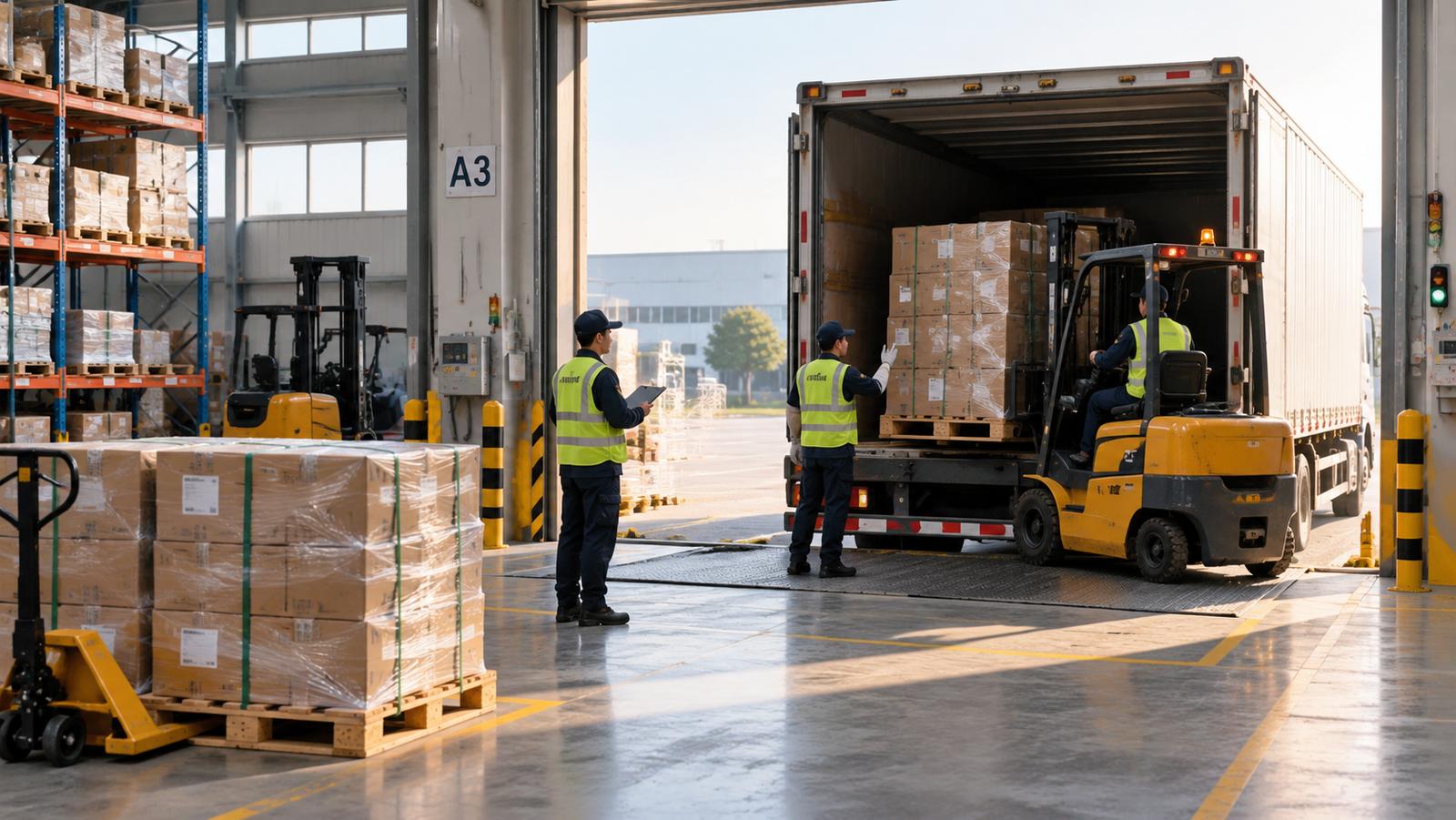
- Lean toward FOB when the shipment moves by sea, the supplier can manage export clearance and origin delivery, and the buyer wants to arrange the main carriage.
- Consider EXW when the supplier offers delivery at its premises or another agreed place and the buyer has a workable collection and export-clearance plan.
- Reconsider the EXW plan when the buyer cannot manage export formalities or has no reliable party to coordinate pickup, loading, and origin transport.
- Recheck the FOB handoff when the actual cargo transfer occurs at a terminal before vessel loading. Confirm that the named delivery point matches the physical process and the agreed responsibility allocation.
- Change the comparison inputs when the destination, cargo details, delivery deadline, clearance provider, or final-delivery requirement changes. Request revised quotes with the same scope rather than comparing them against the original assumptions.
Prepare the quote request with the cargo description, packing details, dimensions, gross weight, pickup address, loading port, destination port, final delivery address, cargo-ready status, and required delivery schedule. Include the relevant commercial documents and any known handling restrictions. Identify the seller’s agreed responsibilities, the export and import parties, the intended booking arrangement, insurance needs, and any destination appointment or unloading requirements.
Confirm the physical handoff
Agree on where the seller’s delivery obligation ends and who coordinates the next collection, loading, or transport activity.
Build the complete service scope
Separate origin transport, export formalities, main carriage, destination charges, insurance, import clearance, and final delivery.
Compare aligned quotations
Check inclusions, exclusions, timing assumptions, handoff ownership, and responsibility boundaries before choosing an offer.
Illustrative example (not a customer case): A supplier offers EXW because it can prepare the cargo but does not arrange export shipping. The buyer has a capable origin logistics partner but must confirm that the partner can coordinate loading and export clearance. A competing FOB offer includes the supplier’s origin transport and vessel-loading responsibilities. The buyer compares both arrangements after adding the omitted services to the EXW plan and confirming that the FOB handoff matches the actual cargo movement. The decision follows the complete scope and operational capability, not the goods price alone.
Common Mistakes and Practical Controls
Most comparison problems arise when a buyer assumes that a trade term settles every transport detail. The practical control is to translate the agreed responsibilities into a written operating plan with named handoff points, service inclusions, and accountable parties.
- Comparing unequal scope: An EXW goods offer may exclude work that is included in an FOB offer. Add the missing services to the comparison before evaluating the total shipment plan.
- Choosing from the headline price: Check origin handling, export clearance, main carriage, destination handling, and final delivery instead of treating the seller’s quote as the complete logistics cost.
- Confusing delivery and transport: A named trade term allocates specific responsibilities; it does not automatically provide door-to-door transport or guarantee that every forwarder service is included.
- Leaving destination work undefined: Identify who coordinates import clearance, cargo release, inland delivery, unloading, and receiving appointments.
- Omitting shipment details: Incomplete cargo, route, readiness, or handling information makes both the quote and the delivery plan less reliable.
Common mistake: Treating EXW as a simple pickup arrangement without assigning export-clearance responsibility. The shipment plan must identify who prepares the required documents, who coordinates the collection, and who can complete the export process before cargo release is arranged.
Risk alert: If the buyer cannot arrange required export clearance under EXW, or the seller cannot deliver the cargo aboard the vessel under the agreed FOB arrangement, resolve the responsibility and physical handoff before accepting the quote or scheduling collection.
Disclosure: This page provides general freight comparison guidance and may mention freight services available through this website. Actual cost, timing, service scope, customs requirements, carrier conditions, and destination handling depend on the shipment and can change. Confirm the current shipment plan before booking.
Key Takeaways
- Choose FOB when the supplier can manage origin delivery, export clearance, and the agreed onboard handoff.
- Choose EXW when the buyer can coordinate collection, loading arrangements, export formalities, and onward transport.
- Compare the full shipment scope rather than the seller’s headline price.
- Confirm the physical delivery point, export responsibilities, risk transfer, and booking ownership in writing.
- Arrange insurance, import handling, destination services, and final delivery separately whenever they are not included in the agreed scope.
- Base the final choice on actual cargo details, route, supplier capabilities, service requirements, and the complete quotation.
FAQ
What does EXW mean in shipping?
EXW means the seller makes the goods available at a named place, while the buyer organizes collection and onward transport and handles applicable export and import clearance. The seller has no general obligation to load the collecting vehicle.
What does FOB mean in shipping?
FOB means the seller delivers the goods aboard the designated vessel at the named port of shipment. The seller handles applicable export clearance, while the buyer generally arranges the main sea carriage.
Is EXW vs FOB mainly a price comparison?
No. The central difference is the allocation of origin responsibilities and the delivery point. Price matters only after the buyer identifies the additional services and charges required under each arrangement.
Does an FOB price include ocean freight?
The seller’s FOB price generally covers the seller’s agreed responsibilities through loading aboard the vessel, not the buyer’s main ocean carriage. Check the commercial offer and freight quotation separately to confirm their actual inclusions.
Does EXW require the seller to load the truck?
No. EXW does not generally require the seller to load the collecting vehicle. The buyer should arrange loading with the responsible party and confirm the method, access, and associated handling scope before collection.
Can I use FOB for air freight?
FOB is intended for sea and inland waterway transport, with delivery occurring aboard a vessel. For air freight, select an arrangement that matches the actual delivery point and handling process rather than assuming FOB applies.
Does EXW or FOB include delivery to my warehouse?
Neither automatically guarantees warehouse delivery. Confirm the destination port or location, import handling, inland transport, unloading, and any appointment requirements in the separate service agreement.
Does either option automatically include cargo insurance?
No. Neither EXW nor FOB automatically requires the seller to purchase cargo insurance. The buyer and seller should establish their coverage requirements separately and confirm the applicable policy terms.
Disclaimer: Freight comparison information on this page is general planning guidance, not a binding quotation, carrier commitment, customs ruling, legal opinion, or delivery guarantee. Suitability depends on cargo, route, scope, timing, provider terms, and destination conditions. Confirm current shipment requirements before booking.