

What should a freight quote cover before you book?
Choosing a freight forwarder from China to the US starts with three decisions: which transport service fits the cargo, what the quotation includes, and where the forwarding service ends. Compare providers using the same shipment details, destination, and required arrival date. A useful quotation separates international transportation from origin handling, customs coordination, and final delivery so buyers can see exactly what the proposed service covers.
Ocean freight may suit inventory replenishment with a flexible receiving window, while air freight or express courier may warrant evaluation when the deadline is tighter. The right choice depends on the cargo’s dimensions, gross weight, commodity restrictions, route, and receiving requirements. Published route prices and transit estimates can provide an initial benchmark, but they do not replace a shipment-specific quote. Confirm the current routing, included charges, import documentation, and delivery arrangements before approving a booking.
How should you compare freight forwarders for China-to-US shipping?
A capable forwarding partner should turn shipment details into a clear, executable transport plan. Evaluate the proposed route, handling arrangements, quotation scope, customs coordination, and destination handoff rather than selecting a provider on its headline freight charge alone.
| Evaluation area | What to examine | What a useful answer establishes |
|---|---|---|
| Route and transport | Named gateways, routing assumptions, and transport stages | A defined movement from the supplier to the agreed destination |
| Quotation quality | Charge basis, included services, exclusions, and validity | A comparable commercial offer with identified assumptions |
| Customs coordination | Importer data, document requirements, and filing arrangements | Clear ownership of information and communication tasks |
| Destination delivery | Receiving address, appointment needs, and unloading conditions | A delivery plan that matches the actual receiving facility |
The cargo profile determines which of these factors deserves the most attention. Flexible replenishment cargo may allow more routing choices, while restricted goods or a fixed delivery deadline may limit the available services. The buyer should identify those constraints before comparing quotations.
Ask the forwarder to identify any unresolved questions before booking. Missing packed dimensions, unclear commodity descriptions, incomplete consignee details, or an unconfirmed delivery address can prevent a preliminary quote from becoming a reliable booking plan.
If the supplier has not finalized the packaging, request a provisional quotation and label its measurements as estimates. Obtain the final outer dimensions, gross weight, and package count before the provider confirms the applicable charge basis and carrier acceptance.
Which shipping service fits your cargo and delivery deadline?
Start with the cargo’s loading format, handling requirements, and receiving window. Full container load (FCL) reserves a container for the shipment, while less-than-container load (LCL) allows smaller consignments to share container space with other cargo. FCL can suit a shipment that justifies dedicated equipment. LCL can suit smaller consignments that meet consolidation requirements, although consolidation and deconsolidation create additional handling stages.
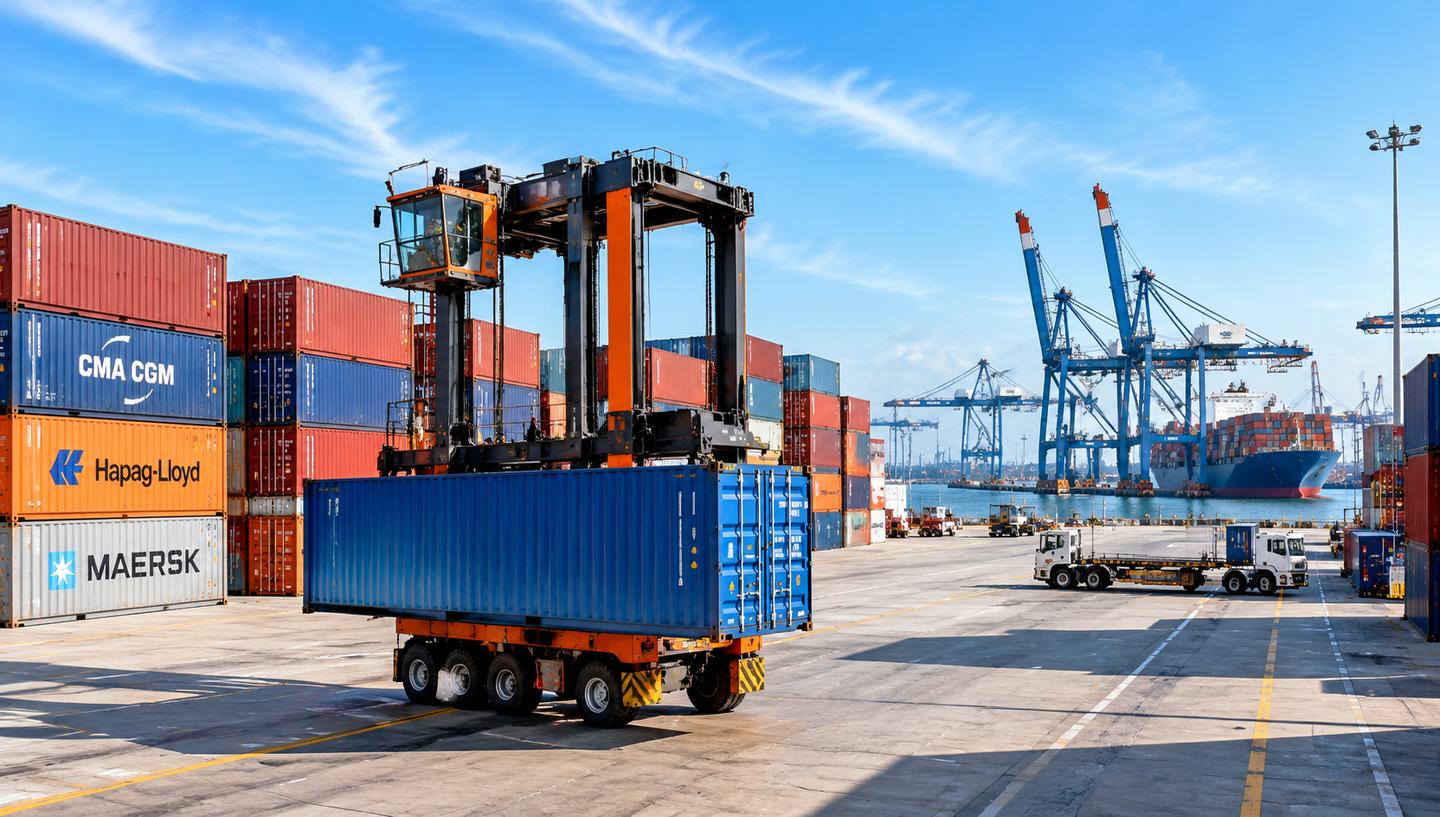
TJ China Logistics’ sea freight service page lists FCL and LCL options, weekly sailing options from China’s main ports, and coordination of origin handling, customs, and onward delivery. The page also lists a typical quote turnaround of 24 hours. Confirm the current route coverage, service scope, and response window for the specific US shipment after the cargo details are available.
Air freight is worth evaluating when the required arrival date makes transportation speed a priority. The forwarder should assess packed dimensions, actual gross weight, chargeable weight, routing, product restrictions, and carrier acceptance. A quote for air freight from China to the USA should state whether it covers airport-to-airport transportation or also includes pickup, export handling, customs coordination, and local delivery.
Express courier service may suit small, urgent consignments that meet the courier’s package, product, and packaging requirements. Compare express shipping separately because courier networks apply their own acceptance rules, rating methods, surcharges, and delivery coverage.
When the origin, international gateway, and final destination require different transport connections, a multi-modal freight service may help coordinate the handoffs. The proposed route should identify the transfer points and explain which party manages each stage.
Transport mode and service scope are separate decisions. Port-to-port and airport-to-airport services end at the named gateway. A door-to-door shipping service covers a broader pickup-to-delivery movement when the quotation explicitly includes those stages. Cargo that a carrier will not accept, goods missing required documentation, or a receiving site that cannot accommodate the proposed delivery may require a different plan before booking.
How long does shipping from China to the USA take?
The following estimates cover specific Shanghai-to-Los Angeles routes and distinguish international main carriage from broader route estimates. The figures come from published third-party references, not from verified operating records for this website. Treat them as planning inputs and confirm the current schedule, service scope, and delivery assumptions for the actual shipment.
| Service and route | Approximate transit time | Measurement scope |
|---|---|---|
| Ocean FCL: Shanghai Port (CNSGH) to Port of Los Angeles (USLAX) | 12–18 days | Port-to-port main carriage on a direct transpacific service |
| Ocean FCL: Shanghai to Los Angeles | 27–36 days | Freightos route estimate covering a broader shipping process |
| Ocean LCL: Shanghai to Los Angeles | 29–41 days | Freightos route estimate for a consolidated shipment |
| Air freight: Shanghai Pudong Airport (PVG) to Los Angeles International Airport (LAX) | 2–3 days | Airport-to-airport transit |
| Air freight: Shanghai to Los Angeles | 6–10 days | Freightos route estimate covering a broader shipping process |
| Express courier: Shanghai to Los Angeles | 3–6 days | Freightos route estimate for an express consignment |
Sources: Cargizon’s Shanghai-to-Los Angeles ocean transit reference, reviewed against schedule data in August 2026; MCFreight’s China-to-US transit guide, published August 5, 2026; and Freightos’ Shanghai-to-Los Angeles route estimates, checked October 29, 2026. The sources use different measurement scopes, so these figures are not components of a single additive calculation.
The shipment’s actual delivery cycle depends on cargo readiness, booking cutoffs, connections, handling, customs processing, inland distance, and receiver availability. Do not use an international arrival estimate as the date cargo will be available at the receiving warehouse.
The US destination can materially change the routing and inland delivery arrangements. Cargo headed to a West Coast gateway may require a different plan from cargo bound for the East Coast, Gulf Coast, or an inland distribution center. Provide the actual destination ZIP code so the forwarder can evaluate the relevant gateways, connections, and delivery assumptions.
How much does shipping from China to the USA cost?
Freight costs depend on the origin, destination, cargo measurements, commodity, transport service, carrier availability, and agreed service scope. The following published figures provide a route-specific benchmark for Shanghai-to-Los Angeles shipments. They are third-party estimates for different shipment sizes, not TJ China Logistics quotations or universal rates.
| Shipping method | Example shipment | Published price range | What to confirm before comparing |
|---|---|---|---|
| Ocean freight (FCL) | 20-foot container | US$4,143–5,523 | Container service, origin charges, destination handling, and delivery scope |
| Ocean freight (LCL) | 1 CBM | US$826–1,101 | Consolidation, chargeable basis, local handling, and cargo release |
| Air freight | 100 kg | US$1,270–1,693 | Chargeable weight, airport handling, customs coordination, and delivery |
| Express courier | 10 kg | US$296–395 | Package rating, service level, surcharge rules, and address coverage |
Source: Freightos’ published Shanghai-to-Los Angeles route page, accessed October 29, 2026. The displayed ranges apply to the example shipment types listed in the source. Confirm the current currency, route, charge basis, and included scope before using any reference figure in a purchasing decision.
Compare quotations only when each provider has priced the same cargo, service, and destination handoff. A lower main-carriage charge may cover fewer services than a broader shipment quotation. Ask providers to identify pickup, export handling, documentation, international transportation, destination handling, customs brokerage, and final delivery as included, excluded, or separately estimated.
The pricing mechanism depends on the shipment type. FCL is generally quoted by container and agreed transport scope. LCL commonly uses a weight-or-measurement tariff, with the greater applicable quantity determining the chargeable basis. Air freight generally uses chargeable weight calculated under the applicable carrier or contract rules by comparing actual gross weight with volumetric weight. Express providers apply their own rating rules. Request the stated calculation method and any applicable minimum charges before comparing totals.
Every quotation should identify its currency, validity period, rating basis, assumptions, and conditions that could change the final charge. Ask how inspections, storage, demurrage or detention, re-delivery, and differences in final cargo measurements will be handled. Do not assume that destination fees, duties, taxes, or exceptional handling are included merely because an offer is described as door-to-door.
For a DDP arrangement, ask the provider to confirm who will act as importer of record, who will coordinate the customs entry, who will supply the required data, and who will pay applicable duties and taxes. Review the proposed DDP shipping service scope in writing before booking. The service label alone does not establish every party’s responsibilities or the treatment of exceptional charges.
Note: Freight rates change with cargo details, route, carrier capacity, fuel costs, seasonal demand, service scope, and destination charges. Request a current quote for the specific shipment.
Which shipment checkpoints must be completed before delivery?
Each shipment stage depends on accurate information and a clear owner for the next action. The buyer, supplier, forwarder, carrier, importer, and customs broker should keep their instructions aligned so the cargo and its documentation move through the agreed process.
Request Quote
The buyer supplies the route, commodity description, packed dimensions, gross weight, package count, target arrival date, and required service scope. The forwarder checks the information and identifies assumptions that require confirmation before booking.
Cargo Pickup
The supplier confirms cargo readiness, package details, pickup access, and document availability. The forwarder verifies that the shipment presented for collection matches the booking instructions and reported cargo measurements.
Export Customs Clearance
The exporter or its appointed customs agent prepares the applicable export declaration and supporting documents. The exporter supplies accurate product descriptions, origin information, shipment details, and any required permits or supporting records.
International Transportation
The carrier transports accepted cargo under the confirmed booking. The carrier issues the master bill of lading or master air waybill, while the forwarder issues its own house document when applicable. The buyer checks the shipper, consignee, commodity description, and destination instructions against the transaction records.
Destination Customs Clearance
The importer supplies required entry information, classification data, customs value information, and applicable permits to the appointed customs brokerage service. For US-bound ocean cargo, the importer or its authorized agent must ensure that the applicable Importer Security Filing is submitted no later than 24 hours before the cargo is laden aboard the vessel destined for the United States. The importer and broker should confirm the current filing requirements and data against US Customs and Border Protection guidance.
Final Delivery
The consignee verifies the delivery address, receiving hours, appointment procedure, vehicle access, and unloading arrangements. The forwarder or designated delivery provider confirms cargo release and dispatch instructions, then obtains delivery confirmation and reports any exception.
Transport documents and customs records serve different purposes. An air waybill is a non-negotiable receipt and contract of carriage, not a document of title. For US imports, the importer and broker should verify the applicable tariff classification and product-specific requirements before preparing the entry.
How can buyers prevent shipping delays and unexpected charges?
Incorrect shipment information can affect carrier acceptance, chargeable weight, customs documentation, and delivery arrangements. Ask the supplier to verify the final packing details and update the documents whenever the actual cargo differs from the booking information. Keep the commercial invoice, packing list, transport documents, and customs data consistent with the goods being shipped.
Product restrictions also require attention before dispatch. A general commodity description may not establish whether a product needs special packaging, supporting documents, or approval from a US agency. The importer and broker should assess the product’s materials, intended use, country of origin, classification, and applicable controls. Obtain carrier acceptance before dispatching potentially restricted goods.
Packaging creates a separate risk. Use export packaging suited to the transport and expected handling transfers, secure palletized cargo where applicable, and mark packages clearly. Record the cargo’s condition before handoff. Buyers should review cargo insurance options before shipment, including insured value, covered events, exclusions, deductibles, evidence requirements, and claim procedures. Carrier liability and a separate cargo insurance policy do not necessarily provide identical protection.
Delivery arrangements can create problems after international transportation is complete. A receiving facility may require an appointment, restrict vehicle access, or lack the equipment needed to unload the cargo. Confirm these conditions before arranging final delivery, and identify the contact who can authorize an alternative arrangement if the original plan becomes unavailable.
Common mistake: Treating a vessel or flight arrival estimate as the date cargo will be available to the receiving warehouse. Buyers should confirm release status, local delivery arrangements, and receiver availability before committing to an inventory or production plan.
If the package count, packed dimensions, commodity description, or consignee details change after booking, request a written review before dispatch proceeds. The forwarder should confirm whether the change affects the quotation, carrier acceptance, or shipment documents.
About this guide: This guide is published on the TJ China Logistics website and explains general considerations for shipping cargo from China to the United States. The linked service pages describe service categories offered by the company, but the route, scope, and availability must be confirmed for each shipment. Third-party price and transit references are planning benchmarks, not TJ China Logistics quotations or verified company operating results.
What information should you send for a shipment-specific quote?
For inventory replenishment with a flexible receiving window, use a complete ocean quotation as the baseline and confirm whether the loading format suits the cargo. If a production requirement makes the receiving date fixed, ask the forwarder to reassess the proposed service against the actual deadline. A general route estimate alone is not enough to approve the booking.
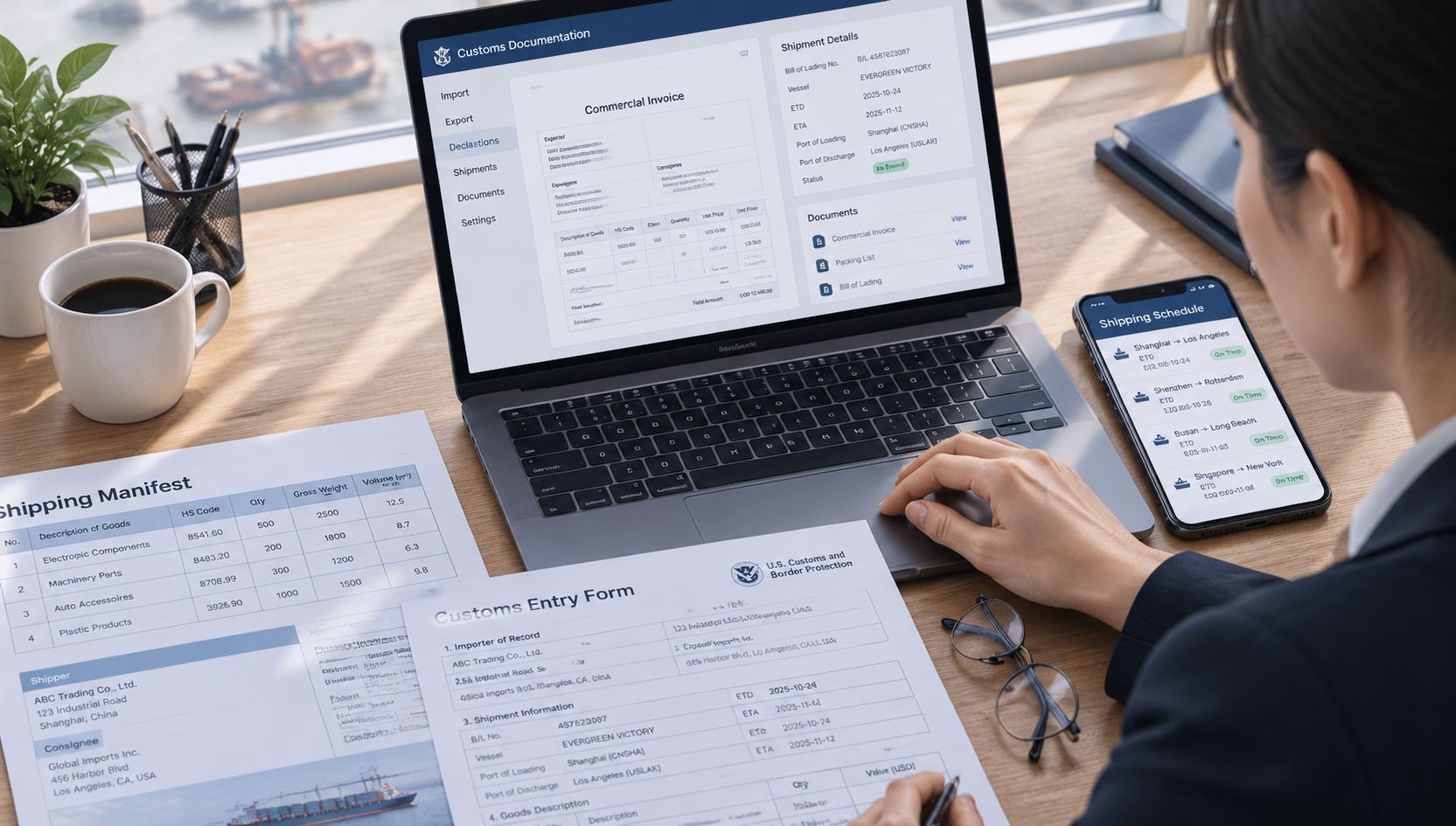
If the supplier has not finalized packing, request a provisional quotation that identifies the missing measurements and assumptions. If the importer setup, product controls, or required documentation remain unresolved, address those issues before authorizing pickup. The final written quotation should establish the route, applicable transit estimate, included services, excluded charges, and outstanding decisions.
Prepare a consistent shipment brief for each provider you evaluate:
- Full supplier pickup address, supplier contact, cargo-ready date, and pickup restrictions.
- US delivery address or ZIP code, receiving hours, appointment requirements, and unloading arrangements.
- Commodity description, product materials and intended use, country of origin, and tariff classification if available.
- Package count, final outer dimensions, gross weight, palletization, stackability, and relevant packaging photographs.
- Commercial invoice and packing list availability, shipper and consignee details, and applicable import documentation.
- Preferred transport service, required delivery date, customs coordination needs, insurance expectations, and special handling restrictions.
To request a quotation from TJ China Logistics, submit the shipment details through the company’s available quote channel and identify any information that remains provisional. The sea-freight service page lists a typical quote turnaround of 24 hours, but the applicable response window and service coverage should be confirmed for the specific shipment. Ask the provider to clarify unresolved charges and assumptions before you authorize the booking.
Illustrative example (not a customer case) A manufacturer is moving packaged components from an overseas supplier to a domestic distribution facility, and the receiving window can flex. Ocean freight remains a practical default while the cargo and delivery arrangements are confirmed. If a production requirement makes the receiving date fixed, the forwarder should reassess the transport plan rather than assume the original choice still fits.
Key Takeaways
- Match the transport plan to cargo requirements, readiness, and the receiving deadline.
- Compare quotations using the same route, service scope, and destination handoff.
- Check the cargo rating basis, quotation validity, included services, and conditions for additional charges.
- Resolve customs documentation and applicable product controls before the relevant shipment checkpoint.
- Verify the delivery address and receiving arrangements before approving the shipment plan.
FAQ
How do I choose a freight forwarder from China to the USA?
Compare providers using the same shipment details and destination. Review the proposed routing, quotation scope, customs coordination, delivery arrangements, and handling of exceptions. Ask each provider to identify excluded or unresolved charges in writing. The most useful offer is one you can evaluate against the actual shipment requirements, not simply the lowest headline amount.
Are online shipping prices final door-to-door quotes?
No. Published route estimates provide a benchmark for a specified route and example shipment, but they may not reflect the cargo’s final measurements, current booking conditions, or every service needed at destination. Check the quotation’s pricing basis, currency, validity period, inclusions, exclusions, and delivery point before treating the amount as suitable for approval.
Can I request a quotation before the goods are fully packed?
Yes. A forwarder can assess a preliminary shipment profile when the cargo dimensions and weight are still estimated. The quote should identify those assumptions clearly. Send the final package count, dimensions, and gross weight as soon as the supplier confirms them, then request a revised quotation before the shipment is booked against the final details.
Can a freight forwarder consolidate shipments from multiple suppliers?
Consolidation may work when the suppliers can release compatible cargo to an agreed facility and provide the required documents. The forwarder should review the pickup locations, cargo readiness, exporter details, product restrictions, and handling requirements before confirming the arrangement. Different release dates or incompatible cargo may require a revised collection or consolidation plan.
Who should confirm the US tariff classification and import requirements?
The importer should work with its appointed customs broker to verify the product classification, customs value information, importer details, and any applicable product-specific requirements. The supplier should provide accurate product and origin information. A forwarder can coordinate the shipment and document handoffs, but an accurate customs entry depends on the required information and appropriate review.
What happens if US customs selects a shipment for examination?
An examination may delay release and create additional handling, storage, transfer, or examination charges. The customs broker should relay the notice and identify the requested information or action. The importer should respond promptly, while the forwarder explains any resulting changes to cargo release and delivery arrangements. Do not assume exceptional examination costs are covered by the original quotation.
What should I do if the supplier changes the cargo-ready date?
Notify the forwarder as soon as the supplier reports a change. Ask the provider to review the booking status, applicable cutoff requirements, available alternatives, and any charges associated with changing or canceling the arrangement. Confirm the revised plan in writing and update the supplier and receiving team so all parties follow the same instructions.
Disclaimer: Published price and transit references, cost explanations, customs information, and shipping suggestions on this page are general planning references, not a binding quotation, customs ruling, or delivery guarantee. Confirm the current route, service scope, charges, documents, and import requirements before booking.