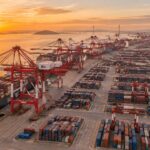
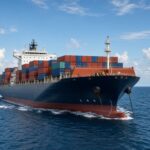
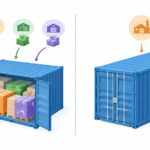
A sea port connects ocean transportation with inland cargo movements, but the port, terminal, and berth perform different operational roles. The port provides the wider maritime and logistics environment, the terminal handles specific cargo operations, and the berth provides the vessel’s designated position for loading or unloading. Understanding these distinctions helps shippers identify where cargo is handled, which operator controls each stage, and where delays or additional handling requirements may arise.
For importers and exporters, the practical priority is to identify the correct terminal and confirm the cargo handoff arrangements before the shipment reaches the port. A vessel’s port of call does not, by itself, confirm the cargo’s discharge terminal, pickup availability, or inland delivery arrangements. These details depend on the carrier, terminal assignment, cargo type, booking, and local operating conditions.
How Ports, Terminals, and Berths Work Together
A commercial sea port contains interconnected facilities that support vessel movements, cargo handling, storage, inspection, and transportation connections. Different organizations may manage the port infrastructure, operate individual terminals, provide vessel services, and coordinate cargo transportation. Shippers should identify the responsible party at each stage rather than treating the entire port as one service provider.
The three main components have distinct functions:
- Port: The broader maritime facility and associated infrastructure where vessels arrive, receive services, and transfer cargo. A port may contain several terminals with different cargo capabilities.
- Terminal: A designated operating facility within the port that handles a particular cargo category or combination of cargo types. Container terminals, bulk terminals, and specialized cargo terminals use different equipment and operating procedures.
- Berth: A specific position alongside a quay or pier where a vessel can be secured for cargo operations. The berth assignment affects where the vessel is positioned, but it does not independently determine the complete cargo pickup process.
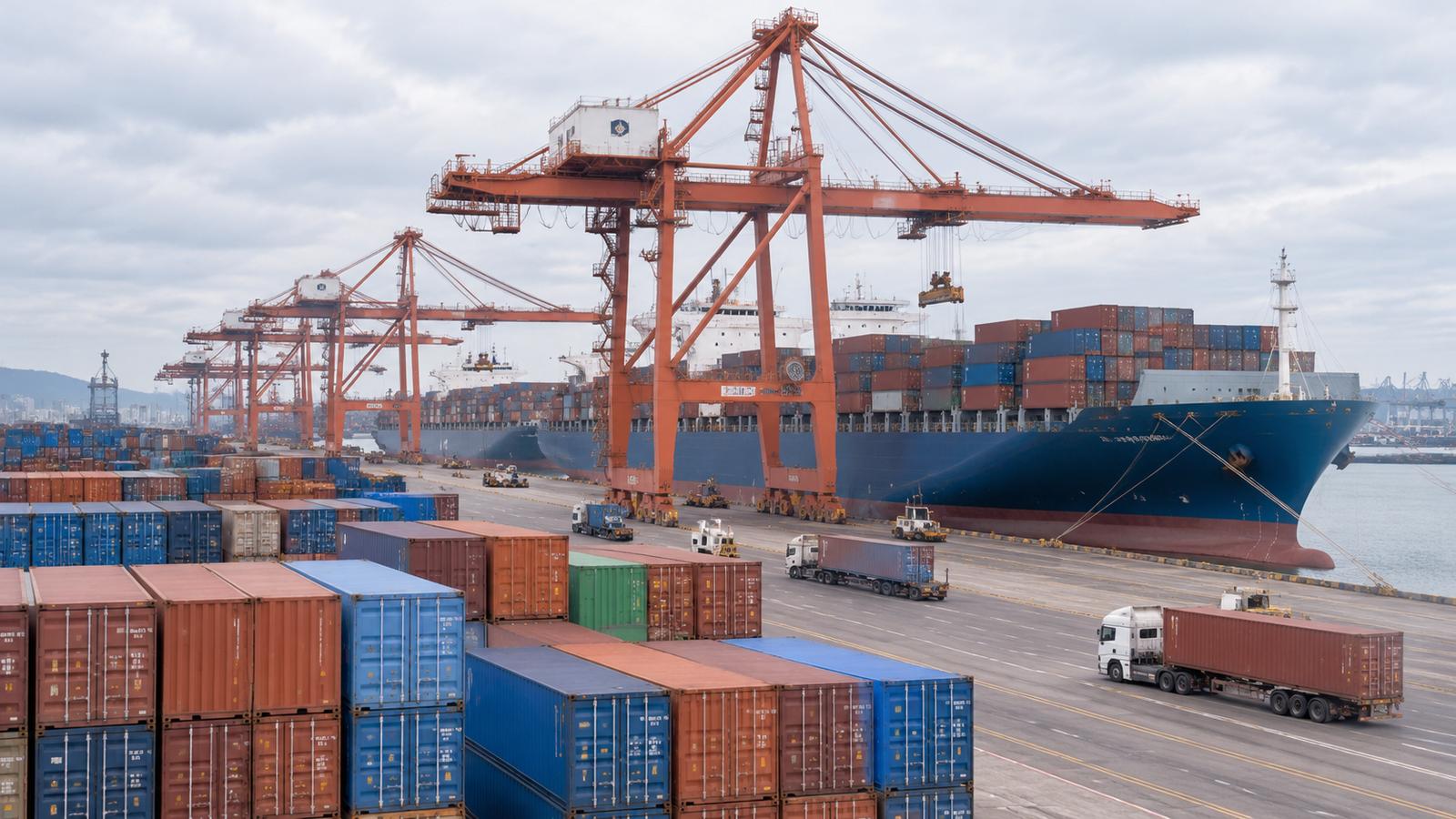
These components form a physical and operational hierarchy. A vessel arrives at a port, proceeds to an assigned berth, and conducts loading or unloading through the relevant terminal operation. After discharge, cargo generally moves through terminal-controlled handling and release procedures before a truck, rail service, or other inland transportation provider collects it.
Operator check: Confirm the port name, terminal name, vessel and voyage details, and cargo availability instructions separately. A correct port name does not replace the terminal information needed for collection.
Common Sea Port Terminal Types and Their Cargo
Terminal selection depends on cargo characteristics, handling equipment, storage requirements, and the vessel’s operating arrangements. Container terminals handle standardized shipping containers, while other facilities accommodate cargo that requires different handling methods.
| Terminal type | Typical cargo | Main handling requirements | Key shipper check |
|---|---|---|---|
| Container terminal | FCL and LCL cargo in containers | Container cranes, yard storage, gate operations | Container release and pickup arrangements |
| Bulk terminal | Grain, minerals, coal, and other bulk materials | Conveyors, hoppers, loading and unloading equipment | Commodity handling and storage capability |
| Liquid bulk terminal | Liquid commodities and industrial liquids | Pipelines, pumps, tanks, and transfer systems | Compatibility and transfer arrangements |
| General cargo terminal | Breakbulk, machinery, and packaged goods | Mobile cranes, lifting equipment, and cargo staging | Dimensions, weight, and lifting requirements |
| Ro-Ro terminal | Cars, trucks, trailers, and rolling equipment | Vehicle ramps, staging areas, and securing facilities | Vehicle condition and delivery instructions |
A terminal’s general cargo category does not automatically establish that it can accommodate every shipment within that category. Oversized machinery, unusual dimensions, heavy lifts, hazardous cargo, and specialized commodities may require advance technical approval. Shippers should provide accurate cargo specifications before confirming the handling plan.
For containerized shipments, sea freight services can coordinate the ocean transportation stage and related shipment arrangements. The shipper should still verify the actual terminal assignment and the responsibilities of the carrier, terminal operator, and destination handling parties.
How Cargo Moves Through a Sea Port
Cargo handoffs connect the shipper, carrier, terminal, customs authorities, and inland transportation provider. The precise sequence varies by cargo type, destination, and contractual arrangement, but containerized shipments commonly follow the stages below.
Origin cargo preparation
The shipper prepares the cargo, provides shipment information, and coordinates delivery to the designated origin facility. The booking party confirms the receiving terminal, delivery instructions, and applicable cutoff requirements.
Terminal receiving and loading
The origin terminal receives the cargo or container and performs the handling required for vessel loading. The carrier coordinates vessel stowage and transportation, subject to operational conditions and the agreed booking.
Ocean transportation
The vessel transports the cargo between the origin and destination ports. The carrier or its appointed representatives provide shipment and arrival information through the relevant tracking and communication channels.
Destination discharge
The vessel arrives at the destination port and proceeds to its assigned berth. The terminal unloads the cargo and moves containers or other goods into the appropriate handling or storage area.
Customs and cargo release
The importer or its authorized customs representative manages the applicable import entry and clearance requirements. The carrier and terminal handle their respective release procedures. Customs clearance and terminal cargo release are separate operational steps, and both may need completion before collection.
Inland collection and delivery
The designated trucker or inland transportation provider collects the released cargo under the applicable appointment, equipment, and gate procedures. The receiving party confirms delivery arrangements and acknowledges receipt according to the agreed service scope.
The main operational distinction is that physical arrival, customs clearance, carrier release, and terminal pickup availability are not interchangeable milestones. A container may have discharged from a vessel but remain unavailable for collection because a release, inspection, handling, or appointment requirement is outstanding.
When a shipment needs more than ocean transportation, multimodal freight arrangements can connect the port movement with inland rail or road transportation. The shipper should confirm where responsibility transfers between transportation providers and which party coordinates each handoff.
Nansha Ocean Port and Terminal Considerations
Nansha Port is a useful example of why shippers should distinguish a port from its individual operating facilities. Located in Guangzhou, Guangdong, China, the Nansha port area serves maritime cargo movements connected with regional manufacturing and international trade. References to Nansha ocean port may describe the broader port area rather than a specific terminal or cargo-handling location.
The term Nansha ocean terminal may appear in shipment discussions, booking communications, or logistics searches. However, shippers should not assume that the phrase identifies a unique facility or confirms a particular vessel’s operating terminal. The carrier’s booking confirmation and current arrival information should establish the actual terminal assignment.
Before arranging an export or import movement through Nansha, the shipping team should verify:
- The precise terminal name and terminal operating location.
- The vessel, voyage number, and applicable arrival or departure information.
- The cargo category and any special handling arrangements.
- The origin receiving instructions or destination collection requirements.
- The responsible party for documentation, customs coordination, and inland transportation.
These checks are particularly important when several parties use the general port name in emails, quotations, or shipping instructions. A port-level reference may be sufficient for an initial route discussion, but the terminal-level details become important when cargo enters the physical handling process.
Practical distinction: Treat Nansha as the port-level reference until the booking or carrier documentation identifies the actual terminal. Confirm the terminal’s current operating instructions before arranging cargo delivery or collection.
How to Evaluate Ports in the USA for Import Cargo
Importers choosing among ports in the USA should evaluate the complete transportation route rather than selecting a port based only on its geographic proximity to the supplier or customer. A port’s suitability depends on the vessel service, destination market, terminal assignment, cargo characteristics, inland transportation options, and total logistics cost.
The following factors provide a practical basis for comparing alternative gateways:
| Decision factor | What to examine | Operational impact |
|---|---|---|
| Ocean service | Routing, transshipment, vessel frequency | Transit planning and schedule exposure |
| Terminal assignment | Actual destination terminal and handling capability | Discharge and collection arrangements |
| Inland connectivity | Truck, rail, and distribution center access | Post-port transportation cost and time |
| Customs arrangements | Entry responsibilities and examination planning | Potential release delays and coordination needs |
| Total landed logistics cost | Ocean freight, handling, storage, and inland charges | Overall shipment economics |
A port with a shorter ocean route may not provide the best overall result if inland delivery requires a longer or more expensive journey. Conversely, a port farther from the consignee may be commercially suitable when its vessel service and inland rail connections fit the distribution plan.
Importers should compare equivalent quotations using the same cargo details, shipment scope, destination, and delivery requirements. They should also distinguish estimated transit time from actual cargo availability and final delivery time. Port congestion, vessel schedule changes, inspections, and inland equipment availability can affect the actual result.
When the destination delivery arrangement includes import customs coordination, customs brokerage services may support the preparation and coordination of the applicable import documentation. The importer remains responsible for confirming its own legal and regulatory obligations with the appropriate qualified parties.
Port Costs, Handling Risks, and Operational Trade-Offs
Port selection affects more than the ocean freight rate. Each port and terminal combination may involve different handling charges, storage arrangements, inland transportation requirements, and operating constraints. The shipper should evaluate the total cost from origin pickup through final delivery when comparing alternatives.
Typical cost categories may include:
- Origin handling: Cargo receiving, terminal handling, and other applicable export-side charges.
- Ocean transportation: The contracted freight charge and any applicable surcharges.
- Destination handling: Terminal handling and other applicable destination-side charges.
- Storage and equipment: Charges that may arise when cargo or containers remain beyond the applicable free period or equipment-use allowance.
- Inland transportation: Trucking, rail, equipment positioning, and final delivery expenses.
Storage and equipment-related charges require particular attention because their calculation and applicable time allowances depend on the carrier, terminal, contract, cargo movement, and local rules. Shippers should obtain the relevant free-time terms and current charge schedules before relying on an estimated destination cost.
Operational risk also varies by shipment. A standard container may follow an established terminal process, while oversized machinery or sensitive cargo may require additional lifting equipment, storage space, advance coordination, or special transport permits. The cargo’s dimensions, gross weight, packaging, and handling instructions should therefore form part of the initial route assessment.
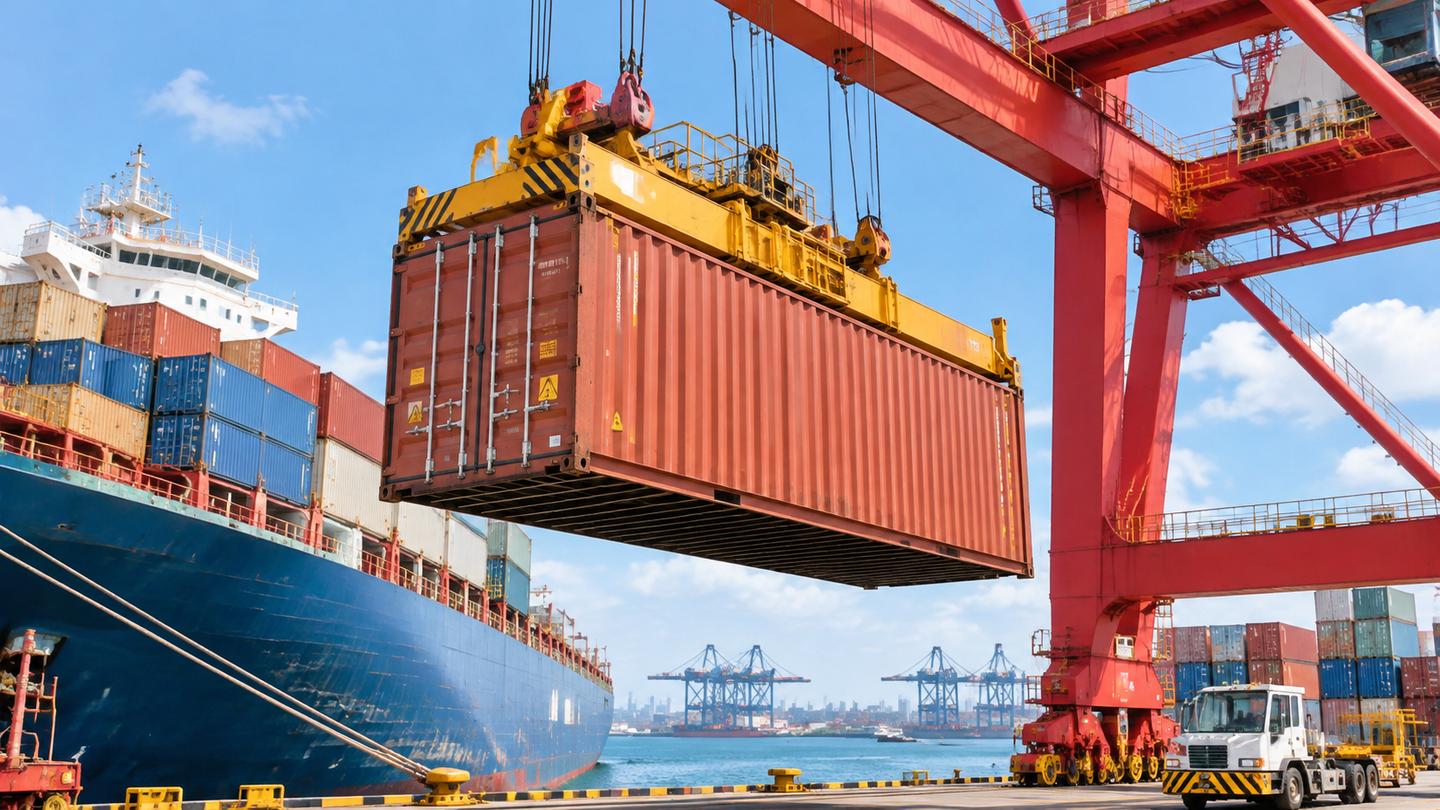
Do not treat vessel arrival as confirmation that a container is ready for pickup. Arrange collection only after checking the applicable cargo release status, customs requirements, terminal availability, and gate or appointment instructions.
Common Sea Port Handoff Mistakes and Operator Checks
Most preventable handoff problems begin with incomplete terminal information or unclear responsibility between parties. A booking team may have the correct port but lack the terminal details needed for delivery, while an importer may assume that customs clearance automatically makes cargo available for collection.
Mistake 1: Using the port name as the complete delivery or collection instruction. This can cause confusion when a port contains several terminals or operating locations. The booking party should obtain the actual terminal assignment and verify the applicable receiving or pickup instructions.
Mistake 2: Treating cargo release as a single event. Customs clearance, carrier release, and terminal availability involve different parties and procedures. The importer or its appointed representative should check each applicable status before dispatching inland transportation.
Operators can use the following checklist before the vessel arrives or cargo reaches the destination terminal:
- Confirm the port, terminal, vessel, voyage, and cargo reference numbers.
- Check whether the terminal has received or discharged the cargo.
- Verify the customs status with the responsible customs representative.
- Confirm carrier documentation and release requirements.
- Check terminal storage conditions, free-time terms, and collection instructions.
- Coordinate truck or rail capacity and the required delivery appointment.
- Confirm the receiving party, delivery location, and proof-of-delivery process.
Final handoff check: Ask each responsible party to confirm its own completion milestone. The carrier confirms its applicable release, the customs representative confirms the relevant clearance status, and the terminal confirms pickup availability under its operating procedures.
Disclosure: This guide provides general logistics information and may refer to services relevant to the topic. Carrier terms, customs requirements, fees, service coverage, and operating conditions can change. Confirm current requirements and responsibilities before acting.
Key Takeaways
- A port is the broader maritime facility, a terminal handles cargo operations, and a berth provides a vessel’s designated position alongside a quay.
- Terminal selection depends on cargo type, equipment, storage needs, and the vessel’s operating arrangements.
- Port arrival, cargo discharge, customs clearance, carrier release, and terminal pickup availability are separate milestones.
- Shippers using Nansha Port should confirm the actual terminal instead of relying on a general port reference.
- Importers comparing ports in the USA should assess ocean transportation, terminal operations, customs coordination, inland connectivity, and total logistics cost.
- Before dispatching a truck or arranging final delivery, confirm all applicable release statuses and terminal collection instructions.
Frequently Asked Questions About Sea Ports
What is the difference between a sea port and a terminal?
A sea port is the larger maritime facility that supports vessel operations and cargo movements. A terminal is an individual operating facility within the port that handles specific cargo activities, such as container loading, bulk handling, or vehicle processing. One port can contain multiple terminals.
What is a berth in a sea port?
A berth is a designated position alongside a quay or pier where a vessel can be secured for loading or unloading. The assigned berth determines where the vessel conducts its port operations, subject to the port’s operating arrangements.
Can one sea port have several container terminals?
Yes. Larger commercial ports may contain multiple container terminals operated under different arrangements. Each terminal can have its own equipment, operating procedures, gate instructions, and cargo handling arrangements.
What does Nansha Port refer to?
Nansha Port refers to the port area in Guangzhou, Guangdong, China. The name can identify the broader maritime gateway rather than the exact terminal handling a shipment. Shippers should confirm the terminal name against their booking and carrier instructions.
What is meant by a Nansha ocean terminal?
The phrase generally refers to a terminal associated with the Nansha port area. It should not be treated as confirmation of a unique facility. The carrier or relevant terminal operator should provide the precise terminal designation for the shipment.
How should importers choose among ports in the USA?
Importers should compare vessel routing, terminal handling, inland transportation, customs coordination, cargo requirements, and total logistics costs. The best option depends on the final delivery location, shipment characteristics, available services, and current operating conditions.
Does customs clearance mean cargo is ready for pickup?
No. Customs clearance is separate from carrier release and terminal cargo availability. The importer should confirm all applicable release requirements and verify that the terminal has made the cargo available before arranging collection.
Who is responsible for coordinating cargo handoffs at a sea port?
Responsibility depends on the transportation contract and agreed service scope. The shipper, consignee, freight forwarder, carrier, customs representative, terminal operator, and inland transporter may each handle different stages. The booking and delivery arrangements should identify the responsible party for every handoff.
Disclaimer: This article is general informational guidance, not a binding quotation, legal opinion, customs ruling, carrier commitment, or delivery guarantee. Requirements, charges, service terms, and responsibilities can vary by route, cargo, contract, carrier, and jurisdiction. Confirm current requirements before booking or filing.