Start With Importer Eligibility, Not the Shipping Label
Before shipping goods to the United States, confirm who will act as the importer of record (IOR) and whether the proposed arrangement fits the actual transaction. The IOR is not automatically the consignee named on a bill of lading, the party paying freight, or the warehouse receiving the goods. A delivered-duty-paid (DDP) quotation also does not, by itself, establish which entity can serve in that role.
Start by identifying the owner or purchaser, the seller, the proposed importer, the customs broker, and the party receiving the cargo. Then verify the applicable importer identification, broker authorization, product information, and transport-related filing obligations. These checks should happen before the team commits to a shipment plan that depends on unresolved import arrangements.
Under 19 U.S.C. § 1484, the entry process identifies eligible filing parties, including the owner or purchaser and, when appropriately designated, a licensed customs broker. The statutory conditions matter more than a job title or document label. The actual importer arrangement must be reviewed against the transaction and applicable rules.
This guide provides a practical way to identify the proposed importer, organize supporting records, assign the broker and transport handoffs, and isolate questions that still need confirmation. It does not determine eligibility for a specific company or promise a customs decision, release, or delivery date.
Who Can Be the Importer of Record in the United States?
The proposed IOR must fit an eligible filing arrangement under the applicable U.S. rules. Commercial ownership, purchasing arrangements, agency relationships, and the intended entry process help establish which party may fill the role. Do not select an importer merely because that party is already listed in a logistics system.
| Scenario | What to establish | Next preparation step |
|---|---|---|
| U.S. buyer | Whether the buyer is the actual purchaser or owner under the transaction. | Reconcile purchase records, entity details, importer identification, and broker arrangements. |
| Overseas seller using DDP | Whether the proposed seller-side importer arrangement is permitted and workable for the actual transaction. | Have a qualified U.S. broker review eligibility, identification, representation, and entry responsibilities before quoting the final scope. |
| Foreign company importing directly | Which nonresident arrangements, identification details, representation requirements, and financial security provisions apply. | Confirm the proposed structure and required supporting records with a licensed customs broker. |
| Warehouse or third-party recipient | Whether the recipient is only receiving goods or has another qualifying role in the transaction. | Separate delivery instructions from evidence supporting the proposed importer designation. |
| Customs broker | Whether the broker is acting as an authorized filing agent or is being proposed for another role. | Confirm the precise entry arrangement and the party that will be identified in the entry records. |
A U.S. buyer that actually purchases the goods may be a natural candidate for the importer role, but the shipment file must support that arrangement. A foreign seller cannot assume that a DDP sale automatically makes it eligible to act as the importer. A foreign company exploring direct importation should confirm its nonresident arrangements rather than relying on a domestic customer’s receiving address.
A third-party logistics provider, warehouse, or freight payer does not become an eligible importer simply by arranging transportation or receiving a shipment. Where an agency, consignment, lease, loan, or other nonstandard transaction is involved, provide the underlying commercial documents and ask the broker to verify the intended arrangement.
The broker’s role also needs precision. A licensed broker may file when properly designated, but the parties should not confuse the broker’s filing authority with the separate question of which entity will serve as the importer in the actual entry. The review should establish that distinction before shipment instructions are finalized.
For a proposed seller-managed delivery arrangement, review the written responsibilities separately from the importer decision. A quotation should identify the intended transport and brokerage scope, the proposed importer arrangement, and any tasks excluded from the service. Use the DDP shipping service scope as a logistics-planning reference, not as proof of importer eligibility.
Importer of Record vs. Consignee vs. Customs Broker
These roles may belong to different businesses, even when one business performs more than one function. The team should record each role separately and explain any relationship that might otherwise look inconsistent across the commercial and transport documents.
| Role | Primary function | Information or evidence to verify | Common misunderstanding |
|---|---|---|---|
| Importer of record | Identified in the import-entry arrangement under the applicable rules. | Eligibility, importer identification, supporting transaction facts, and required authorizations. | Assuming the named receiving party automatically qualifies. |
| Consignee | Named as a receiving or delivery party in the relevant transport records. | Correct entity name, destination, contact, and applicable transport-document details. | Assuming the consignee designation settles importer status. |
| Consignor or shipper | Identified as the party sending or consigning the cargo under the relevant record. | Exporter details, shipping instructions, cargo description, and package information. | Assuming the sending party must also be the importer. |
| Customs broker | Performs authorized customs business within the agreed and permitted scope. | Valid license, direct authorization, information gaps, and filing instructions. | Assuming the broker automatically takes over every importer obligation. |
| Forwarder or carrier | Coordinates transport, applicable records, and movement-related handoffs. | Booking details, transport documents, routing, and agreed service boundaries. | Assuming a transport booking confirms the customs arrangement. |
When the consignee differs from the proposed importer, prepare a short explanation of the commercial relationship. The explanation should match the purchase or transfer records and identify the person authorized to correct the file. Do not change names on a bill of lading simply to make every document display the same entity.
Before engaging a broker, confirm the exact work requested and the party represented. Under 19 CFR § 111.36, a broker must execute a customs power of attorney directly with the importer of record when transacting customs business for that importer; a freight forwarder cannot substitute its own relationship for the required direct authorization. The relevant parties should therefore establish who will provide the authorization and how the broker will communicate questions and corrections.
For an entry that requires customs representation, select customs brokerage coordination according to the actual shipment and required work. Agree on who supplies product facts, who checks proposed entry data, who authorizes corrections, and who handles outstanding questions. The broker prepares or files within its authorized scope; the relevant government authority makes the applicable customs decisions.
U.S. Importer Requirements, Numbers and Documents
Build a file that supports the proposed importer, describes the actual goods, and gives the broker enough information to identify entry and product-specific questions. Not every shipment requires the same records. The exact preparation depends on the commodity, transaction, entry arrangement, transport mode, and any other agency requirements that apply.
| Record or checkpoint | Typical information owner | What to verify |
|---|---|---|
| Importer identification | Proposed importer | Full legal name, address, existing importer number, and any required registration or update. |
| Broker authorization | Importer and selected broker | Direct authorization, accurate represented-party details, and the agreed scope of customs work. |
| Commercial and transport records | Seller, buyer, forwarder, and carrier as applicable | Transaction parties, product descriptions, quantities, package information, route, and receiving details. |
| Product and origin evidence | Manufacturer, supplier, seller, or other reliable data owner | Composition, function, model, origin facts, classification support, and product-specific review needs. |
| Bond and regulatory checks | Importer, broker, and relevant specialist | Whether the entry requires a bond or other security, or additional permits or agency documentation. |
Importer number and CBP Form 5106. Confirm the importer’s identification before the entry file depends on it. U.S. businesses commonly use an IRS employer identification number (EIN), while individual importers may use the applicable personal identifier. CBP also provides for a CBP-assigned number in qualifying circumstances. Review the current CBP Form 5106 and its instructions to determine which identification and submission steps fit the entity. Do not assume that an old number or an unrelated company’s identifier can be reused.
If the company name, address, or identity information has changed, tell the broker before filing. The team should confirm whether an update or other action is needed instead of supplying conflicting entity details across separate systems.
Power of attorney and customs bond. Confirm the representation arrangement directly with the selected broker. Separately ask whether the specific entry requires a customs bond or other security and whether a transaction-specific or continuing arrangement is appropriate. Bond selection depends on the applicable entry and commercial circumstances; a bond does not establish importer eligibility or replace the required product and entry review. CBP explains the bond process in its customs bond guidance.
Commercial invoice, packing list, and transport record. The seller should supply transaction facts and accurate item details. The packing team should confirm package counts, weights, and dimensions where relevant. The carrier or forwarder should check the transport record against the approved shipping instructions. The parties should resolve discrepancies in quantity, description, party names, or destination before relying on the final documents.
Classification, value, and product-specific requirements. Give the broker a meaningful product description and supporting technical information, including composition, function, model, and relevant manufacturing facts. The responsible parties should identify any valuation questions, classification uncertainty, permits, product restrictions, marking or labeling checks, and other agency requirements that may apply. These matters cannot be decided reliably from a generic catalog name or from the experience of an unrelated shipment.
Origin and preference claims. If the transaction may qualify for preferential treatment under the United States-Mexico-Canada Agreement (USMCA), obtain supporting origin information from a responsible source. CBP states that a USMCA certification of origin may use any format containing the agreement’s required minimum data elements. Review the applicable information in CBP’s USMCA guidance. Do not treat a document labeled as a certificate of origin as independent proof that the goods qualify for a preference.
Shipper’s letter of instructions. Where the exporter’s process uses a shipper’s letter of instructions (SLI), the exporter should verify that the shipping and export information reflects the actual shipment. The SLI supports the relevant export-side handoff. It does not replace import-entry records or establish which entity will serve as the U.S. importer.
Ocean Importer Security Filing. For applicable U.S.-bound cargo arriving by ocean vessel, the Importer Security Filing (ISF), often called 10+2, requires advance electronic cargo data. CBP states that the applicable filing is generally due no later than 24 hours before the cargo is loaded onto the vessel bound for the United States. The importer or its responsible filing agent must coordinate the necessary data, including information about the buyer, seller, importer identification, consignee, manufacturer or supplier, origin, and commodity. Confirm the applicable filing arrangement and data ownership with the broker and forwarder; ocean bookings should not proceed on the assumption that the carrier will resolve missing importer data automatically. Review the current CBP ISF guidance and the planned sea freight handoff.
Field note: Keep one controlled shipment file and record the source of each material fact. Mark missing information explicitly, name the person responsible for resolving it, and record which parties approved corrections. Avoid circulating an unexplained replacement invoice or changing importer details merely to make transport and commercial records appear identical.
Pre-Shipment Import Preparation Checklist
Use this sequence to move from the commercial transaction to booking, entry preparation, and delivery coordination. Each step should produce a clear record or a specific outstanding question, not an assumption that another party has already completed the task.
Identify the proposed importer
The buyer and seller establish the actual transaction parties and proposed importer. They provide purchase, ownership, transfer, or other relevant commercial records so the broker can review whether the arrangement fits the applicable entry framework.
Verify entity identification
The proposed importer confirms its legal name, address, and existing importer identification. The team determines whether CBP Form 5106 or another identification update is relevant before the entry file relies on potentially outdated information.
Reconcile commercial and product data
The seller, manufacturer, and packing team provide the invoice, package details, product specifications, and supporting origin facts where relevant. The responsible parties resolve inconsistencies and identify any classification, valuation, permit, or other product-specific question.
Confirm broker scope and security needs
The importer and broker settle the direct authorization, filing responsibilities, and questions that require further review. They also check whether the entry requires a customs bond or other security rather than treating one arrangement as suitable for every shipment.
Complete mode-specific preparation
The forwarder and responsible filing party confirm transport instructions and applicable advance-data obligations. For ocean cargo, they coordinate the ISF information and its applicable filing deadline; other modes require their own shipment-specific document and handoff checks.
Coordinate import review and delivery
The broker, importer, carrier, forwarder, and receiving party follow their agreed responsibilities and respond to outstanding requests. They confirm which conditions permit the next operational step and verify that the destination can receive the cargo under the actual service arrangement.
Keep a written list of open items throughout this sequence. For every unresolved question, record the responsible party, the information needed, and the next verification step. A completed booking or a transport status update does not establish that every customs, product, or delivery checkpoint has been resolved.

Cost, Timing, and Delivery Risks
Incomplete importer preparation can create document corrections, additional handling, inspections or examination coordination, storage exposure, rebooking, return arrangements, or extra destination work. The actual consequences depend on the shipment, carrier terms, destination arrangements, applicable authority instructions, and the contracts between the parties.
Ask the broker which missing facts could prevent completion of the entry file. Ask the forwarder or carrier how unresolved party names or transport records may affect the planned handoff. The receiving party should also confirm delivery appointments, access, unloading capabilities, and any warehouse instructions that could affect acceptance.
Keep the commercial allocation of costs separate from the importer designation. A DDP sale may allocate certain costs or tasks between the buyer and seller, but it does not independently resolve importer eligibility, broker authorization, product restrictions, or the identity used in the entry. Review the written scope with the parties responsible for the actual import arrangement.
Verify material changes before relying on the current file. A different buyer, destination, product, transaction structure, or proposed importer can change the information the broker needs. Ask the appropriate party whether the revised facts require updated documents, authorization, product review, or filing arrangements. Do not estimate clearance duration from a general logistics timetable or treat a provider’s transport estimate as a customs decision.
Common Failure Modes and Prevention
Assuming the consignee qualifies as importer. A warehouse, buyer, freight payer, or named recipient may appear on transport documents without resolving the importer question. Ask the broker to assess the actual transaction and record the confirmed arrangement before the entry is prepared.
Using outdated importer details. A changed legal name, address, or identification record can cause inconsistencies in the file. The importer should verify the current information and resolve any required update before the affected records are submitted.
Providing a description that cannot support review. Broad descriptions such as a general product family or marketing label may not give the broker enough information to review classification, valuation, origin, or other product requirements. Request technical details and supporting records from the responsible supplier or manufacturer.
Leaving the authorization or filing owner unclear. A freight forwarder may coordinate the shipment, but that arrangement does not replace a broker’s required direct authorization. Identify the represented party, confirm the scope of the broker’s work, and establish who can approve factual corrections.
Missing an ocean filing handoff. If applicable ISF data is incomplete or no one owns the submission, the shipment file may be unready for the planned vessel movement. Assign the filing responsibility during booking and obtain the required data from the parties that hold it.
Common mistake: Making the consignee, importer, buyer, and seller names identical across documents simply to avoid questions. Different parties may hold different roles. Keep the documents accurate, explain the commercial relationship, and correct an inconsistency only after the responsible party confirms the underlying facts.
Risk alert: Escalate the file when the proposed importer disputes the role, the broker cannot confirm the authorization, or material transaction and product facts conflict. Do not ask an unlicensed logistics intermediary to decide the importer arrangement or alter customs-related records without supporting evidence.
Disclosure: This page provides general logistics and customs-preparation information and may mention freight services available through this website. Actual requirements, authority decisions, duties, taxes, document obligations, service scope, and delivery conditions depend on the shipment, jurisdiction, commodity, transaction, and current rules. Confirm current requirements before booking or filing.
Final Importer Review Before Booking
Before the team commits to a plan that depends on the proposed importer, leave a short record showing what has been confirmed and which items remain open. This checkpoint lets the broker, forwarder, carrier, and importer focus on specific decisions instead of exchanging a large file without clear ownership.
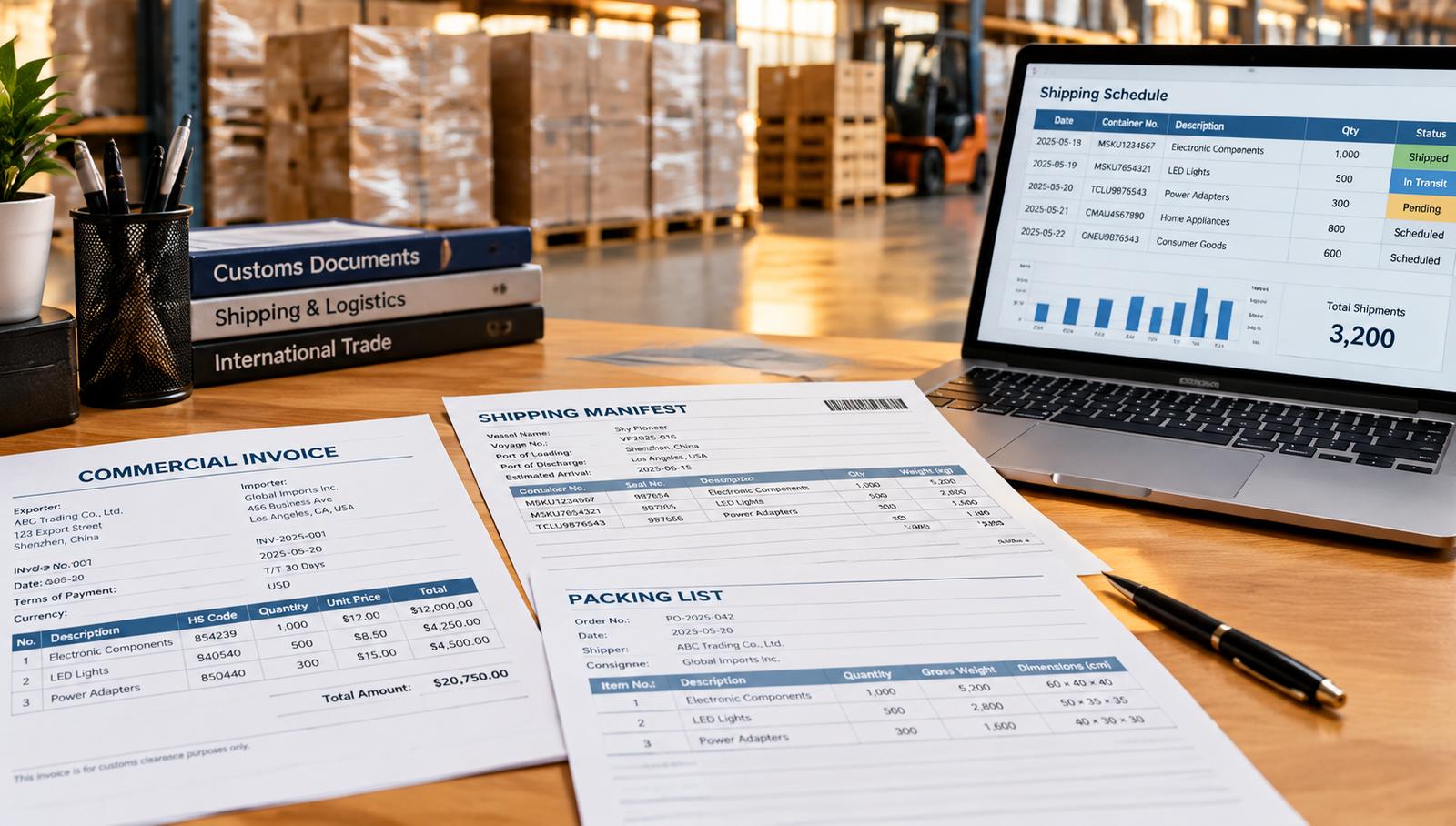
Importer arrangement: Identify the proposed importer and the transaction facts supporting the arrangement; list questions that still require eligibility review.
Entity identification: Verify the legal name, address, available importer number, and whether an identification update needs review.
Broker authorization: Record the selected broker, its scope, the authorization status, and the person who can approve corrections.
Product and entry information: Prepare the commercial invoice, packing information, product specifications, relevant origin evidence, and any identified classification or regulatory questions.
Transport and destination: Confirm applicable advance-filing tasks, document responsibilities, receiving contacts, delivery constraints, and the services included in the written plan.
Send the broker the proposed importer details, transaction records, product data, draft transport information, and a short list of unresolved questions. Ask for a clear response identifying missing inputs and issues that require specialist or authority confirmation. Keep that response with the controlled shipment file so later participants can see what the review covered and which decisions remain outstanding.
Illustrative example (not a customer case): A foreign seller proposes a DDP arrangement for equipment that will be delivered to a U.S. warehouse. The buyer appears as purchaser, the warehouse appears as consignee, and the seller has not confirmed the intended importer structure. Before booking, the parties give the broker their transaction records, product specifications, importer identification details, and proposed service scope. They separately confirm who will authorize customs work, who owns any required advance-filing data, and who will approve document corrections. The team records unresolved questions instead of assuming the quotation settles them.
Key Takeaways
- Determine the proposed importer from the actual transaction and applicable eligibility rules, not merely from the consignee field or sales quotation.
- Distinguish the importer, consignee, consignor, customs broker, and transport provider, and record the function each party will perform.
- Verify importer identification, direct broker authorization, product evidence, and any applicable bond, permit, or agency review before relying on the entry plan.
- Assign an owner for applicable ocean ISF data and other mode-specific transport handoffs.
- Reconcile commercial and transport documents using verified facts, and preserve a controlled record of corrections and open questions.
- Give the broker a complete, organized case file and request specific confirmation of unresolved eligibility, documentation, and service-scope issues.
FAQ
Who can act as the importer of record in the United States?
The proposed importer must fit an eligible U.S. entry arrangement. Under 19 U.S.C. § 1484, the owner or purchaser and a properly designated licensed customs broker have defined roles in filing entry information. The facts of the transaction still matter. Identify the actual commercial parties, provide supporting records, and have a qualified broker verify the proposed importer arrangement before filing.
Can a foreign company be a U.S. importer of record?
A foreign company considering direct importation should have its proposed arrangement reviewed rather than assuming its overseas status either qualifies or disqualifies it. The review should cover the transaction, importer identification, applicable representation and resident-agent requirements, any required security, and the broker’s authorization. The company should resolve these questions using current guidance before committing to an import plan.
Is the importer of record the same as the consignee?
Not necessarily. The importer role relates to the applicable import-entry arrangement, while the consignee is named as a receiving or delivery party in the relevant transport records. One business may hold both roles, but the names do not have to be identical. Confirm the actual transaction and explain any difference to the broker rather than changing transport records without supporting facts.
What is a U.S. importer of record number?
It is an identification used in the applicable CBP import process. A business commonly uses its EIN, while an individual may use the applicable personal identifier; CBP also provides a process for requesting a CBP-assigned number in qualifying circumstances. Review current CBP Form 5106 instructions and confirm whether the proposed importer needs an initial identification, activation, or information update.
Does appointing a customs broker remove the importer’s responsibilities?
No. A licensed broker can perform authorized customs business, but that does not automatically transfer every importer responsibility to the broker. The importer and broker should establish the scope of representation, the direct authorization process, who supplies accurate commercial and product facts, and who approves corrections. The importer should review information submitted in its name and respond to relevant requests.
Does every U.S. import require a customs bond or product permit?
No single document list applies to every product and entry arrangement. A customs bond or other security may be required for the particular entry, while permits or additional records depend on the goods and applicable regulatory programs. Ask the broker to identify the entry-specific security needs and have the appropriate product specialist confirm whether other agency requirements apply.
Which shipments need an Importer Security Filing?
The ISF applies to relevant cargo arriving in the United States by ocean vessel, rather than serving as a universal requirement for every transport mode. The importer or its responsible filing agent must coordinate the applicable information and submission. Before booking ocean freight, confirm which party owns each data element, who will file, and whether the current CBP timing and filing instructions have been addressed.
Does a DDP sale automatically make the overseas seller the importer?
No. The commercial agreement may allocate costs and operational tasks, but it does not independently establish importer eligibility or complete required customs arrangements. The parties should confirm who is proposed as importer, whether that structure is appropriate, how the broker will be authorized, and which services the quotation actually includes. Have unresolved eligibility questions reviewed before depending on the arrangement.
Disclaimer: This page is general operational guidance, not legal, customs, tax, insurance, product-safety, regulatory, classification, or licensing advice. Requirements, authority decisions, responsibilities, charges, and deadlines depend on the controlling documents, product, jurisdiction, transaction, service terms, and current official guidance. Confirm current shipment requirements with the relevant authority, licensed broker, carrier, or qualified adviser.