

Freight insurance coverage protects cargo against eligible losses or damage during transportation, depending on the policy terms, insured value, shipment details, and covered risks. For shippers, the key decision is not simply whether insurance exists, but whether the selected coverage matches the cargo value, transport method, risk exposure, and responsibility at each shipment stage.
Freight insurance can help reduce financial uncertainty when cargo is lost, damaged, or affected by specific insured events. However, coverage is not automatic for every situation. Shippers should confirm the insured risks, exclusions, claim requirements, and responsible parties before arranging freight shipping insurance for a shipment.
What Freight Insurance Coverage Controls
Freight insurance coverage determines which cargo losses may qualify for compensation and under what conditions. The policy normally connects the insured shipment, covered risks, valuation method, and claim process. These details define the practical protection available if an unexpected event affects the cargo.
The main purpose of cargo insurance coverage is to transfer certain financial risks from the shipper or cargo owner to an insurer. The protection level depends on the policy scope rather than the shipment itself. A high-value product, fragile cargo, or long-distance shipment may require different protection considerations from ordinary goods.
Loss protection: Coverage may apply when insured cargo is lost due to a covered event.
Damage protection: Coverage may help address repair or replacement costs when cargo damage meets policy conditions.
Risk planning: Insurance allows businesses to evaluate transportation risks before shipment execution.
How Freight Shipping Insurance Decisions Are Made
Shippers usually determine insurance needs by reviewing cargo value, transportation route, handling conditions, and potential loss exposure. The correct coverage depends on the shipment profile rather than a single standard choice.
| Factor | Why It Matters | What To Confirm |
|---|---|---|
| Cargo value | Higher-value goods may create greater financial exposure | Insured value calculation |
| Cargo type | Fragility and handling needs can affect risk | Product conditions and exclusions |
| Transport mode | Different modes involve different handling stages | Coverage during transit stages |
| Route conditions | Longer or complex routes may involve more handoffs | Applicable geographic scope |

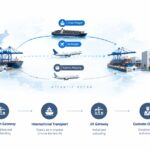
For example, a shipment moving through multiple transport stages may require careful review of where responsibility changes. A shipper should verify whether the insurance applies throughout the intended movement or only during specific parts of the journey.
When Freight Insurance Coverage Is Useful
Freight insurance is generally more relevant when the potential financial impact of cargo loss or damage is significant compared with the cost of obtaining protection. The decision depends on the shipment’s value, risk tolerance, and available recovery options.
High-value cargo: Expensive products may create a larger financial impact if transportation problems occur.
Fragile goods: Products sensitive to handling conditions may require additional risk evaluation.
Complex shipments: Cargo involving multiple handoffs may require clearer protection planning.
Insurance may be less suitable when the cargo value is low, the potential loss is manageable, or the available policy does not cover the specific risk that concerns the shipper. Reviewing exclusions is as important as reviewing covered events.
Coverage Limits and Practical Trade-Offs
Freight insurance coverage provides financial protection, but it does not remove every transportation risk. The policy normally defines covered events, excluded situations, documentation requirements, and claim procedures.
A common mistake is selecting insurance based only on cargo value while ignoring coverage conditions. A shipment may have a high insured amount but still face claim difficulties if the event does not match policy requirements or required evidence is unavailable.
Operator check: Before purchasing coverage, confirm the insured amount, covered risks, exclusions, required documents, and claim notification process with the responsible insurance provider.
Information Needed Before Arranging Coverage
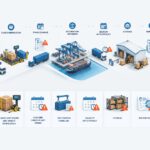
Insurance providers usually require shipment information to evaluate the coverage request. The shipper or responsible party should prepare accurate details because incorrect information may affect claim handling.
Identify the cargo details
Confirm the product description, quantity, value, packaging condition, and any characteristics that affect risk evaluation.
Review transportation details
Confirm the transport route, shipment method, handling points, and parties involved in the movement.
Check coverage conditions
Review covered risks, exclusions, documentation requirements, and claim procedures before shipment.
Keep supporting records
Maintain shipment documents, cargo evidence, and relevant communication required for future verification.
Common Freight Insurance Mistakes and Operator Checks
Common mistake: Assuming that all cargo damage automatically qualifies for compensation. The actual outcome depends on the policy wording, cause of loss, exclusions, and supporting evidence.
Another common issue occurs when shippers delay reviewing coverage until after transportation problems happen. Early verification helps identify whether the selected protection matches the shipment risk and whether additional information is required.
Disclosure: This guide provides general logistics information and may refer to services relevant to the topic. Carrier terms, customs requirements, fees, service coverage, and operating conditions can change. Confirm current requirements and responsibilities before acting.
Key Takeaways
Freight insurance coverage depends on policy terms, shipment details, and covered risks.
Cargo value, transport method, and route complexity affect insurance decisions.
Coverage limits and exclusions should be reviewed before shipment execution.
Accurate shipment records support verification and potential claims.
Freight Insurance Coverage FAQ
What does freight insurance coverage protect?
Freight insurance coverage protects against eligible cargo losses or damage based on the policy terms, covered risks, and required claim conditions.
Is freight insurance the same as carrier liability?
No. Carrier liability and freight insurance serve different purposes. Carrier responsibility may have limitations, while insurance provides protection according to the insurance policy conditions.
Does cargo insurance coverage protect every type of loss?
No. Coverage depends on the selected policy, exclusions, shipment details, and the cause of the loss. Shippers should verify these conditions before booking coverage.
When should a shipper buy freight shipping insurance?
A shipper should consider insurance when potential cargo loss could create meaningful financial impact or when shipment risk requires additional protection.
What information is needed for freight insurance?
Required information may include cargo description, shipment value, route details, transport method, and supporting shipment documents.
Can freight insurance cover damaged goods?
It may cover damaged goods when the damage results from an insured event and meets the policy requirements. The exact outcome depends on the insurance terms.
How can a shipper choose suitable coverage?
A shipper can compare coverage options by reviewing cargo value, risk exposure, exclusions, claim requirements, and the responsibilities of each party.
What should be checked before filing an insurance claim?
The shipper should review the policy requirements, collect supporting evidence, and confirm the required notification process with the responsible insurer.
Disclaimer: This article is general informational guidance, not a binding quotation, legal opinion, customs ruling, carrier commitment, or delivery guarantee. Requirements, charges, service terms, and responsibilities can vary by route, cargo, contract, carrier, and jurisdiction. Confirm current requirements before booking or filing.